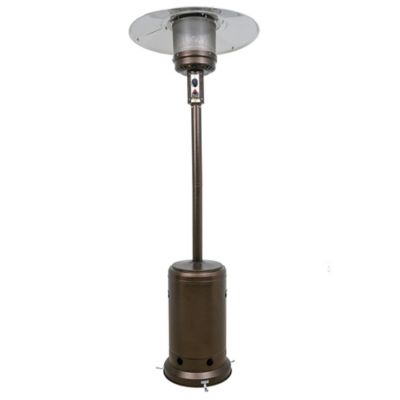
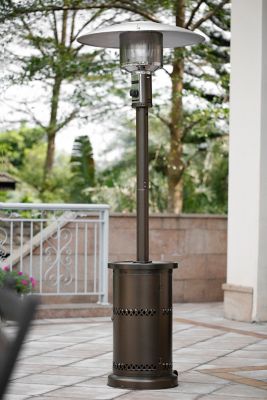
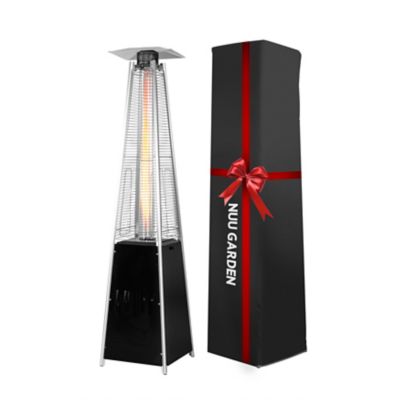
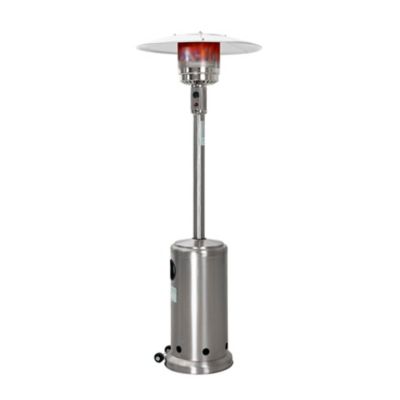
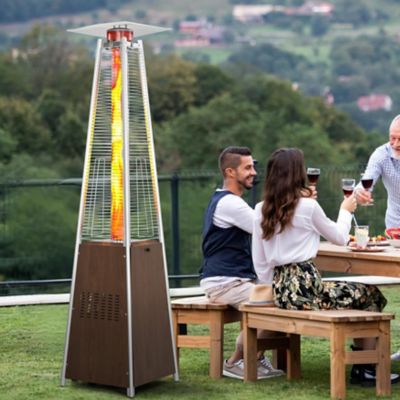
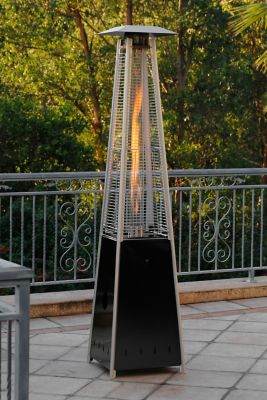
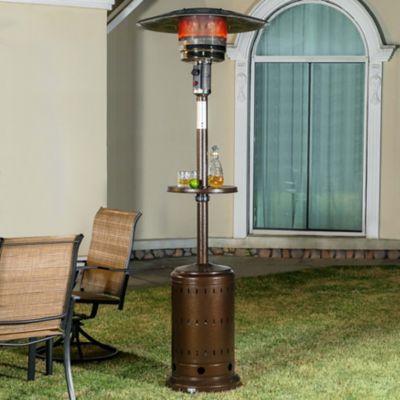
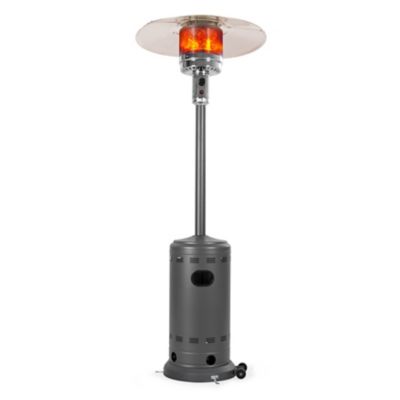
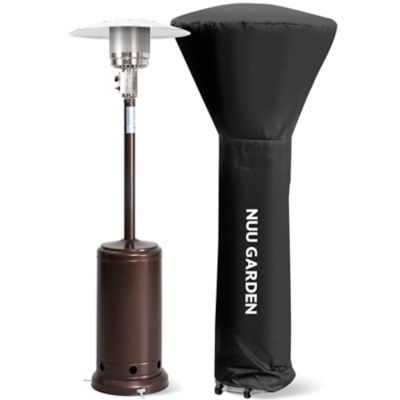
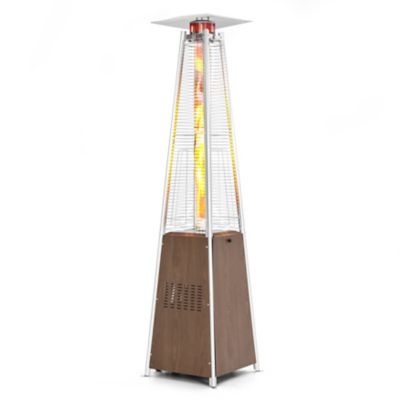
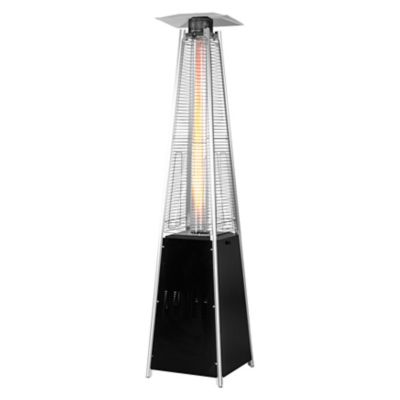
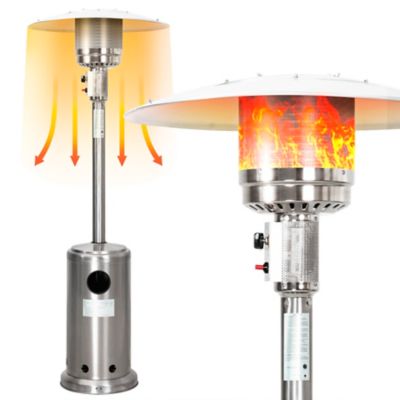
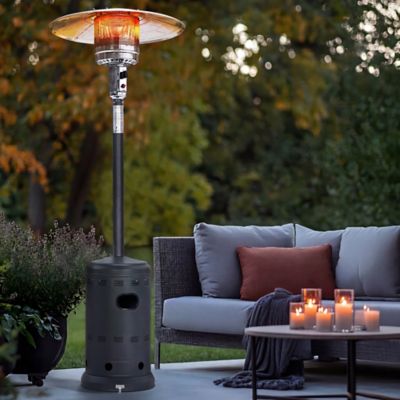
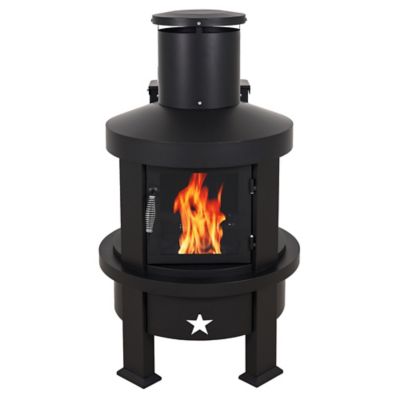
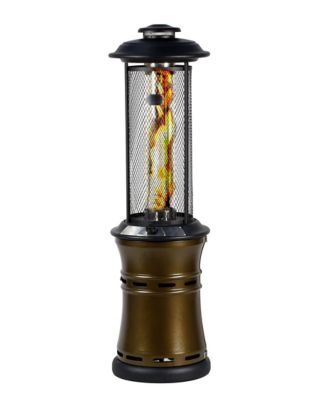
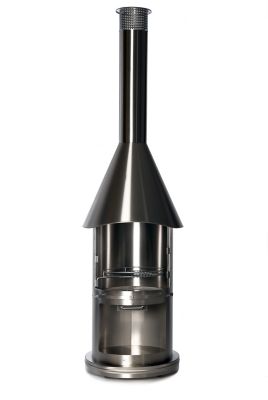
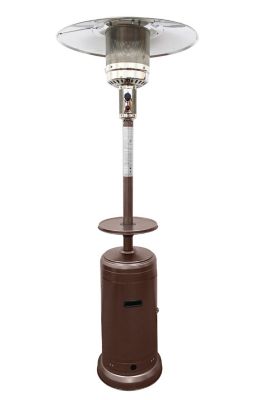
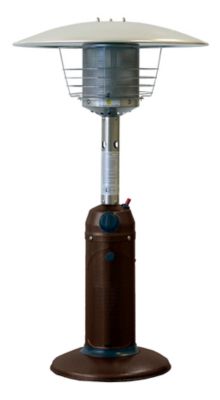
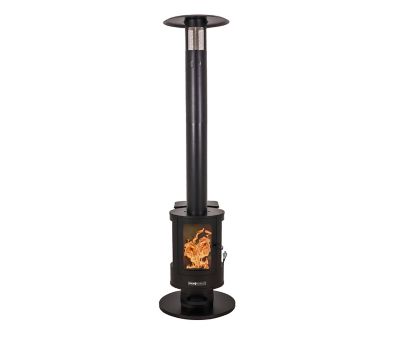
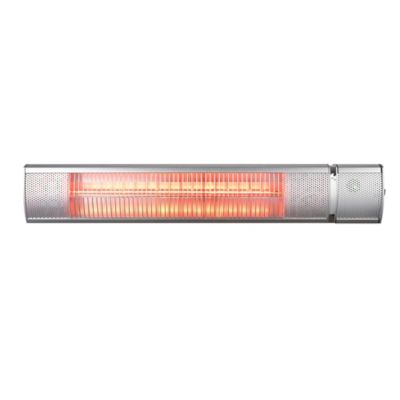
Patio heaters bring warmth closer to the table when a Fourth of July cookout stretches past supper and folks settle in for another round of stories. They’re a practical addition to an open patio, backyard seating area, or outdoor dining space where a little extra heat can make an evening more comfortable. The main differences come down to fuel, placement, and how the heater delivers warmth. Freestanding propane patio heaters offer flexibility because they do not depend on a nearby electrical outlet, though they need a suitable cylinder, an approved connection, and room around the base. Many full-size designs accommodate a standard 20-pound propane cylinder, but tank requirements vary by model. Electric patio heaters need a power supply that matches their voltage, wattage, and circuit requirements. Depending on their design, they may stand on the ground or mount to a wall or overhead structure. Natural gas patio heaters connect to a fixed fuel supply and generally suit a more permanent outdoor setup with professional installation. Gas heat output is commonly expressed in BTUs per hour, while electric heater power is typically listed in watts. Those ratings help describe energy input, but neither number alone tells the whole story about comfort across a seating area. Heater design, placement, wind exposure, and distance from the heat source all matter. Infrared heaters deliver radiant warmth to people and nearby surfaces within their heating path rather than warming an entire backyard evenly. A small conversation area and a long picnic table can call for different heating layouts, even when both occupy the same patio. Gas patio heaters belong outdoors in open-air settings with the ventilation and clearances required by their manufacturer, never inside a garage, shed, tent, or enclosed porch. Electric designs also have placement limits and must carry the appropriate rating for their intended outdoor location. For Fourth of July gatherings, the goal is warmth where people actually sit, with plenty of breathing room around the equipment.
Materials and proportions make a difference when a patio heater shares space with rocking chairs, a dining set, or a busy path between the grill and the back door. Stainless steel can resist corrosion, while powder-coated steel provides a protective finish that benefits from prompt attention to scratches and chips. Neither finish eliminates the need for care, especially around pool chemicals, fertilizer dust, or damp storage conditions. Reflectors, guards, bases, and housings all play different roles, so the construction of the whole heater matters more than its appearance alone. Reflector shape and heater height influence the direction of warmth, while the footprint determines how much floor space remains for chair legs and foot traffic. A broad base may take more room but can suit a larger, open seating area; a narrower profile still needs every inch of its specified clearance. Tall freestanding heaters require adequate space above them, including separation from rooflines, tree limbs, awnings, and overhead fabrics. Wall-mounted and ceiling-mounted electric heaters need a mounting surface and hardware suited to the equipment, along with the required distances from nearby materials. A covered patio is not automatically a suitable location for every heater. Controls should be reachable without leaning across a hot surface, and the heat path should line up with occupied seating rather than an empty walkway. Some designs include wheels for repositioning, but movement belongs on the schedule only after the heater is off and cool, following its instructions. Tip-over protection, ignition systems, heat settings, and protective guards vary across the category and are worth comparing. No safety feature replaces level placement, clear space, or supervision around children and animals. For a gathering with kids chasing each other across the yard and a farm dog circling the table for scraps, a heater location outside the main traffic lane helps keep the seating area comfortable without putting hot equipment in the middle of the action.
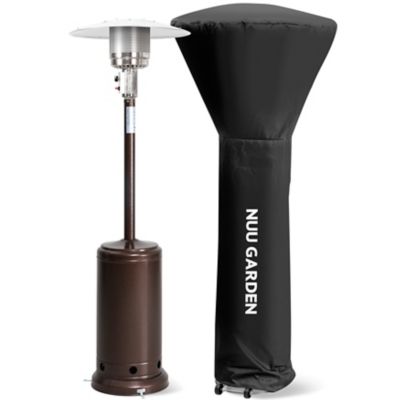
Patio heater care fits best into the same routine as looking after the grill and outdoor furniture: keeping surfaces clean, checking connections, and protecting equipment when it is not operating. The right cleaning method depends on the finish and the manufacturer’s directions; abrasive tools and harsh cleaners can damage surfaces or protective coatings. Burners, reflectors, guards, and ventilation openings need attention according to the heater’s maintenance schedule, particularly after time in storage. Propane connections require inspection and leak checks as directed by the manufacturer, and a suspected leak means stopping operation rather than trying another ignition attempt. Cylinders belong upright in an appropriate outdoor location, away from ignition sources, with storage and handling following the cylinder and heater instructions. Electric cords and plugs need inspection for damage, and any extension cord must be expressly permitted by the heater manufacturer and properly rated for the equipment and location. A fitted cover can help shield a cooled heater from dirt and moisture, but covering warm equipment creates a hazard. Covers also need to fit the heater’s dimensions rather than dragging across the ground or pulling tightly against projecting parts. Before storage, the heater should be clean, dry, and prepared as its manual directs. Those everyday details matter whether the heater serves a couple enjoying coffee outside or a household that regularly fills the patio with neighbors. As a gift for someone who loves hosting, a patio heater makes the most sense when the recipient’s outdoor space, fuel preference, and setup requirements are known ahead of time. Warmth is only one part of a welcoming gathering spot, too. For lighting that fits the same holiday setting, explore the
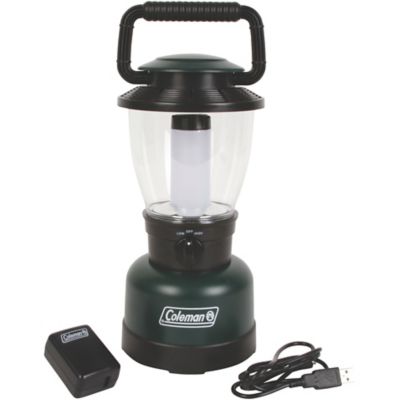
Patio Lantern Fourth of July Sale page. Comfortable seating, suitable outdoor lighting, and a properly placed heater each have a role in making room for unhurried conversation after the plates are cleared.