Yard Pathway Lights Fourth Of July Sale
Light up your summer nights and show off your patriotic spirit with the Yard Pathway Lights Fourth Of July Sale. Whether you're getting ready for a backyard barbecue, planning a family get-together, or just want to add some festive charm to your property, now's the perfect time to brighten up your walkways. With deals made for celebrating, you can make every step shine a little brighter this Independence Day.
$53
.99
Sale Was $59.99 Save $6.00 (10%)
$26
.99
Sale Was $29.99 Save $3.00 (10%)
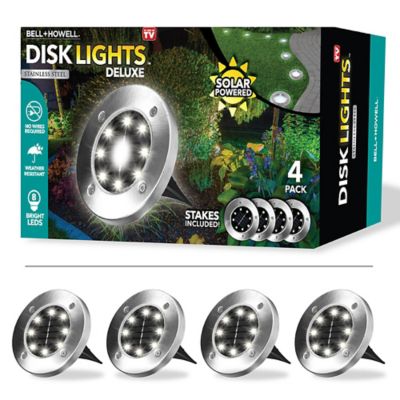
$17
.99
Sale Was $19.99 Save $2.00 (10%)

$40
.49
Sale Was $44.99 Save $4.50 (10%)
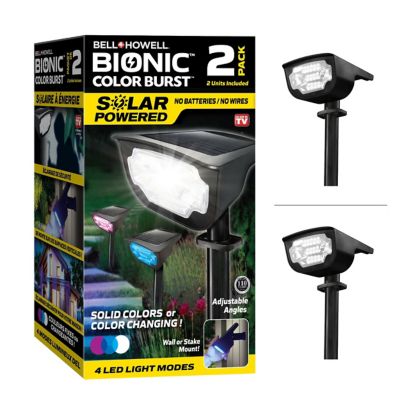
$26
.99
Sale Was $29.99 Save $3.00 (10%)
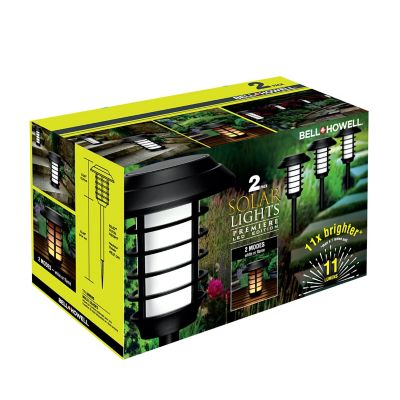
$26
.99
Sale Was $29.99 Save $3.00 (10%)
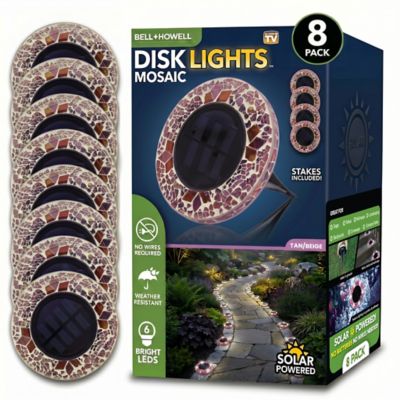
$53
.99
Sale Was $59.99 Save $6.00 (10%)
$26
.99
Sale Was $29.99 Save $3.00 (10%)
$53
.99
Sale Was $59.99 Save $6.00 (10%)
$26
.99
Sale Was $29.99 Save $3.00 (10%)
$26
.99
Sale Was $29.99 Save $3.00 (10%)
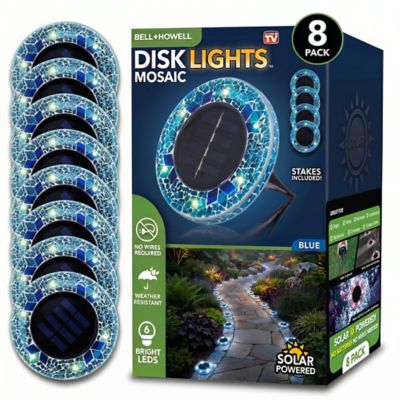
$53
.99
Sale Was $59.99 Save $6.00 (10%)
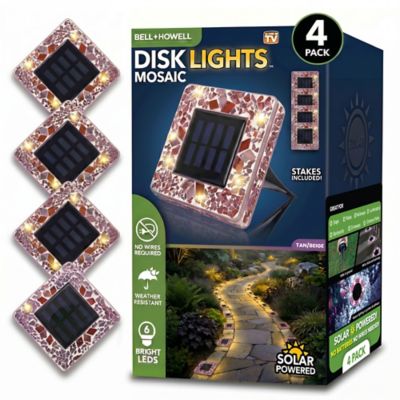
$26
.99
Sale Was $29.99 Save $3.00 (10%)
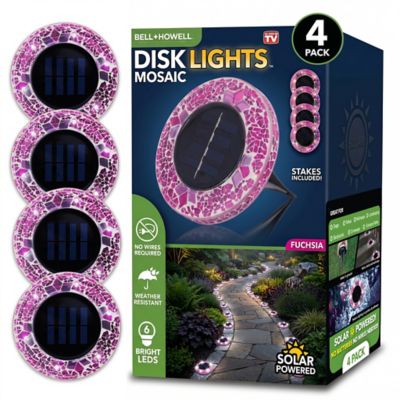
$26
.99
Sale Was $29.99 Save $3.00 (10%)
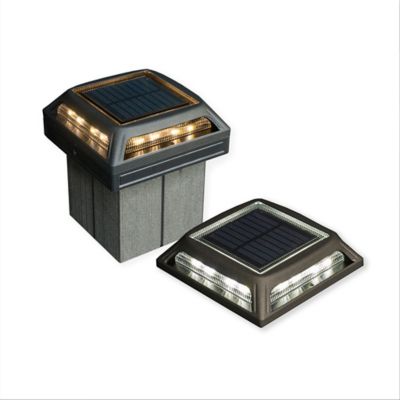
$31
.49
Sale Was $34.99 Save $3.50 (10%)
$35
.99
Sale Was $39.99 Save $4.00 (10%)

$35
.99
Sale Was $39.99 Save $4.00 (10%)
$35
.99
Sale Was $39.99 Save $4.00 (10%)

$35
.99
Sale Was $39.99 Save $4.00 (10%)
$15
.00
Sale Was $29.99 Save $14.99 (50%)
$89
.99
Sale Was $99.99 Save $10.00 (10%)
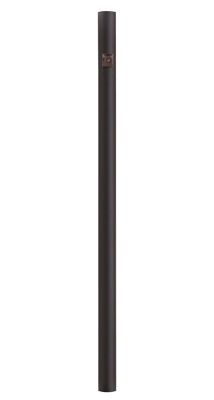
$107
.99
Sale Was $119.99 Save $12.00 (10%)
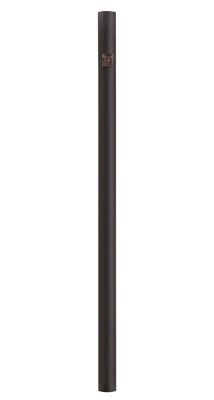
$89
.99
Sale Was $99.99 Save $10.00 (10%)
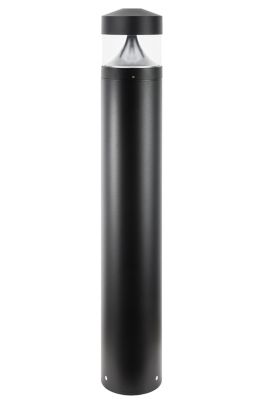
$197
.99
Sale Was $219.99 Save $22.00 (10%)
Best Of FAQ
What are the benefits of using yard pathway lights for Fourth of July celebrations?
Yard pathway lights enhance the ambiance and atmosphere of outdoor gatherings by illuminating walkways, helping guests navigate your yard during evening festivities. They also add a festive touch to your landscaping, making your Fourth of July celebration more inviting.
Can yard pathway lights serve purposes beyond the Fourth of July?
Yes, yard pathway lights are versatile and can brighten up your space throughout the year for events such as garden parties, weddings, or simply to highlight your landscaping. Their appeal makes them suitable for any occasion.
Are there different styles of yard pathway lights available for holiday themes?
Absolutely! Yard pathway lights come in a variety of styles, including patriotic designs with red, white, and blue colors perfect for the Fourth of July. You can also find classic and modern options to match your personal taste and holiday theme.
How do I install yard pathway lights for my outdoor event?
Most yard pathway lights are designed for easy installation. Simply stake them into the ground along your desired path and connect them according to the manufacturer's instructions. Solar-powered options require minimal setup—just place them in a sunny spot.
Do yard pathway lights require a lot of maintenance?
Yard pathway lights generally require minimal maintenance. Occasionally wipe off dirt or debris from the fixtures and check that bulbs or solar panels are functioning properly to ensure optimal performance throughout the season.
Best Sellers
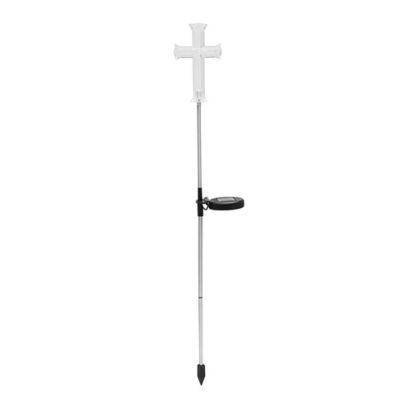


-
"And the Blue Disk lights that I got are beautiful and best of all they are so easy to use"
-
"I just love it"
-
"Great addition to back yard. The roof assembly instructions were kind of awkward to understand"
-
"Looks great on our patio table and gives off plenty of warm light. _x000D_ Highly recommend"
-
"Love everything about this lawnmower in itself I would only say the tires aren’t the best I would change"