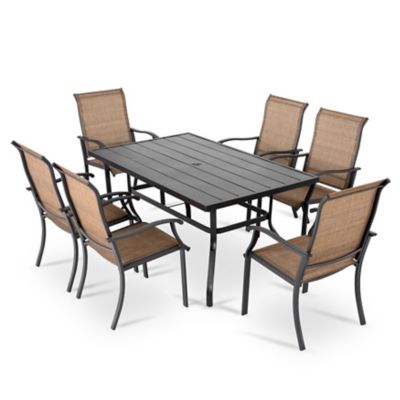
Patio Lantern Fourth Of July Sale
Light up your backyard celebrations with unbeatable deals during the Patio Lantern Fourth Of July Sale. Whether you're planning a big barbecue or just kicking back with family and friends, now's the perfect time to add some festive glow to your outdoor space. Shop a wide selection of lanterns that’ll help set the mood for summer nights and Independence Day fun. Don’t miss out on these savings—bring home the charm and keep your patio shining all season long!
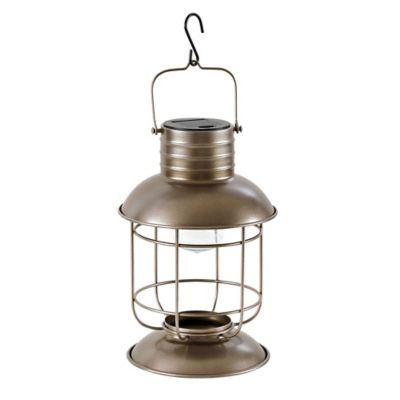
$9
.99
Sale Was $19.98 Save $9.99 (50%)
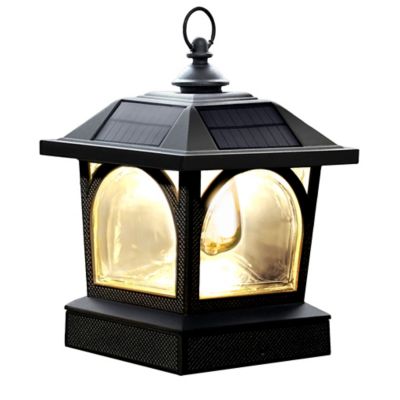
$89
.99
Sale Was $99.99 Save $10.00 (10%)

$53
.99
Sale Was $59.99 Save $6.00 (10%)
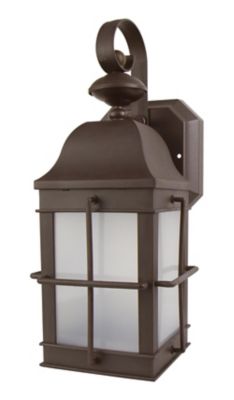
$53
.99
Sale Was $59.99 Save $6.00 (10%)
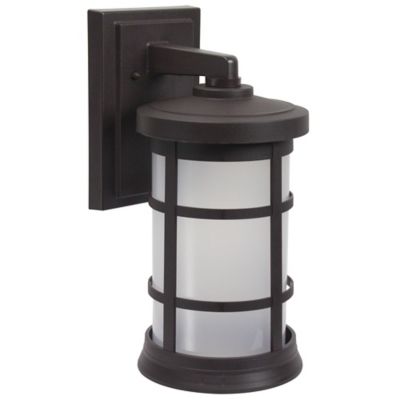
$58
.49
Sale Was $64.99 Save $6.50 (10%)
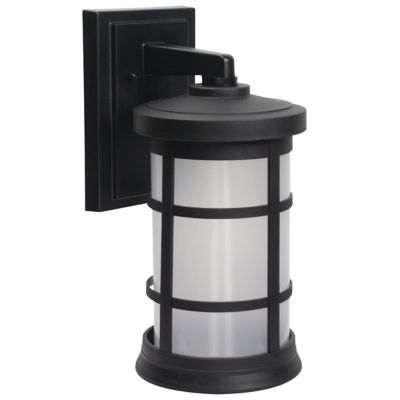
$58
.49
Sale Was $64.99 Save $6.50 (10%)
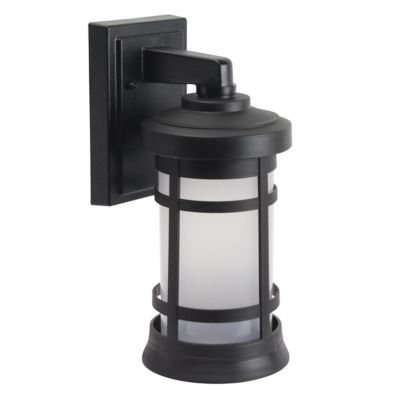
$53
.99
Sale Was $59.99 Save $6.00 (10%)
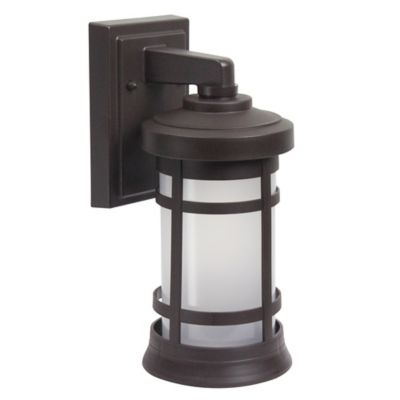
$53
.99
Sale Was $59.99 Save $6.00 (10%)
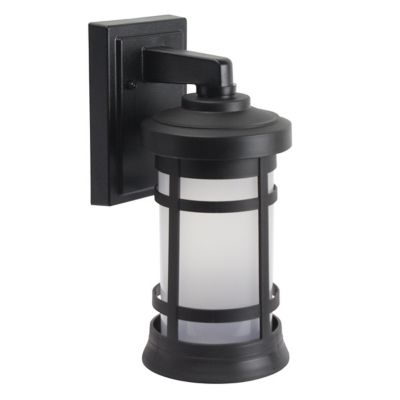
$53
.99
Sale Was $59.99 Save $6.00 (10%)

$71
.99
Sale Was $79.99 Save $8.00 (10%)
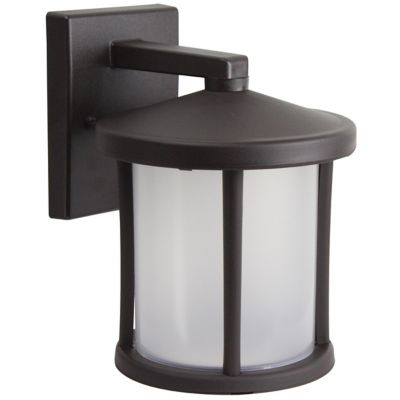
$58
.49
Sale Was $64.99 Save $6.50 (10%)
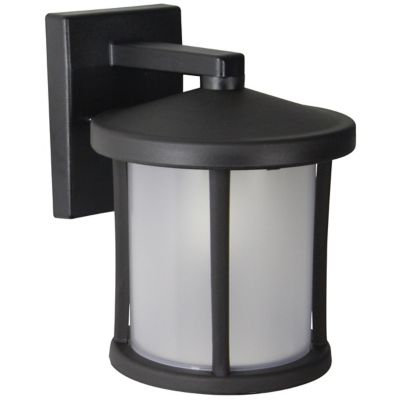
$58
.49
Sale Was $64.99 Save $6.50 (10%)
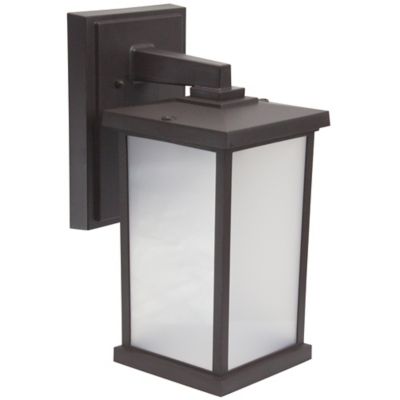
$53
.99
Sale Was $59.99 Save $6.00 (10%)
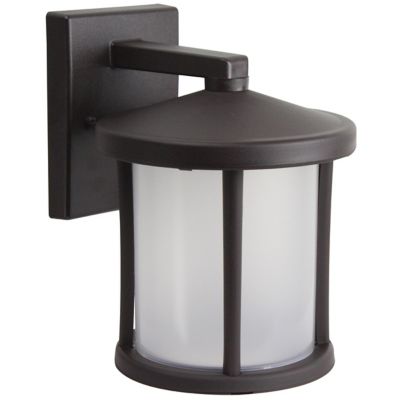
$58
.49
Sale Was $64.99 Save $6.50 (10%)
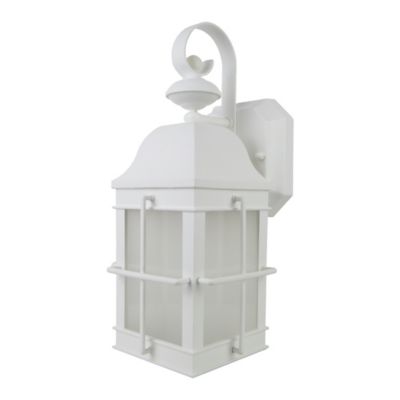
$53
.99
Sale Was $59.99 Save $6.00 (10%)

$53
.99
Sale Was $59.99 Save $6.00 (10%)
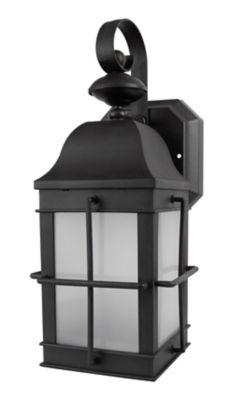
$53
.99
Sale Was $59.99 Save $6.00 (10%)
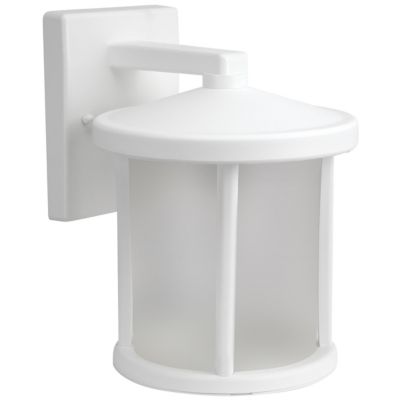
$58
.49
Sale Was $64.99 Save $6.50 (10%)
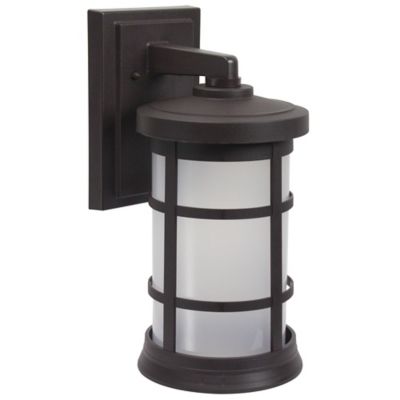
$53
.99
Sale Was $59.99 Save $6.00 (10%)
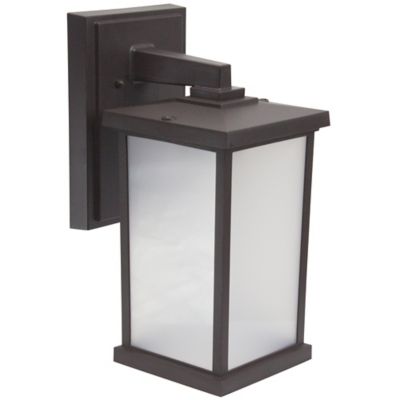
$53
.99
Sale Was $59.99 Save $6.00 (10%)
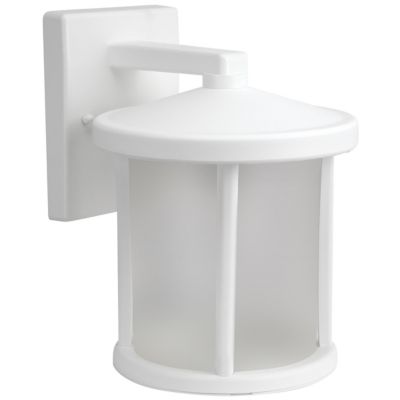
$58
.49
Sale Was $64.99 Save $6.50 (10%)
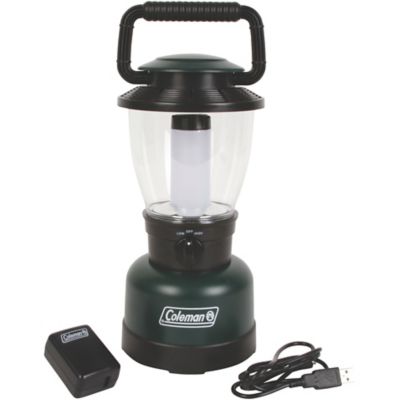
$58
.49
Sale Was $64.99 Save $6.50 (10%)
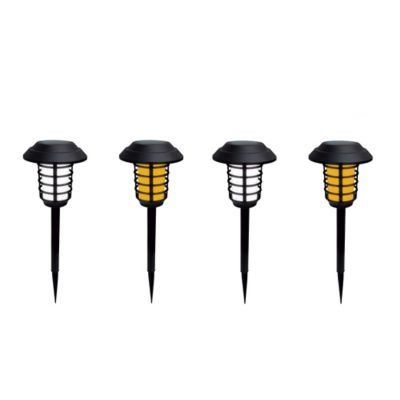
$53
.99
Sale Was $59.99 Save $6.00 (10%)
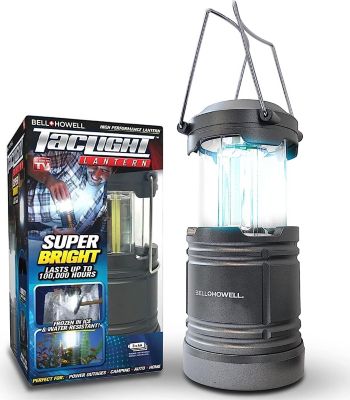
$17
.99
Sale Was $19.99 Save $2.00 (10%)
Best Of FAQ
What types of patio lanterns are popular for Fourth of July celebrations?
Patio lanterns featuring patriotic colors, star patterns, and festive designs are especially popular for Fourth of July gatherings. Many people choose string lights, solar-powered lanterns, or LED lanterns to create a festive atmosphere outdoors.
How can patio lanterns enhance my Fourth of July party theme?
Patio lanterns add a warm and inviting glow to outdoor spaces, helping to set the mood for your Fourth of July celebration. They can be hung along fences, trees, or patios to highlight your party area and go well with other patriotic decorations.
Are there weather-resistant patio lantern options for outdoor use?
Yes, many patio lanterns are made with materials that can withstand outdoor conditions such as certain plastics or treated metals, making them suitable for use during summer events like the Fourth of July.
Can I use patio lanterns year-round after the Fourth of July?
Absolutely! While some lanterns feature specific holiday themes, many styles work well throughout the year. Simple or classic designs can brighten up your patio or backyard for any occasion.
What are some creative ways to display patio lanterns during a Fourth of July event?
You can hang patio lanterns from tree branches, line walkways with them, drape them across fences, or group them on tables as centerpieces. Mixing different styles and colors can create a festive look for your celebration.
Best Sellers
-
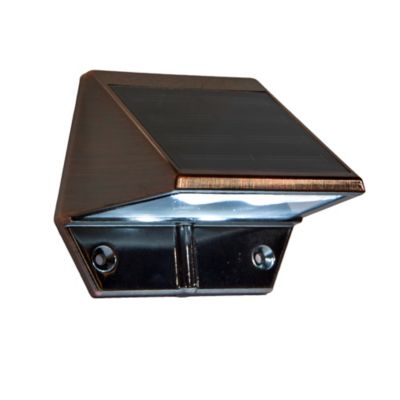
"Great Solar Light"
-
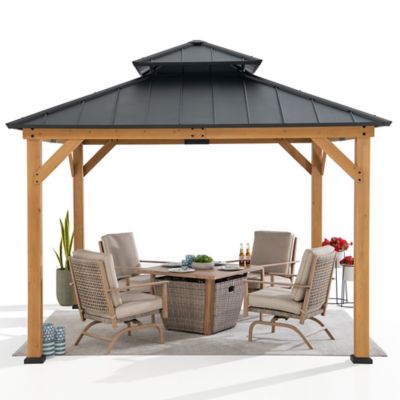
"Aside from poor installation instructions the gazebo went together great. "
-
"Works great quality is great"
-
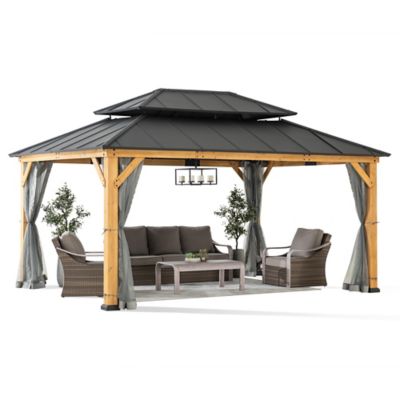
"We love our new Gazebo. It looks so nice and is made well"
-
"Had an issue with table not being delivered, but customer service was great and I received next day"