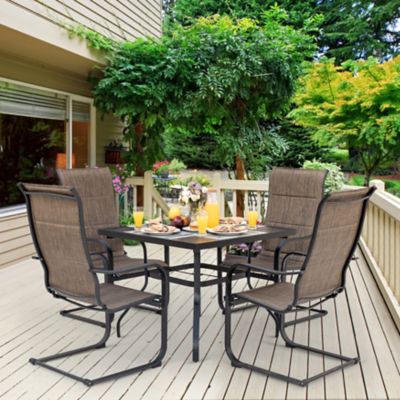
4th Of July Sale On Patio Outdoor Hosting Furniture
Get your backyard ready for summer gatherings with our 4th of July sale on patio outdoor hosting furniture. Whether you’re planning a big family barbecue or just want to kick back with friends under the stars, now’s the perfect time to upgrade your outdoor space. Find great deals on everything you need to make your next get-together comfortable and inviting. Celebrate Independence Day in style and enjoy the savings while they last!
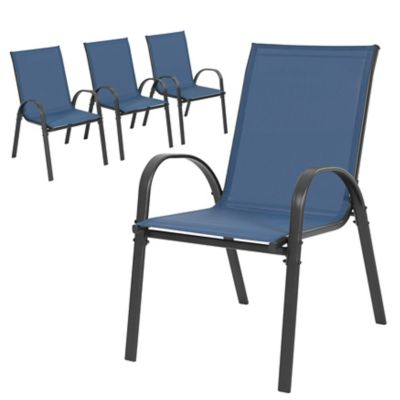
$86
.99
Sale Was $115.99 Save $29.00 (25%)
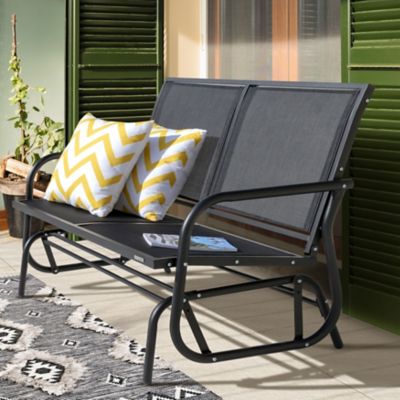
$93
.99
Sale Was $119.99 Save $26.00 (22%)
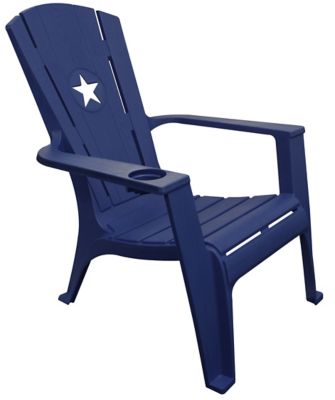
$12
.49
Sale Was $24.99 Save $12.50 (50%)
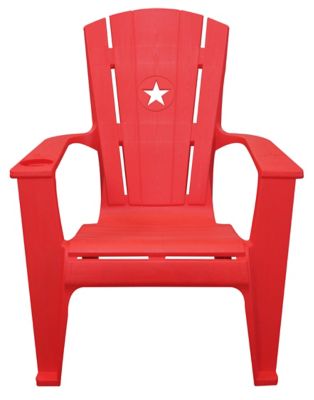
$12
.49
Sale Was $24.99 Save $12.50 (50%)
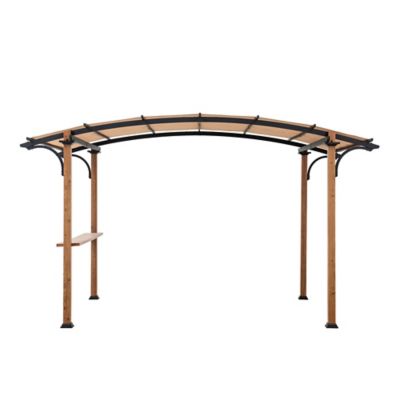
$424
.99
Sale Was $849.99 Save $425.00 (50%)
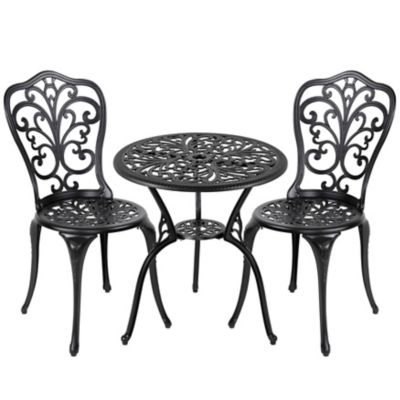
$153
.99
Sale Was $199.99 Save $46.00 (23%)
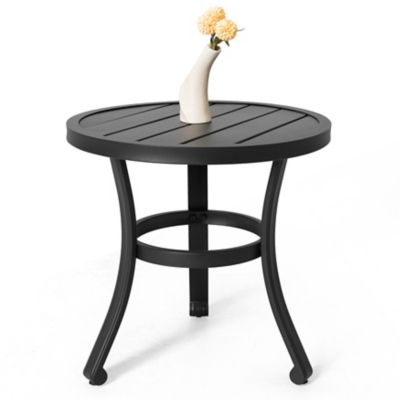
$28
.99
Sale Was $64.99 Save $36.00 (55%)
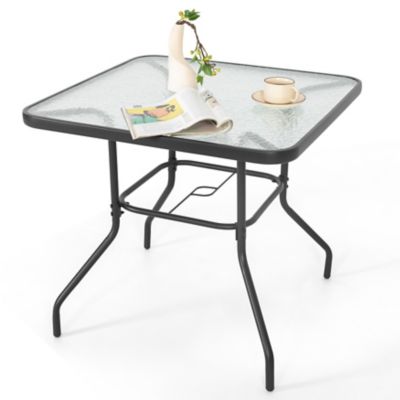
$51
.99
Sale Was $79.99 Save $28.00 (35%)
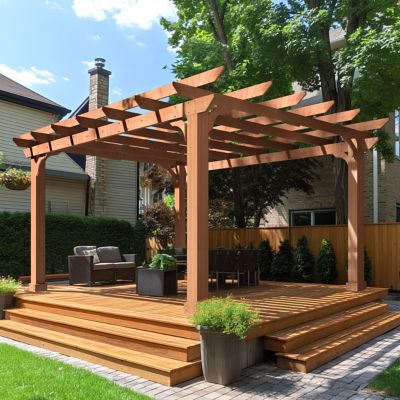
$659
.99
Sale Was $699.99 Save $40.00 (6%)

$249
.99
Sale Was $419.99 Save $170.00 (40%)
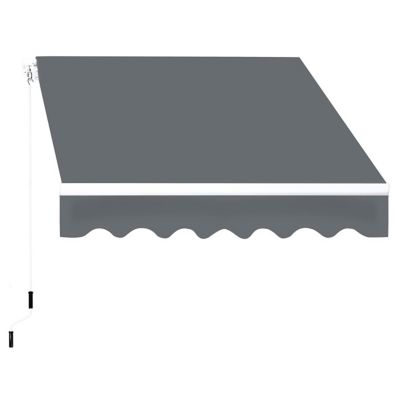
$149
.99
Sale Was $186.99 Save $37.00 (20%)
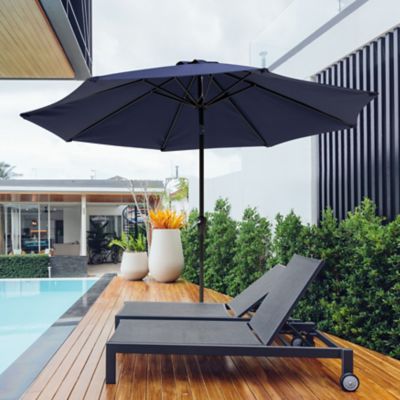
$43
.99
Sale Was $59.99 Save $16.00 (27%)
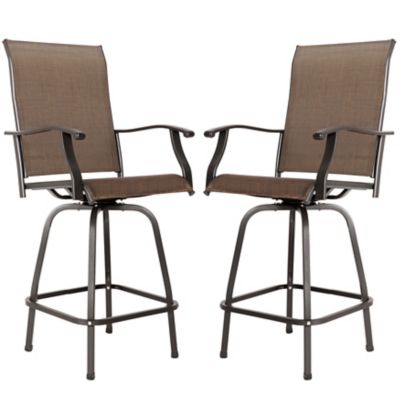
$138
.99
Sale Was $199.99 Save $61.00 (31%)
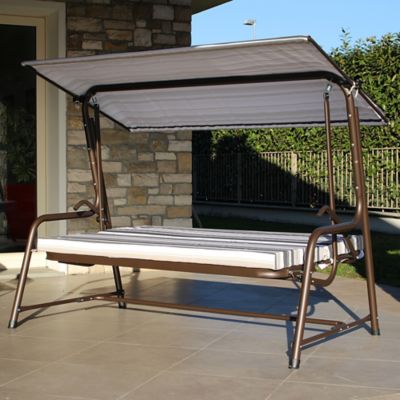
$265
.99
Sale Was $407.99 Save $142.00 (35%)
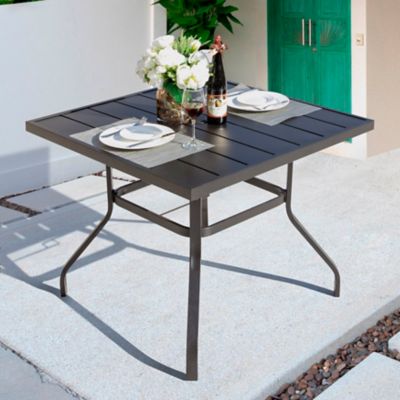
$86
.99
Sale Was $149.99 Save $63.00 (42%)
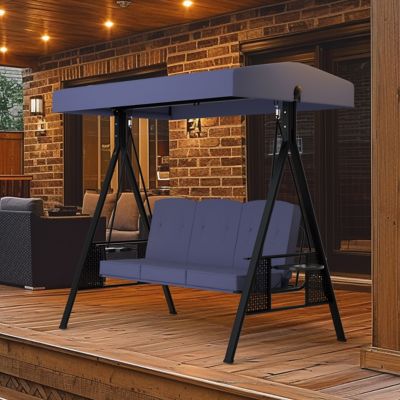
$260
.99
Sale Was $299.99 Save $39.00 (13%)
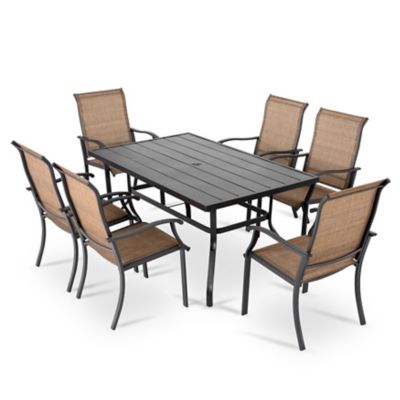
$385
.99
Sale Was $559.99 Save $174.00 (31%)
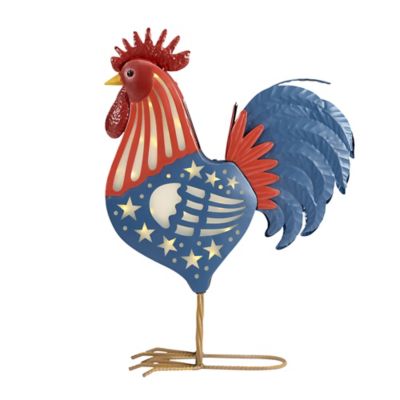
$14
.99
Sale Was $29.99 Save $15.00 (50%)
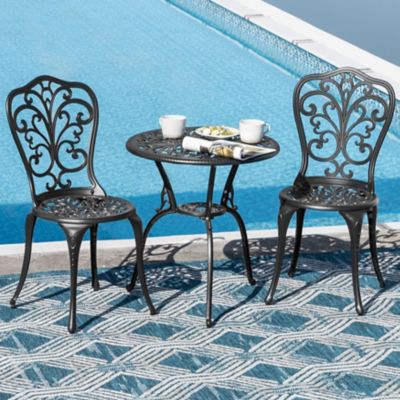
$150
.99
Sale Was $179.99 Save $29.00 (16%)
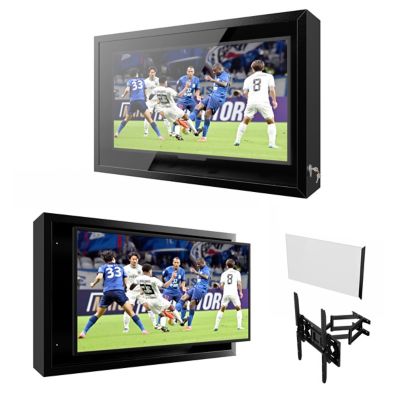
$201
.99
Sale Was $289.99 Save $88.00 (30%)
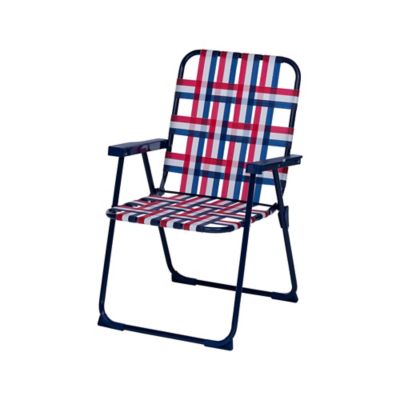
$14
.99
Sale Was $24.99 Save $10.00 (40%)
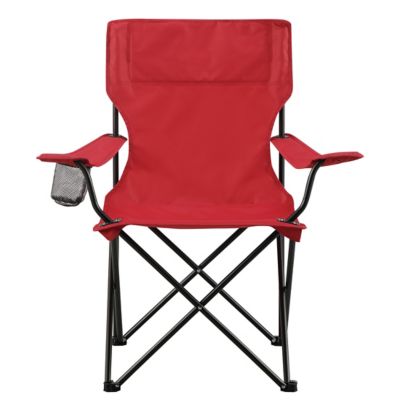
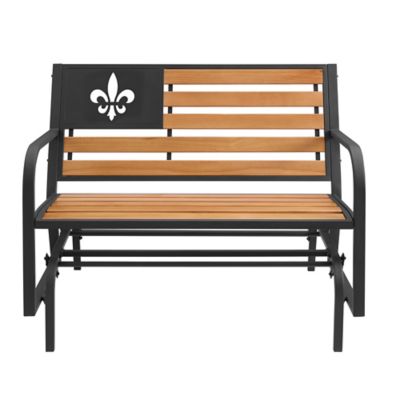
$99
.99
Sale Was $249.99 Save $150.00 (60%)
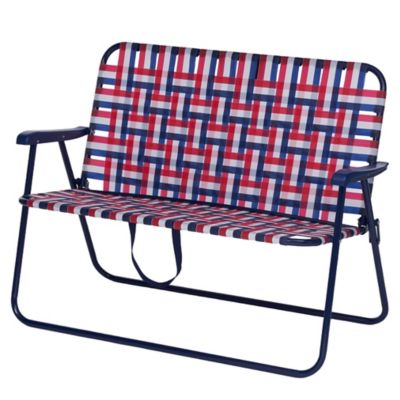
$19
.99
Sale Was $49.99 Save $30.00 (60%)
Best Of FAQ
What types of patio furniture are best for outdoor hosting during the Fourth of July?
For Fourth of July gatherings, consider patio dining sets, outdoor sectionals, and lounge chairs that offer ample seating and comfort. Look for weather-resistant materials like metal, wicker, or treated wood to ensure durability throughout the summer.
How can I create a festive atmosphere with my patio furniture for Independence Day?
You can enhance your outdoor space by adding patriotic-themed cushions, tablecloths, and accents in red, white, and blue. String lights, lanterns, and outdoor rugs also help set a celebratory mood for your Fourth of July event.
Are there specific features to look for in outdoor hosting furniture for summer parties?
Yes, look for features such as built-in umbrellas or shade options, easy-to-clean surfaces, stackable or foldable chairs for flexibility, and tables with enough space for food and drinks. Weather-resistant finishes are also important for longevity.
How do I care for my patio furniture after a Fourth of July celebration?
After your gathering, wipe down surfaces to remove spills or debris. Store cushions indoors or in a waterproof container when not in use. Regularly check and clean frames according to manufacturer recommendations to keep your furniture looking its best.
What accessories pair well with patio furniture for outdoor entertaining on the Fourth of July?
Popular accessories include outdoor coolers, serving carts, portable fire pits, side tables, and accent pillows. Adding citronella candles or torches can help keep bugs away while enhancing the ambiance of your celebration.
Best Sellers
-
"Great quality and price"
-
"I love these chairs , very comfortable to sit in"
-
"Great quality special here in Philadelphia that rain and snow in winter time"
-
"The chairs are super comfy and I love the gentle rocking motion. The fabric is super cute too"
-
"I love these chairs , very comfortable to sit in"