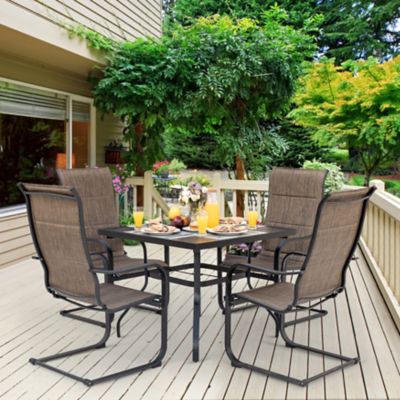
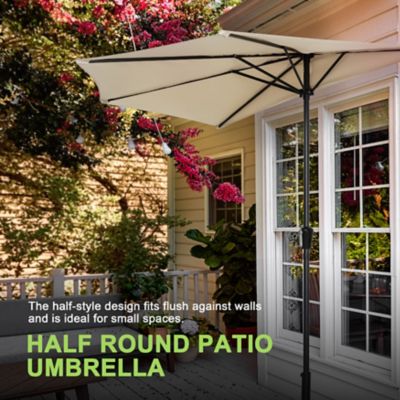
4th Of July Sale On Patio Outdoor Bar Furniture
Fire up the grill and get ready to kick back in style with our 4th of July sale on patio outdoor bar furniture. There’s no better time to spruce up your backyard hangout or deck for summer gatherings with friends and family. Whether you’re planning a big Independence Day bash or just want a cozy spot to relax, you’ll find great deals that help make your outdoor space the place to be. Celebrate freedom, fun, and savings all at once!
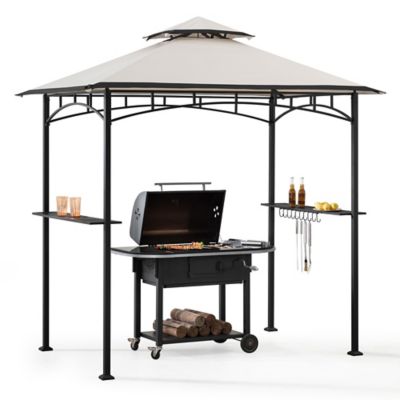
$109
.99
Sale Was $200.99 Save $91.00 (45%)
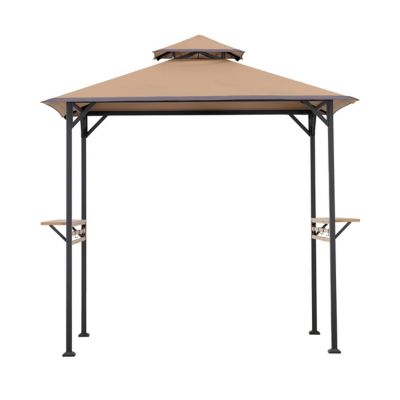
$163
.99
Sale Was $217.99 Save $54.00 (25%)
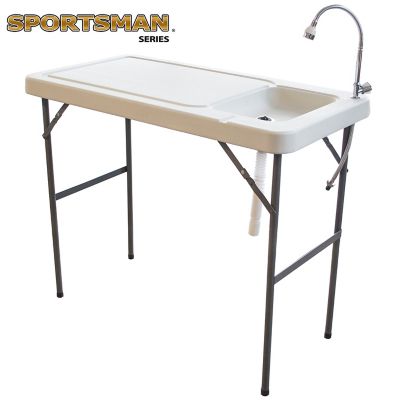
$79
.99
Sale Was $89.99 Save $10.00 (11%)
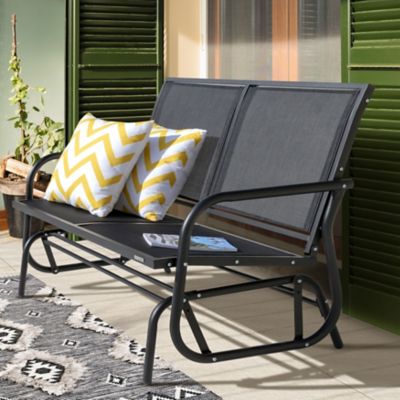
$93
.99
Sale Was $119.99 Save $26.00 (22%)
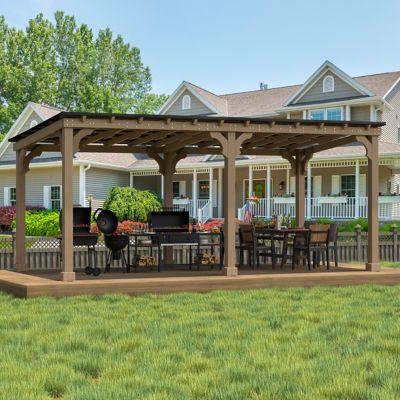
$1,399
.99
Sale Was $1,499.99 Save $100.00 (7%)
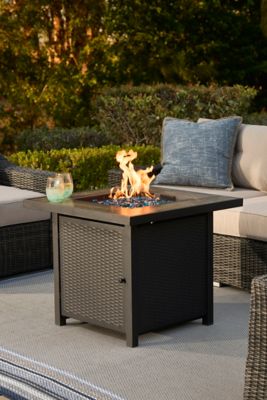
$199
.99
Sale Was $274.99 Save $75.00 (27%)
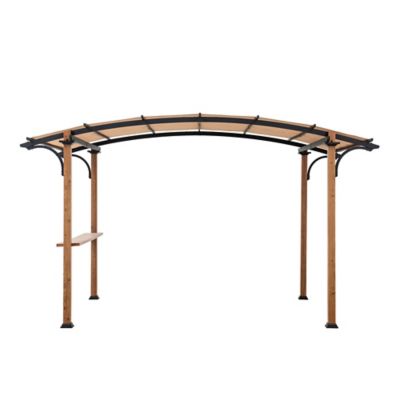
$424
.99
Sale Was $849.99 Save $425.00 (50%)
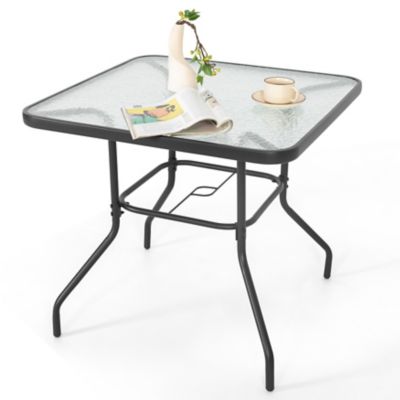
$51
.99
Sale Was $79.99 Save $28.00 (35%)
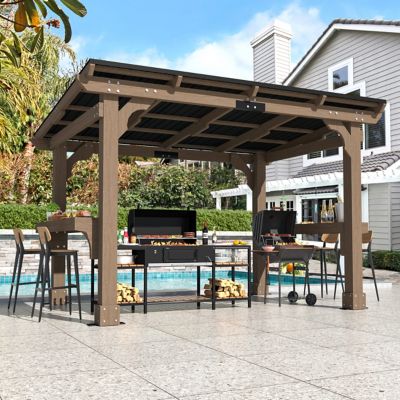
$669
.99
Sale Was $995.99 Save $326.00 (33%)
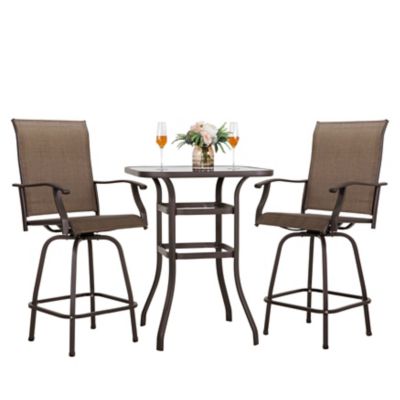
$217
.99
Sale Was $299.99 Save $82.00 (27%)
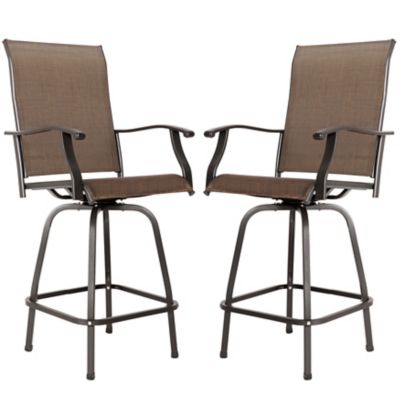
$138
.99
Sale Was $199.99 Save $61.00 (31%)
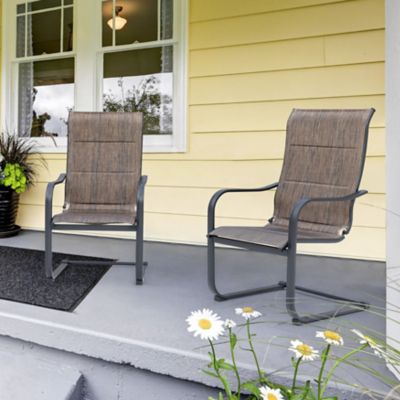
$138
.99
Sale Was $179.99 Save $41.00 (23%)
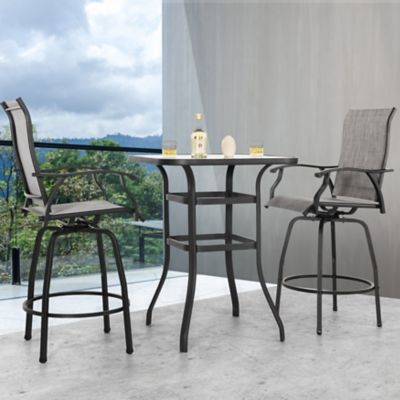
$215
.99
Sale Was $299.99 Save $84.00 (28%)
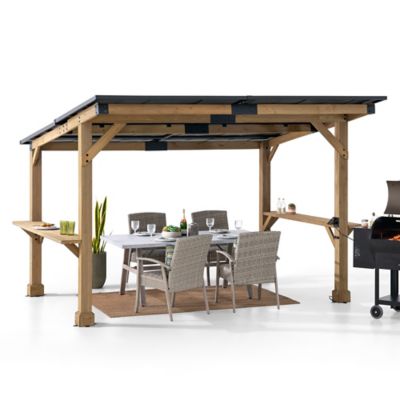
$1,195
.99
Sale Was $1,493.99 Save $298.00 (20%)
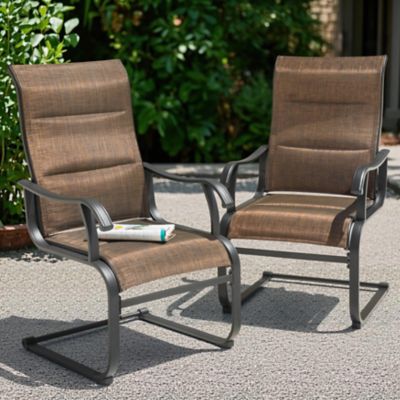
$129
.99
Sale Was $159.99 Save $30.00 (19%)
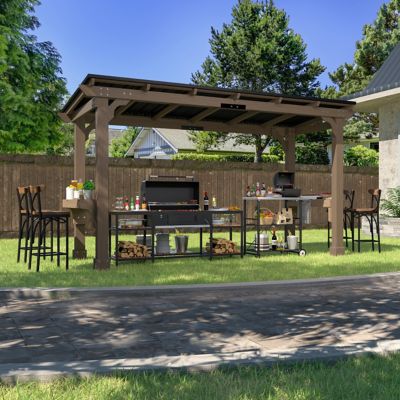
$689
.99
Sale Was $773.99 Save $84.00 (11%)

$141
.99
Sale Was $216.99 Save $75.00 (35%)
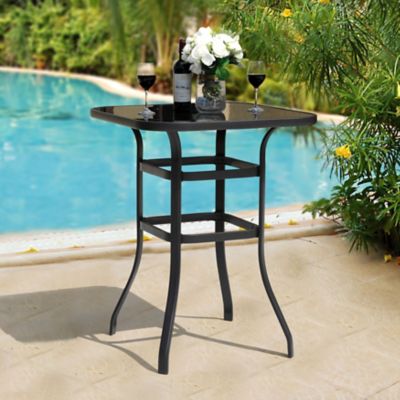
$70
.99
Sale Was $109.99 Save $39.00 (35%)
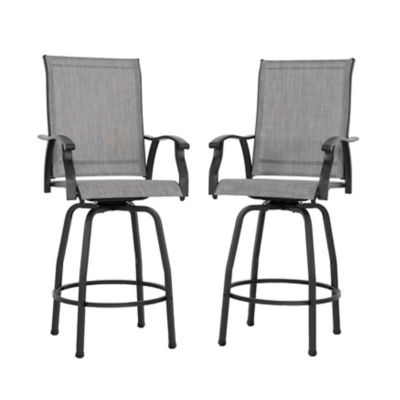
$139
.99
Sale Was $179.99 Save $40.00 (22%)
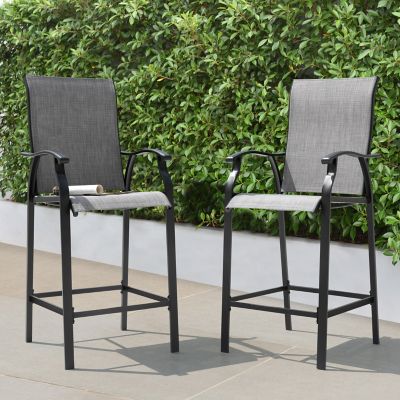
$111
.99
Sale Was $179.99 Save $68.00 (38%)
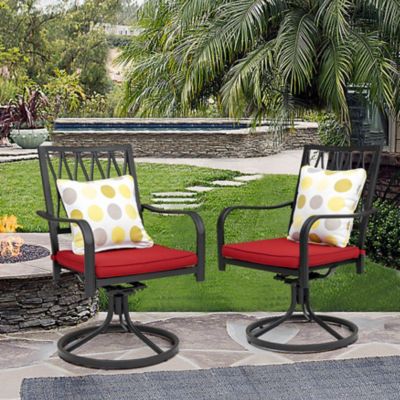
$175
.99
Sale Was $249.99 Save $74.00 (30%)
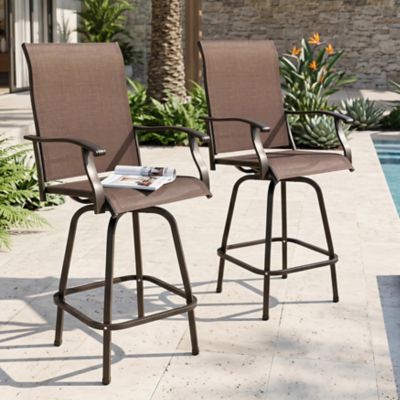
$116
.99
Sale Was $139.99 Save $23.00 (16%)
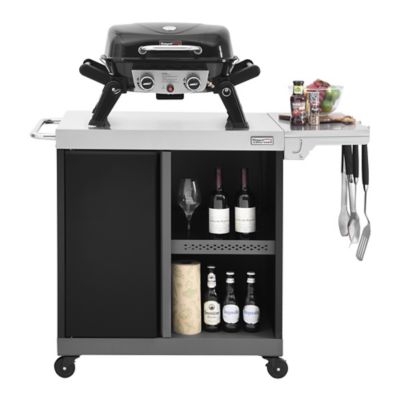
$149
.99
Sale Was $169.99 Save $20.00 (12%)
$147
.99
Sale Was $209.99 Save $62.00 (30%)
Best Of FAQ
What types of patio outdoor bar furniture are popular for Fourth of July celebrations?
Popular patio outdoor bar furniture for Fourth of July gatherings includes bar-height tables, stools, outdoor bars with storage, and weather-resistant seating sets. Many people also choose pieces with patriotic colors or festive designs to enhance the holiday atmosphere.
How can I create a festive outdoor bar area for my Fourth of July party?
To create a festive outdoor bar area, consider arranging your bar furniture in a central location, adding themed decorations like flags or string lights, and providing plenty of seating. Accessorize with drink dispensers, coolers, and serving trays to make entertaining easy and enjoyable.
What materials are best for outdoor bar furniture during summer events?
Outdoor bar furniture made from materials like powder-coated steel, aluminum, teak, or all-weather wicker is ideal for summer events. These materials are long-lasting, easy to clean, and resistant to sun and moisture, making them perfect for outdoor gatherings during the Fourth of July.
How do I care for my patio bar furniture after a holiday gathering?
After your holiday event, wipe down surfaces with a mild soap solution to remove spills or stains. Store cushions indoors or in a waterproof container when not in use, and cover your furniture to protect it from the elements if possible.
Can patio outdoor bar furniture be enjoyed year-round?
Yes, many types of patio outdoor bar furniture are designed for enjoyment throughout the year. Choosing weather-resistant materials and using protective covers can help extend the life of your furniture through all seasons.
Best Sellers
-
"I love this glider! Well made,great value,very comfortable"
-
"The chairs are super comfy and I love the gentle rocking motion. The fabric is super cute too"
-
"Love these they fit perfit on our back porch"
-
"I love these chairs , very comfortable to sit in"
-
"Love these they fit perfit on our back porch"