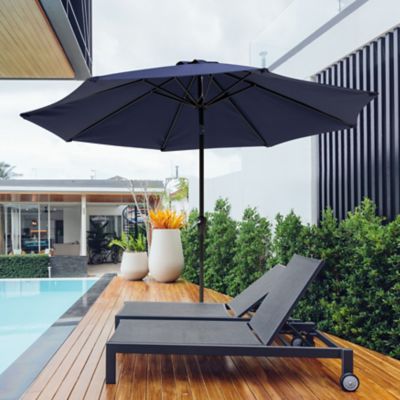
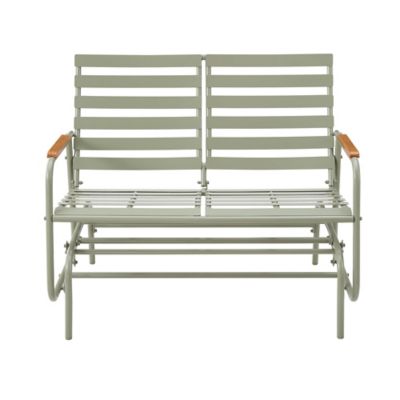
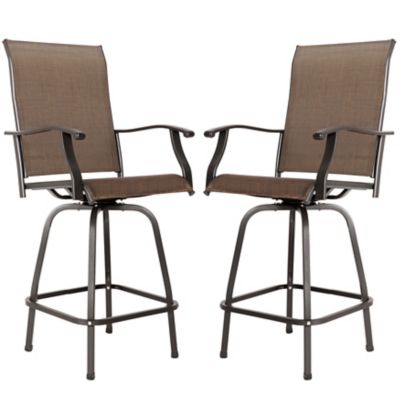
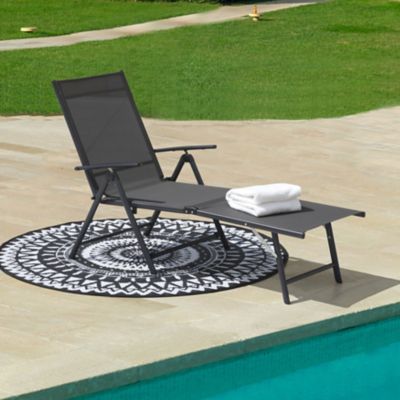
4th Of July Sale On Patio Outdoor Event Seating
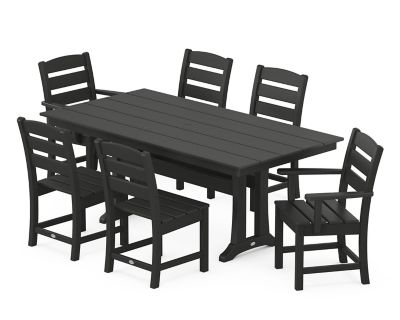
Get your backyard ready for summer celebrations with our 4th of July sale on patio outdoor event seating. Whether you’re hosting a family barbecue or gathering around the fire pit with friends, you’ll find plenty of comfortable options to keep everyone relaxed all day long. Shop now and save on the perfect seating for your Independence Day festivities and every get-together after.
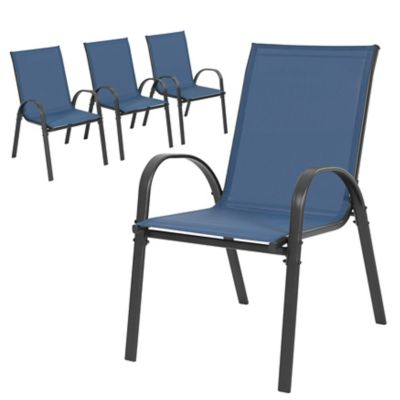
$86
.99
Sale Was $115.99 Save $29.00 (25%)
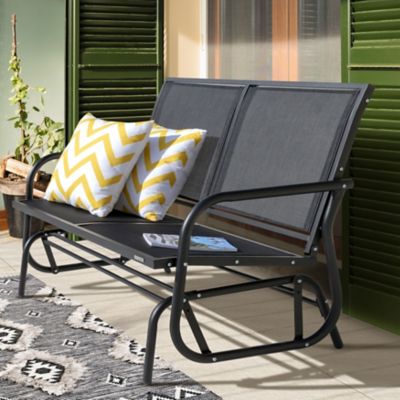
$93
.99
Sale Was $119.99 Save $26.00 (22%)
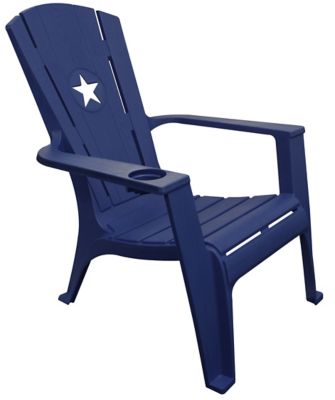
$12
.49
Sale Was $24.99 Save $12.50 (50%)
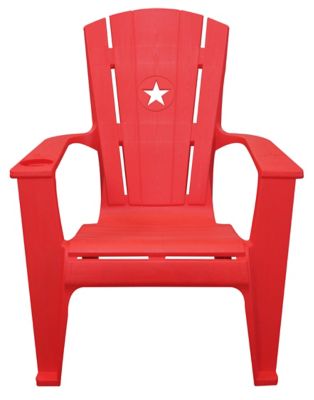
$12
.49
Sale Was $24.99 Save $12.50 (50%)
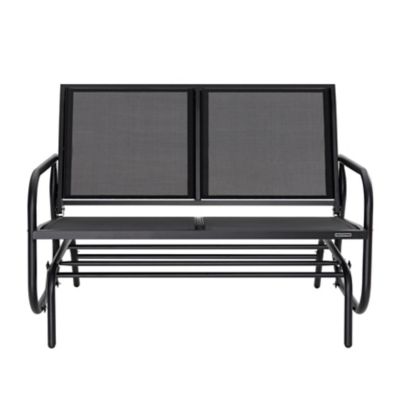
$100
.99
Sale Was $129.99 Save $29.00 (22%)
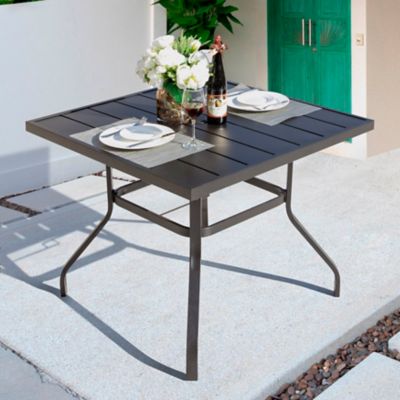
$86
.99
Sale Was $149.99 Save $63.00 (42%)
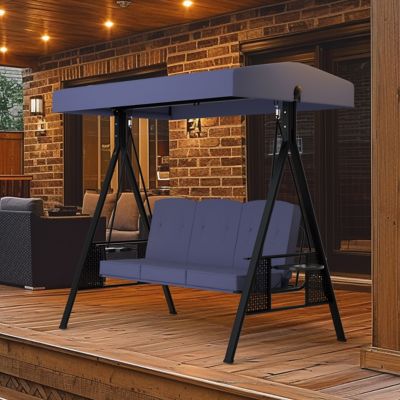
$260
.99
Sale Was $299.99 Save $39.00 (13%)
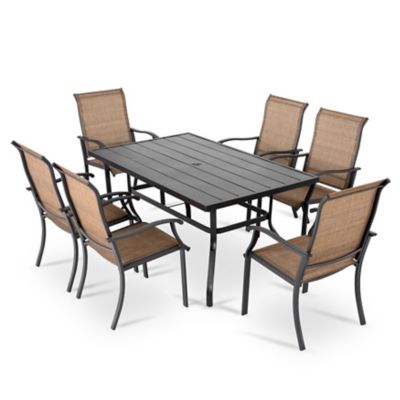
$385
.99
Sale Was $559.99 Save $174.00 (31%)
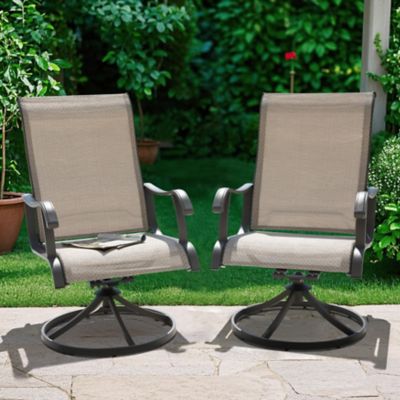
$151
.99
Sale Was $181.99 Save $30.00 (16%)
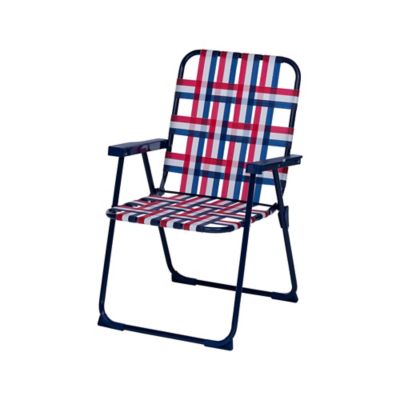
$14
.99
Sale Was $24.99 Save $10.00 (40%)
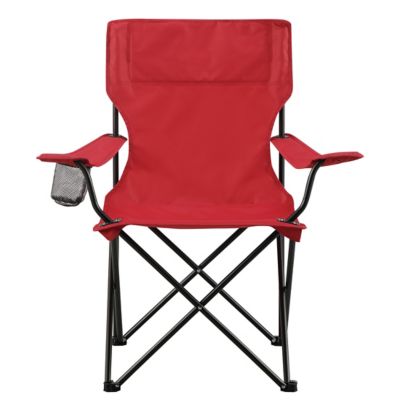
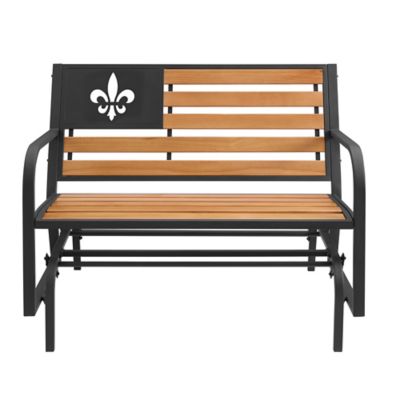
$99
.99
Sale Was $249.99 Save $150.00 (60%)
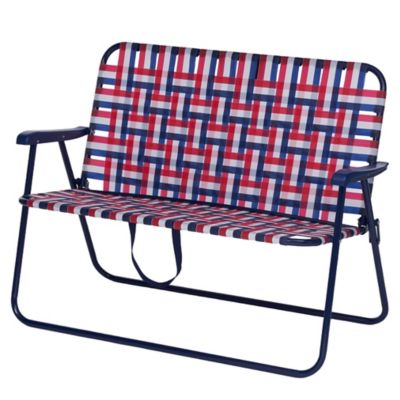
$19
.99
Sale Was $49.99 Save $30.00 (60%)
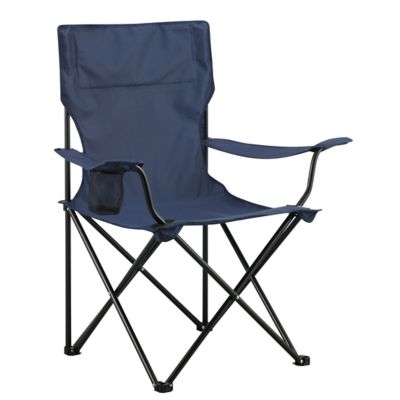
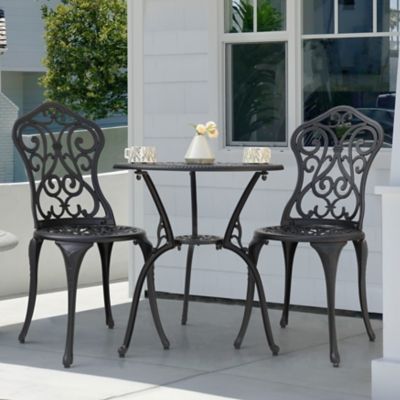
$134
.99
Sale Was $169.99 Save $35.00 (21%)
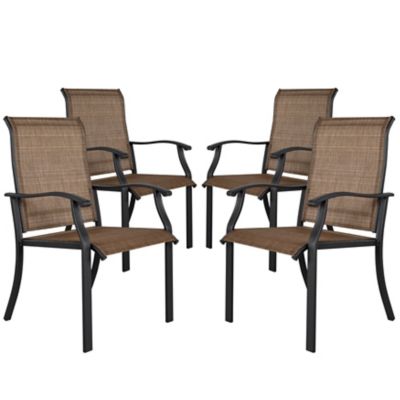
$183
.99
Sale Was $249.99 Save $66.00 (26%)
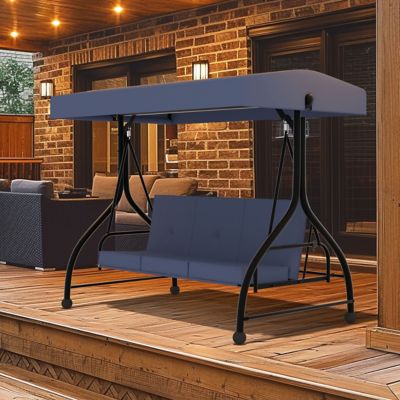
$250
.99
Sale Was $279.99 Save $29.00 (10%)
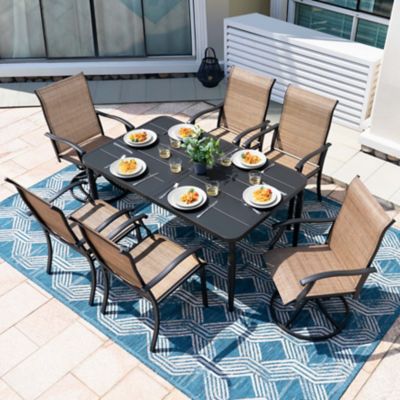
$390
.99
Sale Was $503.99 Save $113.00 (22%)
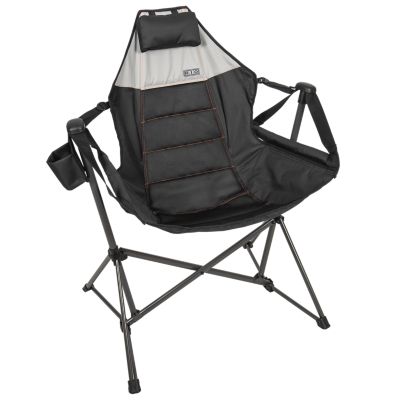
$44
.99
Sale Was $69.99 Save $25.00 (36%)
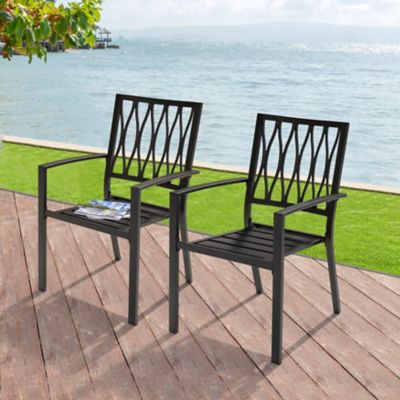
$94
.99
Sale Was $109.99 Save $15.00 (14%)
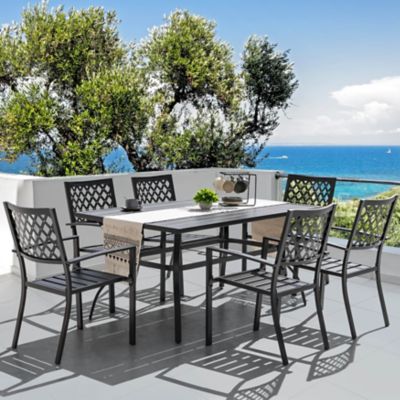
$441
.99
Sale Was $699.99 Save $258.00 (37%)
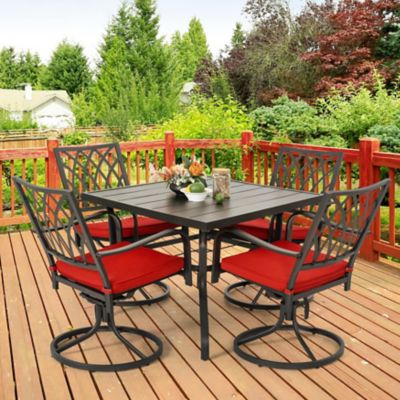
$394
.99
Sale Was $549.99 Save $155.00 (28%)
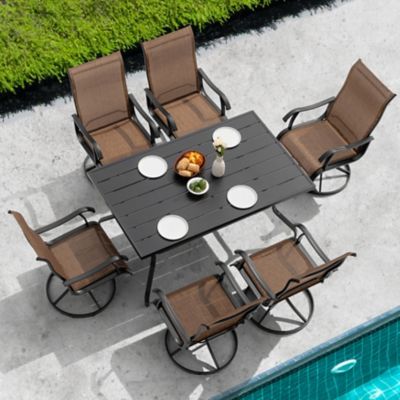
$556
.99
Sale Was $689.99 Save $133.00 (19%)
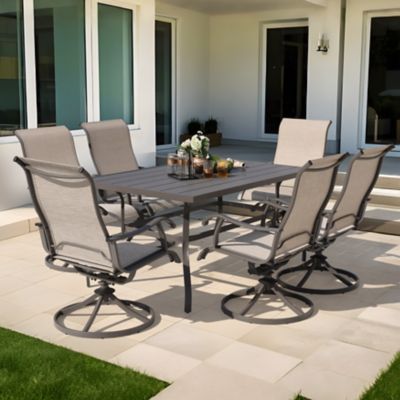
$562
.99
Sale Was $629.99 Save $67.00 (11%)
Best Of FAQ
What types of patio outdoor event seating are best for Fourth of July gatherings?
For Fourth of July gatherings, popular options include folding chairs, stackable chairs, benches, and portable loungers. These seating choices are easy to set up and move around, making them ideal for accommodating guests during outdoor celebrations.
How can I choose comfortable seating for my outdoor event?
Look for patio seating with features like padded cushions, ergonomic designs, and breathable materials. Chairs with armrests and back support can also enhance comfort during longer events.
Are there weather-resistant options available for outdoor event seating?
Yes, many outdoor seating options are made from weather-resistant materials such as powder-coated steel, aluminum, resin wicker, or treated wood. These materials help ensure durability and longevity even when exposed to sun or rain.
What are some tips for arranging patio seating for a holiday event?
Arrange your seating in clusters to encourage conversation and create a welcoming atmosphere. Consider placing chairs around tables or fire pits and leave open pathways for easy movement throughout your space.
Can I find themed or festive seating options for the Fourth of July?
Many patio seating options come in festive colors or patterns that complement holiday themes. You can also add patriotic flair with cushions, throws, or chair covers in red, white, and blue.
Best Sellers
-
"Great quality and price"
-
"Great Chairs we love them"
-
"Absolutely love my double glider"
-
"I love these chairs , very comfortable to sit in"
-
"I love this chair, my family used it all summer long"