Patio Outdoor Comfort Furniture Fourth Of July Sale
Get ready to kick back and celebrate with the Patio Outdoor Comfort Furniture Fourth Of July Sale at Tractor Supply. Whether you're planning a backyard barbecue or just want to soak up some sunshine, now's the perfect time to upgrade your outdoor space. Find deals on comfy patio setups that make relaxing outside even better, all while enjoying those long summer evenings with friends and family. Don’t miss your chance to save and create a spot everyone will love this Fourth of July!
$86
.99
Sale Was $115.99 Save $29.00 (25%)
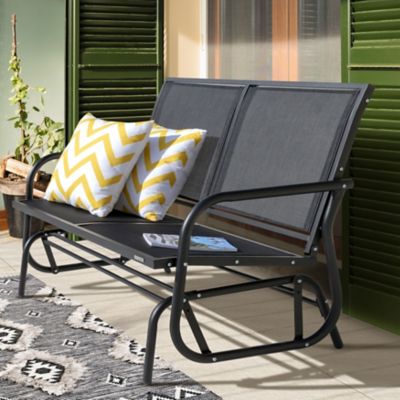
$93
.99
Sale Was $119.99 Save $26.00 (22%)
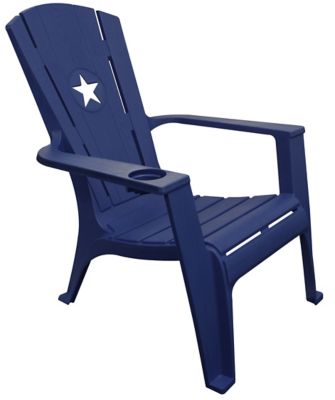
$12
.49
Sale Was $24.99 Save $12.50 (50%)
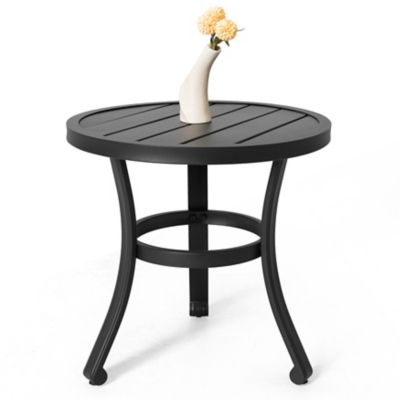
$28
.99
Sale Was $64.99 Save $36.00 (55%)
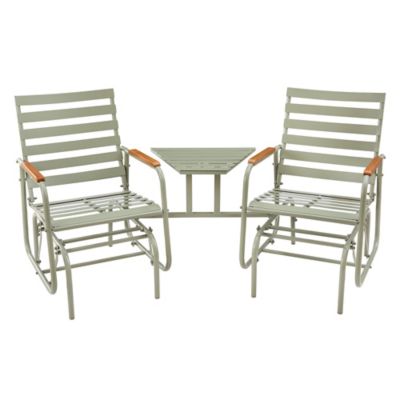
$149
.99
Sale Was $299.99 Save $150.00 (50%)
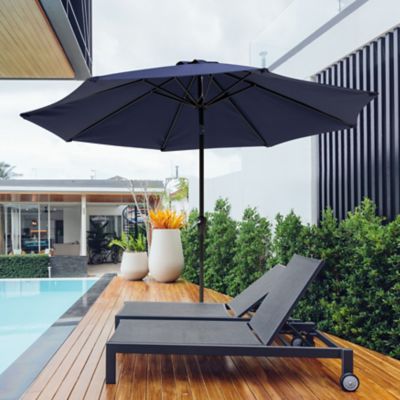
$43
.99
Sale Was $59.99 Save $16.00 (27%)
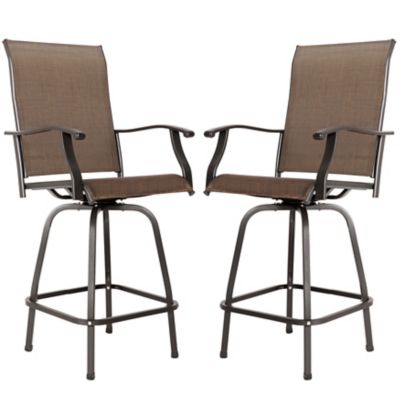
$138
.99
Sale Was $199.99 Save $61.00 (31%)
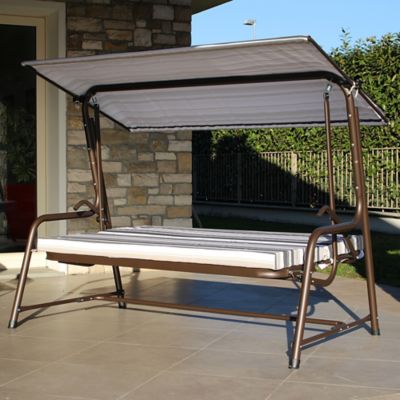
$265
.99
Sale Was $407.99 Save $142.00 (35%)
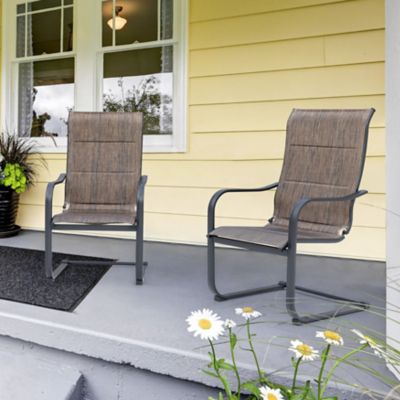
$138
.99
Sale Was $179.99 Save $41.00 (23%)
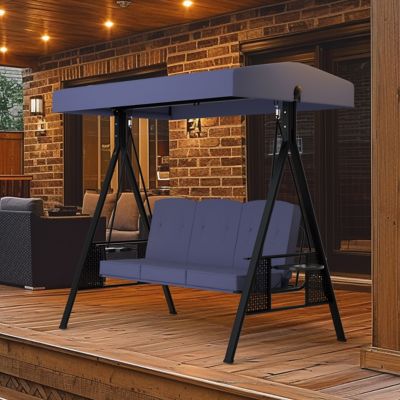
$260
.99
Sale Was $299.99 Save $39.00 (13%)
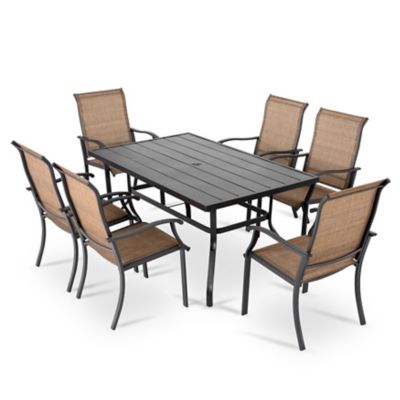
$385
.99
Sale Was $559.99 Save $174.00 (31%)

$19
.99
Sale Was $39.99 Save $20.00 (50%)
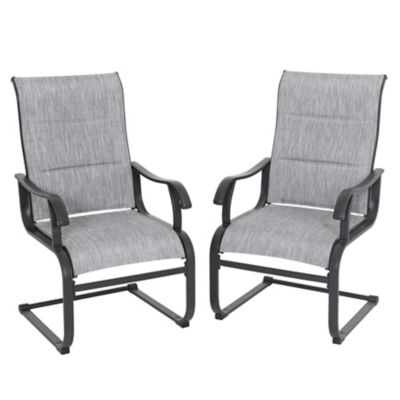
$133
.99
Sale Was $149.99 Save $16.00 (11%)
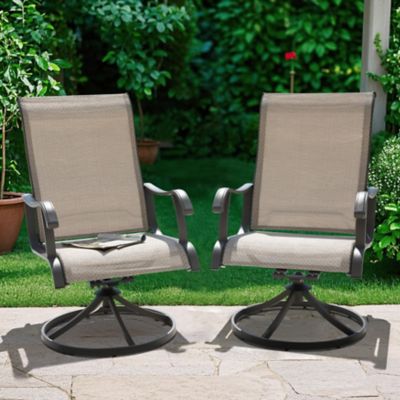
$151
.99
Sale Was $181.99 Save $30.00 (16%)
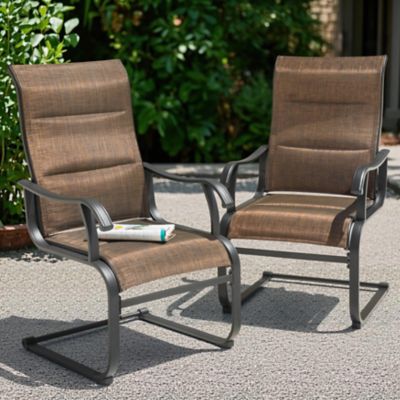
$129
.99
Sale Was $159.99 Save $30.00 (19%)
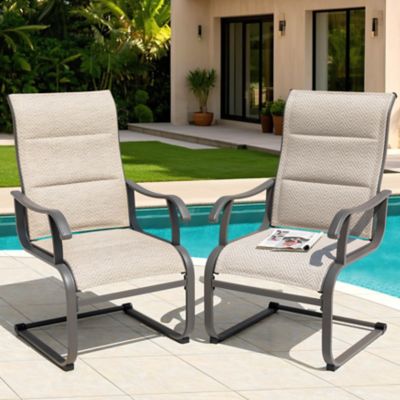
$113
.99
Sale Was $139.99 Save $26.00 (19%)
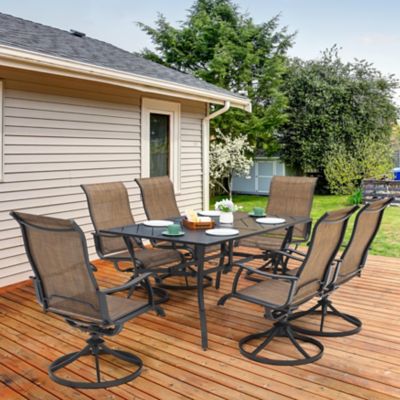
$584
.99
Sale Was $699.99 Save $115.00 (16%)
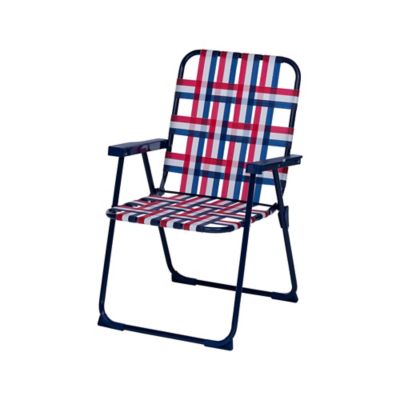
$14
.99
Sale Was $24.99 Save $10.00 (40%)
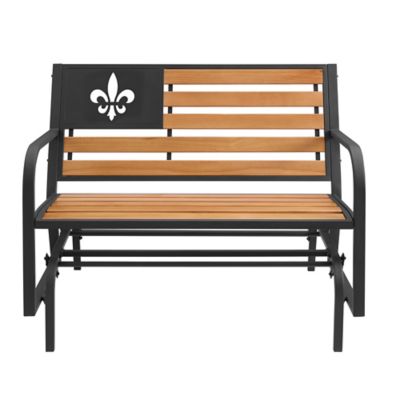
$99
.99
Sale Was $249.99 Save $150.00 (60%)
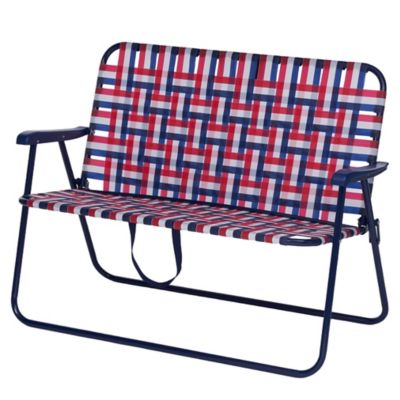
$19
.99
Sale Was $49.99 Save $30.00 (60%)
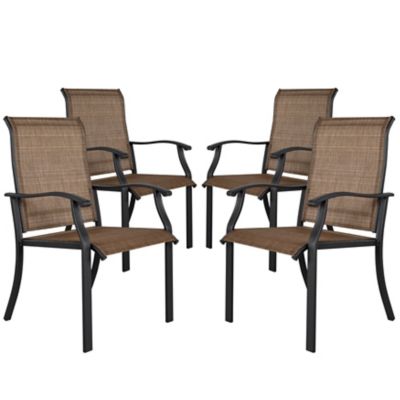
$183
.99
Sale Was $249.99 Save $66.00 (26%)
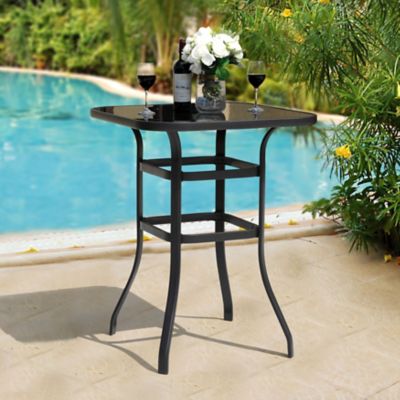
$70
.99
Sale Was $109.99 Save $39.00 (35%)
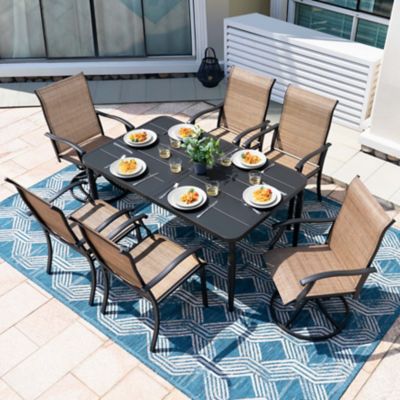
$390
.99
Sale Was $503.99 Save $113.00 (22%)
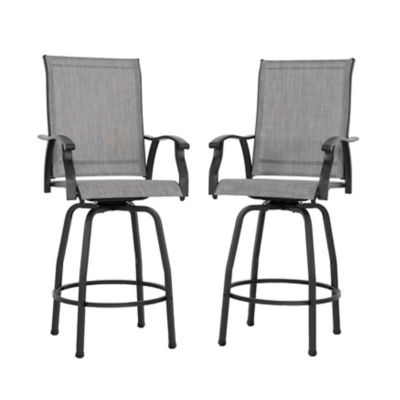
$139
.99
Sale Was $179.99 Save $40.00 (22%)
Best Of FAQ
What types of patio outdoor comfort furniture are popular for Fourth of July gatherings?
Popular patio outdoor comfort furniture for Fourth of July gatherings includes cushioned lounge chairs, outdoor sofas, sectionals, dining sets, hammocks, and Adirondack chairs. These pieces provide comfortable seating and relaxation options for guests during summer celebrations.
How can I care for my outdoor comfort furniture to keep it looking great all summer?
To keep your outdoor comfort furniture looking its best, regularly clean surfaces with mild soap and water, store cushions when not in use, and cover furniture during inclement weather. For wood or metal pieces, occasional treatments with appropriate protectants can help maintain their appearance.
What materials are common in patio outdoor comfort furniture?
Common materials include weather-resistant wicker, powder-coated steel or aluminum, teak or acacia wood, and fabrics like polyester or olefin for cushions. These materials are selected for their ability to withstand outdoor conditions while providing comfort.
How can I create a festive atmosphere with my patio furniture for the Fourth of July?
Enhance your patio's festive atmosphere by adding red, white, and blue throw pillows or blankets to your furniture. Incorporate patriotic-themed tableware and string lights around seating areas to create a welcoming space for guests.
Are there ways to increase the comfort of my existing patio furniture for holiday events?
Yes! You can add extra seat cushions or throw pillows, use outdoor rugs underfoot, and provide shade with umbrellas or canopies. These additions make your patio more inviting and comfortable for extended gatherings like Fourth of July celebrations.
Best Sellers
-
"Great quality and price"
-
"Great Chairs we love them"
-
"The chairs are super comfy and I love the gentle rocking motion. The fabric is super cute too"
-
"Great quality special here in Philadelphia that rain and snow in winter time"
-
"I love this glider! Well made,great value,very comfortable"