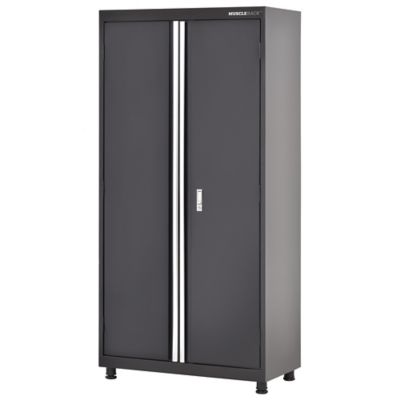
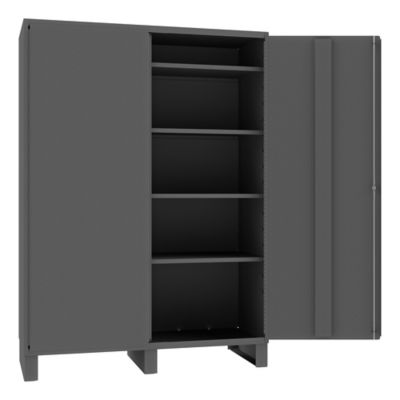
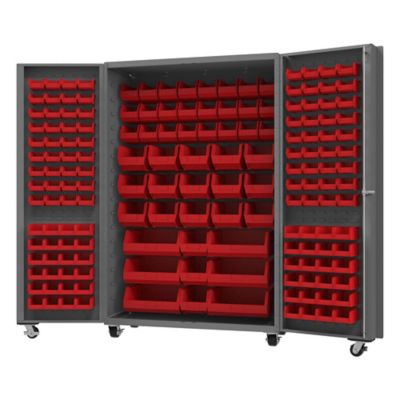
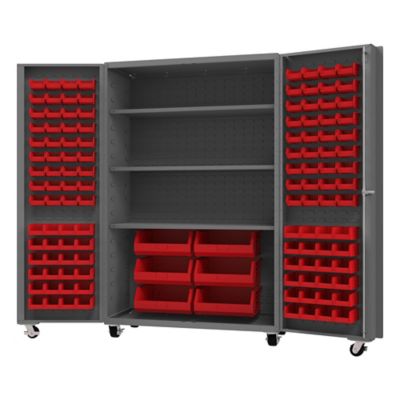
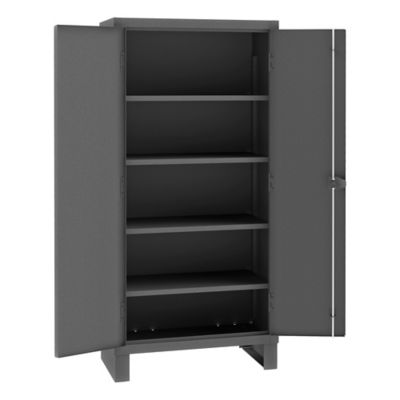
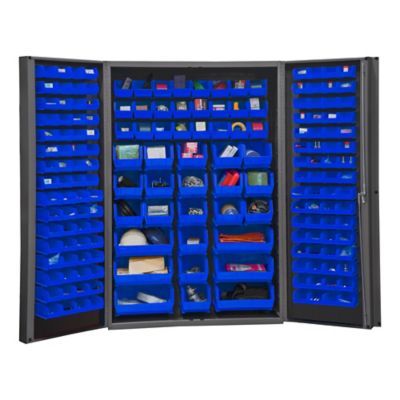
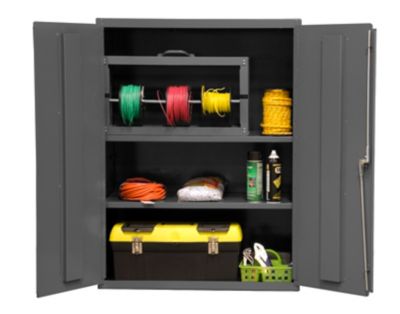
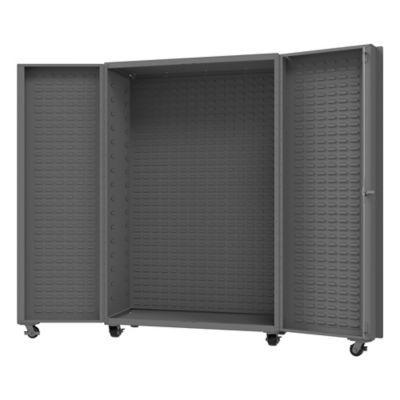
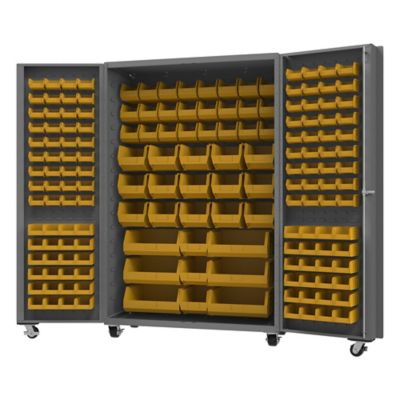
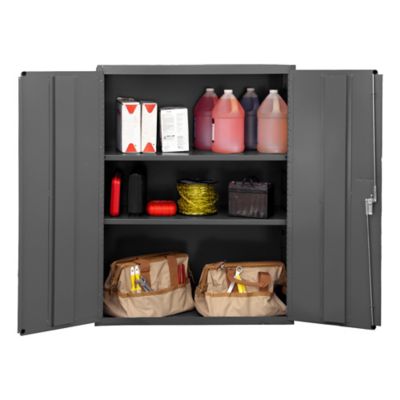
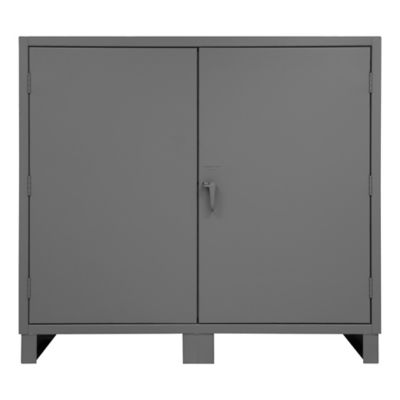
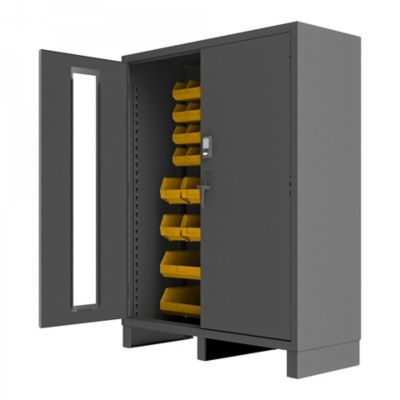
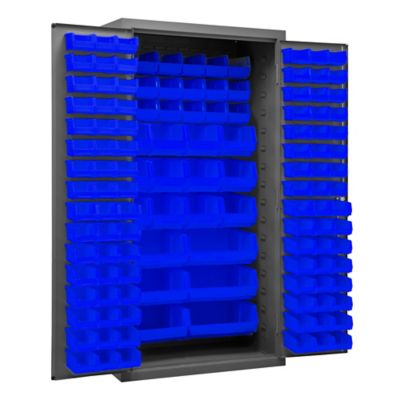
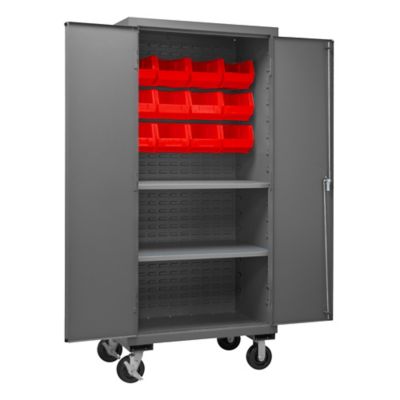
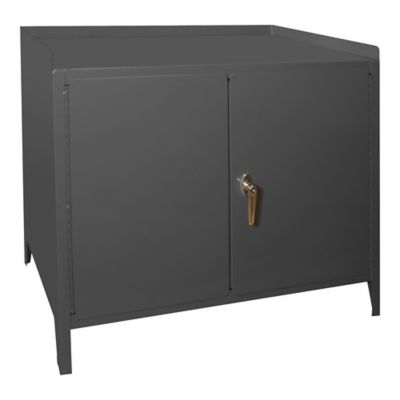
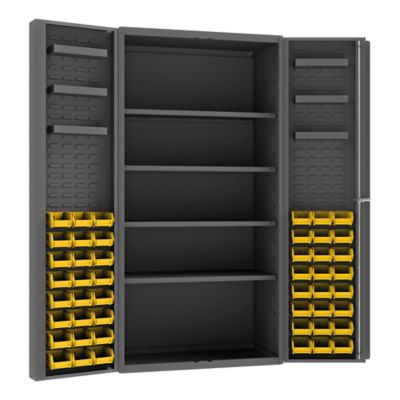
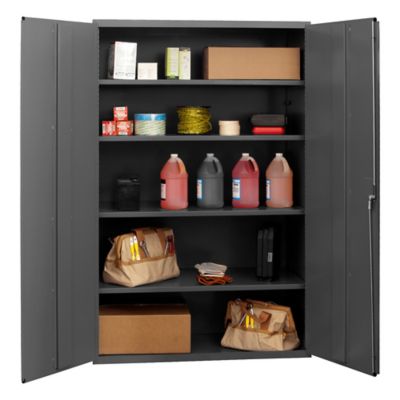
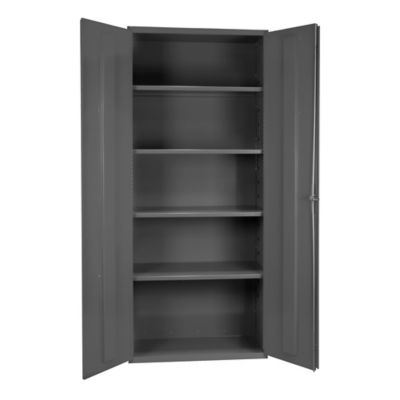
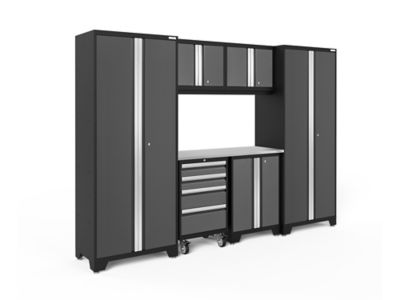
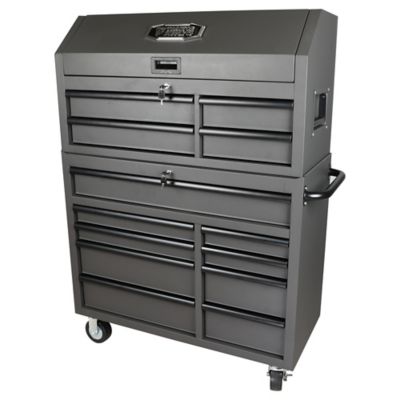
Secure storage cabinets combine enclosed storage with lockable doors to help keep tools, equipment, paperwork, and other belongings organized while limiting access. They make sense anywhere an open shelf leaves too much within easy reach, from a farm shop or garage to a maintenance room or small business office. Having a place to put things away can also cut down on the morning hunt for a charger, spare part, or equipment manual. The right cabinet starts with what needs to go inside and who needs to reach it. Tall compartments suit longer equipment, while a bank of adjustable shelves gives smaller supplies and bins a place of their own. For a shop that handles tractor repairs, fence work, and everyday upkeep, separate shelf sections can keep parts for different jobs from getting mixed together. Steel is a common material for locking cabinets because it provides a rigid enclosure and stands up to everyday knocks. Metal thickness, frame construction, door reinforcement, and hinge design all contribute to how a cabinet holds up over time; thickness alone does not establish its resistance to forced entry. Welded construction can provide a sturdy frame, while cabinets that require assembly depend on properly fitted panels and tightened connections. Powder-coated finishes help protect the underlying steel, though scratches and worn edges still need attention. For a closer look at this material category,
Steel Storage Cabinets offer a useful starting point when comparing cabinet layouts and construction. Other materials, including resin and wood-based panels, serve different storage needs, but their strength, fastener support, and care requirements differ from steel. Cabinet weight also deserves a look, especially when the installation involves stairs, a raised floor, or a tight doorway. A farm owner securing service records may need a different setup than a mechanic putting away power tools, even when both want the same basic benefit: an orderly space with a door that locks.
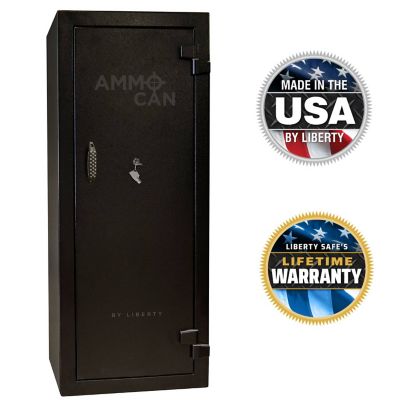
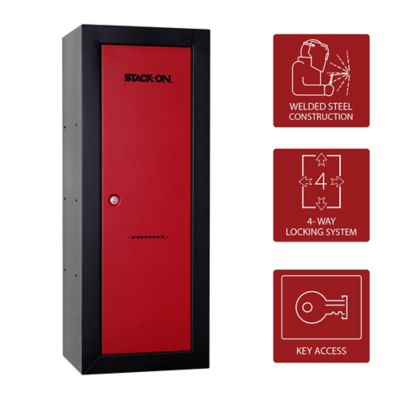
The locking system determines how access works day to day, but the whole cabinet needs to support it. A keyed lock keeps operation straightforward, particularly when only one or two people need entry. In a shared workspace, keeping track of spare keys matters just as much as having the lock itself. Where fitted, a digital keypad allows access by code, with battery replacement and code management becoming part of routine upkeep. A physical key override can provide another way in if the electronic system loses power, so that key needs a separate, secure home. A three-point locking mechanism typically engages the door at the top, bottom, and side or center, helping hold it closed at several locations rather than at one latch. Actual performance still depends on the door, frame, hardware, and installation. Reinforced door edges and protected hinges can add resistance to prying, but an ordinary locking storage cabinet is not automatically a burglary-rated safe. Likewise, a metal enclosure does not establish fire protection or water protection; those claims require specific ratings or documentation. That distinction matters when storing irreplaceable records or especially valuable equipment. Secure storage works best when its protection matches the contents and the setting. A cabinet in a locked workshop serves a different purpose than one in a room with frequent visitor access. For households with children, a locking door can help restrict access, but keys and codes must stay out of reach, and the cabinet must suit the materials inside. Flammable liquids, certain chemicals, firearms, and ammunition call for storage designed for those contents and applicable safety requirements, not a general-purpose cabinet chosen simply because it has a lock. For ordinary shop supplies, the practical goal is simpler: keep belongings out of casual reach without making every repair job a chore. Doors that close squarely, a latch that engages smoothly, and clear responsibility for locking up make that routine easier to maintain.
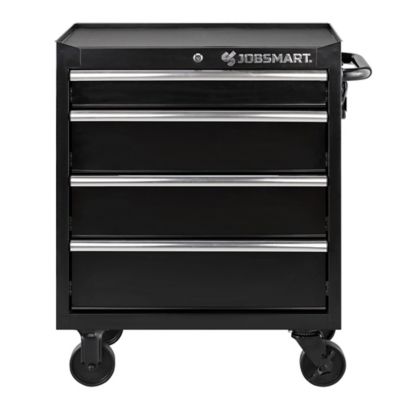
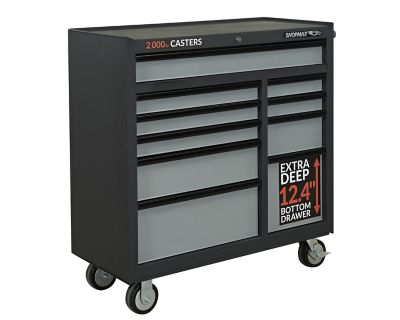
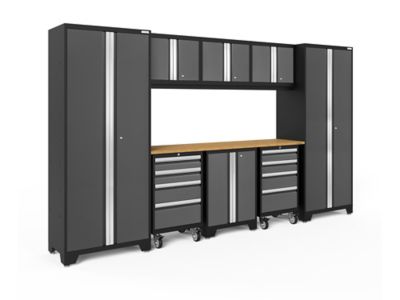
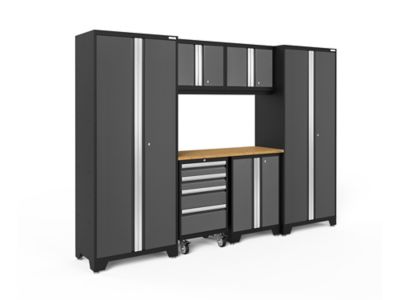
Cabinet fit includes more than the height and width listed on a specification sheet. Exterior depth determines how far the cabinet projects into an aisle, while usable interior depth determines whether a tool case fits without pressing against the door. Door swing needs room too, especially beside a workbench, parked equipment, or another storage unit. Adjustable shelves help accommodate changing needs, but their spacing, support brackets, and load limits deserve close attention. A shelf rating generally applies under the conditions stated by the manufacturer, often with weight spread evenly across the surface; a heavy motor part concentrated in one spot creates a different load. The cabinet’s total capacity may also differ from the sum of its individual shelf ratings. Keeping heavier contents low makes lifting easier and helps reduce top-heaviness. Wall anchoring, when required or recommended, must follow the manufacturer’s directions with fasteners appropriate for the wall structure. An anchor kit is not a substitute for a level floor or sensible loading. Stationary cabinets suit storage that stays in one place, while rolling designs can bring supplies closer to a work area. Casters need to support the intended load, and wheel locks help keep a mobile cabinet from shifting during access. Thresholds, uneven concrete, and narrow turns can make movement harder than it looks on paper. Everyday care is mostly a matter of keeping shelf surfaces clean, wiping spills promptly, and checking hinges, locks, shelf supports, and assembly hardware for looseness or wear. Cleaning methods should match the finish, and lock maintenance should follow the hardware maker’s recommendations. Repeatedly forcing a door shut against an oversized case can strain hinges and keep the lock from seating correctly. Leaving a little breathing room around stored gear helps prevent that problem and makes belongings easier to retrieve. Whether the cabinet serves a busy farm shop, a home garage, or an office tucked beside the work area, a sensible layout and well-matched security features help keep the space ready for the next job.