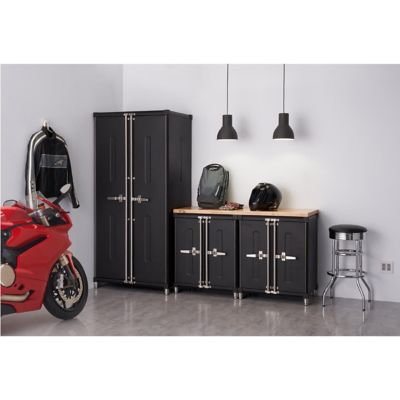
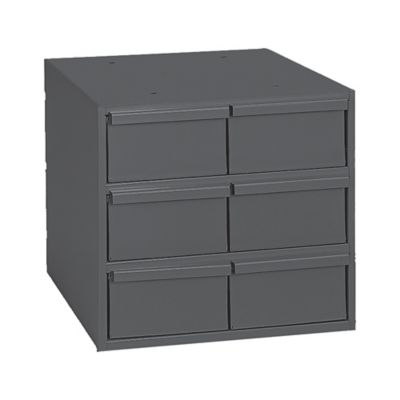
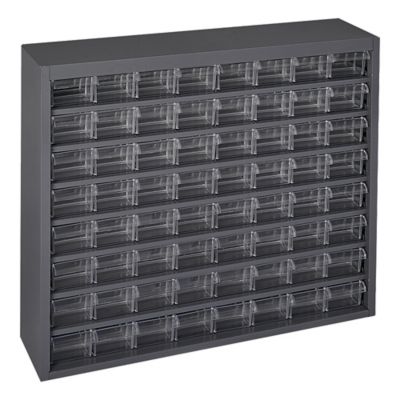
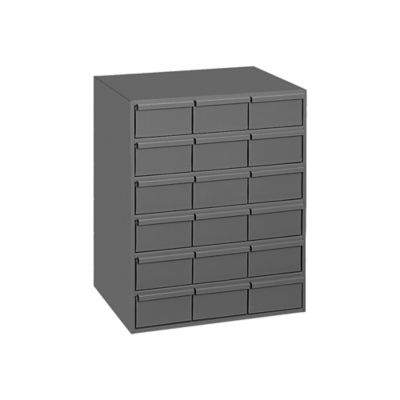
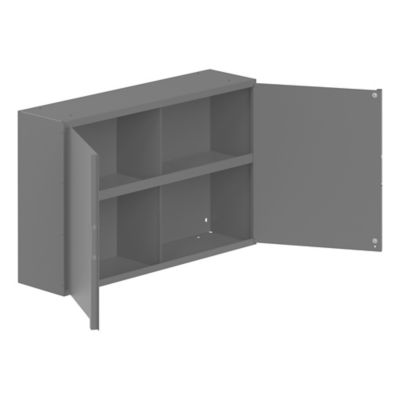
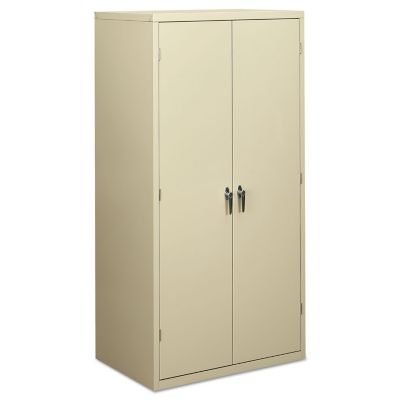
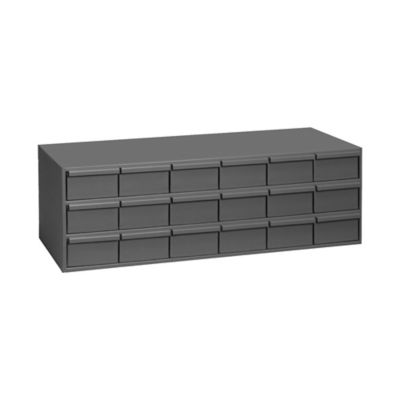
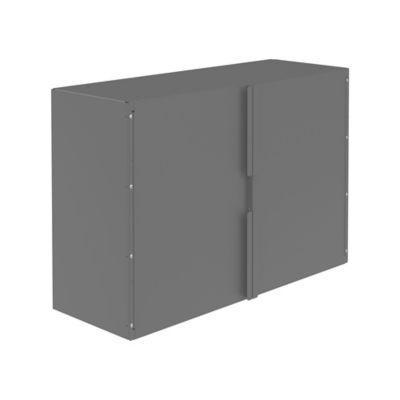
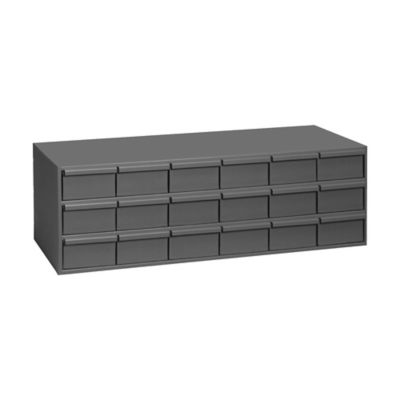
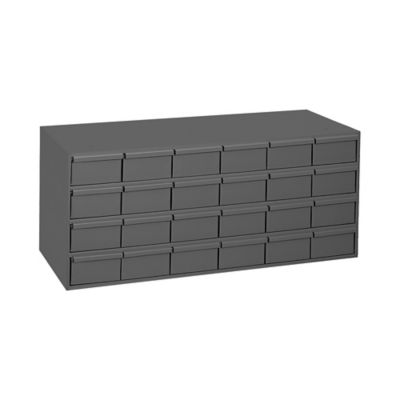
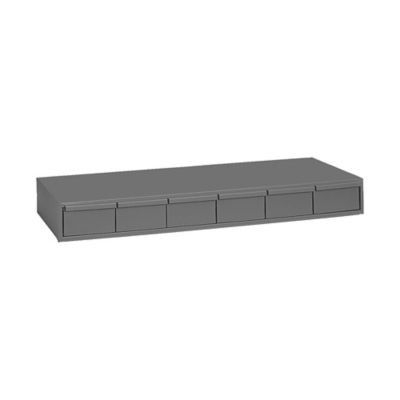
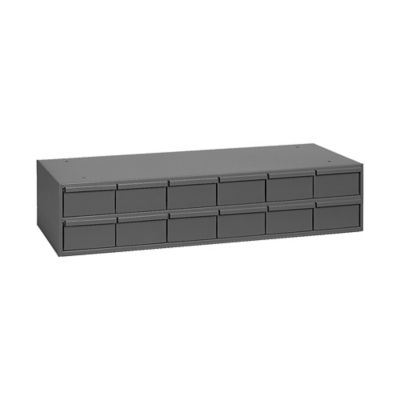
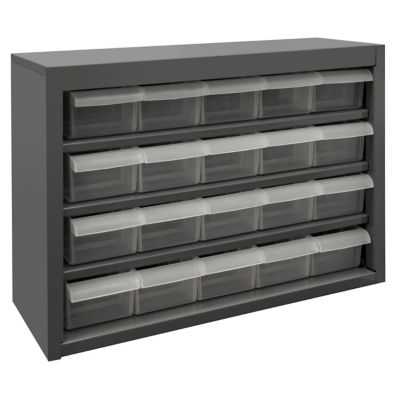
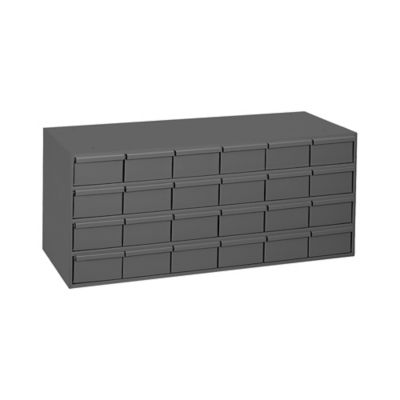
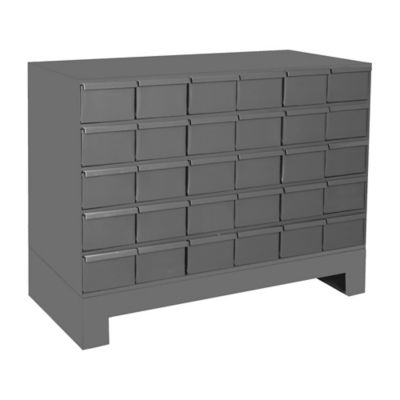
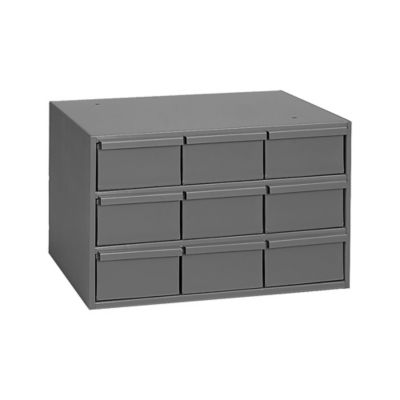
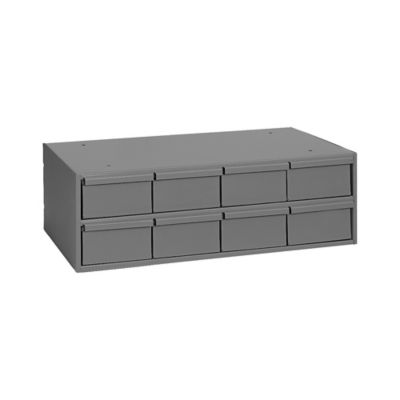
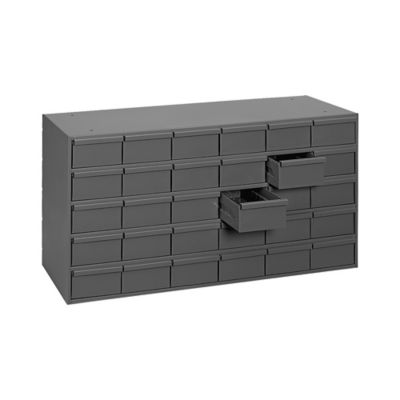
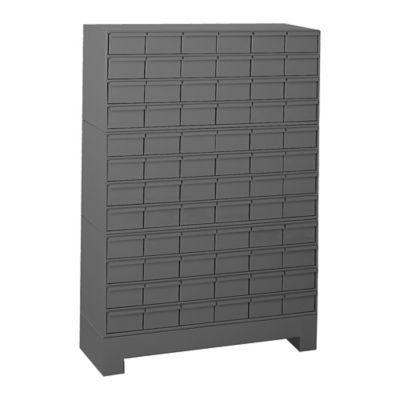
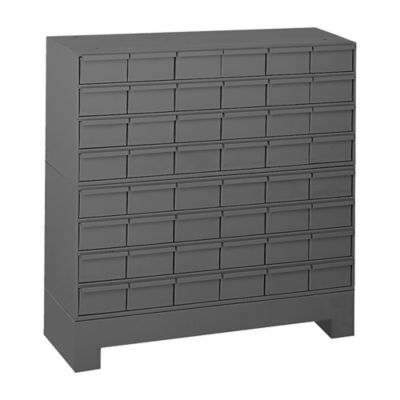
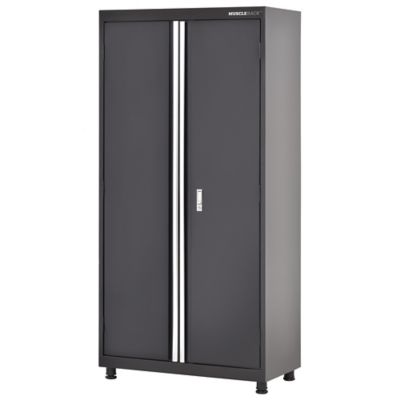
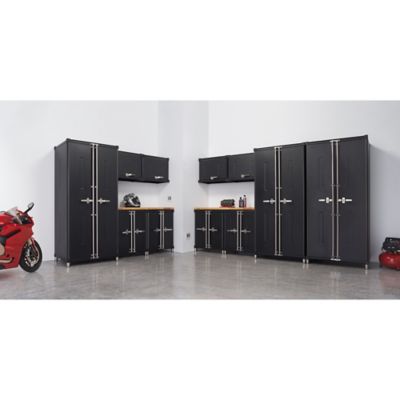
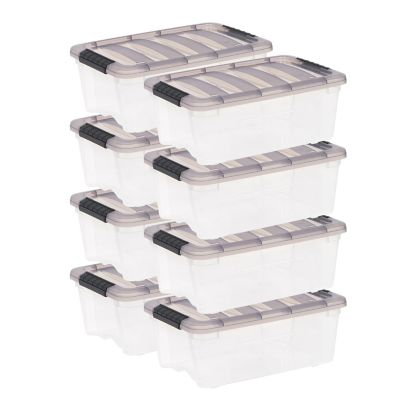
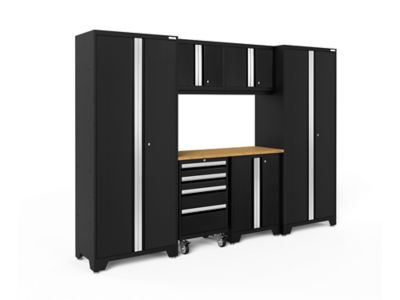
Steel storage cabinets bring order to the places where work really happens: the barn, garage, shop, mudroom, utility room or back corner of a shed. With sturdy steel construction and a layout made for putting tools and supplies in their proper place, these cabinets help keep busy areas safer, cleaner and easier to work in. Loose hardware, fasteners, hand tools, shop rags, spray bottles and other everyday items have a way of spreading across a workbench until there is hardly room left to make a repair. A well-placed cabinet gives those things a home while helping protect them from dust, dirt, bumps and the occasional curious hand. Steel is a practical choice for hardworking spaces because it stands up well to regular use and is easy to wipe clean after a long day of projects. Look for a cabinet size that fits the room without crowding walkways, doors or equipment, and measure the available height, width and depth before ordering. It is also smart to account for door swing and enough clearance to open drawers or reach shelves comfortably. In a low-ceilinged outbuilding, a shorter cabinet may be the better fit, while a tall unit can make good use of vertical space in a garage or shop. Adjustable shelves are helpful when storage needs change from one season to the next, giving you room for taller containers, boxes of parts or smaller bins. Shelves with a solid weight rating are especially useful for dense items such as fasteners, sockets, chains and maintenance supplies. If a cabinet will hold heavy loads, place the weight low and follow the manufacturer’s guidance for assembly, leveling and anchoring. A level cabinet is easier to open, more stable on the floor and less likely to become a hazard when loaded.
The best steel storage cabinet depends on what you need to store and how often you need to reach it. A cabinet in the garage may be used for automotive tools, extension cords, work gloves and seasonal equipment, while one in a barn or farm shop may hold fencing supplies, measuring tools, twine, repair parts and other essentials that need to stay close at hand. In a mudroom, a smaller cabinet can help corral boots, pet care supplies, hats and outdoor gear before they make their way through the house. For a home workshop, consider a combination of shelves and drawers so everyday tools can be separated from larger materials. Shelves make sense for labeled containers and boxed supplies, while drawers keep small pieces from rolling together in one big pile. Doors that close securely can help keep contents out of sight and reduce the temptation to leave valuable tools on an open bench. For added peace of mind, especially in a shared workspace, a locking design may be worth considering. Explore
Secure Storage Cabinets when keeping tools, records or other valuable items behind a closed door is part of the plan. Ventilation, corrosion resistance and finish are also worth a closer look when a cabinet will live in a damp barn, unheated shed or area exposed to changing temperatures. Steel storage cabinets are not a substitute for careful storage of flammable materials, chemicals or other regulated items, so always follow the label directions and local safety guidance. Keep liquids upright, avoid overloading shelves and store sharp tools so handles and edges are not sticking into open space. A simple label on each shelf or drawer can save plenty of time later, especially when several people share the shop or when a quick repair is needed before chores can continue.
These cabinets can be a thoughtful choice for someone who enjoys fixing equipment, building projects or keeping a homestead running smoothly. A new homeowner may use one to bring order to an unfinished garage, while a parent, grandparent or longtime tinkerer may appreciate a durable place for the tools collected over years. They also make practical gifts for a farmer, mechanic, woodworker, gardener or do-it-yourselfer who has more supplies than storage space. The most useful gift is one that matches the recipient’s working style, so consider whether they prefer open shelves, enclosed doors, drawers or a mix of storage options. During the warmer part of the year, a cabinet can help organize garden tools, outdoor maintenance supplies and project materials that tend to gather near the porch or shed. As the weather turns cooler, it provides a handy place to gather snow equipment, heating supplies, work gloves and repair items before they are needed. In any season, keeping frequently used items between waist and shoulder height makes them easier to reach, while heavier materials belong on lower shelves and rarely used goods can go higher up. Leave a little room for future needs instead of filling every shelf on the first day; workshops have a way of collecting one more box of parts, one more set of tools and one more project. With thoughtful placement and a bit of labeling, steel storage cabinets can turn a cluttered work area into a dependable station where you can find what you need, get the job done and put everything away when the work is finished.