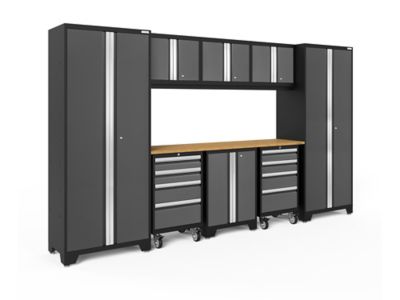
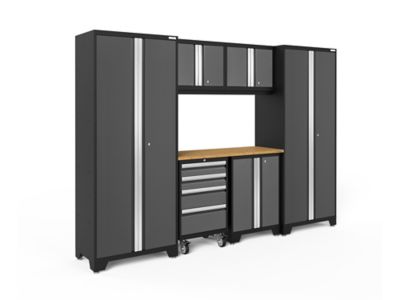
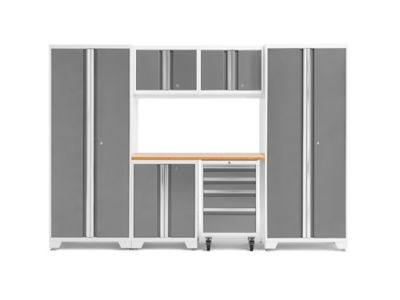
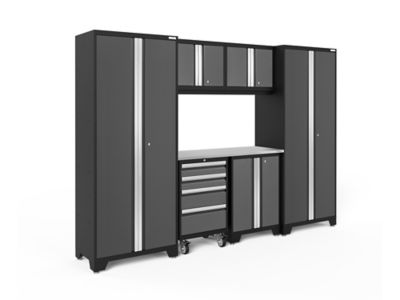
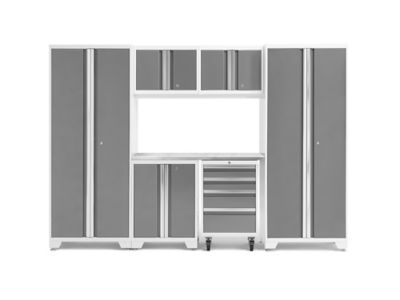
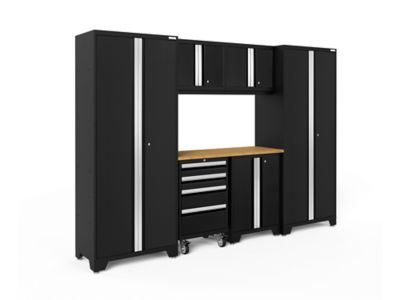
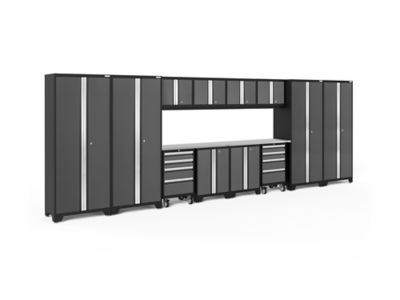
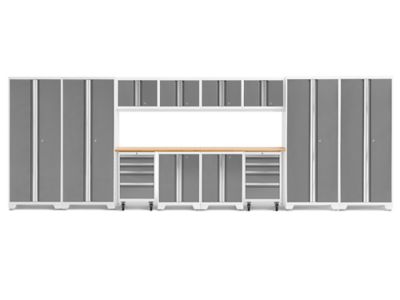
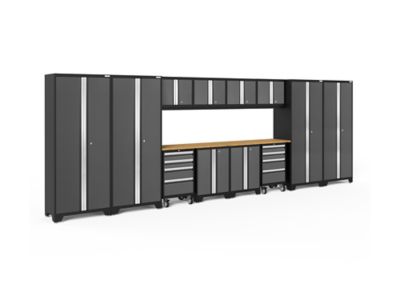
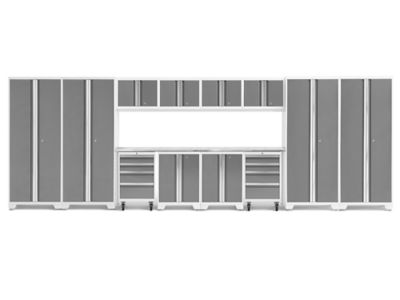
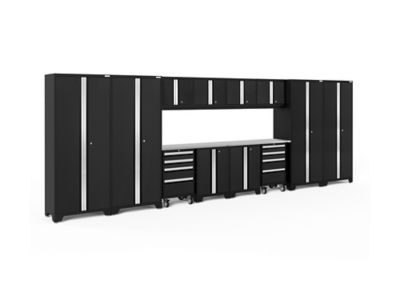
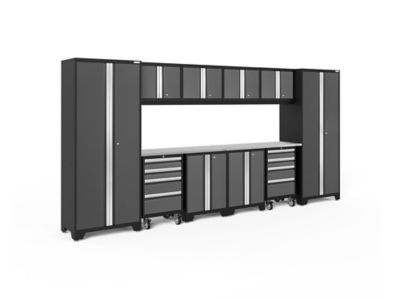
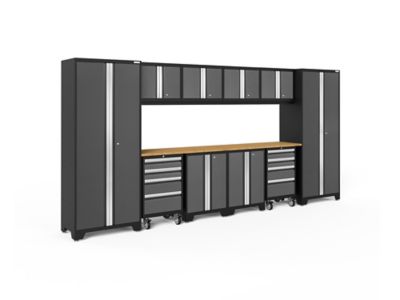
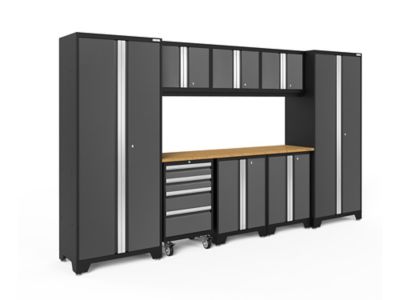
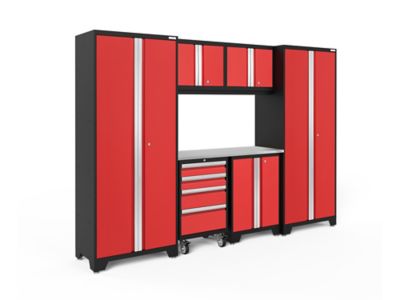
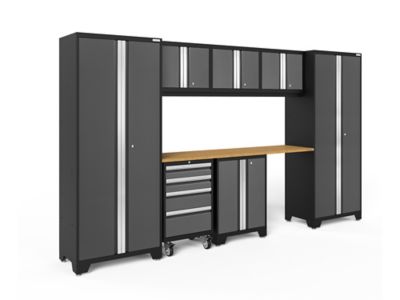
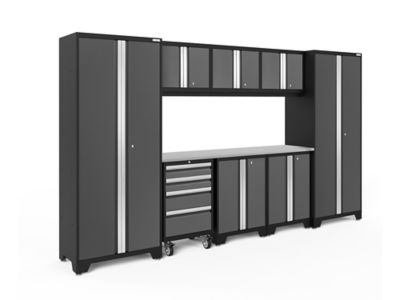
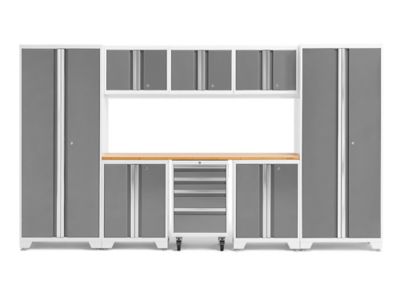
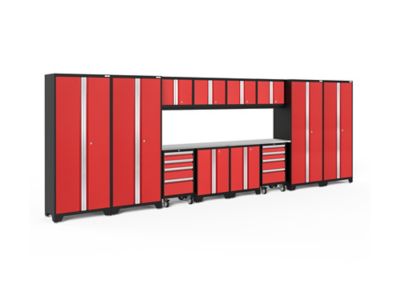
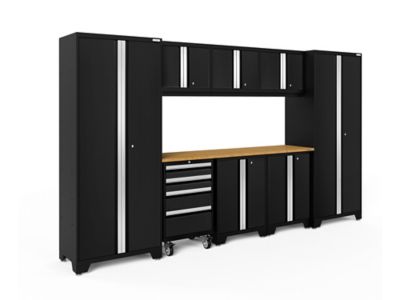
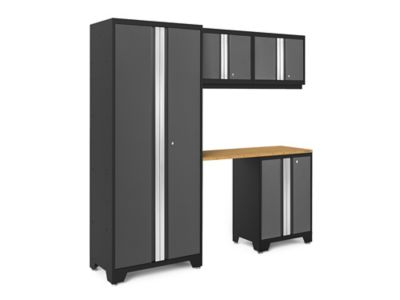
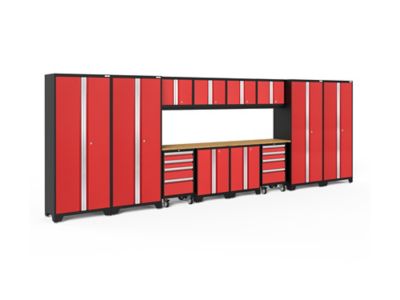
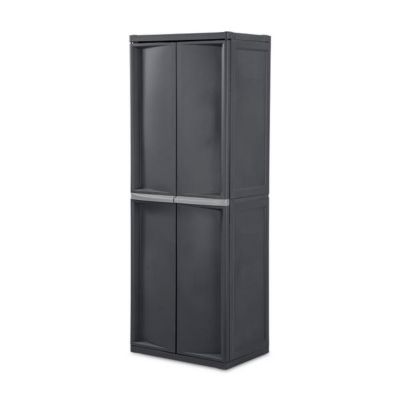
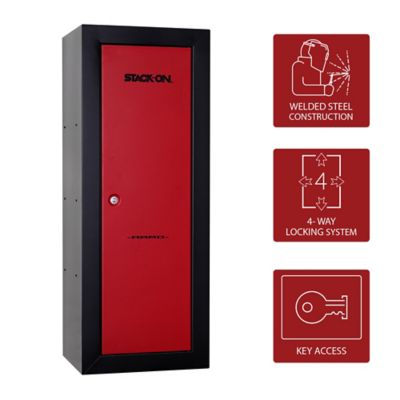
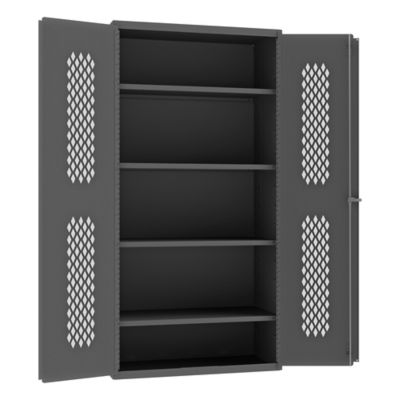
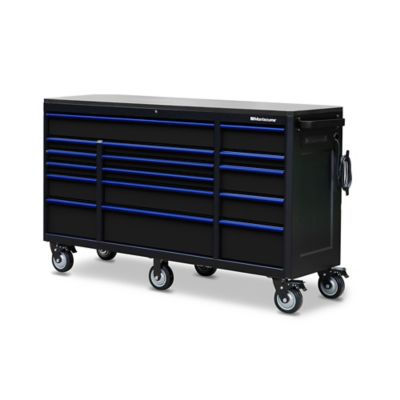
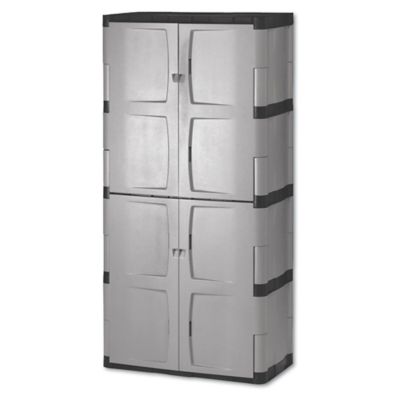
Garage storage cabinets give tools, hardware, and shop supplies an enclosed place to land, helping keep the workbench open and the floor clear for parking, repairs, and everyday chores. Behind closed doors, extension cords stay separate from socket sets, small parts have a home, and gear does not have to compete with every project on the bench. The main cabinet styles include freestanding cabinets, wall-mounted cabinets, base cabinets, and coordinated cabinet systems. Freestanding designs sit on the floor and work well along an open wall, while tall cabinets offer room for longer tools and larger equipment. Wall-mounted cabinets leave the area below open for a bench or other storage, provided the wall structure and mounting hardware can support the loaded cabinet. Base cabinets place storage beneath a work surface, making them a practical fit for a garage that doubles as a repair shop. Multi-piece systems combine several cabinet styles into a connected layout, often with a shared worktop for sorting parts or setting down tools between tasks. Rolling cabinets bring storage closer to the job, with locking casters helping hold the cabinet in position when stationary. Inside, adjustable shelves make it easier to fit cases, containers, and equipment of different heights, while drawers help separate smaller tools that tend to disappear at the back of a deep shelf. A full-height compartment may suit long-handled gear better than several closely spaced shelves. Door style matters, too: wide-opening doors make larger cases easier to reach, but need room to swing without hitting a parked truck or blocking a walkway. Locks can help control access to tools and supplies, though a locking door is only one part of safe storage. For anyone who handles vehicle maintenance, fence repairs, or regular work around the property, the right cabinet arrangement makes the garage feel less like a catchall and more like a place ready for the next job. It also gives shared spaces clearer boundaries, so a tool can go back to the same spot no matter who finishes the task.
Materials affect how garage cabinets handle weight, spills, cleaning, and the bumps that come with a working space. Steel cabinets are a common match for mechanical tools and heavier shop gear, but the metal thickness, cabinet construction, shelf supports, and stated load ratings all matter more than appearance alone. A thicker steel panel generally resists bending better than a thinner panel of the same material and design, though thickness by itself does not establish the cabinet’s weight capacity. Reinforced shelves and well-supported hinges are worth attention when storage involves dense loads such as hand tools or metal parts. Powder-coated finishes provide a protective surface, while scratches that expose bare steel deserve attention according to the manufacturer’s care directions. Resin and plastic cabinets resist rust and can be easier to move before loading, making them useful for lighter supplies and general garage organization. Their shelf capacities still need to match the load; a large interior does not necessarily mean a cabinet can carry heavy equipment. Wood and engineered-wood cabinets bring another option, especially where storage shares space with a workbench. Surface coverings, sealed edges, and protection from standing water matter with these materials, since spills can affect exposed edges and joints. Worktops may be wood, bamboo, metal, or another surface, with different care needs and resistance to scratches or liquids. Any worktop also has its own load limit and intended purpose. Shelf capacity, drawer capacity, worktop capacity, and total cabinet capacity are separate ratings, and the lowest relevant limit governs the load in that area. Evenly distributed weight is different from one concentrated load in the middle of a shelf. Heavy gear belongs low in the cabinet when the design allows, with lighter supplies higher up. Routine care usually means removing dust and grit, wiping spills promptly, and checking hinges, fasteners, shelf supports, and casters as directed. Ordinary garage cabinets are not substitutes for storage specifically designed and rated for flammable materials.
A cabinet’s fit involves more than the width of an empty wall. Overall height, depth, door clearance, drawer extension, and space for walking all shape how comfortable the garage feels once everything is in place. A deep cabinet may hold plenty but crowd the space beside a vehicle, while a shallower cabinet can keep frequently reached tools visible without a long reach to the back. Garage door tracks, outlets, switches, utility equipment, and access panels also affect placement. Wall-mounted cabinets need a suitable mounting surface and fasteners matched to both the wall construction and the loaded cabinet, following the manufacturer’s requirements. Tall freestanding cabinets may require anchoring to help prevent tipping, and leveling provisions can help doors line up on a floor that is not perfectly even. Assembly requirements deserve a look as well, including whether the cabinet arrives assembled, whether handles or shelves need installation, and whether positioning or mounting calls for another person. Once the cabinet fits the space, its interior can fit the work. A cabinet near the bench can hold the tools that come out for small engine repairs, while another section can keep fasteners and spare parts sorted in labeled containers. Frequently reached gear works best at a comfortable height, with less-often-needed supplies farther out of the way. Clear labels and consistent storage spots are especially helpful in a garage shared by family members or several people working on the same property. Enclosed storage also keeps the view calmer when the garage serves as both a parking area and a workshop, without requiring every tool to hang in plain sight. Cabinets fit naturally alongside the broader organization options covered in
Garage Storage Solutions. Whether the space supports weekend repairs or daily chores, a practical cabinet layout leaves room to work, makes supplies easier to find, and gives everything a sensible place when the job is done.