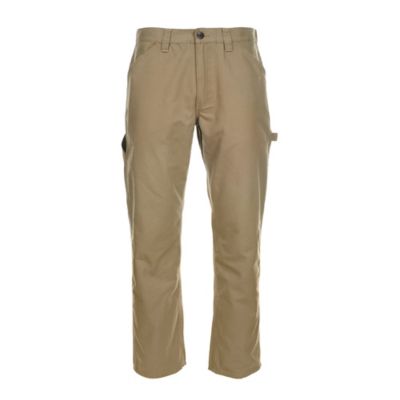
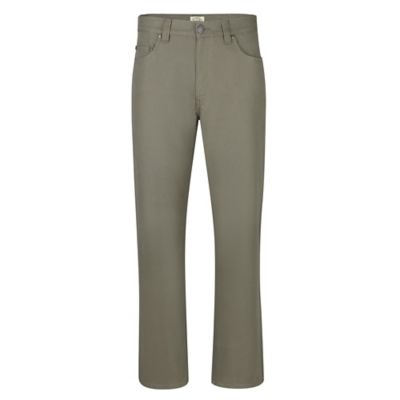
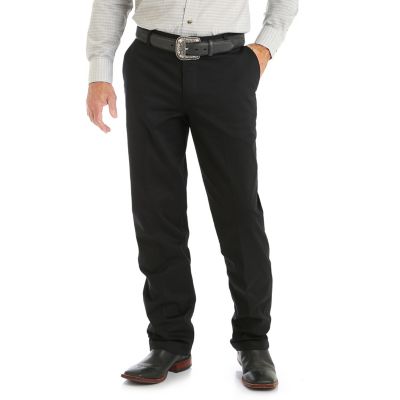
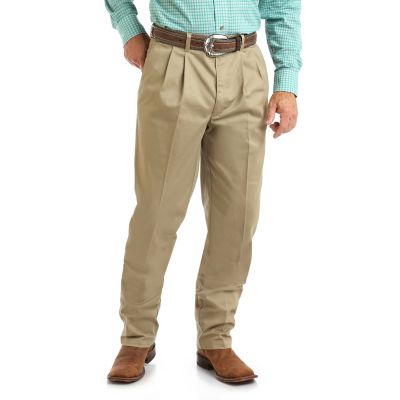
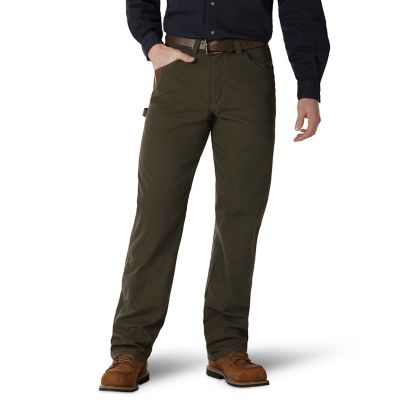
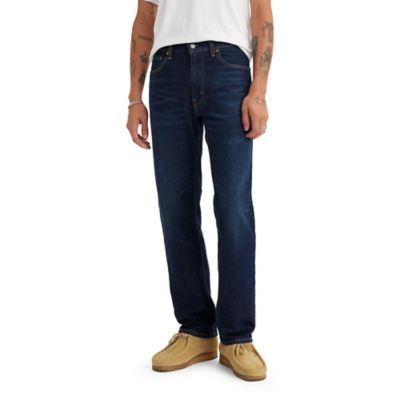
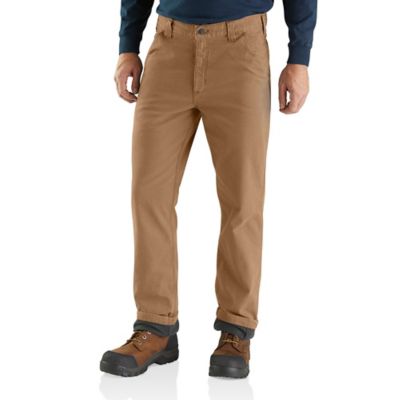
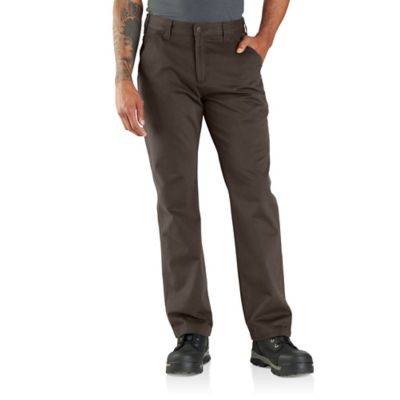
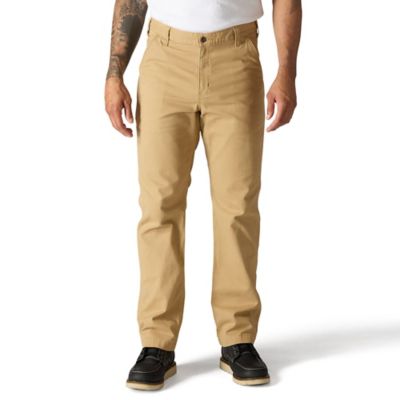
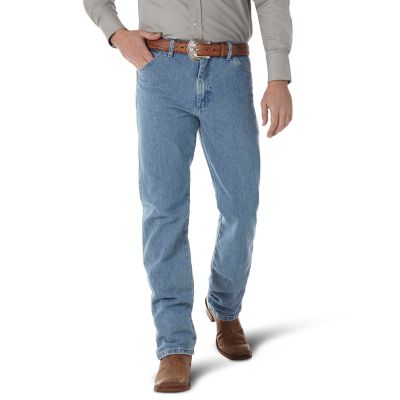
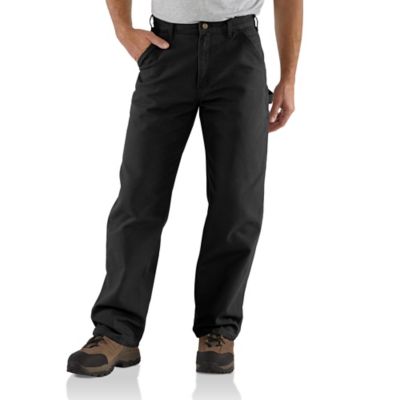
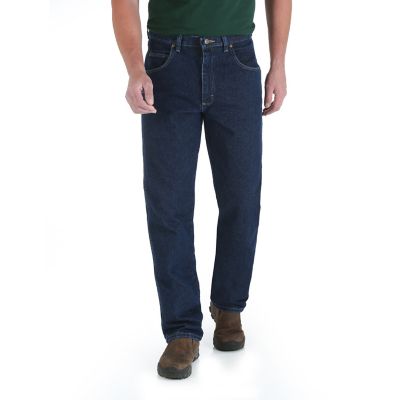
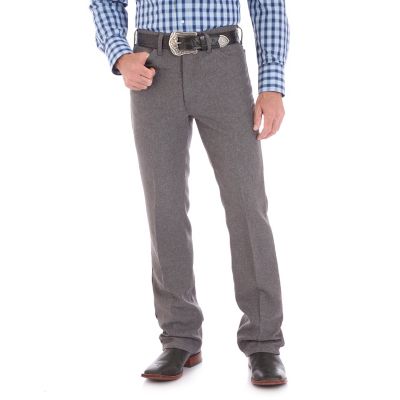
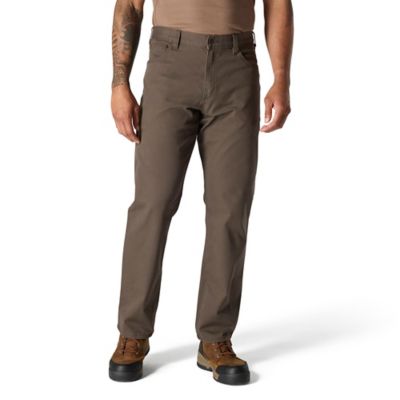
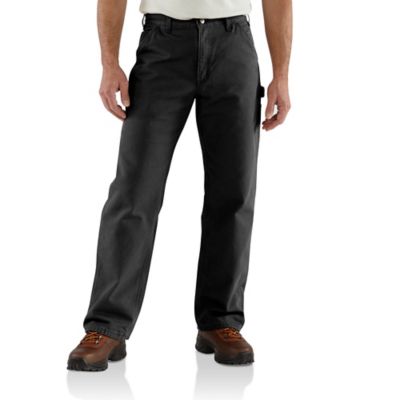
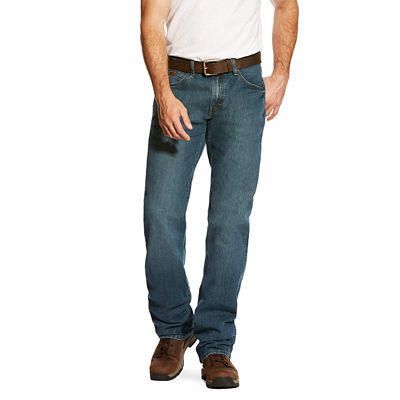
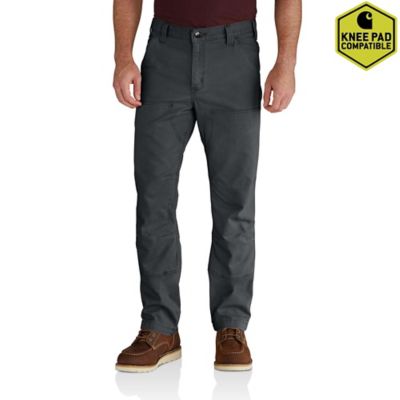
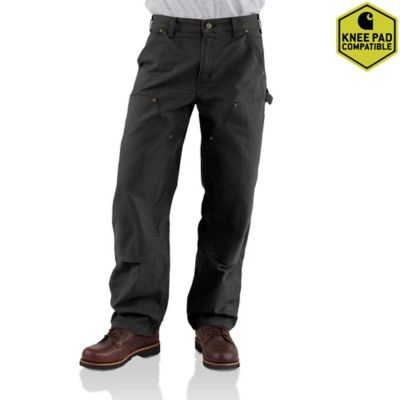
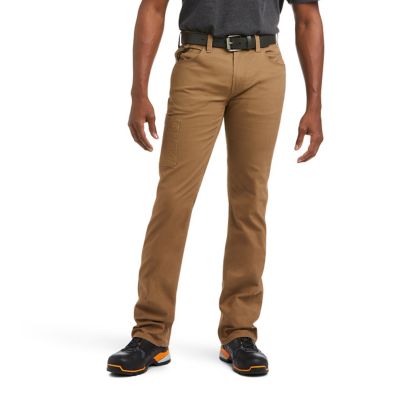
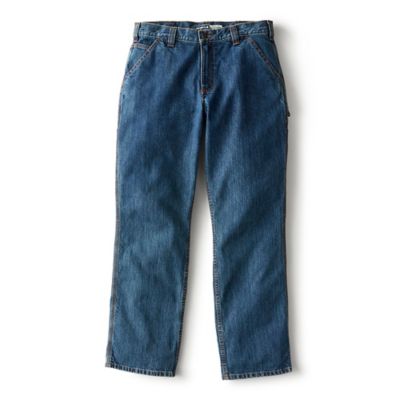
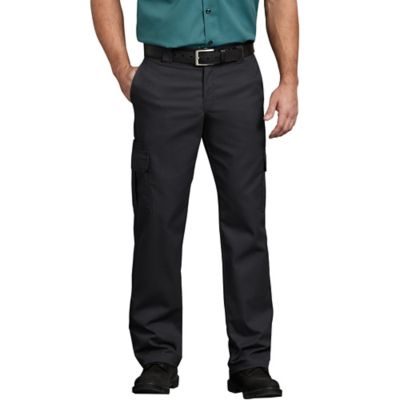
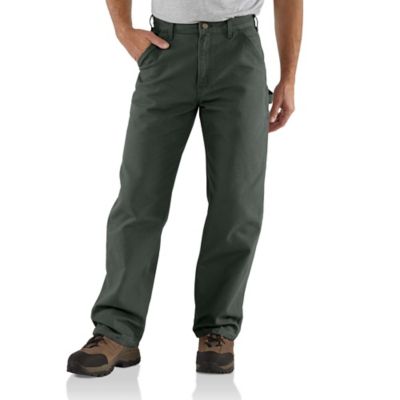
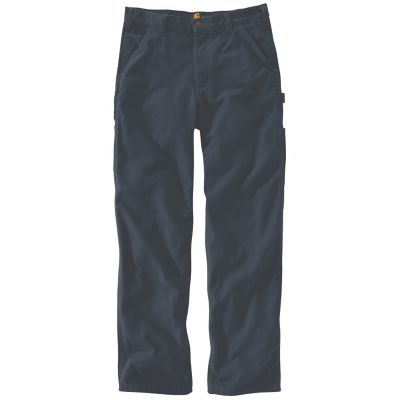
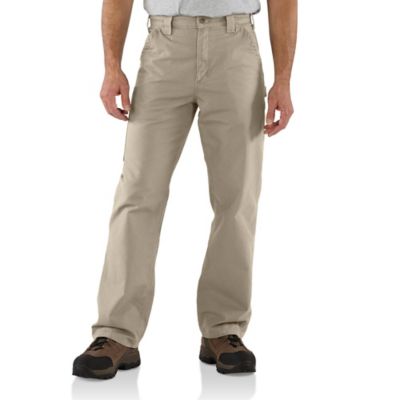
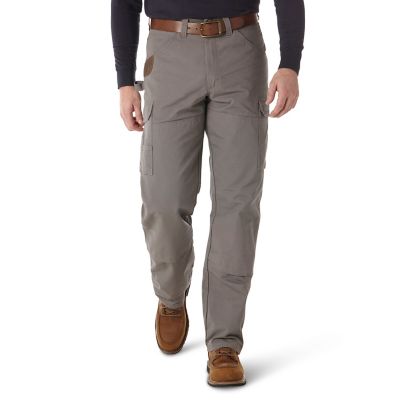
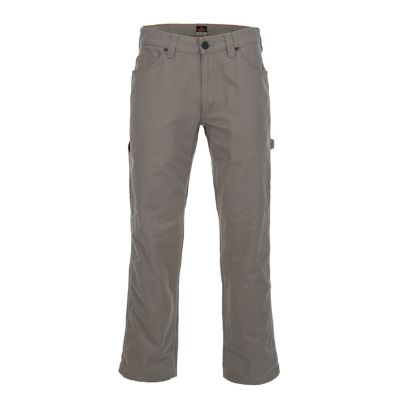
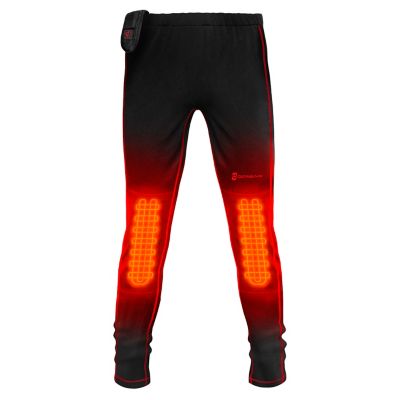
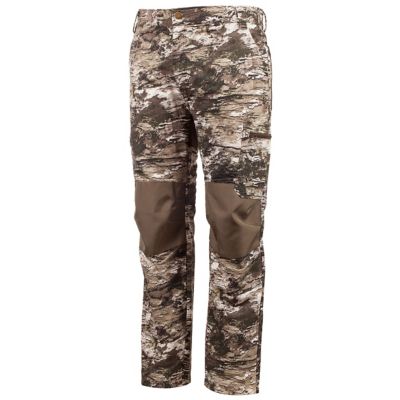
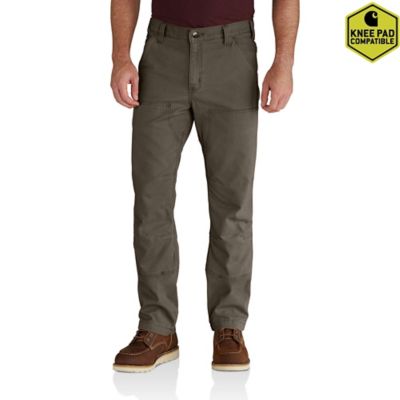
Pants for older men bring together everyday comfort, a familiar look, and a fit that leaves room to move. Elastic-waist pants, pull-on slacks, expandable-waist chinos, and relaxed-fit jeans can all suit different routines, from tending a small garden to heading into town for lunch. The best match depends more on a man’s build, preferences, and daily activities than his age alone. A fully elastic waistband stretches around the waist without a fixed button closure, while a hidden expandable waistband adds give to a more traditional-looking pair of pants. Pull-on styles can simplify dressing for men who find small buttons or zipper pulls difficult to manage. For someone who prefers a belt and tucked-in shirt, pants with belt loops and a flexible waist can keep that familiar feel without being so snug when seated. Fit through the seat and thighs matters just as much as the waistband. There should be enough room to sit at the kitchen table, step into a pickup, or bend toward a low shelf without the fabric pulling tight across the lap. Relaxed-fit pants generally provide more room than slim cuts, though sizing and proportions vary by style. Straight legs offer a classic shape and room around the calves, while a slightly tapered leg can keep extra fabric from gathering near the ankles. Rise—the distance from the crotch seam to the top of the waistband—also affects comfort. A rise that matches where a man naturally wears his pants helps the waist stay settled instead of riding down or pressing into his middle. Standard, big, tall, and shorter inseam sizing address different proportions; simply going up a waist size does not always solve a tight thigh or a short rise. Pants that fit comfortably standing and sitting are a sound starting point for chores, errands, and time spent taking it easy.
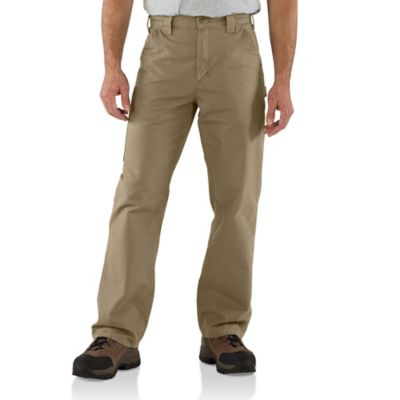
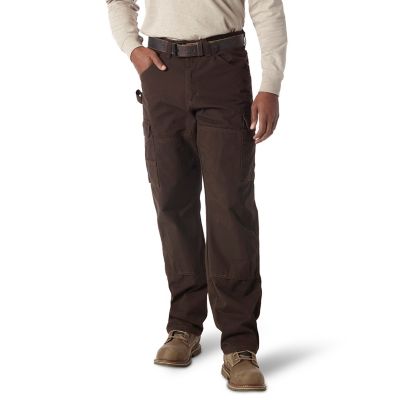
Fabric gives each type of men’s pants its character, whether the goal is a broken-in feel, a tidy appearance, or resistance to everyday wear. Cotton denim has the familiar substance many men favor for working around the property, and denim with a small amount of elastane can offer more give when bending or climbing steps. Cotton twill works well for chinos and casual work pants because its diagonal weave balances structure with an easygoing appearance. Canvas generally feels firmer and can stand up to friction from kneeling, carrying supplies, or brushing against rough surfaces, although heavier fabric may feel less flexible than a softer twill. Cotton-polyester blends often hold their shape and resist wrinkles better than all-cotton fabrics, with the exact feel depending on the weave and fiber mix. Knit pants and sweatpants offer a softer, more flexible option for relaxing at home, walking the driveway, or spending a long stretch in the passenger seat. Fabric weight matters beyond how substantial a pair feels in the hand: thick seams and stiff cloth may become noticeable during extended sitting, while a lighter fabric can feel less cumbersome. Intended use also shapes which details earn their keep. Reinforced knees and sturdy seams make sense for frequent chores, while a smooth front and simple pockets can look right with a polo or button-down shirt for supper out. Deep pockets help contain a wallet or folded handkerchief, but pocket placement matters when seated. A phone pressed beneath a thigh or a thick wallet against the hip can take the comfort out of an otherwise good fit. Cargo pockets add carrying space, though overfilling them adds weight and pulls on the legs. For a broader look at relaxed everyday styles,
Comfy Pants For Men connects comfort-focused choices with the same practical priorities: a forgiving waist, comfortable fabric, and room where it counts.
Easy care and manageable fastenings can make a pair of pants more useful over the long haul. Machine-washable fabrics fit ordinary household routines, but care labels still matter because denim, stretch blends, and knits do not all respond the same way to washing and drying. High dryer heat can contribute to shrinkage in cotton and affect stretch fibers over time. Following the stated wash instructions, closing zippers before laundering, and checking pockets help protect both the garment and the rest of the load. Wrinkle-resistant finishes can reduce ironing, while firmly attached buttons, well-finished seams, and secure pocket edges are details worth noticing in pants that will see regular wear. For men with reduced hand strength or mobility, the way pants go on and come off may matter more than the fabric finish. Pull-on waists remove the need to line up a button and buttonhole, though the waistband still needs enough stretch to pass comfortably over the hips. Drawstrings allow adjustment but require gripping and tying, so they are not automatically the easiest choice for every wearer. Adaptive pants may have side openings or other closures designed to support seated dressing or assistance from a caregiver. Those features serve a different purpose from an ordinary stretch waistband, and the right arrangement depends on how the person dresses and moves. For someone who spends much of the day seated, smooth seams, accessible pockets, and a waistband that stays comfortable across the abdomen deserve particular attention. Leg length should also suit everyday footwear without excess fabric dragging underfoot. Pants can make a thoughtful gift for a father, grandfather, husband, or friend when his preferences lead the choice. Measurements from a pair he already likes, along with his preferred rise and leg shape, provide a better starting point than an age-based label. Whether his day includes feeding animals, visiting neighbors, or reading in a favorite chair, comfortable pants should suit the way he lives and feel like something he would choose himself.