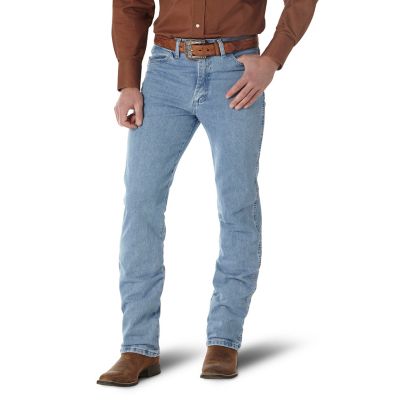
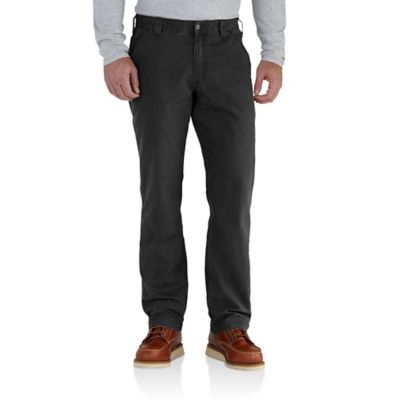
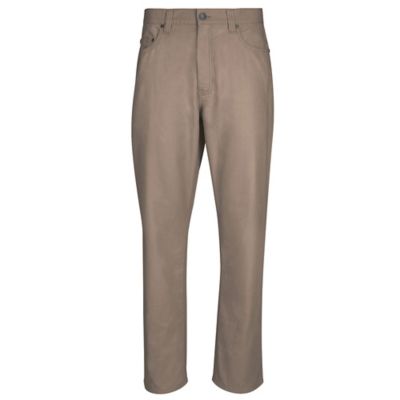
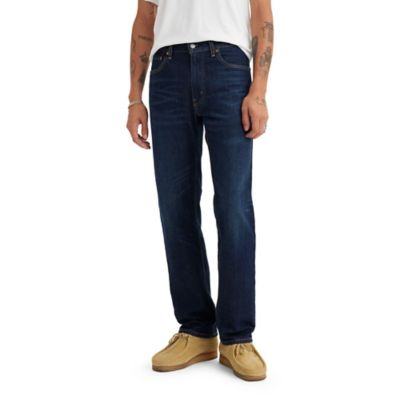
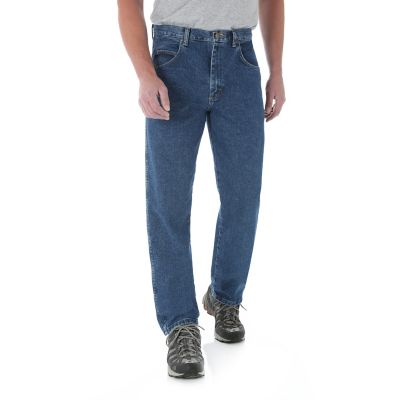
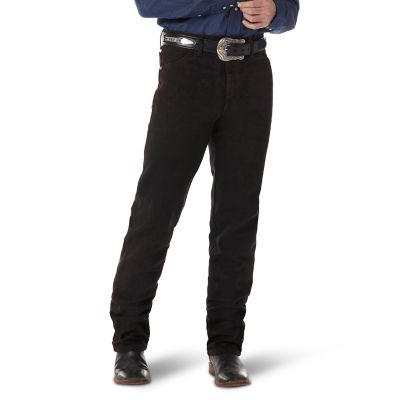
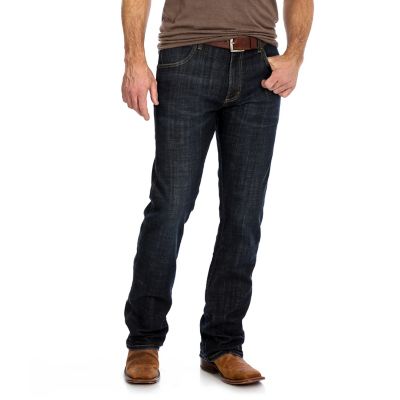
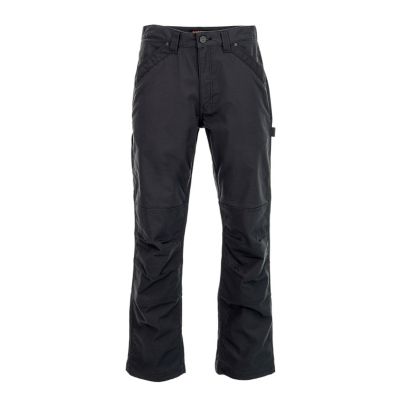
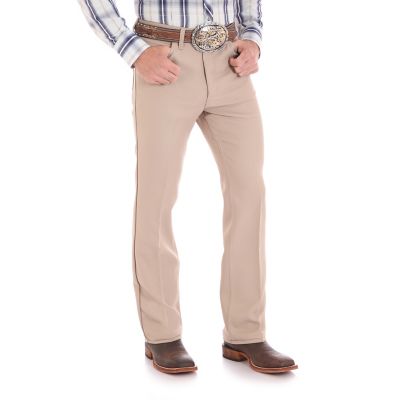
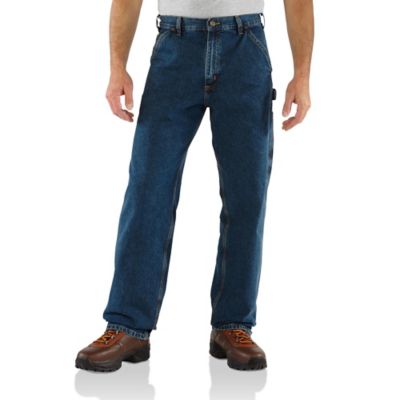
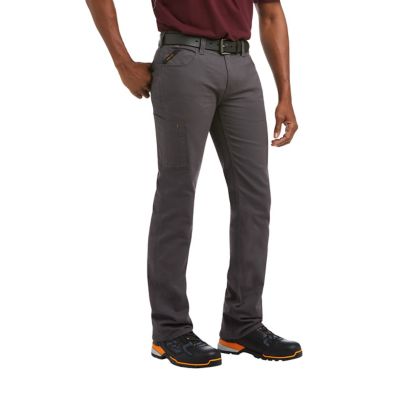
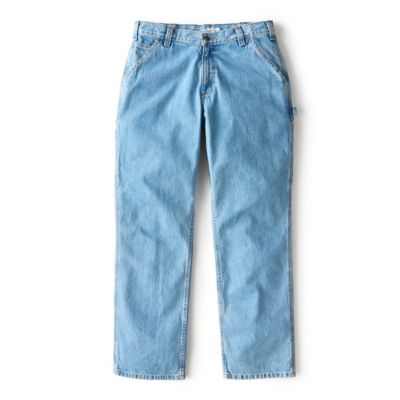
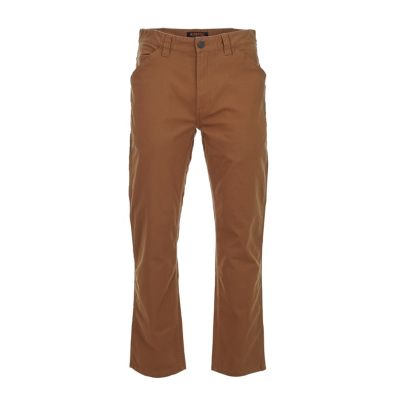
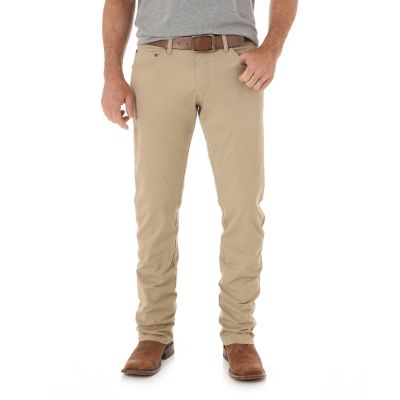
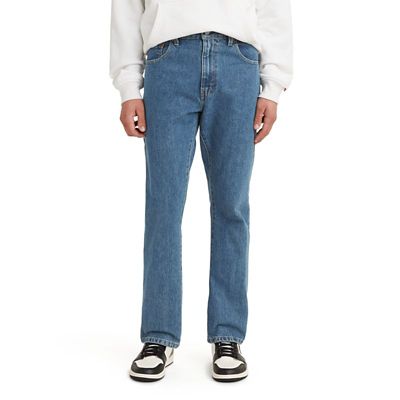
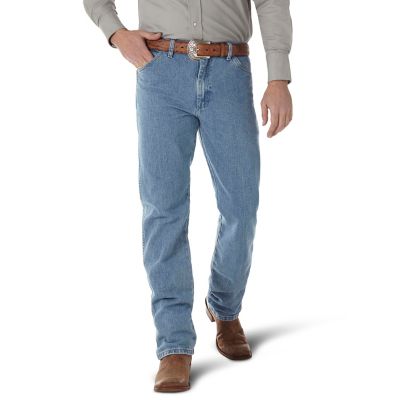
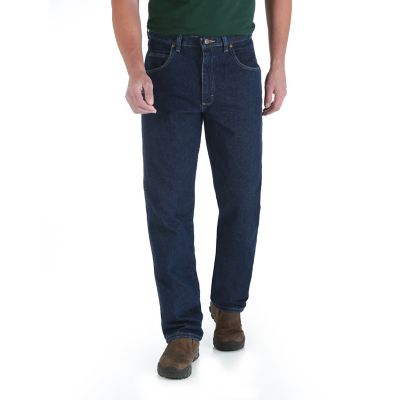
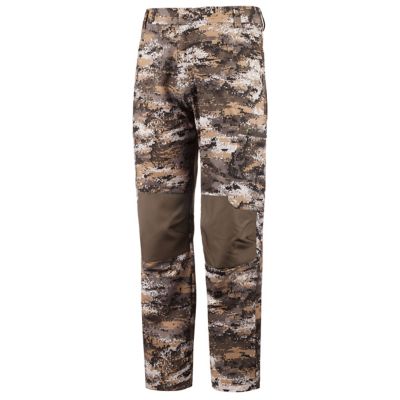
Men's 5-pocket pants typically have two front scoop pockets, a small coin pocket inside one front pocket, and two back patch pockets. That familiar layout comes from jeans, but five-pocket pants also come in fabrics that give them a cleaner, less denim-like appearance. The term describes the pocket arrangement rather than a particular material, fit, or amount of stretch. A pair can feel right at home around the barn, behind the counter at a feed store, or at a casual workplace, depending on its fabric and finish. Denim brings the familiar feel of jeans, while cotton twill can offer a smoother surface that pairs easily with a tucked-in shirt. Canvas generally has a firmer feel, with its weight and weave influencing how it moves and wears. Cotton-rich fabrics can feel comfortable against the skin, though heavier cloth often needs some wear and washing before it softens. Blends with polyester or nylon can change how pants handle moisture, abrasion, and repeated laundering. A small amount of elastane or spandex adds stretch, which can make a difference when climbing into a pickup, crouching beside a fence, or reaching across a workbench. Fabric weight matters, too: a heavier pair usually feels more substantial, while lighter fabric can feel less restrictive through a long stretch of sitting and walking. Stretch does not replace enough room through the seat and thighs, and a fabric's fiber percentages alone do not tell the whole story of its feel. The weave, thickness, and construction all play a part. For men who like the familiar pocket placement of jeans without always wearing denim, five-pocket twill pants offer another everyday option. They sit between traditional jeans and chinos in appearance, although whether they suit a workplace depends on its dress expectations. Plain finishes and straightforward stitching tend to work with everything from a pocket T-shirt to a button-down, making the style easy to carry from chores to a trip into town.
Fit shapes how five-pocket men's pants feel throughout the day, especially when a routine includes driving, lifting, and getting up and down. A straight fit generally keeps a similar line from the knee toward the hem, while a tapered fit narrows toward the ankle. Relaxed cuts typically provide more space through the seat and thighs, and slim cuts follow the body more closely. Those names can vary between makers, so waist and inseam measurements tell only part of the story. The rise determines where the waistband sits, and the room through the hips affects whether the pants pull when sitting in a truck cab or bending to pick something up. A waistband should stay in place without digging in, while the seat should allow movement without sagging or pulling tight across the back pockets. For men with fuller thighs, extra room above the knee can matter more than stretch alone. Leg openings also deserve attention when pants will be worn with boots. A narrow opening may catch on a boot shaft, while a straighter leg can fall over it more easily; the shape of the boot matters as much as the cut of the pants. Inseam length affects both appearance and wear, since hems that drag under a heel can fray. Pocket size and placement are everyday details that become noticeable fast. Front scoop pockets offer easy access to small belongings, and back patch pockets keep a wallet close at hand. The little coin pocket may hold loose change or another small object, but its size varies. A phone should fit without pressing hard against the hip or making it difficult to sit down. Open pockets are convenient, though they do not close over their contents. For tasks that call for a closure,
Men's Pants With Zippered Pockets offer a related style to consider. In either layout, carrying less in each pocket helps preserve a comfortable fit and keeps hard objects from rubbing against the body.
Construction and care make a difference in how five-pocket pants hold up to regular wear. Close, even stitching, firmly attached belt loops, and reinforcement at pocket corners help support areas that take repeated strain. Rivets or bar tacks may reinforce stress points, though not every five-pocket style includes the same details. Pocket bags matter as well, especially for anyone who carries keys every day; thin lining can wear through even when the outer fabric still looks sound. A belt loop is meant to hold a belt, not serve as a handle for pulling pants into place or carrying tools. Fabric choice should match the job rather than appearance alone. Ordinary everyday pants are not a substitute for required protective clothing around machinery, sparks, or other workplace hazards. For regular chores and casual wear, enough freedom to kneel, step up, and sit comfortably often makes a bigger difference than a stiff, heavy feel. Keeping the fabric in good shape starts with the care label, since cotton denim, stretch twill, and synthetic blends can call for different washing and drying methods. Turning pants inside out can help limit surface rubbing in the wash, and closing the zipper helps keep its teeth from catching other garments. Emptying pockets keeps screws, coins, and grit out of the laundry. Excessive dryer heat can affect stretch fibers and may cause shrinkage in some cotton fabrics, so the recommended settings matter. Soil and stains are easier to manage when treated according to the fabric's care directions rather than scrubbed hard across the surface. Checking a loose button, lifting hem, or worn pocket seam before it gets worse can help extend a pair's working life. Five-pocket pants can also make a practical gift for a man who favors straightforward everyday clothing, provided his preferred waist, inseam, rise, and fit are known. Familiar measurements and a cut he already enjoys are more useful than guessing from a size label alone. The right match brings together comfortable movement, useful pockets, and a look that fits the way he spends his day.