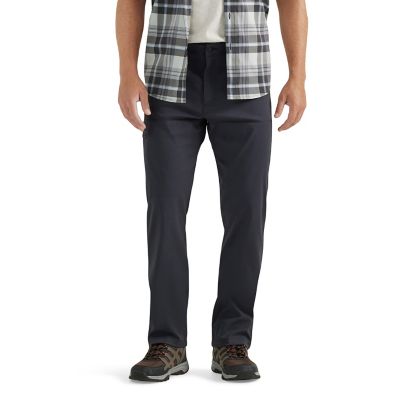
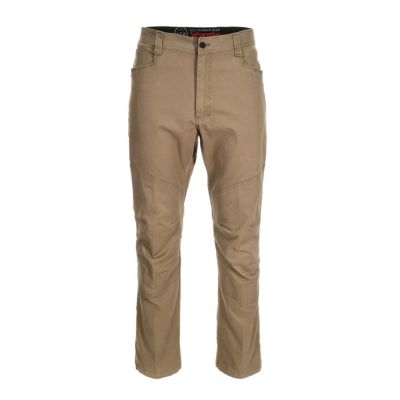
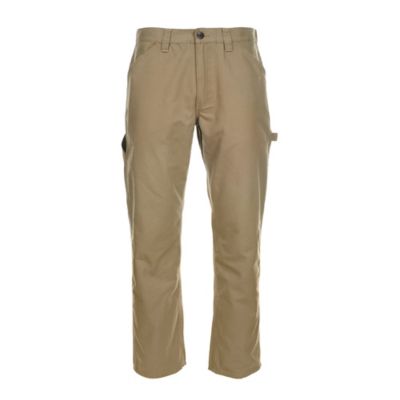
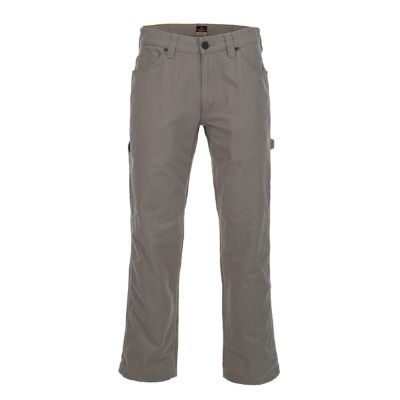
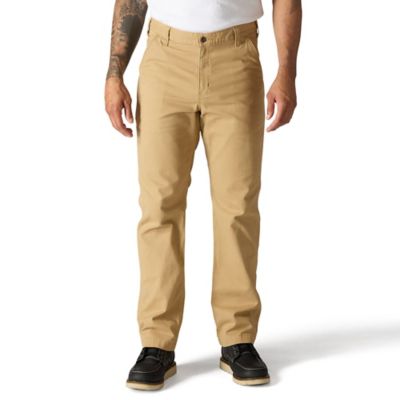
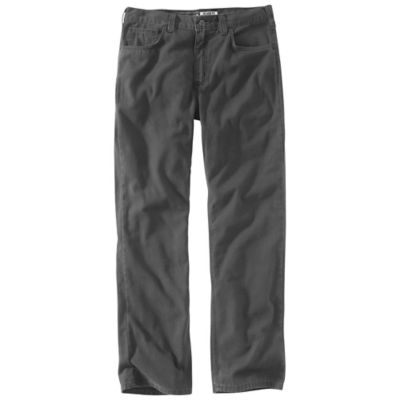
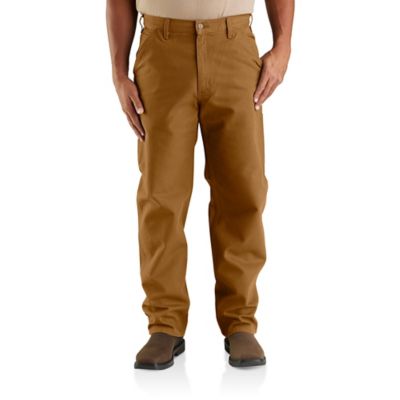
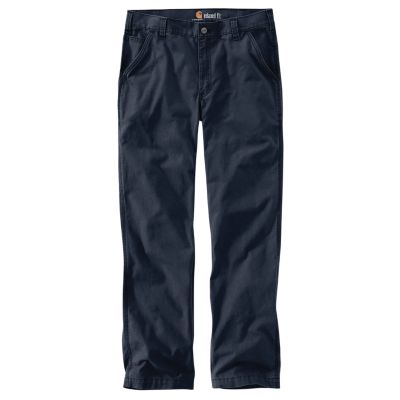
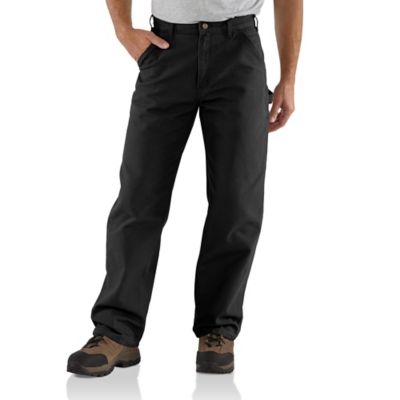
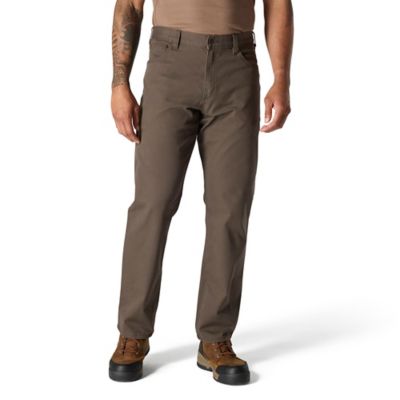
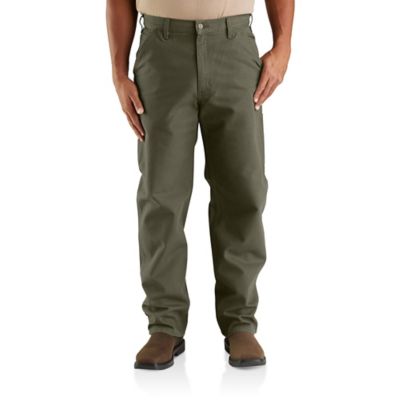
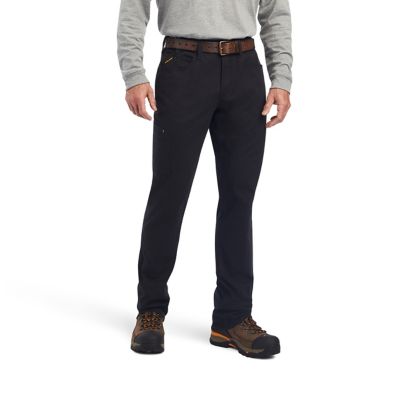
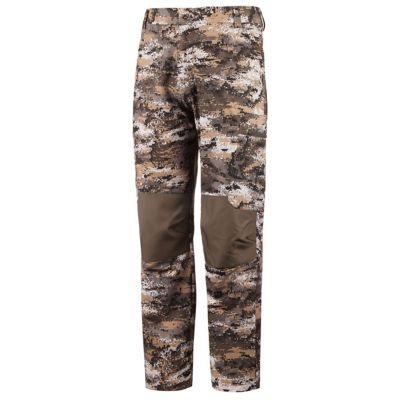
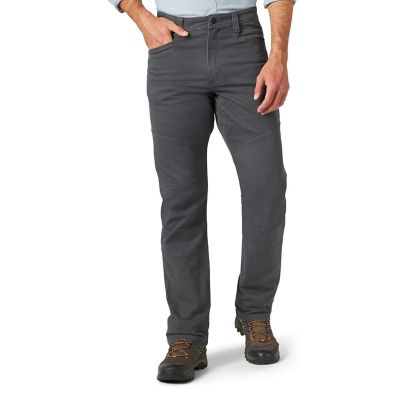
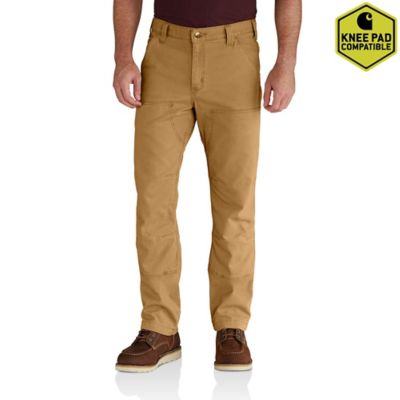
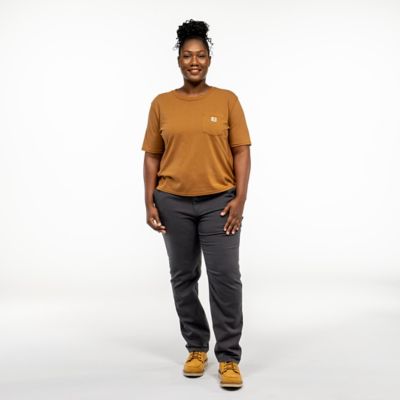
Men’s travel pants combine comfort for long stretches of sitting with freedom of movement for walking, lifting luggage, and getting on with the day. A well-suited pair balances stretch, manageable fabric weight, practical pockets, and a clean look that fits the stops along the way. That might mean a drive across the state, a flight to visit family, or a weekend split between a cabin and the nearest small town. Unlike stiff pants that feel fine standing up but pinch behind the knees in a truck seat, travel-friendly styles give a little where movement matters. Fabric plays a big part in that feel. Nylon and polyester blends often dry faster than heavier cotton fabrics, making them handy for trips that involve changing weather or limited laundry time. Cotton blends bring a familiar, soft feel, while a little spandex or elastane can help the fabric flex through the seat and knees. Stretch woven into the material can make a difference when climbing steps, reaching into the truck bed, or settling into a crowded row of seats. Moisture-wicking fabric helps move perspiration away from the skin, though drying speed also depends on fabric thickness, airflow, and humidity. Wrinkle resistance is useful when pants spend hours folded in a bag, but it does not mean every crease disappears on its own. A subtle texture or matte finish can keep the look casual enough for a roadside breakfast and neat enough for dinner with family. During the cooler months, midweight fabric offers more coverage than a thin summer weave without necessarily feeling heavy indoors. Lighter pants can still make sense for heated vehicles, busy terminals, and destinations with milder afternoons. The right balance comes down to where the day leads: plenty of walking favors breathable fabric and easy movement, while mostly seated travel puts extra importance on a waistband and seams that stay comfortable mile after mile.
Fit affects travel comfort just as much as the fabric itself. Men’s travel pants should leave enough room through the hips and thighs to sit without pulling across the front pockets or tightening through the crotch. A straight leg offers a familiar shape with room to move, while a tapered leg keeps extra fabric closer to the ankle. Relaxed fits can feel better for broader builds or for anyone who prefers a little breathing room, although excess material may bunch up during a long drive. Waistband construction matters when several hours pass between stops. An elastic section or flexible waistband can ease pressure while seated, and belt loops provide another way to adjust the fit as layers change. The rise should feel comfortable both standing and sitting; a waistband that lands well during a quick try-on may feel different when leaning forward to tie a boot. Inseam length deserves the same attention. Hems should clear the ground and settle over travel shoes or boots without dragging through a damp parking lot. Articulated knees and a gusseted crotch can add room for bending without requiring an overly loose cut. Pocket placement is another everyday detail that becomes noticeable on the road. A phone carried high on the thigh may feel more comfortable than one pressing into the hip crease, while a thick wallet in a back pocket can become bothersome against a firm seat. Zippered or buttoned pockets help keep small belongings contained, but no pocket closure makes valuables theft-proof. For travelers who like extra storage,
Men's Lightweight Cargo Pants offer a related style worth considering, especially when carrying a few essentials without a shoulder bag. Low-profile cargo pockets can provide space without adding much visual weight, though overfilled pockets still pull on the fabric and affect how pants hang. A little room for a thin base layer is useful for colder destinations, provided the combination does not bind at the knees or crowd the waist when sitting down.
Travel pants also need to hold up to the less glamorous parts of a trip: rubbing against seat edges, brushing past rough surfaces, and getting packed and unpacked more than once. Fabric construction, stitching, and reinforcement at stress points all contribute to how well a pair handles repeated wear. Tightly woven material can resist abrasion, while reinforced pocket corners help support areas that take frequent pulling. Ripstop fabric incorporates a grid of reinforcing threads intended to limit the spread of small tears, but it is not tear-proof. Heavier cloth is not automatically the better choice; it can add warmth and structure while taking up more space in a bag and drying more slowly. Water-resistant finishes can help light moisture bead on the surface, but travel pants with that feature are not a substitute for rainwear in steady rain. Care requirements matter most when there is no laundry room close by. The care label should set the routine for washing temperature, detergent, and drying, since heat and certain laundry additives can affect stretch fibers or fabric finishes. An overnight drying plan works better with thin, quick-drying fabric and good ventilation than with damp pants folded over a shower rod in a closed bathroom. Even quick-drying materials may need longer in cool, humid conditions. Emptying pockets, treating spills according to the label, and letting pants dry completely before packing help keep them ready for the next leg of the trip. Neutral colors such as gray, brown, navy, and black pair easily with flannel shirts, polos, and pullovers, making it simpler to pack fewer changes of clothes. For men traveling between job sites, heading out on a fishing weekend, or spending a few days with relatives, that versatility can be more useful than a long list of technical features. Travel pants can also make a practical gift for a dad, husband, brother, or friend who spends plenty of time on the road, especially when his usual waist, inseam, and preferred fit are known. The pair that earns a regular place in the overnight bag is one that feels right from the first mile through the last stop.