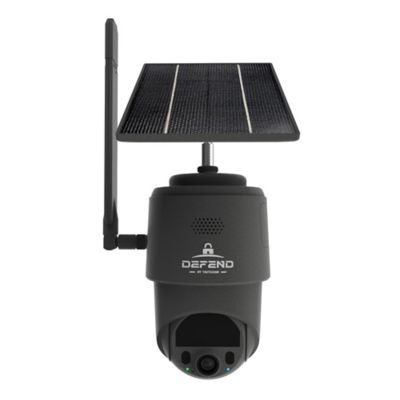
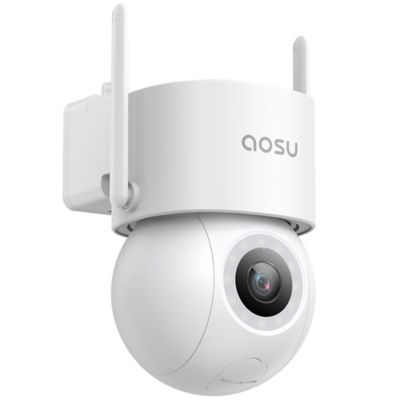
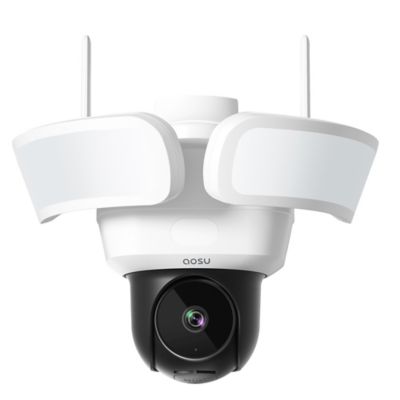
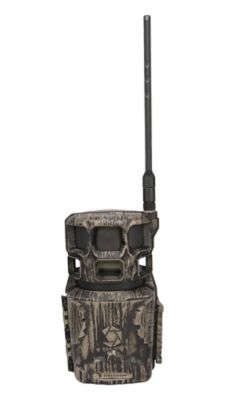
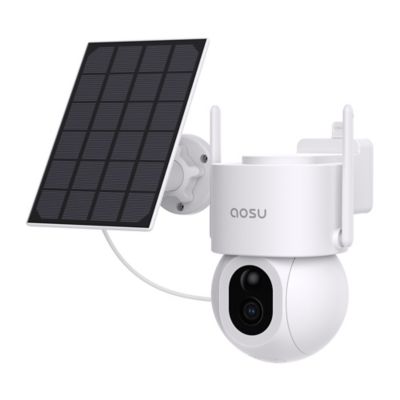
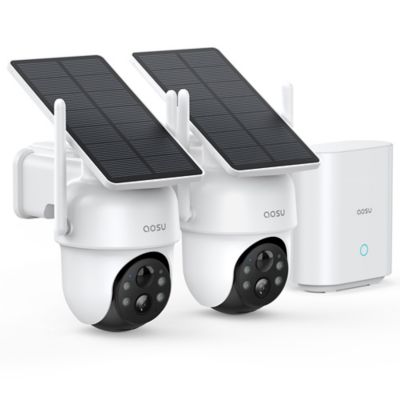
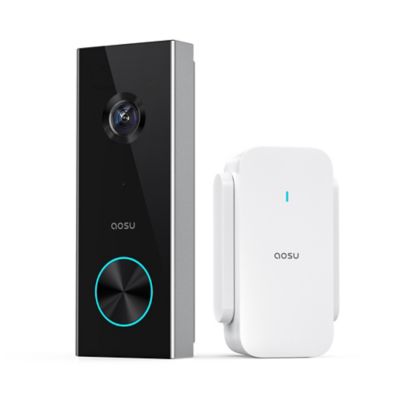
Panorama security cameras bring a broad stretch of a property into one picture, making them a practical fit for open yards, driveway entrances, workshops, and other spaces where activity can come from several directions. A panoramic security camera typically provides a field of view ranging from about 180 degrees to 360 degrees, depending on its lens design and mounting position. That wider coverage can reduce blind spots and the number of cameras needed to watch an open area, though walls, parked equipment, posts, and other obstructions can still block the view. Around a rural home, that might mean seeing both the walk to the back door and the approach to an equipment shed without switching between several narrow camera feeds. In a shop, it might mean keeping the service counter and adjoining aisles in the same frame. Different camera designs create that broad picture in different ways. A single fisheye lens captures a rounded view that compatible software can flatten into a more familiar image, while a multiple-lens design can combine adjoining views into a wide scene. Image shape, stitching, and viewing options depend on the camera and its supporting software. A broad view is useful for seeing where someone went or which direction a vehicle traveled, but coverage and fine detail are not the same thing. Resolution spreads across the entire scene, so a distant face or license plate may occupy too little of the image for clear identification. Digital zoom enlarges the recorded picture rather than adding detail that was never captured. For a property with a long lane and a busy gate, a panoramic view can provide the overall picture while a separate, tighter view covers the point where people or vehicles pass close by. That combination serves a different purpose than expecting one wide-angle camera to show every detail across an entire lot.
The right physical fit matters just as much as the viewing angle. Panorama security cameras may have metal or molded plastic housings, and their suitability for a mounting location depends on the enclosure rating, construction, and installation requirements. Resistance to dust and water matters around gravel drives, open-sided sheds, and livestock areas, while an indoor camera belongs in a location suited to its stated protection level. A sound mounting surface helps keep the picture steady when doors close, equipment runs nearby, or a building vibrates. The camera’s intended orientation also matters: a ceiling-mounted fisheye can show a room very differently from a wall-mounted panoramic camera aimed across a yard. Mounting height needs some thought, too. An overhead view can cover open floor space, yet a position that is too high may show mostly the tops of hats instead of faces. Close objects can dominate a wide-angle image, and a porch post or light fixture near the lens can hide more of the scene than expected. Housing color is another practical detail when a camera will sit against painted siding, a pale ceiling, or a porch beam; the
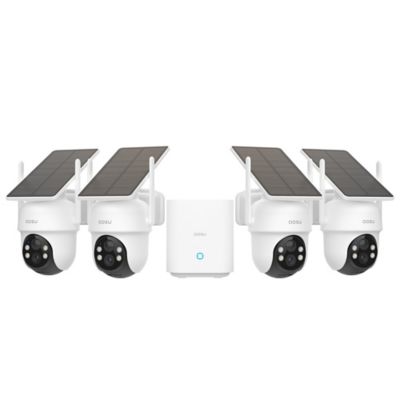
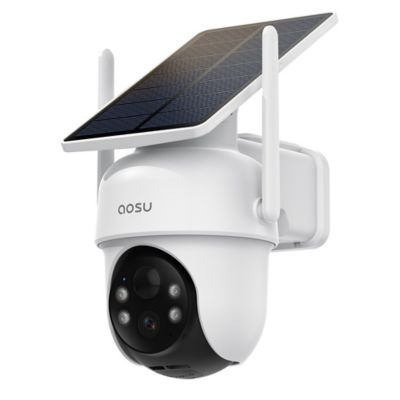
White Security Camera page offers another way to narrow the look. Power and connectivity shape where a camera can go and how it fits into daily use. A Wi-Fi connection still requires a suitable power source unless the camera supports battery operation or another compatible power arrangement. Metal siding, masonry, and distance from the router can weaken a wireless connection, especially at an outbuilding across the yard. A compatible Power over Ethernet setup can carry power and data through one network cable, but it requires matching equipment and a workable cable route. Battery-powered designs may record around detected activity rather than continuously, so recording expectations matter as much as freedom from a power cable.
Day-to-day usefulness comes down to what the camera captures, how recordings are stored, and how easily a person can find the moment that matters. Motion alerts can help draw attention to a delivery at the porch, movement near a trailer, or someone entering a workshop, although detection features vary. Detection zones can focus attention on a gate or doorway instead of every movement across the full image, and person or vehicle recognition, where supported, can help sort activity. Those features do not guarantee that every event will be detected or classified correctly. Recording may go to a memory card, a compatible recorder, or an online storage service, depending on the system. Storage capacity, resolution, frame rate, and recording schedule all affect how much footage remains before older recordings are overwritten. Compatibility deserves a close look when adding a panoramic camera to an existing recorder, since a wide image, multiple viewing channels, or fisheye correction may need specific support. After dark, image detail depends on the camera’s sensor, illumination, distance, and the scene itself. Infrared light can reflect from nearby glass or a wall, and a spiderweb close to the lens can obscure a surprising amount of the picture. Routine care is generally straightforward: follow the manufacturer’s cleaning directions, keep the lens cover clear, and check mounts, seals, and exposed cable connections. Clear footage also depends on thoughtful boundaries. A view aimed at a driveway or work area can serve its purpose without taking in a neighbor’s windows, and audio recording calls for attention to applicable laws. Strong passwords, software updates, and controlled account access help protect connected systems. For homeowners, property caretakers, and shop operators, the appeal of panorama security cameras is that broader sense of what happened across a space, paired with practical expectations about distance, detail, and the limits of any camera’s view.