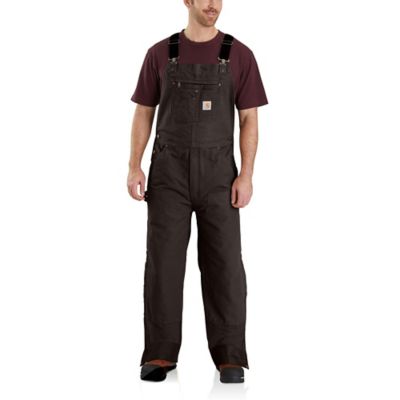
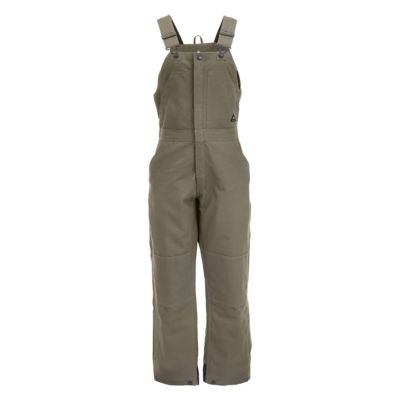
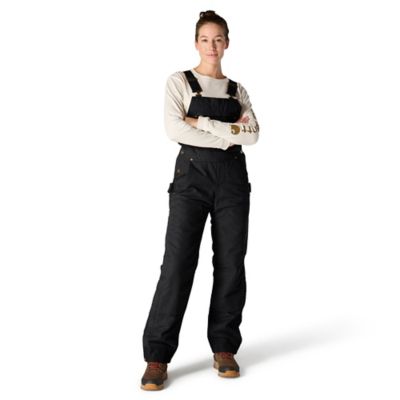
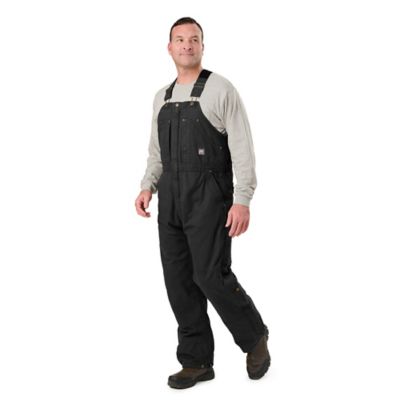
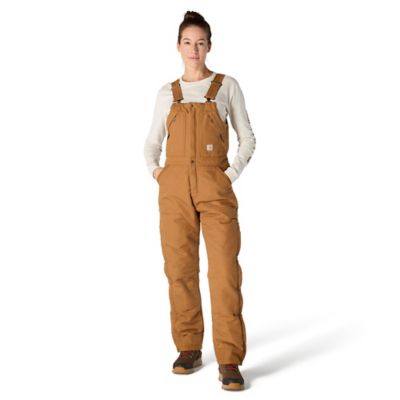
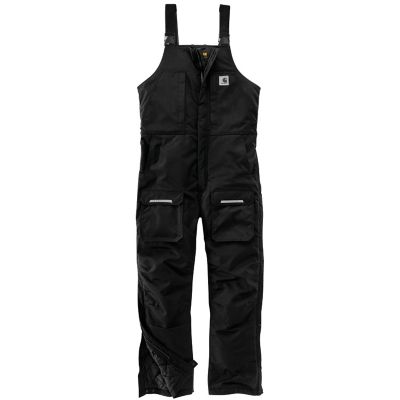
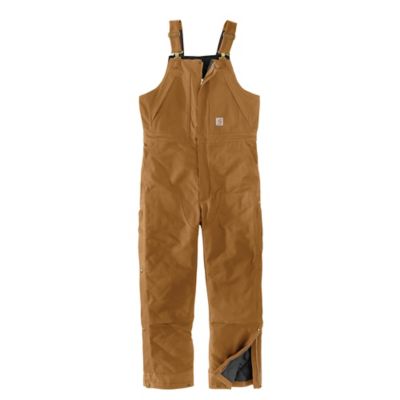
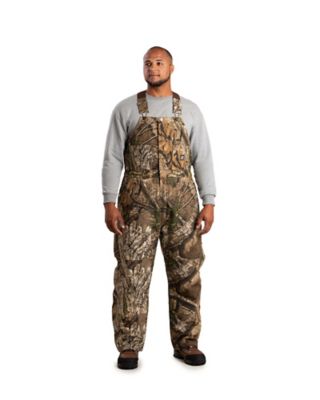
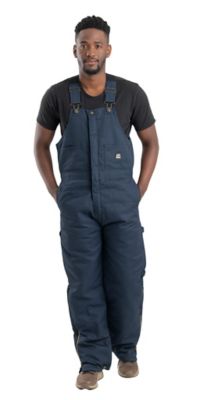
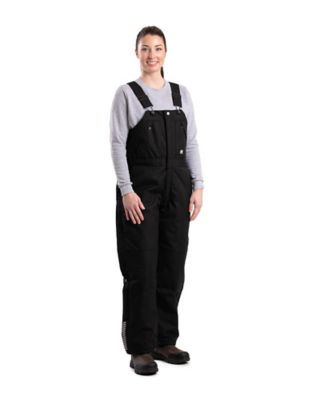
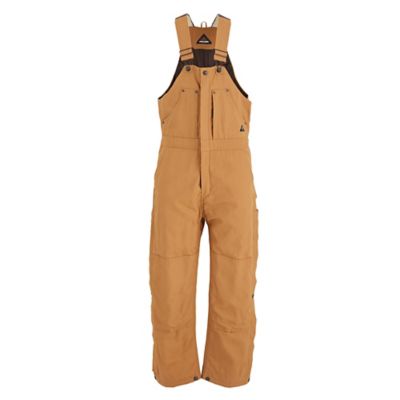
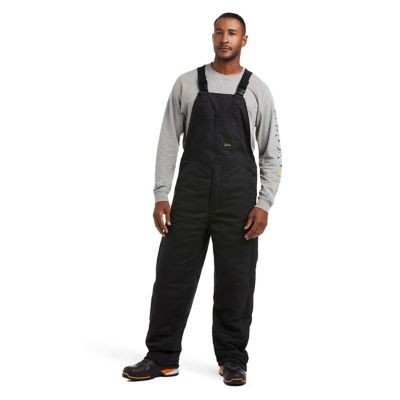
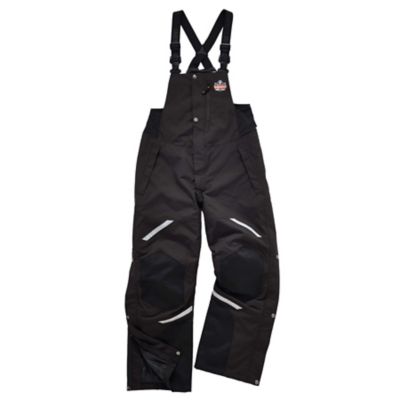
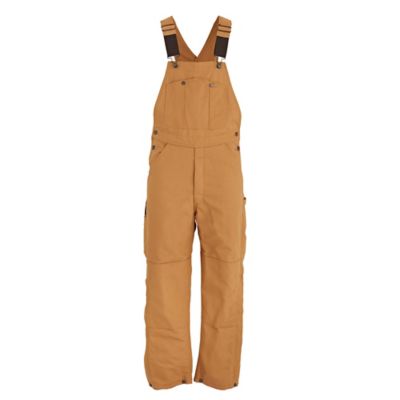
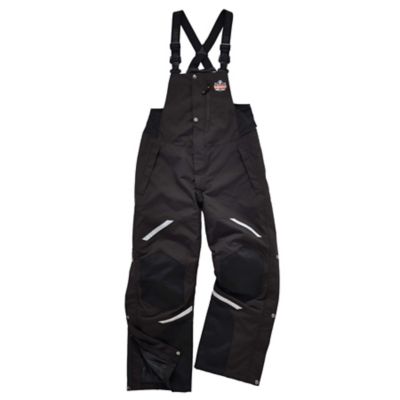
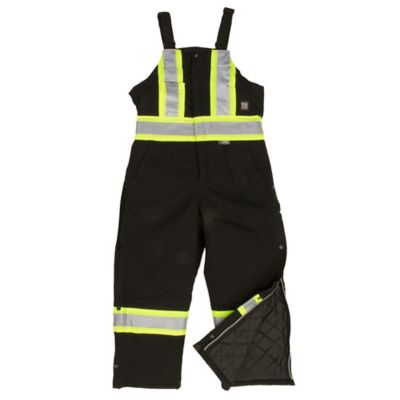
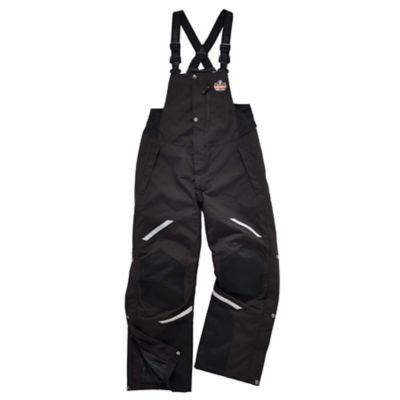
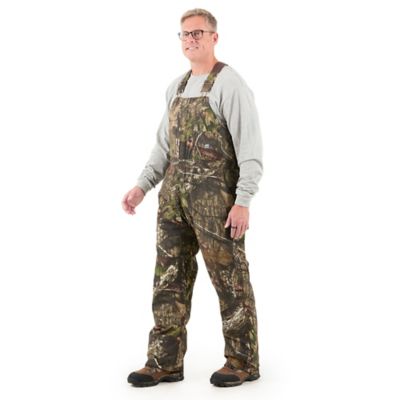
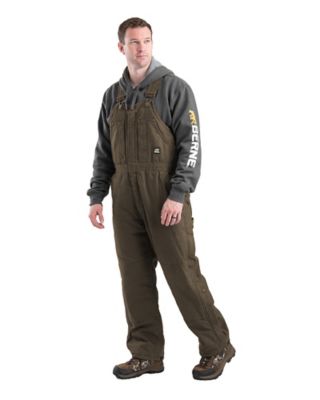
Insulated bib overalls put warmth and coverage where winter ranch work demands it, from a frosty feed run to a long stretch of checking fence. Cotton duck and other tightly woven canvas fabrics are common choices for their substantial feel and resistance to abrasion from rough lumber, hay bales, and everyday chores. A sturdy outer shell paired with an insulating lining helps hold warmth around the legs and torso without requiring a separate waistband to keep everything in place. The bib front extends coverage above the waist, while shoulder straps help support the garment through bending, reaching, and carrying. That extra coverage makes a difference when leaning over a water trough or climbing into a tractor seat, where a gap between a jacket and pants can let cold air reach the lower back. Insulation varies in thickness and construction, so warmth depends on more than how heavy the fabric feels. Quilted synthetic insulation can trap warm air, while different lining fabrics affect how easily the overalls slide over jeans or base layers. Uninsulated bibs provide another layer of coverage but do not offer the same warmth as insulated styles. For chores that involve plenty of walking and lifting, a less bulky layer may feel more comfortable than a heavily insulated garment. Long periods of sitting, riding in an open vehicle, or standing at a gate call for a different balance. Wind resistance and water protection also deserve separate attention: tightly woven fabric can help limit drafts, but cotton duck alone is not waterproof. A water-repellent finish may shed light moisture, while wet snow or prolonged rain can require additional protection. Overalls for winter ranch work earn their place through this combination of warmth, freedom of movement, and a shell that can stand up to contact with the working parts of a ranch.
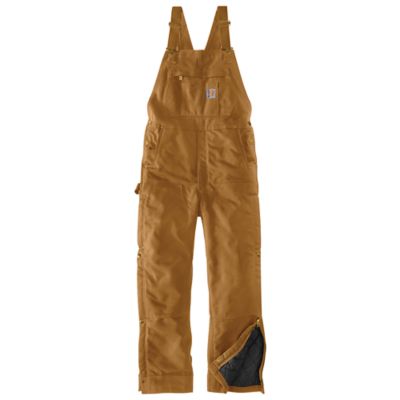
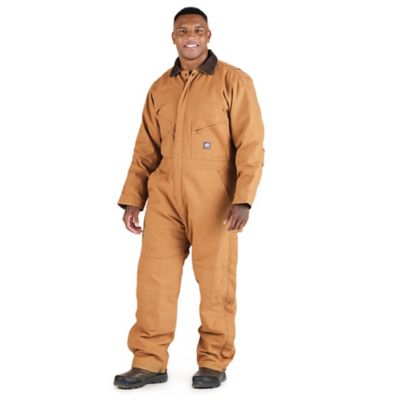
Fit matters just as much as fabric when the day includes stepping over a low fence, squatting beside a frozen hydrant, or hauling feed to the far end of a pen. A practical fit leaves room for the layers worn underneath without so much extra fabric that the legs drag or the bib shifts around. Insulated overalls can feel quite different over lightweight pants than they do over jeans and a thermal layer, and garment measurements do not always match everyday pants sizing. Adjustable shoulder straps help position the bib and crotch comfortably, but they cannot make up for the wrong torso length or inseam. Room through the seat and thighs supports a full stride, while enough length at the knee keeps the fabric from pulling tight on a high step. Leg openings need to work with ranch boots without collecting beneath the heels. Side-leg zippers can make getting dressed easier with boots on, especially when a quick trip outside turns into a longer job. Zipper openings, snaps, and storm flaps each affect how easily the garment closes and how much coverage remains along the leg. Hardware that is manageable with gloved hands saves fumbling at the mudroom door. Reinforced knees and seat panels add fabric in places that often meet gravel, boards, and equipment, while reinforced stitching helps support seams under strain. Pockets offer a place for gloves and small essentials, though contents should not interfere with bending or create pressure against the body while seated. Loose straps, open cuffs, and dangling pocket contents have no place near moving machinery. Bib overalls cover the lower body and part of the chest and back; full coveralls add sleeves and shoulder coverage, which changes how they layer with a coat. Paired with jackets, gloves, socks, and boots, bibs become part of a complete set of
Winter Ranch Wear rather than the only layer responsible for keeping a worker comfortable.
The demands placed on winter work overalls can vary even between neighboring ranches. Someone feeding cattle before daylight may spend the morning moving between a pickup cab and exposed pens, while another worker stays active bedding stalls or stacking hay inside a barn. Those different routines influence the value of insulation, easy-opening legs, reinforced panels, and a fit that works beneath outerwear. Heavy cotton duck may feel stiff at first and soften with wear and laundering; fabric weight alone does not tell the whole story of how a garment will hold up. Seam construction, reinforcement placement, hardware, and proper fit all contribute to its service life. Fabric stretched tightly across the knees or seat takes more strain, while hems that scrape the ground wear faster and soak up moisture. Care matters, too, particularly when mud, manure, and feed dust are part of a normal workday. The garment’s care label sets the washing and drying requirements because shells, linings, insulation, and finishes can have different needs. Excessive dryer heat can affect fit or components, and washing requirements may differ from those for ordinary jeans. Letting wet overalls dry fully before the next wear helps avoid starting chores in damp layers; storing them clean and dry also keeps lingering moisture from becoming a problem between wears. Small tears, loose stitching, and troublesome closures are worth addressing before a hard day puts more stress on them. For ranchers, livestock caretakers, farmhands, and family members who share outdoor chores, well-fitting winter bibs are practical workwear with a clear purpose. They can also make a thoughtful gift when the recipient’s measurements, layering habits, and daily tasks are known. The right pair suits the person doing the work, whether that means room to kneel beside a water line, easy movement while handling hay, or steady coverage through a cold morning at the feed bunk.