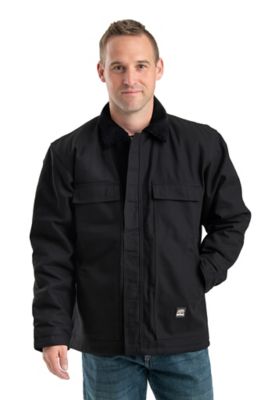
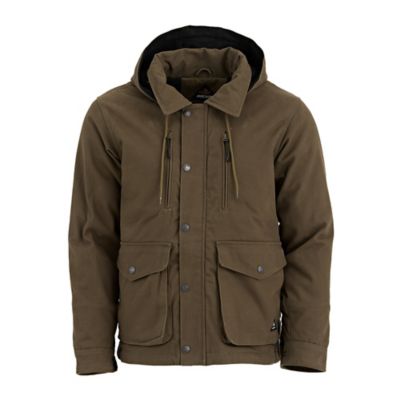
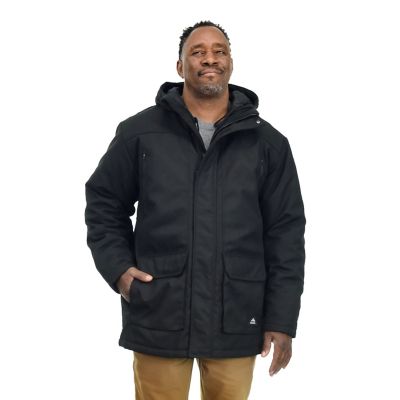
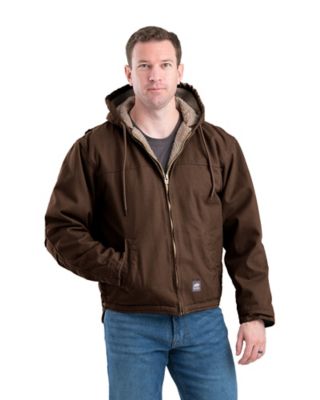
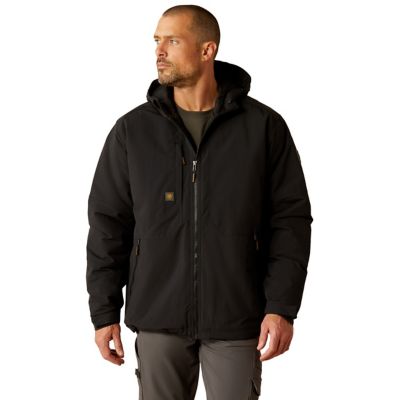
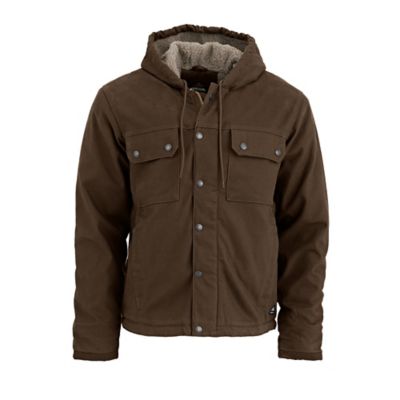
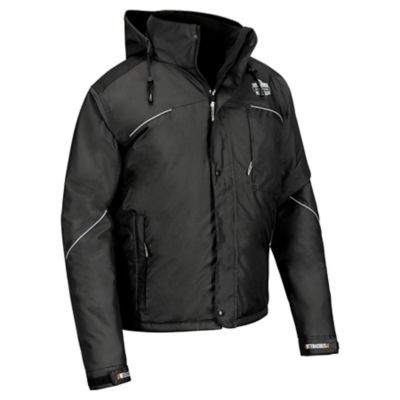
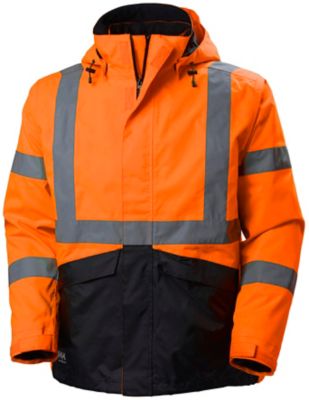
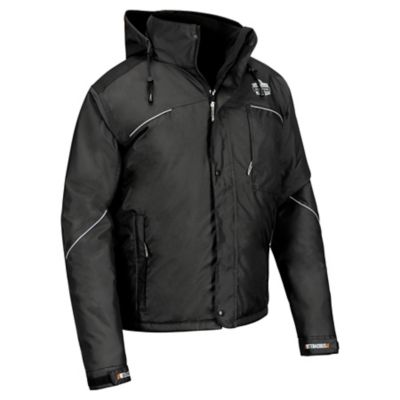
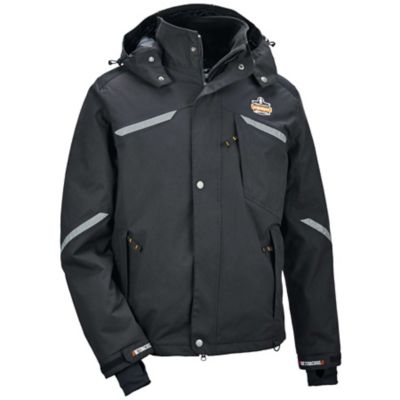
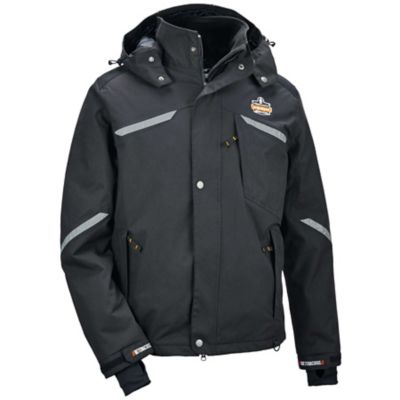
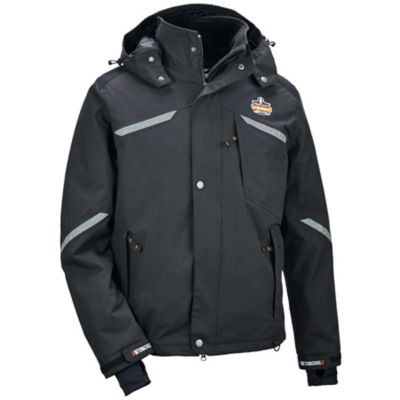
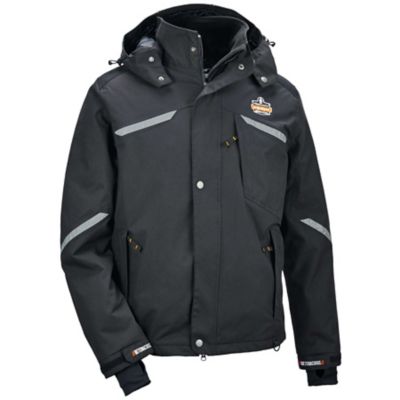
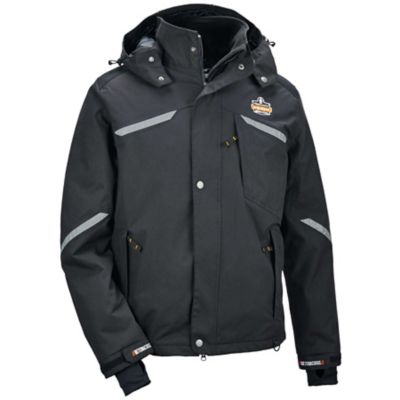
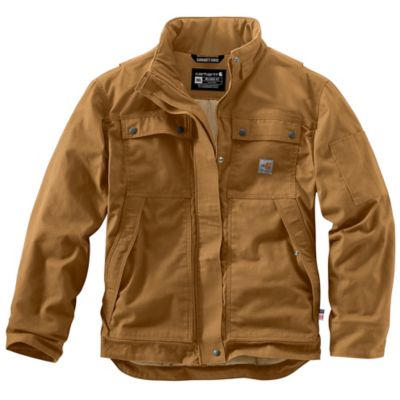
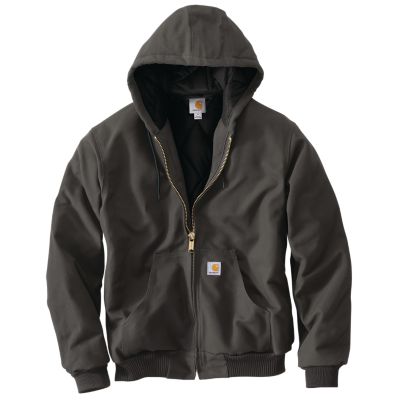
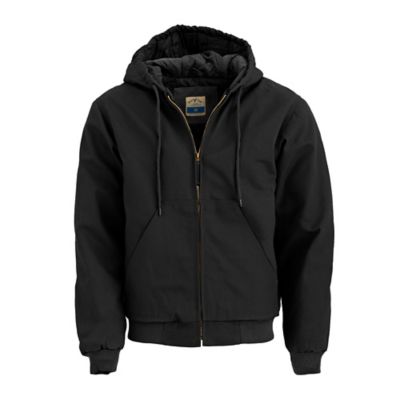
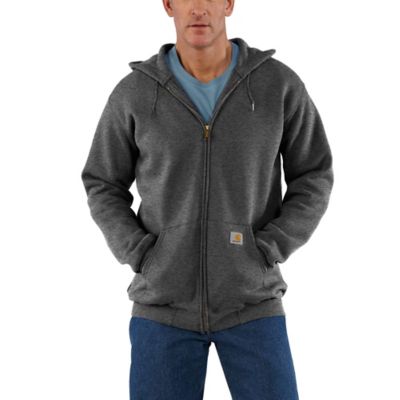
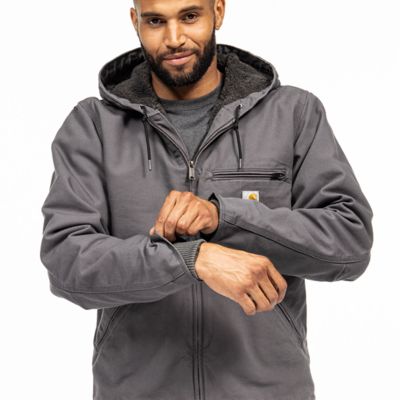
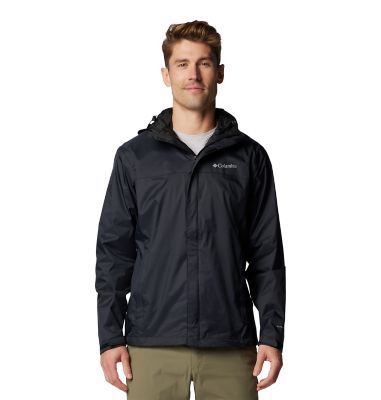
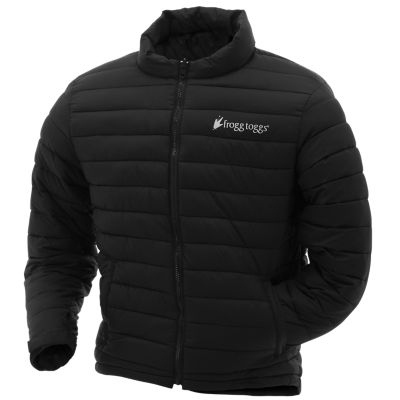
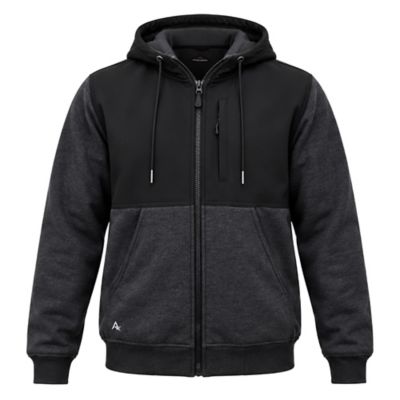
Men's winter work coats combine insulation, weather protection, and sturdy construction for cold days spent feeding livestock, handling materials, fixing fence, or keeping a job moving outdoors. A coat needs to do more than feel warm while standing still; it also needs to let a person reach, bend, climb, and carry without fighting the fabric. Heavy cotton duck and canvas shells suit work that brings regular contact with rough lumber, fence posts, and barn walls. These tightly woven fabrics have a substantial feel, though their ability to shed moisture depends on the fabric treatment and garment construction. Nylon and polyester shells can offer a lighter feel, with wind resistance and water protection that vary by design. Inside, quilted linings help hold insulation in place, fleece adds softness, and smooth sleeve linings make it easier to pull a coat over a flannel shirt or sweatshirt. Synthetic insulation generally handles damp conditions better than untreated down, while down depends on keeping its loft to hold warmth. Neither insulation type takes the place of a shell suited to the conditions. Water-resistant fabric may handle a brief flurry or light moisture, but steady sleet and wet snow call for closer attention to waterproof construction, sealed seams, and protected closures. Wind protection matters, too, especially across open pasture or beside an exposed loading area. A storm flap over the zipper, a collar that closes comfortably, and cuffs that limit drafts can make a noticeable difference. Breathability also deserves a place alongside warmth: carrying feed sacks or clearing snow builds heat faster than watching a gate or waiting beside equipment. The best balance depends on the pace of the work, the amount of shelter nearby, and how long the coat will stay on. A heavily insulated coat makes sense for long stretches of low activity, while a lighter insulated shell with room for layers can better suit a day that moves between hard work and short breaks.
Fit plays a big part in how men's winter work coats feel through a full day. Enough room across the shoulders and upper back helps with reaching for a latch, lifting supplies, or leaning into a repair, but an overly loose coat can get in the way around tools and equipment. Room for a base layer and midlayer should not mean sleeves that cover the hands or a hem that catches with every step. Articulated elbows, underarm gussets, and pleated backs can add movement without requiring an oversized fit. A longer back hem helps cover the waist when bending over, while a shorter cut may feel less restrictive when climbing into a truck cab or sitting on a tractor seat. Two-way zippers can ease bunching at the lap when seated, and adjustable hems help manage the fit over different layers. Small construction details earn their keep during everyday chores. Reinforced elbows and pocket edges help protect areas that see repeated rubbing, while strong stitching and reinforcement at stress points support seams through frequent movement. Large zipper pulls are easier to grasp with gloves, and pockets with secure closures help keep keys and other small essentials from slipping out. Handwarmer pockets are useful between tasks, but pocket placement matters when a tool belt or other work gear sits at the waist. A lined collar can soften contact at the neck, and a hood adds coverage during exposed chores. Hood shape and adjustment affect side vision, so a close, comfortable fit matters more than extra fabric flapping around the face. Around moving machinery, loose drawcords and hanging parts deserve particular attention. Ordinary winter outerwear also does not take the place of job-required protective clothing. Work involving flame, electrical hazards, or vehicle traffic may call for garments with specific ratings or visibility features. Those requirements belong alongside warmth and fit when deciding which kind of coat suits the job.
The everyday value of a winter work coat shows up in how well it fits the routine and how it holds up with proper care. Someone making repeated trips between the house, feed shed, and barn may appreciate easy-moving sleeves and pockets that stay accessible with gloves on. A fence crew working along an open property line may put more weight on wind protection, coverage, and a shell that stands up to brush and rough surfaces. For truck drivers and equipment operators, comfort at the shoulders and waist can matter as much as insulation because so much of the day involves sitting, turning, and climbing. A coat paired with
Men's Winter Work Boots, gloves, and suitable layers helps round out clothing for outdoor work, with each piece matched to the footing, exposure, and activity involved. Keeping that coat ready for another day starts with the care label. Shell fabrics, insulation, waterproof membranes, and protective finishes can have different washing and drying requirements. Brushing off dried mud before laundering helps keep grit from working farther into the fabric, while prompt attention to a loose seam or small tear can keep a minor repair manageable. Some outerwear calls for particular detergents or care treatments, and high dryer heat can harm certain materials. Thorough drying matters before storage, especially after a long day in snow or damp conditions; a coat packed away wet can develop odors and mildew. Hanging it in a ventilated spot between wearings gives trapped moisture a chance to escape. For a gift, the recipient's regular chores and preferred layers are better clues than appearance alone. Sleeve length, usual shirt size, preferred coat length, and whether the wearer runs warm all help narrow the fit. A well-matched work coat becomes part of the daily routine, ready for the walk to the barn, the first load of the day, and the last check before heading inside.