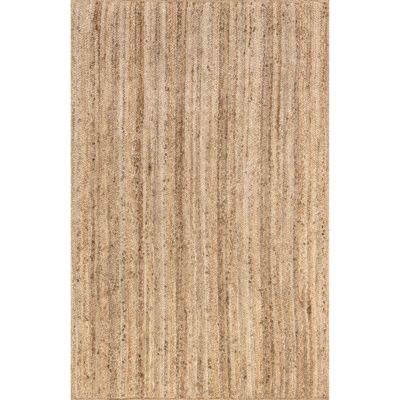
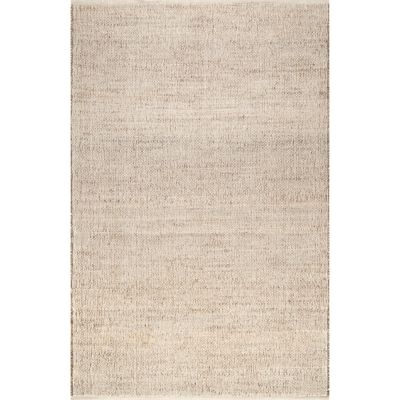
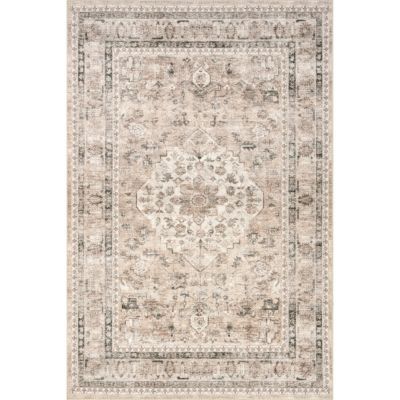
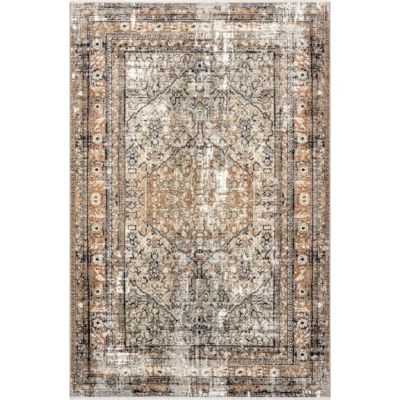
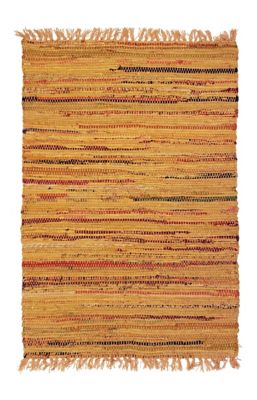
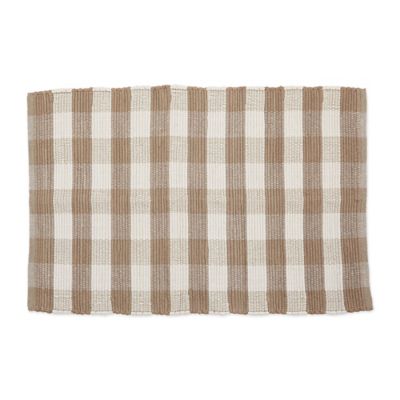
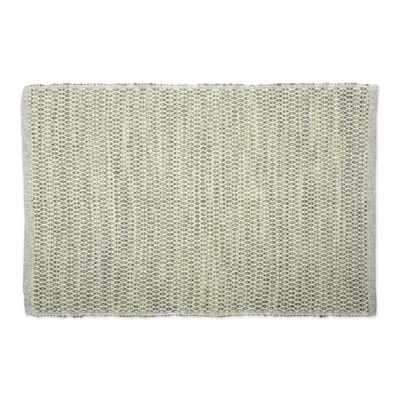
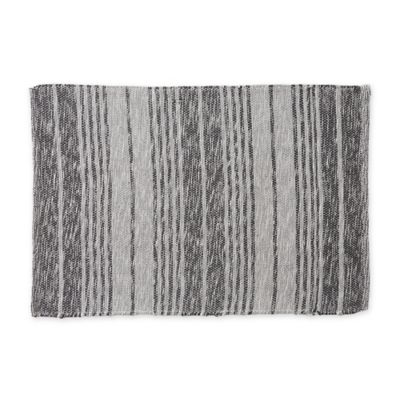
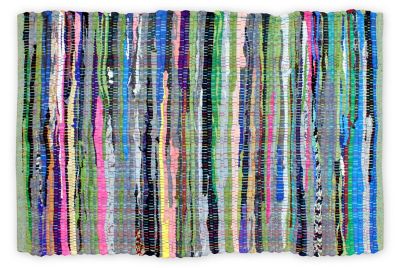
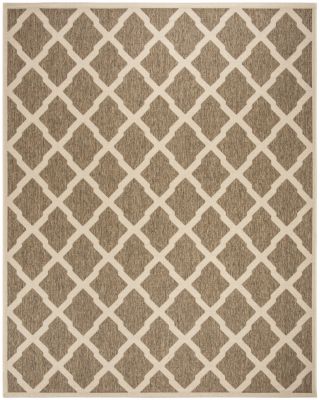
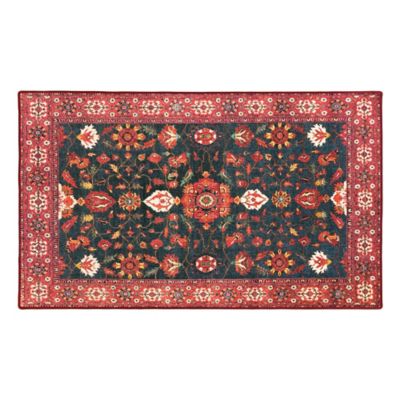
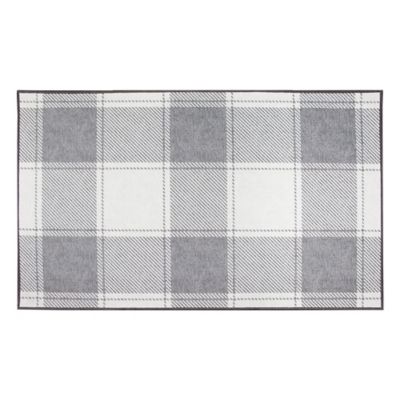
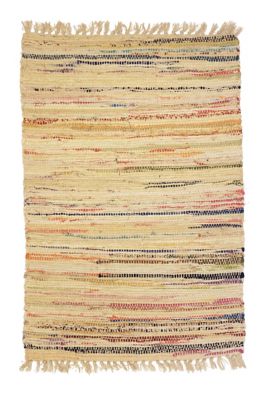
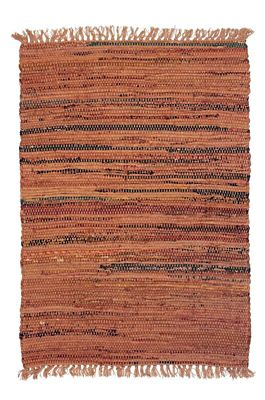
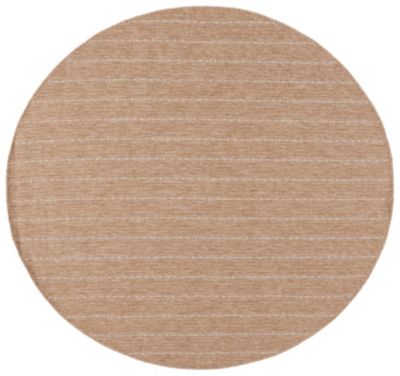
Oval rugs for living room spaces bring a softer outline to a room filled with straight edges, from a square coffee table to a long sofa and a wall of bookshelves. Their curved ends help define a seating area without adding another sharp corner to the floor plan. That shape can feel right at home beside a reclining chair, beneath a small conversation area, or in a long living room where a rectangular rug looks a little too boxy. In an open floor plan, an oval can give the sitting area its own footprint while leaving the surrounding flooring visible. The best fit depends on the furniture arrangement as much as the room’s overall size. A rug that reaches beneath the front legs of a sofa and nearby chairs helps tie the seating together, while a smaller oval beneath a coffee table creates a more contained accent. Since the sides curve inward near the ends, the listed length and width do not tell the whole story; furniture feet need enough room to rest comfortably inside those curves. Recliners also need clearance when the footrests extend, and doors should swing freely over the rug and pad. Color and pattern play a part in how settled the room feels. Earth tones pair easily with wood floors, leather seating, and stone fireplaces, while lighter shades can brighten a space with dark furniture. Braided patterns, narrow borders, and mixed-color designs each bring a different look without changing the rug’s practical purpose. A border draws attention to the oval outline, while an allover pattern keeps the eye moving across the seating area. For a farmhouse living room, a simple weave can sit comfortably alongside a well-loved rocker and a sturdy end table. In a more streamlined space, a solid color or quiet pattern lets the curved shape do more of the work. Either way, the rug should feel connected to the room rather than crowded into it.
Material and construction make a real difference once an oval living room rug becomes part of everyday life. Wool has natural spring and a comfortable feel underfoot, making it a good match for seating areas where people gather often, though shedding can occur and cleaning calls for attention to the care label. Cotton offers a softer, more relaxed look and is often found in lighter constructions, but a cotton rug is not necessarily machine washable. Polypropylene and polyester can provide color, softness, and resistance to certain stains, with performance depending on the fiber, weave, backing, and finish. Natural plant fibers such as jute bring visible texture and earthy color, but they generally need extra caution around moisture and may feel rougher against bare feet. Braided construction gives an oval rug a familiar, homey look, with rows of color that follow the curved edge. Flatwoven options sit closer to the floor and can make furniture placement easier, while a thicker pile adds softness where children play or family members settle in for a movie. For a deeper surface underfoot,
Plush Living Room Rugs offer another texture to consider alongside the room’s layout and cleaning needs. Taller pile can catch more crumbs, pet hair, and small bits of debris, so that extra softness comes with a different care routine. Lower pile often makes it easier to move a vacuum across the surface and spot a dropped puzzle piece. Neither thickness nor weight alone tells the whole story about how a rug will hold up. Tight construction, secure edges, and a backing suited to the floor all matter, especially along the path between the couch and the hallway. In a home with pets, a close weave may be preferable to loose loops that can catch claws. For a favorite chair where someone reads or knits, a softer surface may matter more than it would along a busy walkway. The right balance comes down to what happens in that part of the room every day.
Care is another part of choosing an oval rug that fits the household. A living room where boots cross the floor, dogs nap beside the sofa, and snacks land near the coffee table asks more of a rug than a sitting room reserved for company. Mixed colors and small-scale patterns can make everyday lint and minor marks less noticeable, though they do not replace regular cleaning. Vacuum settings should match the rug’s construction, since rotating brushes can be too rough for some fibers, loops, or bound edges. Following the manufacturer’s directions helps protect both the face of the rug and its backing. Spills are best blotted promptly with a clean cloth rather than rubbed into the fibers, and any cleaning solution should be checked against the care instructions and tested in an out-of-sight spot. Washable styles still need to fit the washing machine’s capacity and follow the listed drying method; larger rugs may call for professional cleaning instead. A properly sized rug pad can add cushioning, limit shifting, and reduce friction against the floor, but the pad material needs to be compatible with the flooring and its finish. Keeping it slightly inside the rug’s edge helps the oval lie neatly without the pad showing. Occasional rotation can spread foot traffic and light exposure more evenly, particularly when one end sits near a window or a favorite recliner. Furniture cups may help distribute weight beneath heavier pieces when appropriate for the rug and floor. These small details matter in a room meant for putting feet up and spending time together. An oval rug can also make a thoughtful housewarming gift for someone setting up a new place, especially when the room measurements, preferred colors, and care expectations are already known. Whether the room holds a sprawling sectional or just a loveseat and two chairs, a well-proportioned oval brings the seating area together and puts a comfortable layer between everyday activity and the floor beneath it.