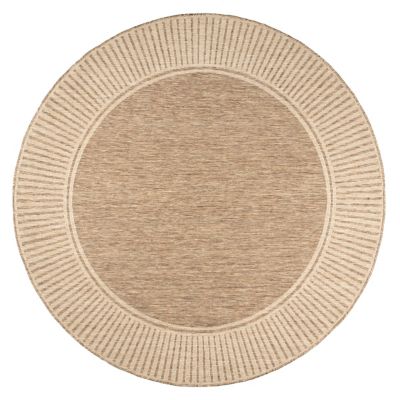
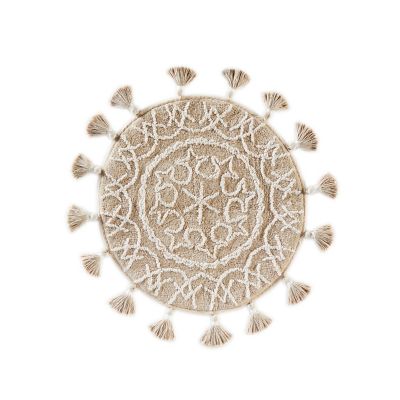
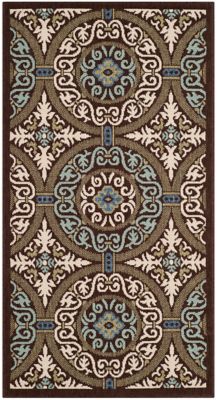
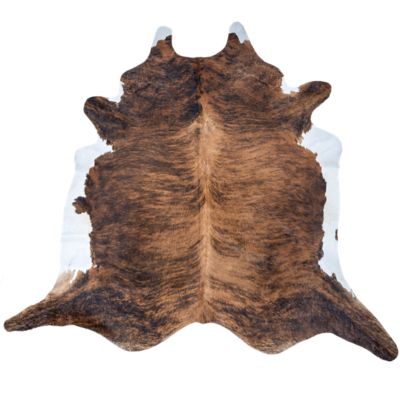
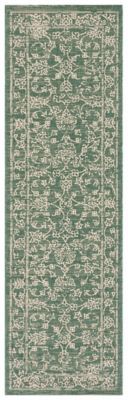
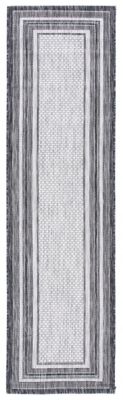
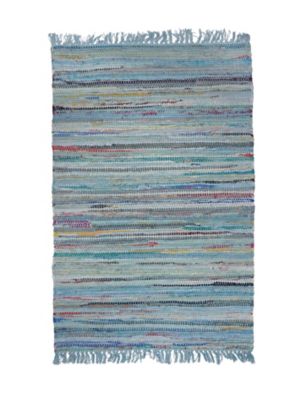
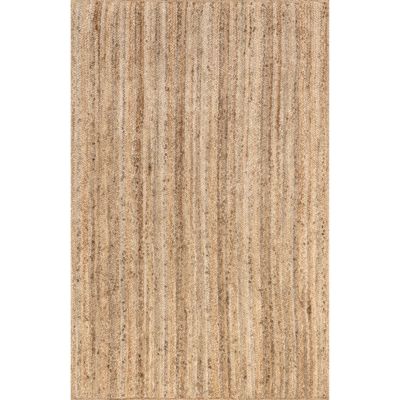
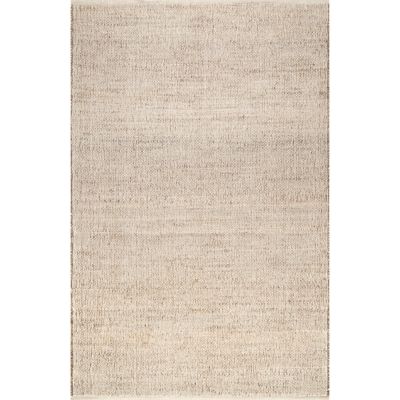
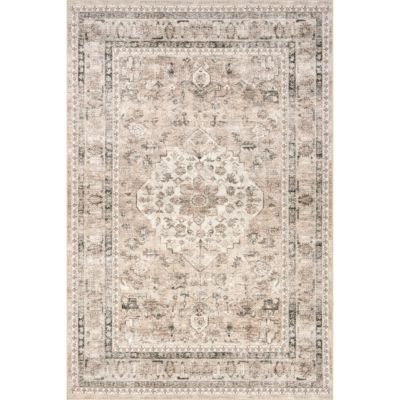
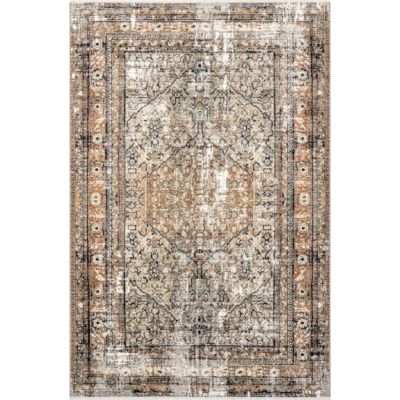
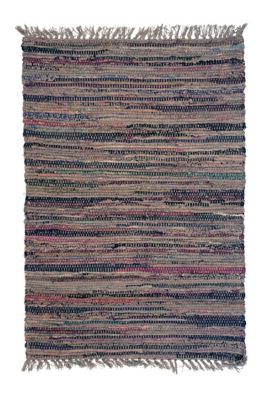
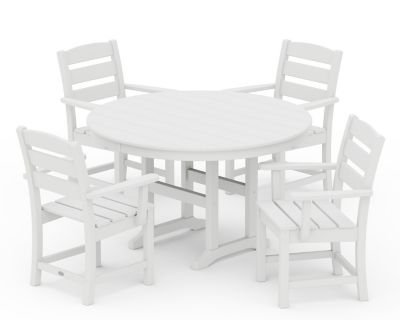
Dining room round rugs give the table and chairs a place of their own, whether meals happen in a farmhouse dining room, a breakfast nook, or one corner of an open living space. The curved edge breaks up the straight lines of walls, cabinets, and floorboards without making the room feel fussy. Beneath a round table, that shape repeats the tabletop’s outline and leaves an even border around the seating area. A round rug can also sit beneath a square table, provided its diameter leaves enough space beyond the corners for chairs to move. Size matters more than matching shapes exactly: a dining rug generally needs to extend at least 24 inches beyond every edge of the table, with closer to 30 inches offering extra room for larger chairs. For a round table, that means adding at least 48 inches to the table’s diameter, not just 24 inches. A 4-foot round table calls for an 8-foot round rug as a starting point, while a 5-foot table calls for a 9-foot rug. The best fit keeps all chair legs on the rug when someone pulls back to sit down or get up. That little bit of room makes a difference when a child scoots toward the table or someone steps away to bring over another serving dish. Centering the rug beneath the dining set, rather than beneath the room itself, helps the arrangement feel settled. In a larger room, exposed flooring around the perimeter gives the circular outline room to show. In a tighter space, clearance around a sideboard, doorway, or main walking path deserves just as much attention as table size. An extension table needs room for its expanded footprint if the extra leaves stay in place often. These proportions help a round dining room rug support everyday meals without crowding the furniture around it.
Material and construction shape how a rug feels underfoot and how it handles the busy stretch between breakfast and supper. Wool brings a soft feel and natural resilience, making it a comfortable option for a dining room that also serves as a gathering spot for homework, card games, and long conversations. It can shed, especially at first, and spills still need prompt attention; natural resistance to soiling does not make any rug stainproof. Polypropylene and polyester are common synthetic choices, with performance depending on the fiber, weave, backing, and any applied treatment. Polypropylene resists moisture absorption, while polyester can hold color well, but neither takes the place of checking the care label. Cotton rugs can feel lighter and more flexible, and some have washable constructions suited to everyday messes. Jute and sisal bring a coarse, earthy texture that pairs comfortably with wood furniture, although absorbent plant fibers are less forgiving of spilled drinks and repeated wet cleaning. For most dining areas, a low-pile or flatweave round rug makes practical sense. A shorter surface gives chair legs less material to push through and leaves fewer places for crumbs to settle than a deep shag. Tightly woven construction and neatly finished edges also matter where chairs travel across the same spots day after day. A rug pad can help limit shifting and reduce abrasion beneath the rug, but it should suit both the rug backing and the floor manufacturer’s recommendations. A thin pad usually makes more sense beneath dining furniture than thick cushioning that lets chair legs sink. Doors must clear the combined height of the rug and pad, too. For a household with pets, smooth weaves may be easier to live with than raised loops that claws can catch. A busy dining space benefits from a balance of comfort, steady footing, and a surface that fits the way the family actually eats and gathers.
Color and pattern have plenty of practical value under a dining table. A small-scale pattern or a mix of neighboring tones can make everyday crumbs and minor marks less noticeable between cleanings, while a solid field puts more attention on the rug’s texture and the furniture above it. Neither very pale nor very dark colors hide every mess: floury crumbs show against dark fibers, and muddy footprints stand out against light ones. Earth tones, muted blues, and soft greens sit easily alongside oak, pine, painted chairs, and simple metal fixtures. A border can frame the dining set, though much of a center design may disappear beneath the table. Texture often does more work than an elaborate pattern in a room already filled with wood grain and family furnishings. In dining areas near a porch or patio door,
Indoor Outdoor Round Rugs offer another category to consider, particularly when the material and care directions suit frequent foot traffic and food spills. An indoor-outdoor label does not automatically mean a rug is machine washable, suitable for every floor, or safe to leave damp indoors. Routine care starts with vacuuming as directed, including around the chair legs where grit tends to collect. Rotating the rug periodically can spread out wear from a favorite seat or a heavily traveled side of the table. Blotting spills promptly with a clean cloth helps lift liquid without working it deeper into the fibers; rubbing can spread the mark or disturb the surface. Cleaning solutions need to match the care label and should be tested in an inconspicuous spot. For machine-washable rugs, the rug’s dimensions and the washer’s capacity both matter, and complete drying protects the flooring underneath. A well-fitting round rug earns its place through the ordinary routines of the house: chairs sliding in for breakfast, boots resting under the table, and family lingering after the plates are cleared.