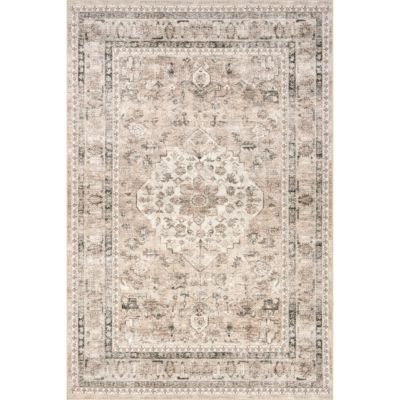
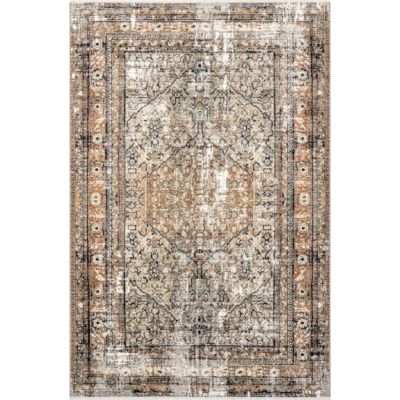
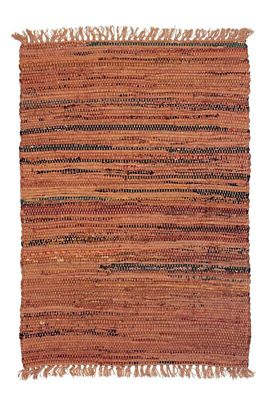
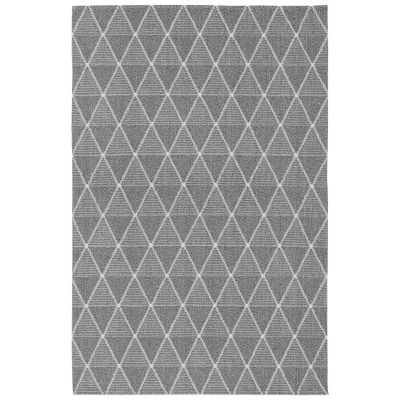
Plush living room rugs bring a soft, cushioned feel to the spot where the family settles in, whether that means a sofa facing the television or a couple of chairs beside a bookshelf. Their defining feature is a raised, soft pile—the fibers standing above the rug’s backing—which gives them more loft than a flatwoven rug. Shag rugs have noticeably long fibers and a loose, fluffy surface, while shorter plush piles offer softness with a more even finish. That difference matters in a room where bare feet, toy tractors, and the coffee table all share the same floor. Longer pile feels inviting in a quiet sitting area, while a denser, shorter pile can be easier to manage along a well-traveled path between the couch and the doorway. Fiber content also shapes how a rug feels and how it handles everyday life. Wool has natural resilience and a springy feel, though some shedding is normal, especially early on. Polyester often has a silky touch and holds color well, while polypropylene resists moisture absorption and many water-based stains. Neither material is stainproof, and oily spills can still need special attention. Microfiber describes very fine synthetic fibers, commonly polyester, that create a smooth, velvety surface. A rug with a foam layer may add cushioning, but its care requirements and ability to recover from furniture pressure depend on its construction. Pile height alone does not tell the whole story: fiber density, yarn thickness, and backing all affect the feel underfoot. A tall, loosely packed shag feels different from a closely tufted rug, even when both look fluffy in a photo. For households that spend plenty of time sitting on the floor, that balance of softness and support deserves a close look. These rugs suit everything from a farmhouse gathering room to a small apartment living area, giving hard floors a softer landing without requiring wall-to-wall carpet.
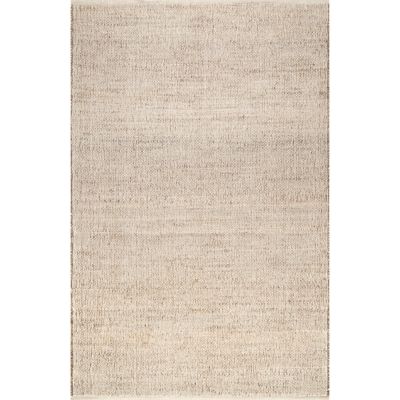
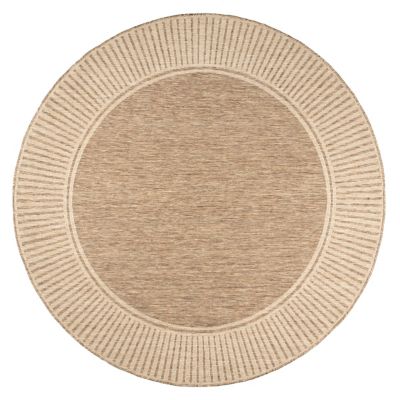
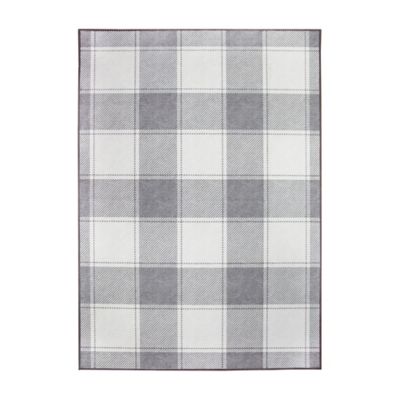
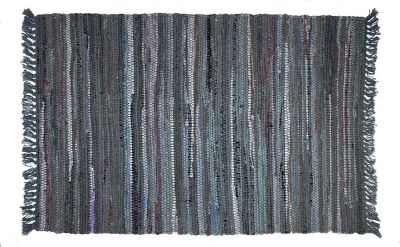
Size and placement help a plush area rug feel like part of the room rather than an extra piece dropped in the middle. Common living room rug sizes include 5-by-8, 8-by-10, and 9-by-12 feet, but the right fit comes down to the furniture footprint and the open floor around it. A smaller rug can define a compact seating nook, while a larger rectangle often works better beneath a full sofa-and-chair arrangement. Having the front legs of the main seating pieces rest on the rug helps tie the grouping together; a rug that holds all the furniture legs gives a larger sitting area a more continuous foundation. Enough space around the coffee table keeps feet on the soft surface instead of right at the edge. In an open floor plan, a rug can mark the living area without interrupting the path to the kitchen or dining table. Door swing, floor vents, hearth clearance, and recliner movement all matter, especially with a thick pile. A recliner’s moving footrest needs room to operate without catching the fibers, and a door should clear both the rug and any pad underneath. Rectangular shapes follow the lines of most sofas, while round rugs can soften a grouping of chairs or fit a smaller conversation corner. Color and pattern make just as much difference to the everyday feel of the space. Cream, oatmeal, and light gray create a quiet backdrop for wood furniture and patterned upholstery, though pale shades tend to show muddy paw prints and tracked-in soil. Heathered yarns, mixed tones, and subtle patterns can make everyday lint and small marks less noticeable. Deep brown, charcoal, or muted blue can anchor a room, but dark solids may show light-colored pet hair. For a firmer, woven texture rather than a fluffy surface,
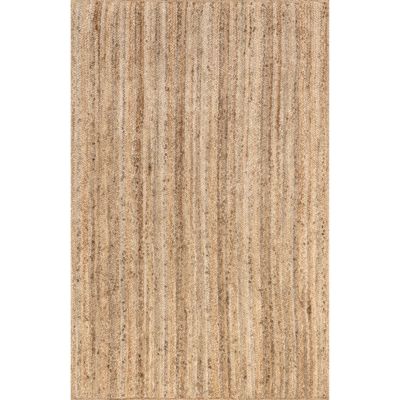
Jute Rugs for Living Rooms offer another direction. Plush styles put the emphasis on softness, making them especially inviting near the sofa or wherever family members like to stretch out.
Everyday care is part of choosing a plush living room rug, particularly in a house with children, pets, or a steady stream of boots coming in from outside. Deep pile can hold crumbs, grit, and pet hair below the surface, so a rug’s cleaning needs should match the time and equipment the household can give it. Regular vacuuming helps keep grit from working against the fibers, but the right vacuum setting depends on the rug. Many long-pile rugs need suction-only cleaning or a raised brush setting because an aggressive rotating brush can pull or tangle the yarns. The care label is the best starting point, and rug edges and fringe need extra attention to avoid snagging. Spills call for prompt blotting with a clean, absorbent cloth rather than hard scrubbing, which can spread the mark and rough up the pile. Any cleaning solution should suit the fiber and be tested in a hidden spot first. Washable construction can make sense for a busy family room, but “washable” does not always mean a large rug will fit in a household machine. Rug dimensions, machine capacity, backing material, and drying instructions all count; some rugs need professional cleaning or spot treatment instead. Thorough drying matters because moisture left in a thick pile or backing can lead to odors and mildew. A compatible rug pad can help limit shifting and add cushioning, though the pad and rug backing should both be suitable for the floor finish. Too much padding beneath an already lofty rug can make the surface less steady for rolling furniture, walkers, or anyone who needs firm footing. Routine rotation helps spread foot traffic and light exposure across the rug, while furniture cups may reduce concentrated pressure under narrow legs. Pet nails and looped yarns can be a tricky pairing, so cut-pile construction may be worth considering for homes with animals that paw at their resting spots. With a sensible match between fiber, pile, room layout, and care needs, a plush rug can serve as the comfortable center of a living room that sees real family life.