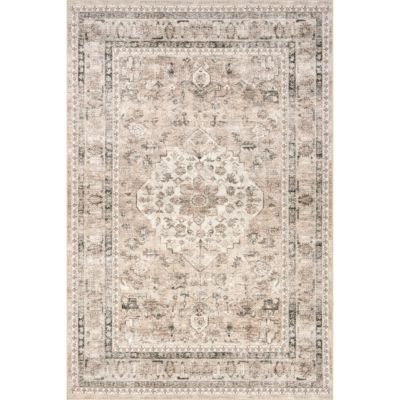
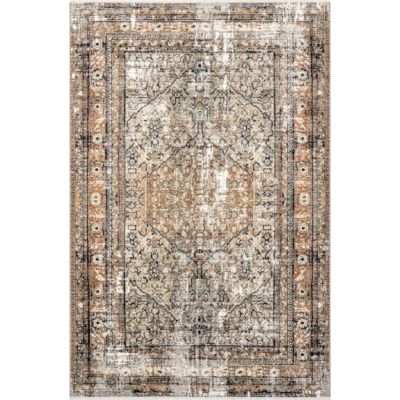
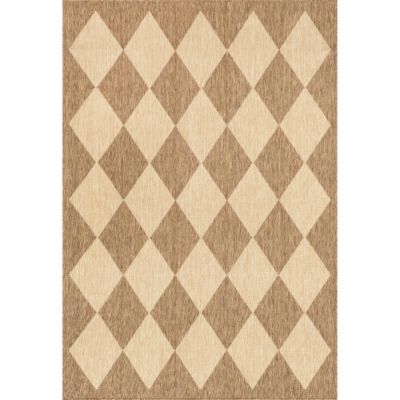
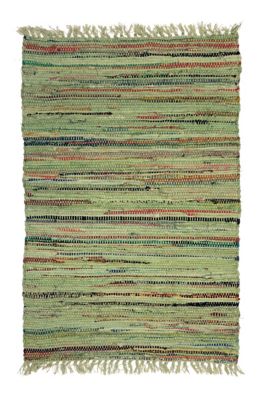
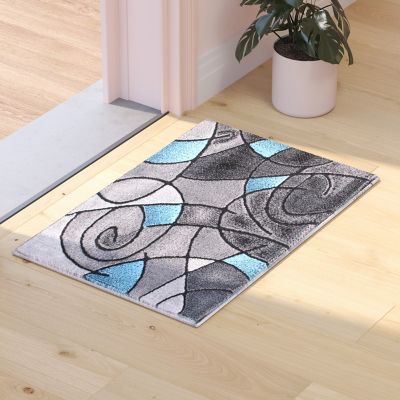
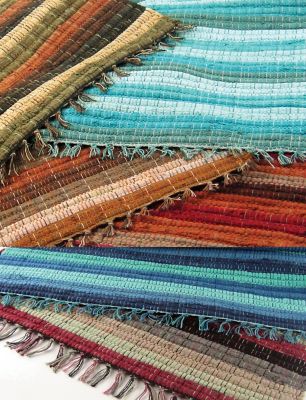
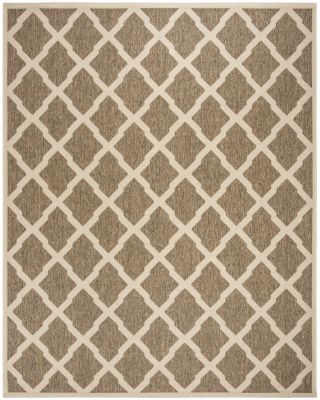
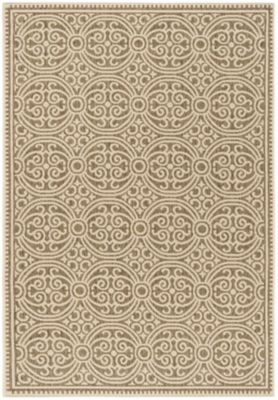
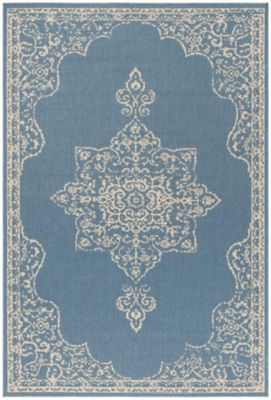
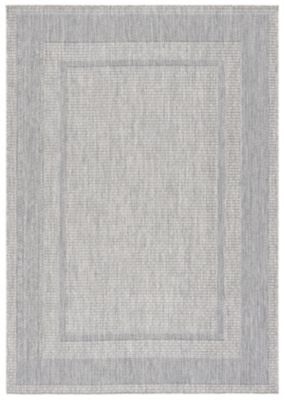
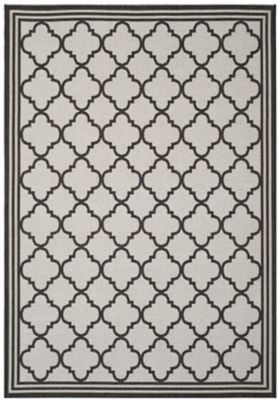
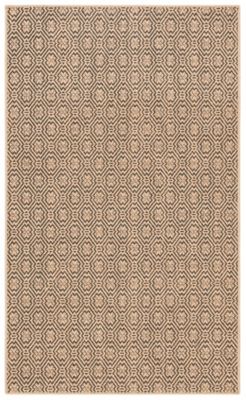
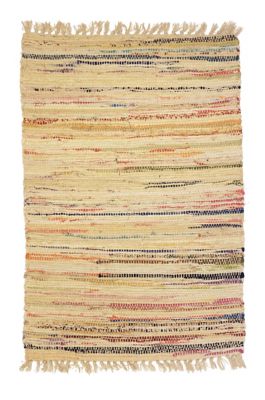
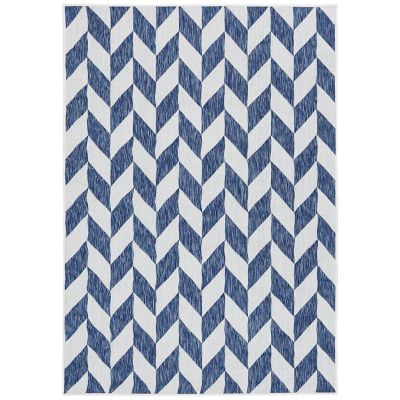
Dining room area rugs bring warmth, color and a finished look to the place where family meals, Sunday suppers and everyday catch-ups happen. They can help define a dining area in an open floor plan, soften hard flooring underfoot and make a table feel more settled in the room. A well-chosen rug also adds a bit of comfort during the cooler months, when the dining room becomes a welcome spot for slow meals and lingering around the table. Before choosing a size, measure the table from end to end and side to side, then allow at least 24 to 36 inches of extra rug space on every side. That added room gives dining chairs space to stay on the rug when they are pulled out, rather than catching on the edge or scraping across the floor. For example, a table that measures 72 inches long generally needs a rug that is at least 120 inches long, with a little more room often making the setup feel easier and more generous. Painter’s tape can help you mark the proposed rug dimensions directly on the floor, giving you a simple way to check walkways, nearby furniture and door clearance before making a choice. Leave enough room around the dining set for people to move comfortably, especially in busy homes where someone may be carrying a casserole, helping a child to the table or stepping away to refill a glass. If the dining space shares a room with the living area, consider how the new rug will sit beside any existing floor coverings. Similar colors or complementary patterns can help the spaces feel connected, while too many competing designs may make the room look crowded.
The shape of the rug can follow the shape of the dining table for a balanced, easygoing arrangement. Rectangular and oval rugs pair naturally with rectangular tables, while a round rug can echo the lines of a round table and make a smaller dining nook feel especially welcoming. That does not mean every piece has to match perfectly. A round table on a square or rectangular rug can create an appealing contrast when the proportions leave enough room for chairs. Pay close attention to pile height, too. Low-pile and flat-woven rugs are practical choices for dining areas because chair legs can move across them more easily, and crumbs are less likely to disappear deep into the fibers. Smooth, tightly woven surfaces are also simpler to sweep or vacuum after a meal. In a home where muddy shoes, pets or busy little hands are part of daily life, washable or stain-resistant construction can make cleanup less of a chore. Look for colors and patterns that suit the way the room is used. A lightly patterned rug can disguise small bits of dust or an occasional drip between cleanings, while darker shades may give a large dining space a cozier, more grounded feel. Lighter colors can help a compact room feel open and airy, though they may call for quicker attention when spills happen. Think about the flooring beneath the rug as well. Wood, laminate, tile and sealed concrete each bring their own tone to the room, and a rug can either highlight that character or add a soft layer of contrast. In a farmhouse kitchen or dining room, natural-looking colors, relaxed patterns and sturdy textures tend to blend comfortably with wood furniture, metal accents and everyday workwear-inspired details. Those who like that easy, lived-in style may also enjoy browsing
Modern Farmhouse Area Rugs for additional ideas that suit a home with plenty of character.
Dining room area rugs are useful for more than formal entertaining. They can anchor a breakfast table where coffee is poured before chores, give a townhome dining corner a more finished feel or add comfort beneath a table used for homework, card games and weekend baking projects. They also make a thoughtful housewarming gift for someone settling into a new home, especially when the giver knows the recipient’s table size and decorating style. A rug can mark the start of a new dining space for newlyweds, first-time homeowners or families moving into a larger place, but it is best to confirm measurements before gifting one. When selecting a rug for someone else, neutral colors and flexible patterns are often easier to work with, while a more distinctive pattern can suit a friend who enjoys decorating with bold color. For any household, make sure the rug lies flat and use an appropriate rug pad when needed to help reduce sliding, add cushioning and protect the floor beneath. Check that doors do not catch on the edges and that chair legs do not snag as they move in and out. Regular vacuuming, prompt blotting and following the care instructions can help keep the rug looking good through spilled gravy, tracked-in dirt and the steady traffic that comes with shared meals. Blot spills rather than rubbing them deeper into the fibers, and keep a few basic cleaning supplies close by for those inevitable moments when a plate tips or a cup gets knocked over. With the right size, shape, texture and care routine, a dining rug can handle real household living while making the whole room feel warmer, more comfortable and ready for the next meal.