Outdoor washers can make laundry and cleanup more manageable when you spend a lot of time away from a traditional laundry room. In this category, the term may refer to compact portable washers made for camping, RVs, cabins, tiny homes and other off-grid setups, or to a full-size household washer placed in a protected outdoor utility area. Portable units are often a practical choice for washing work clothes, muddy socks, towels, pet bedding and everyday garments when space, water or electrical service is limited. Some models use a small electric motor, while others rely on hand operation, making them useful at a campsite, hunting cabin or seasonal property. Their smaller tubs may require several loads, but that tradeoff can be worthwhile when you are hauling water or trying to keep a little cabin from filling up with bulky appliances. Before choosing an outdoor washer, think about the kind of laundry you expect to handle, how many people will use it, and whether you need a wash cycle, a spin cycle or both. A compact washer can be a thoughtful gift for someone who camps often, lives in an RV, manages a remote homestead or is setting up a first tiny home. It can also lend a hand during busy stretches when muddy workwear piles up faster than the indoor machine can keep up. Keep in mind that portable washers are not magic stain removers on their own. Shake out dirt, brush off dried mud and check pockets before loading, then use a suitable detergent and avoid packing the tub so tightly that clothing cannot move freely. For a hand-operated unit, steady cranking and smaller loads generally produce better results than trying to wash an entire week of clothes at once. A nearby drying rack, clothesline or sturdy folding stand can round out the setup, especially during warm, breezy weather when clothes can dry quickly.
A standard household washer is a different matter. Most full-size machines are designed for indoor installation and are not automatically rated for life on an open porch, patio or deck. Rain, blowing dust, damp air, direct sunlight and temperature swings can damage metal panels, belts, hoses, wiring and electronic control boards. Water that collects beneath the cabinet may lead to rust, while insects and mice can look for a warm, dark place inside an idle appliance. If a full-size washer is part of an outdoor laundry setup, place it only in an area that gives complete protection from rain and runoff, such as a deep covered porch, enclosed utility room or properly built exterior closet with suitable ventilation. Follow local electrical and plumbing requirements, the installation directions and the manufacturer’s warranty terms before connecting anything. Outdoor placement may not be covered by a warranty, and an improvised connection can create a shock, fire or flood hazard. The machine should sit level on a firm, stable base that keeps it above puddles and splashback. A raised platform made for the appliance can help protect the bottom, but it must be strong enough to support the washer and steady enough to handle vibration during the spin cycle. Avoid balancing a machine on loose blocks or an unstable pallet. Use properly rated hoses, secure drain lines so they cannot jump loose, and keep plugs, outlets and extension cords away from wet areas. A waterproof cover may help when the washer is not in use, but a cover is not a substitute for a roof or an enclosed, weather-protected space. Let the unit dry out between uses, inspect hoses and connections for cracking, and unplug electric equipment when severe storms are moving through if doing so is safe and allowed by the installation instructions. Simpler controls may be easier to operate in a dusty utility space, but every machine still needs protection from moisture and extreme conditions.
The right outdoor washer depends on the chores around your place and the way your water and power are set up. Campers and RV owners may prefer a lightweight unit that can be moved, stored and drained without much fuss. A cabin owner may value a compact design that fits beneath a counter or in a small utility corner, while a large household may need greater capacity for bedding, towels and several days of work clothes. Check the washer’s dimensions against the available space, including room for hoses, drainage and the lid or door to open fully. Pay attention to load capacity, operating weight, water use, power requirements, cycle length and the way the unit drains. If you will carry it to a campsite, remember that a washer that seems manageable on paper feels much heavier after a long walk from the truck. Manual models can work well where power is unavailable, but they require more hands-on effort. Electric portable models save time but need a safe, dry power source and may not work well with undersized generators or overloaded circuits. For muddy farm clothes, keep a separate hamper and rinse heavily soiled garments outdoors before washing them; nearby
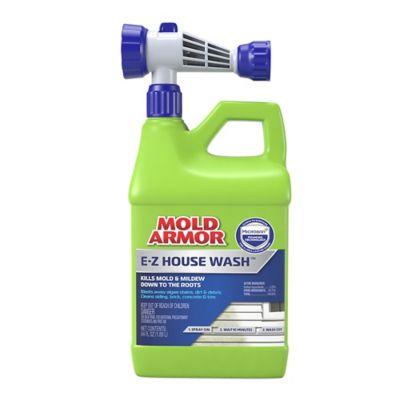
Outdoor Cleaners can help with the surrounding chores, from dusty gear to grimy utility areas. As the weather warms, an outdoor washer can be especially handy after gardening, fishing, trail riding or a long day working around livestock. During the cooler months, a sheltered setup can still serve well for utility towels and chore clothes, provided hoses are protected from freezing and the machine is kept dry. Store portable units clean and drained when they will sit unused, leave lids open long enough for the tub to dry, and keep detergents secured away from children, pets and animals. With the right location, safe connections and a realistic idea of the laundry load, an outdoor washer can be a useful part of a camp, cabin, RV or rural utility setup instead of one more appliance fighting the weather.