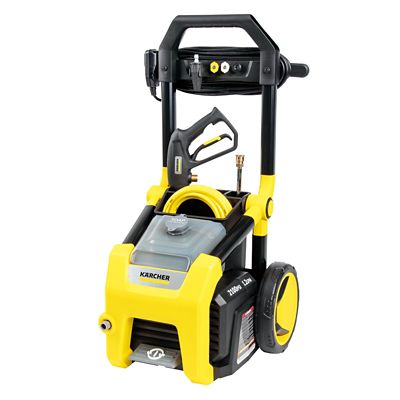
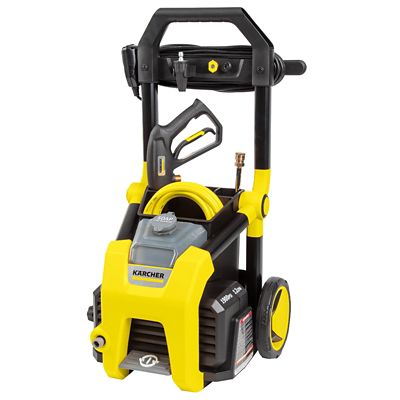
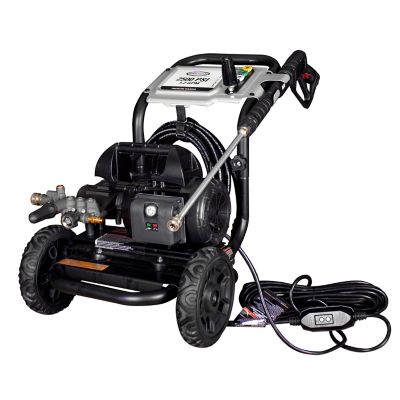
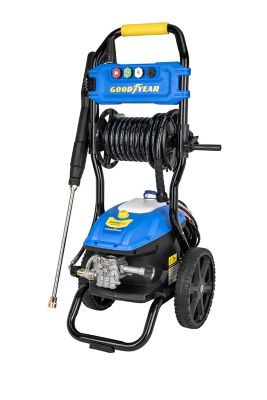
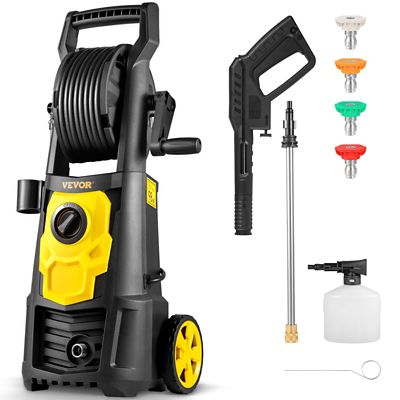
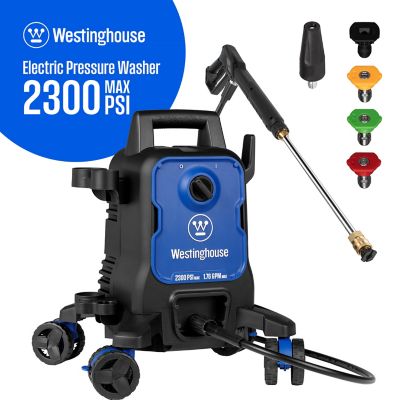
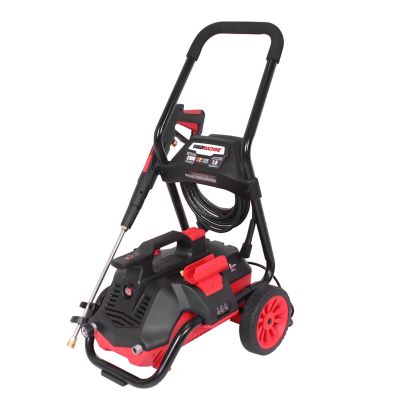
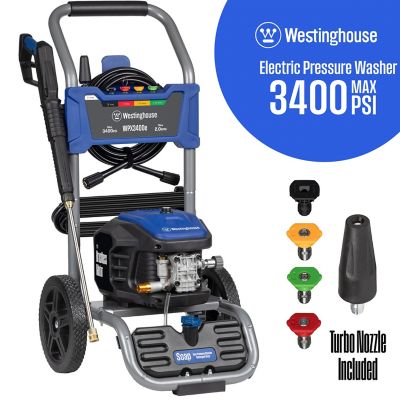
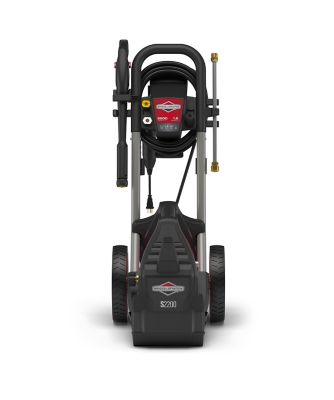
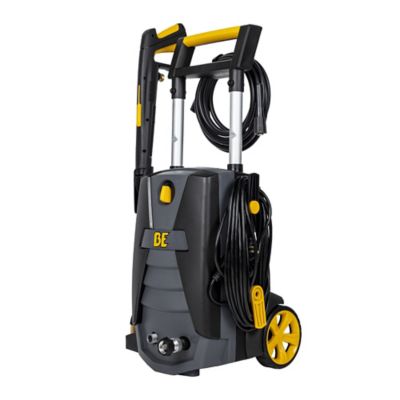
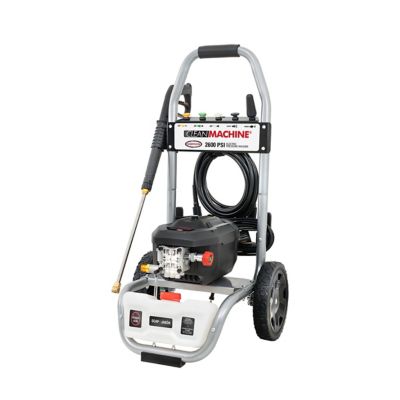
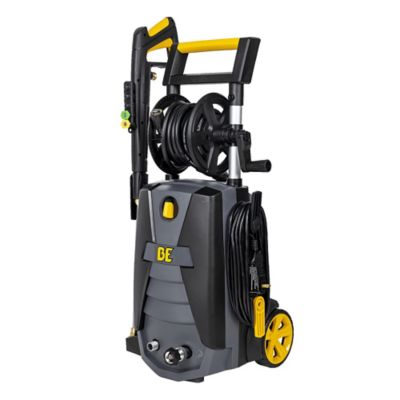
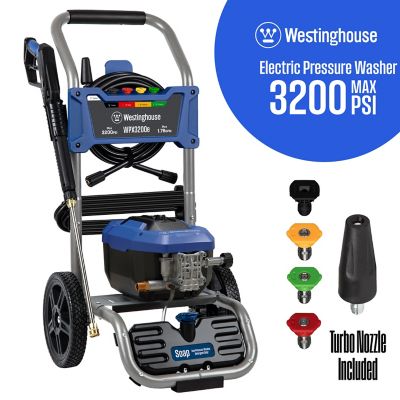
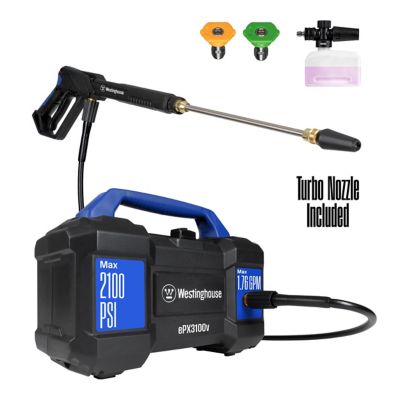
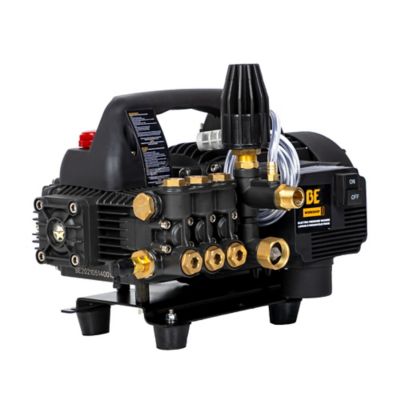
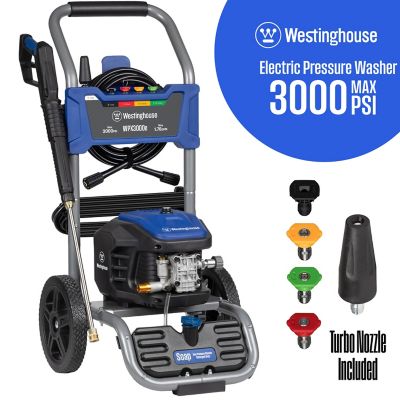
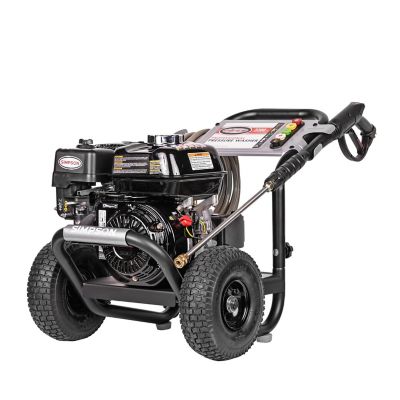
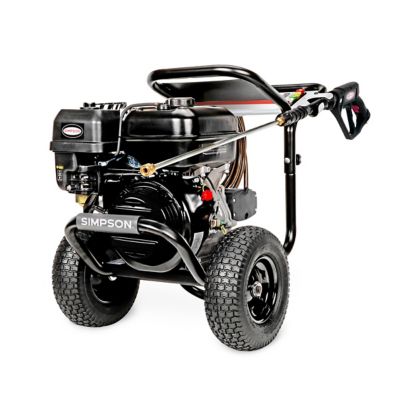
Electric washers for outdoor cleaning use an electric motor and pump to deliver a pressurized stream of water through a hose, trigger gun and spray nozzle. Unlike laundry machines, these washers are built to clean compatible outdoor surfaces, from concrete walkways and pickup beds to patio furniture and utility trailers. They can be a practical fit for homeowners, acreage owners and folks who want to knock dirt off equipment without tending a gasoline engine. Their working range depends on access to both electricity and a suitable water supply, making cord length, hose reach and faucet location part of the overall setup. Many residential electric pressure washers connect to standard 120-volt household power, though electrical requirements vary by model. There’s no gasoline tank to fill, but the motor, pump and connections still need proper care. For everyday chores, the appeal is straightforward: concentrated cleaning power in a package that can move between the driveway, porch and work area. A compact upright design can tuck alongside other tools, while a wheeled frame can make longer trips across a property easier. The right fit depends on the work ahead. Rinsing dust from outdoor furniture calls for a different spray pattern than lifting packed dirt from a sound concrete pad. Painted siding, wood, seals and vehicle finishes need particular attention because too much pressure can leave marks, strip coatings or force water into places it does not belong. Cleaning around tractors and other equipment also means respecting bearings, wiring, air intakes and manufacturer restrictions. An electric washer is useful for regular upkeep, but it is not a substitute for surface repairs, proper cleaning solutions or equipment-specific care. For a small property with a driveway, shed and a few outdoor work areas, having the right reach and manageable controls can matter just as much as the pressure number on the carton.
Pressure and water flow describe different parts of an electric washer’s performance. Pounds per square inch, or PSI, measures water pressure, while gallons per minute, or GPM, measures flow. Pressure helps loosen dirt; flow helps carry it away. A higher advertised PSI figure alone does not show how quickly a washer will finish a job, and comparisons make more sense when both figures reflect the same operating conditions. Rated working specifications can be more useful than peak claims when matching a machine to regular chores. For cleaning that does not call for heated water,
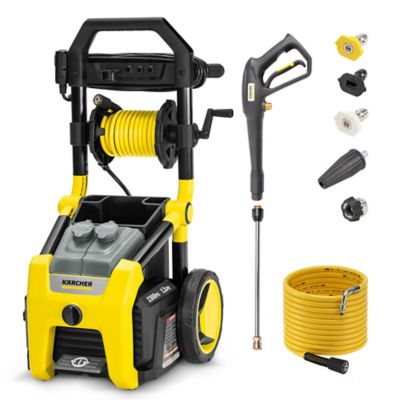
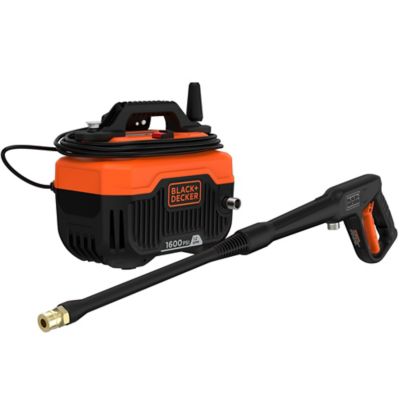
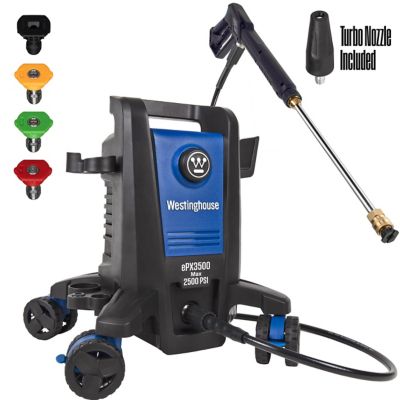
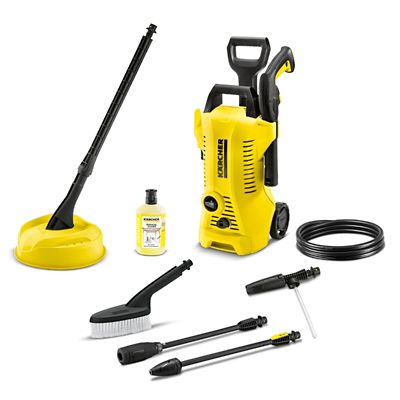
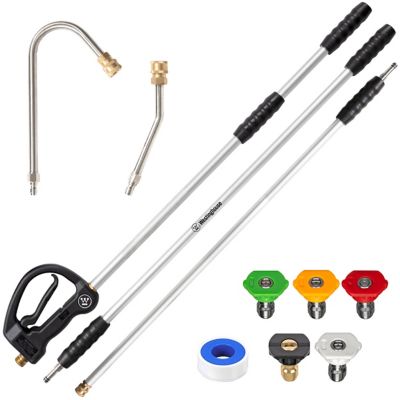
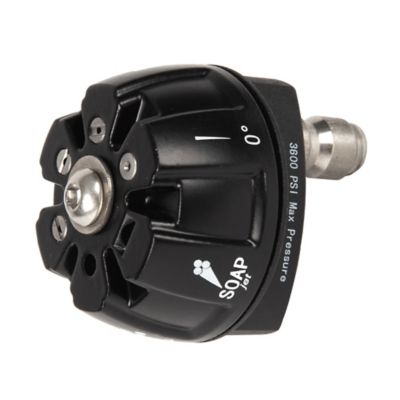
Electric Cold Water Pressure Washers provide a related option built around an unheated water supply. These machines suit many routine rinsing and washing tasks, while heavy grease or deeply embedded stains may call for an appropriate detergent, additional treatment or another cleaning method. Nozzle selection also shapes the results. A wider fan spreads the spray across a larger area, while a narrow pattern concentrates force and increases the chance of surface damage. Adjustable spray wands and interchangeable tips offer different ways to manage that pattern, depending on the washer’s design. Detergent tanks or compatible soap attachments can help distribute pressure-washer-approved cleaning solutions, but chemical compatibility and application pressure depend on the equipment instructions. Household bleach, solvents and other harsh chemicals are not automatically suitable for a washer’s pump, seals or fittings. Accessory fit matters as well: hose connections, wand couplers, pressure ratings and attachment requirements need to match the machine rather than simply look alike. A surface-cleaning attachment may help cover a broad, level concrete area more evenly, but it still has to fall within the washer’s stated operating range. Taken together, pressure, flow, spray pattern and attachment compatibility tell a fuller story than motor size or a single headline number. They help separate a washer suited to a few chairs and a short walkway from one better matched to repeated cleaning across larger hard surfaces.
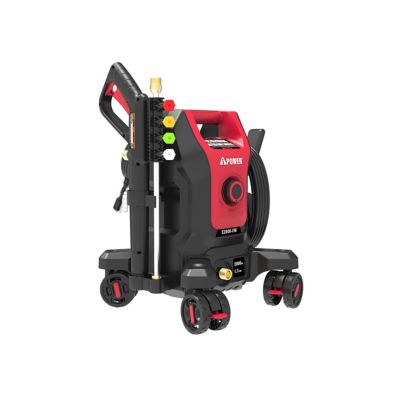
Construction and handling details make a difference once the washer leaves the storage spot. Molded housings can keep overall weight manageable, while frame design, wheel size and handle placement affect how the machine travels over gravel, across thresholds and around a shop. Metal fittings, reinforced hoses and accessible inlet screens are worth considering alongside the pump’s maintenance requirements. No material makes a washer immune to wear: dragging a hose across sharp edges, cross-threading a coupling or letting grit enter a connection can shorten the life of otherwise serviceable parts. Hose flexibility matters when working around trailer corners or porch posts, and a longer hose can reduce how often the machine needs moving. Extra length also means more hose to coil, carry and store. Onboard spaces for nozzles, the wand and the power cord can help keep small parts together, while a stable base reduces awkward repositioning during a job. Trigger comfort is another practical consideration for anyone tackling more than a quick rinse, especially when gloves are part of the work routine. Electric washer care generally includes keeping water connections clear, inspecting the hose and cord, and following the manufacturer’s draining, flushing and storage directions. A pump needs the specified water supply, and running it without adequate flow can cause damage. Electrical protection matters around water, so the correct grounded connection, ground-fault protection and any extension-cord limits belong in the setup. Automatic motor shutoff, when included, can stop the motor when the trigger is released, but it does not remove trapped pressure or replace the shutdown procedure. Spray should stay clear of people, animals, outlets and electrical components, with eye protection suited to flying grit and splash. Runoff deserves attention around wells, gardens and animal areas, particularly when detergent or equipment residue is involved. A washer that matches the property’s connections, storage space and regular cleaning jobs is easier to keep ready for the next muddy trailer, dusty porch or dirt-covered walkway.