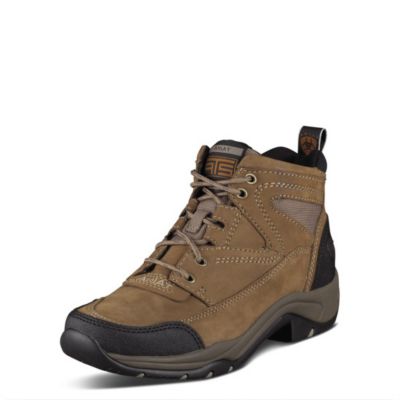
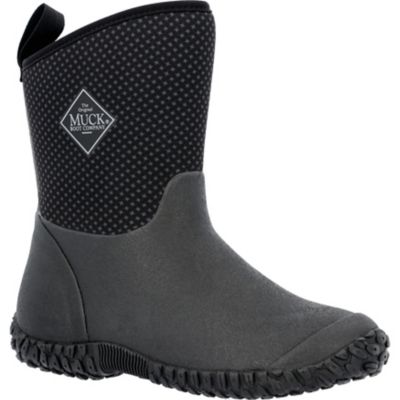
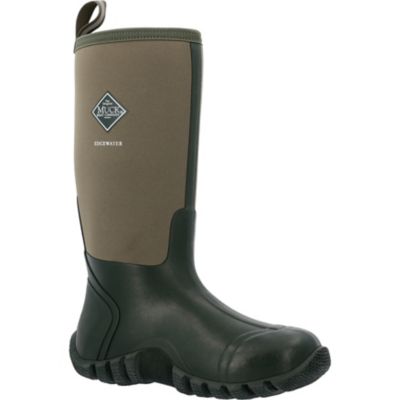
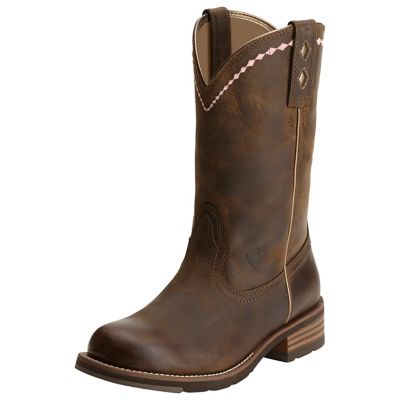
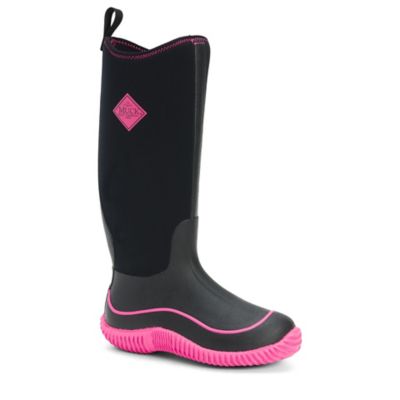
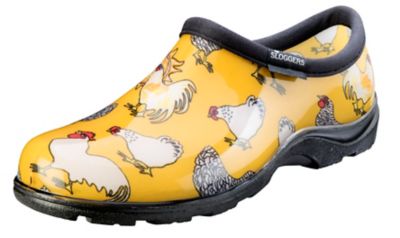
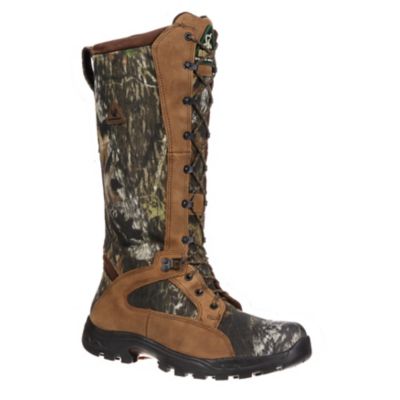
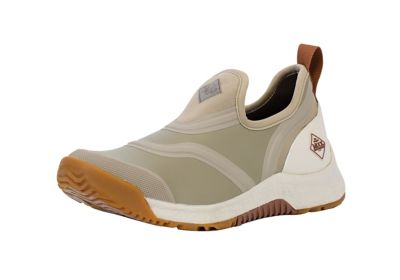
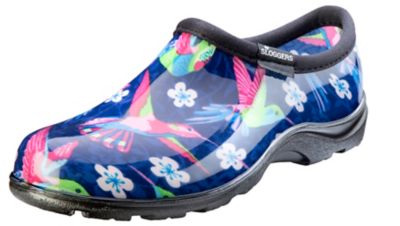
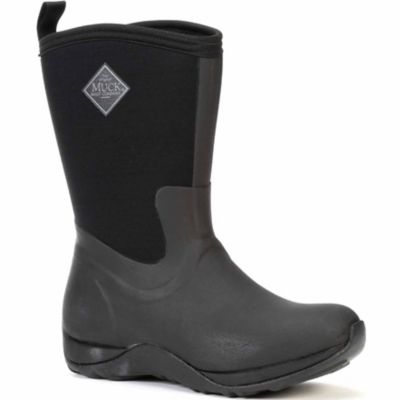
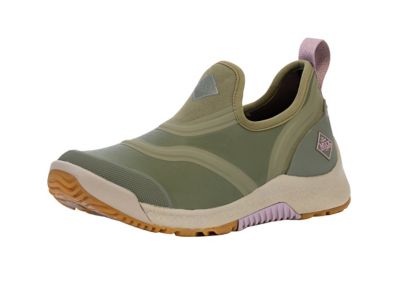
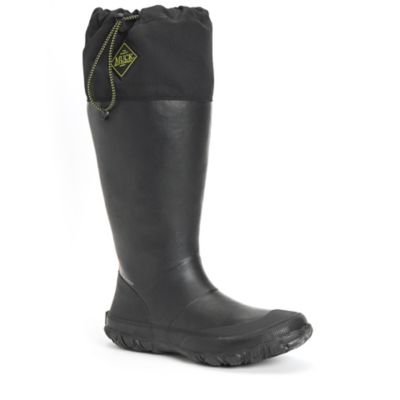
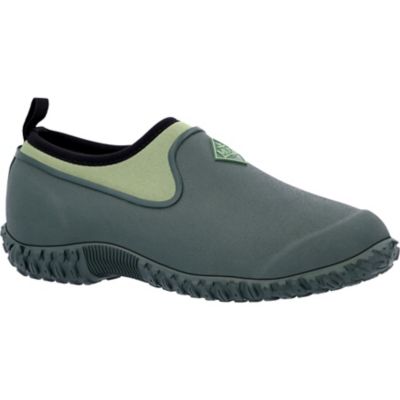
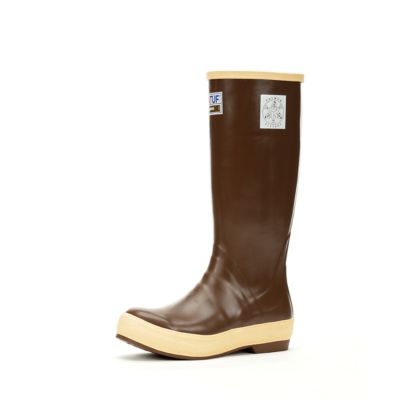
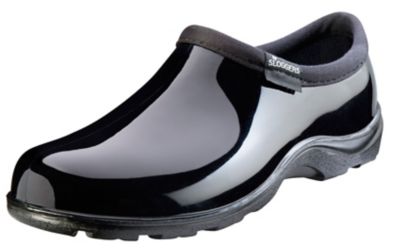
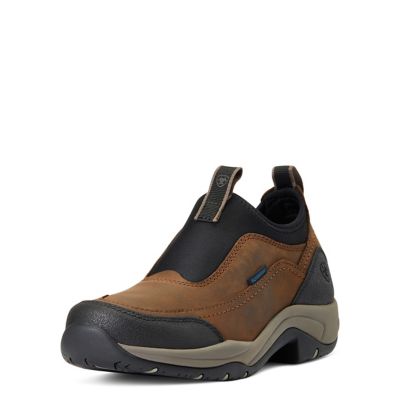
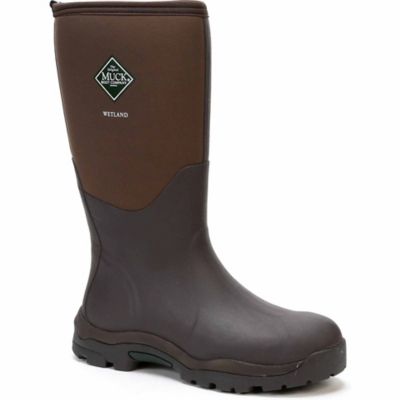
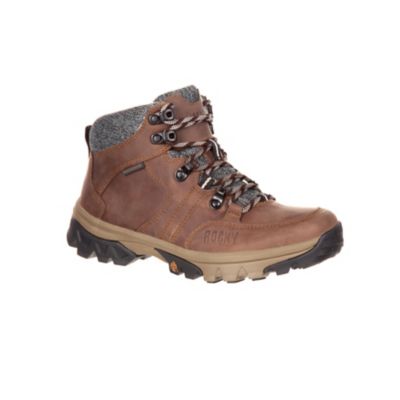
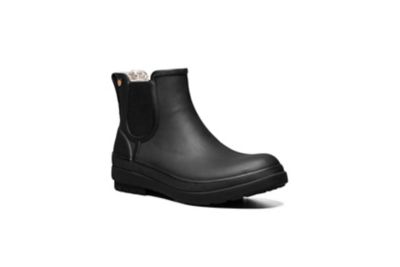
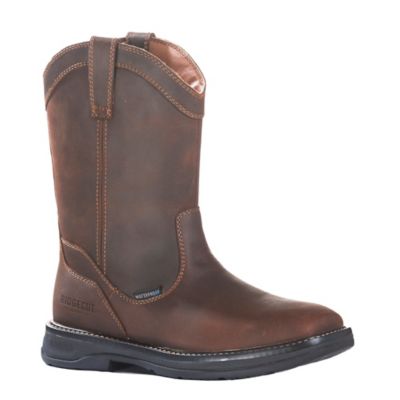
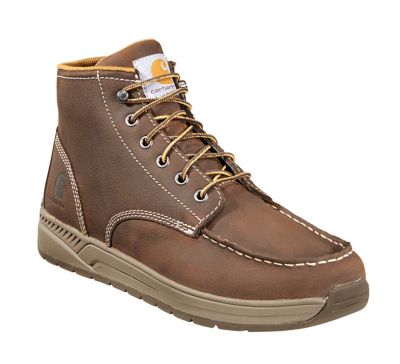
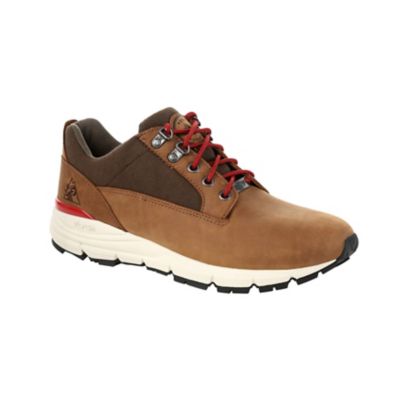
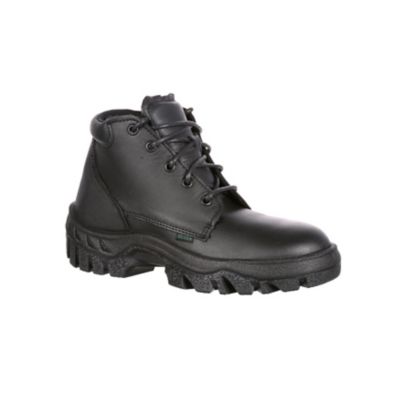
Outdoor footwear for women covers hiking shoes, outdoor boots, walking shoes, and trail sandals, with each type suited to a different kind of ground and activity. The best match depends on where you spend your time, how far you walk, and how much coverage your feet need. A low-cut hiking shoe offers freedom around the ankle for maintained trails, campground paths, and walks down a gravel lane. Taller footwear adds coverage around the ankle and lower leg, which can be helpful around brush, loose dirt, and chore areas. Sandals with secure heel straps leave more of the foot open and can suit easy paths and casual outings where toe protection is less important. For feeding animals, moving equipment, or working around sharp debris, closed-toe footwear is the more practical starting point; tasks with impact or compression hazards may call for footwear with the appropriate safety rating. Women’s outdoor footwear also varies in weight, flexibility, and underfoot structure. A flexible shoe can feel comfortable on a short walk, while a firmer sole may keep pointed stones and uneven ground from pressing as sharply against the foot. Carrying a pack or spending hours on your feet makes cushioning and heel hold especially worth considering. Someone walking a fenced pasture has different needs from someone covering rocky switchbacks, even if both want a pair that feels good from the first step to the last gate. For more coverage,
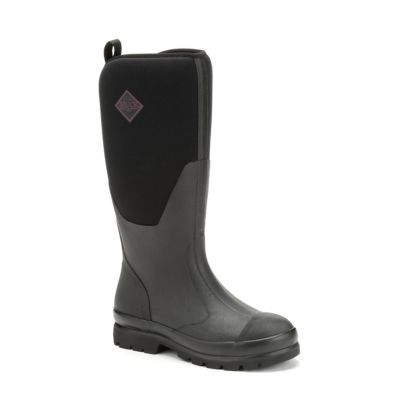
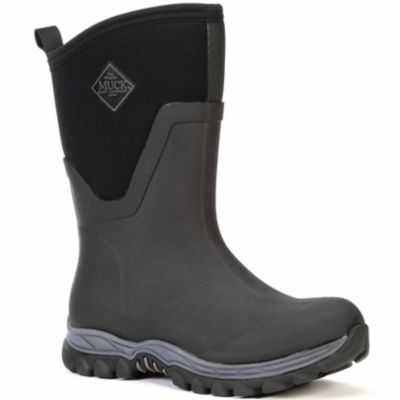
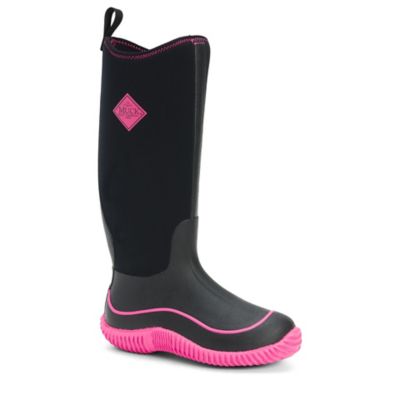
outdoor boots for women include the taller profiles often chosen for trail time and chores. Boot height alone does not determine ankle support, though; fit, lacing, sole construction, and the firmness of the heel all contribute to how a pair feels. Footwear that suits the actual work or outing is more useful than choosing by appearance alone, whether the day involves checking fence, walking the dog, or taking the long route back from the barn. It should also allow a natural stride without making you work to keep the shoe on.
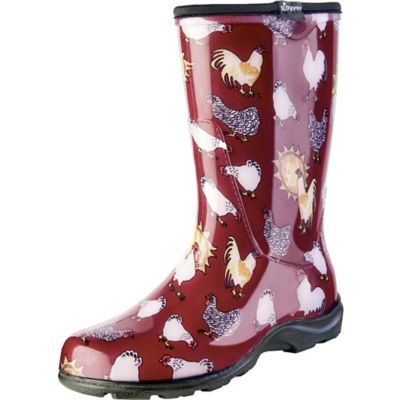
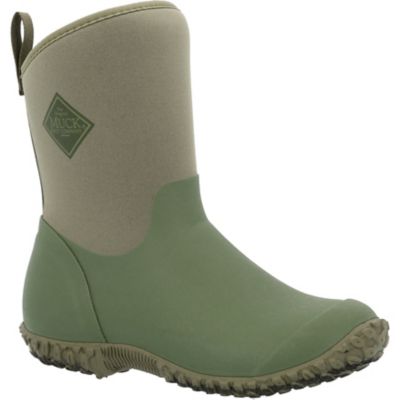
Materials and construction make a noticeable difference once the ground stops being smooth. Leather uppers offer substantial coverage and can soften with wear, while synthetic fabrics and mesh often reduce weight and allow more airflow. Combinations of leather or synthetic overlays with fabric panels balance coverage and flexibility, especially around areas that bend with each step. Rubber footwear provides an easy-to-rinse surface for muddy chore areas, although breathability and walking flexibility vary by construction. Waterproof outdoor footwear can help keep moisture from passing through the upper, but a waterproof membrane does not prevent water from entering over the collar. Water-resistant materials offer a different level of protection and should not be treated as interchangeable with waterproof construction. For creekside paths or washing down a work area, the height of the footwear and the design of its openings matter alongside the material itself. Outsoles deserve just as much attention as uppers. Deeper, widely spaced lugs can grip loose ground and shed dirt more readily, while shallower tread may feel smoother on firm paths. Rubber compounds, tread patterns, and the surface underfoot all affect traction; no sole can promise secure footing everywhere. A broad heel platform can feel steadier when stepping across ruts, and a defined heel may matter for certain tasks, but riding calls for footwear suited to stirrup use rather than an ordinary hiking sole. Inside the shoe, a cushioned midsole helps soften repeated steps, while a firmer insert or shank can add structure. A protective toe cap can limit scuffs from rocks and roots, but it is not the same as a safety toe tested for workplace hazards. Stitching, bonded edges, reinforced lace points, and protection around high-wear areas also affect how well footwear holds up over time. These details are worth weighing against the demands of your routine: an occasional stroll on a packed path is easier on footwear than daily trips across gravel with feed buckets in hand.
Fit ties all those features together, and women’s sizing is only the starting point. Foot shape varies, so heel width, toe-box shape, instep room, and arch feel deserve attention rather than assuming every women’s shoe will fit the same way. Try footwear with the socks you plan to wear and with any everyday orthotics, provided the shoe has enough room to accommodate them. Toes should have space to move without sliding forward and striking the front on a downhill step. The heel should feel held in place without pinching, and the widest part of the foot should not spill over the edge of the footbed. Walking on a slight incline, bending at the forefoot, and taking a few deliberate steps can reveal pressure points that are easy to miss while standing still. Laces allow adjustment across different parts of the foot, pull-on designs depend more heavily on their overall shape, and sandal straps need to hold securely without rubbing. A leather upper may ease somewhat with wear, but a pair that squeezes your toes or causes sharp pressure is not a good candidate for breaking in. After a day outside, simple care helps footwear last. Brush away loose grit, remove packed dirt from tread, and follow the maker’s cleaning directions for the upper material. Let footwear air-dry away from direct heat, and remove insoles when recommended so the inside can dry more completely. Leather may need an appropriate conditioner, while waterproof finishes may need treatment intended for that construction. Check for worn tread, separating soles, frayed laces, and uneven cushioning, particularly when the same pair handles both chores and long walks. Women’s outdoor shoes and boots can also make a thoughtful gift for a trail walker, gardener, or someone who spends plenty of time tending animals, especially when their size, preferred fit, and daily activities are already known. The most useful pair is one that feels right on the foot and makes sense for the ground ahead.