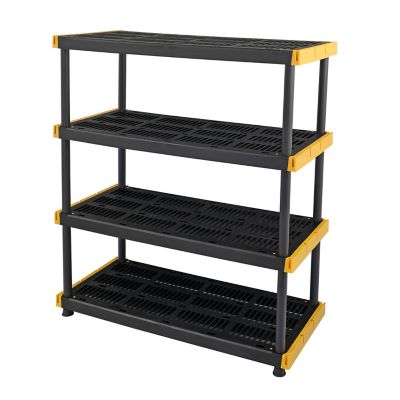
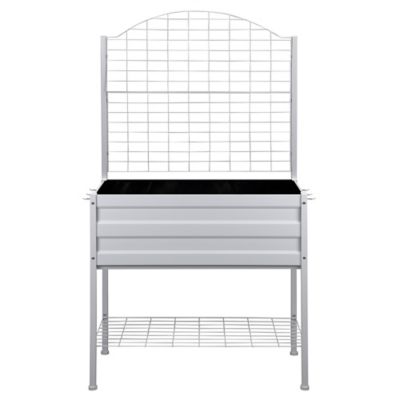
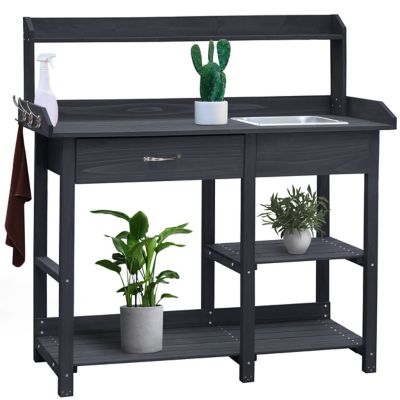
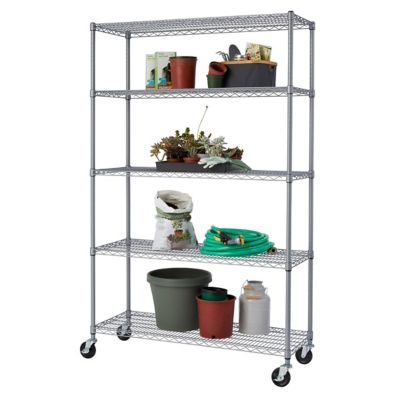
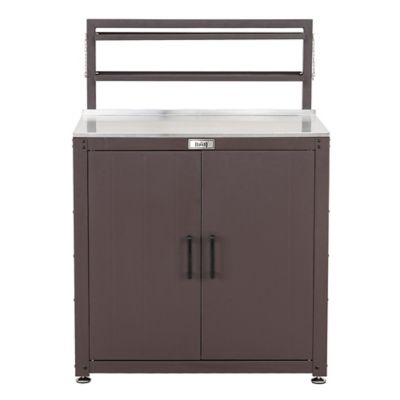
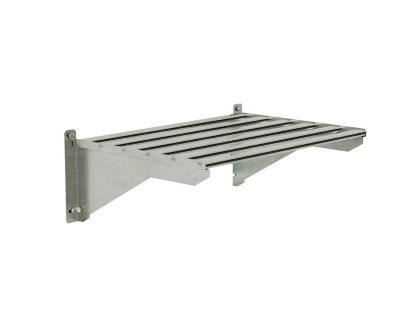
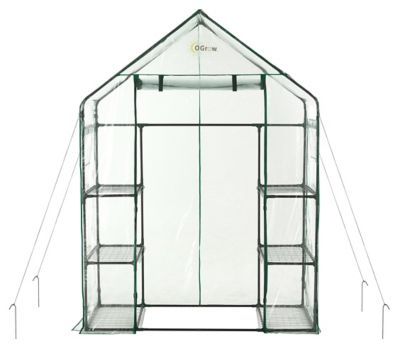
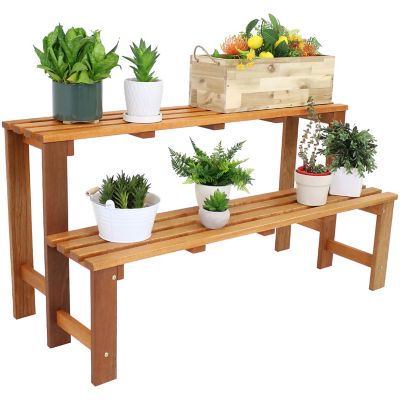
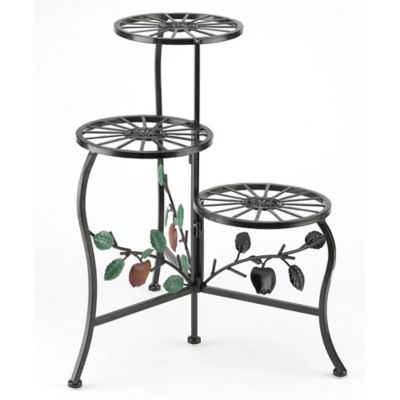
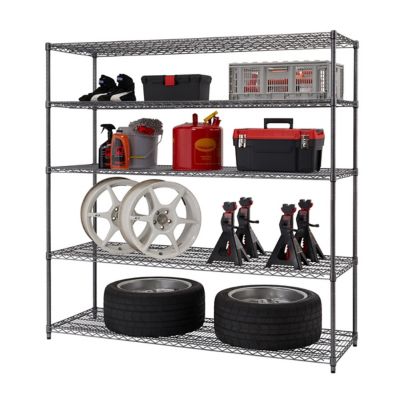
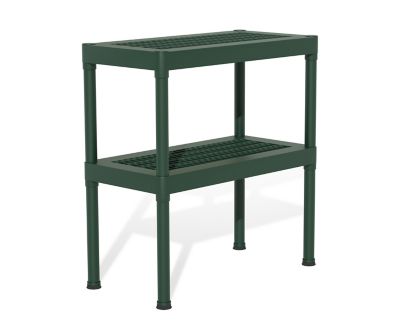
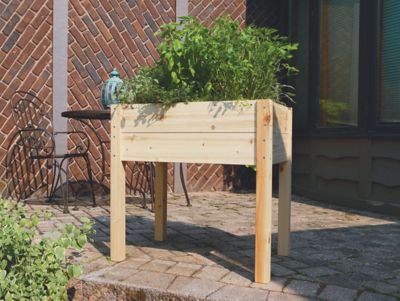
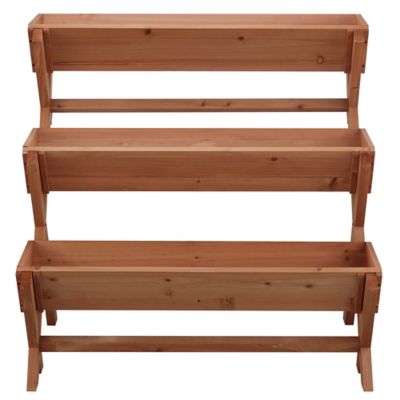
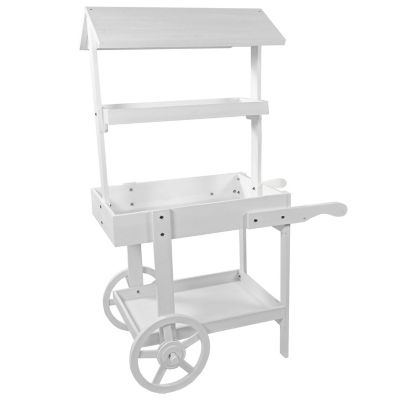
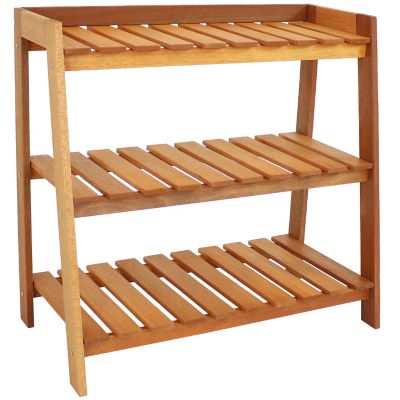
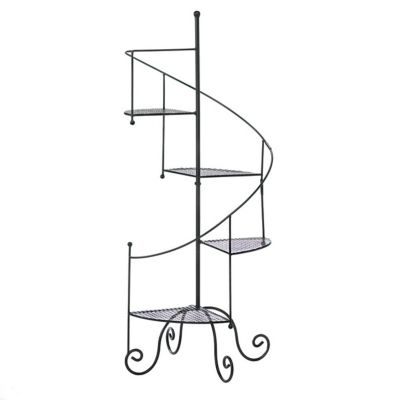
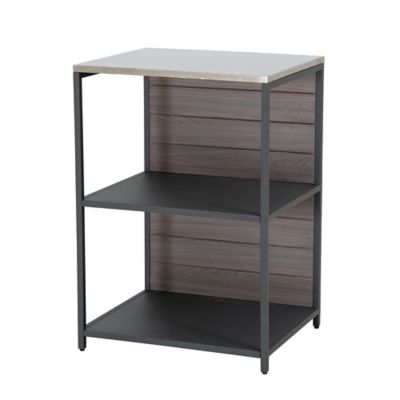
Outdoor shelving for plants is a handy way to make the most of a porch, patio, balcony, greenhouse, garden shed, or other growing area. Instead of lining every pot along the ground, a tiered shelf brings plants up to different heights, helping small herbs, flowers, seedlings, and trailing vines get the light and breathing room they need. It also keeps containers easier to see and tend, which comes in handy when watering, pruning, checking for pests, or gathering fresh herbs for supper. A narrow stand can fit beside a back door or along a balcony rail, while a wider, heavy-duty rack can hold a collection of large pots near the garden. Shelving can also help turn a plain corner into a welcoming spot filled with color and greenery. Look for a layout that suits the space you have, including the shelf width, height, number of tiers, and distance between levels. Staggered shelves are useful for plants with different growth habits, giving upright plants room to grow while allowing petunias, sweet potato vines, spider plants, or other trailing greenery to spill over the edges. Ladder-style stands offer a similar stepped arrangement and can be especially useful where floor space is limited. For a covered porch or balcony, an open plant rack may be all that is needed. In a more exposed garden area, choose shelving built to handle changing weather and secure it against strong wind, especially when the shelves are lightly loaded.
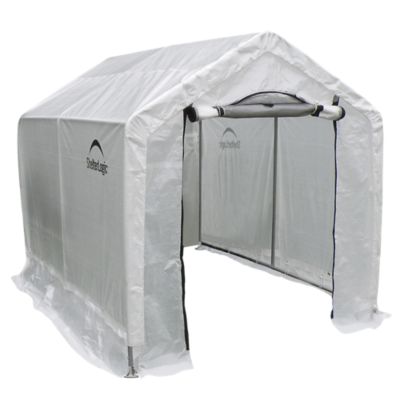
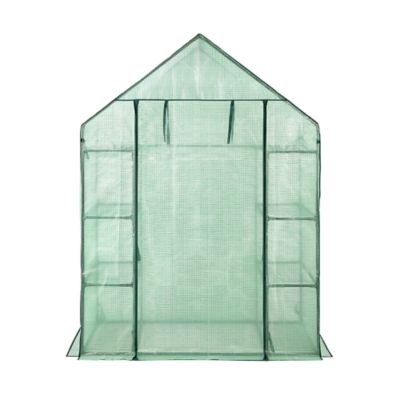
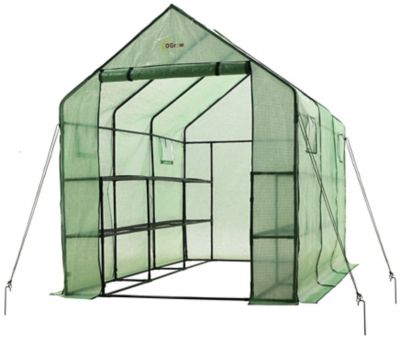
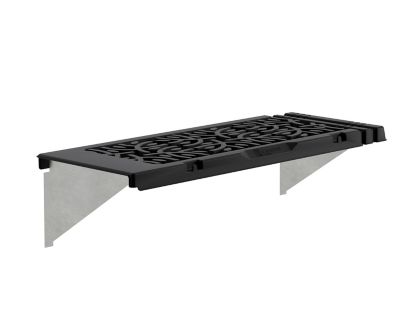
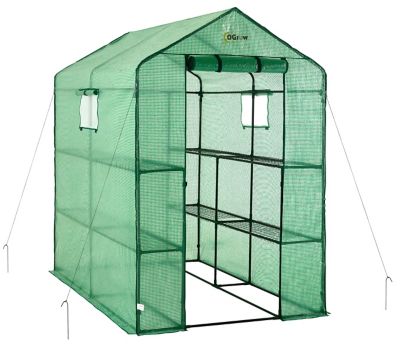
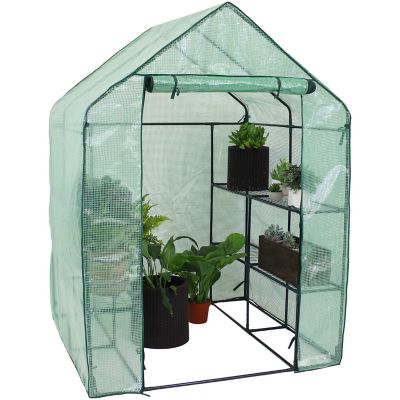
Material plays a big part in how outdoor plant shelving holds up. Powder-coated steel and other rust-resistant metal finishes are practical choices for damp conditions, watering areas, and locations where the shelf may be exposed to morning dew. Wire shelving allows air to move around pots and helps water drain instead of collecting beneath containers, though smaller pots may need a tray or solid liner to keep soil from falling through. Heavy-duty wire is a smart choice for larger ceramic planters, grow bags, and water-filled containers, while lighter shelving may be better suited to small nursery pots and decorative planters. Wood brings a warm, natural look that blends easily with a porch, fence, or garden bed. Weather-treated lumber and naturally durable woods can serve well outdoors when they are kept off standing water and maintained as needed. No matter the material, inspect the joints, feet, and hardware before setting up the shelf. A level base helps prevent wobbling, and adjustable feet or a firm paver can make a difference on uneven ground. Keep the heaviest containers on lower shelves to improve stability, and avoid crowding plants so leaves have room to dry after watering. In areas with regular wind, place the shelf against a wall or other sturdy surface and use appropriate straps or brackets where allowed. Shelving under a roof or covered patio will generally stay cleaner and last longer, while an open rack may need occasional cleaning to remove soil, leaves, and mineral buildup. During cooler months, portable covers or mini-greenhouse enclosures can offer extra protection for tender plants, seedlings, and herbs. Leave enough room for air circulation, and follow the care needs of each plant rather than sealing everything up tightly.
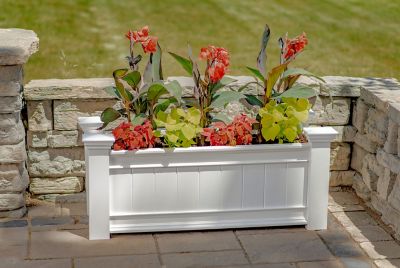
Outdoor plant shelves are useful for beginning gardeners, longtime growers, renters, homesteaders, and anyone trying to add more greenery without expanding a garden bed. They make a thoughtful gift for a neighbor who enjoys porch flowers, a friend starting a container garden, or a family member who likes growing herbs close to the kitchen. A simple stand can give a new gardener an easy place to organize a few starter plants, while a multi-level rack can help an experienced grower separate seedlings, cuttings, and mature containers. They are also useful for creating a dedicated area for pollinator-friendly flowers, cooking herbs, succulents, houseplants that spend warm weather outside, or plants being hardened off before moving into the garden. If the shelf will sit near an entryway, pair its size and style with the surrounding space so doors, walkways, and steps stay clear. A small arrangement of pots can add a welcoming touch without making a porch feel crowded, while a taller unit can draw the eye upward and make use of otherwise empty wall space. For more ideas on arranging containers near an entry, browse
Porch Planters. Before purchasing, measure the available footprint and check the shelf’s weight capacity, assembled dimensions, finish, and care requirements. Think about the largest pot you plan to use, how far a watering can must travel, and whether the rack will stay in one place or move with the seasons. Shelves with casters can be convenient on smooth, covered surfaces, but fixed feet may offer better stability on grass, gravel, or uneven ground. As weather shifts, move tender containers to a protected location, remove standing water from trays, and keep leaves from collecting around the base. With a sturdy design and a little planning, outdoor shelving for plants can bring order to a growing space, make daily plant care more comfortable, and help every pot find a useful place from the first warm days through the cooler months.