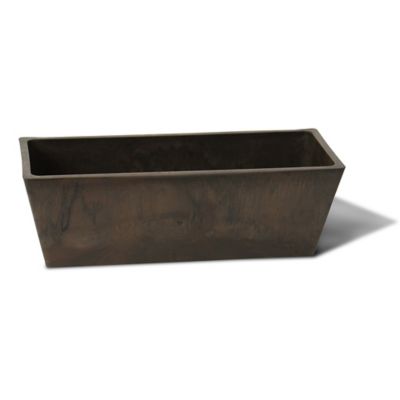
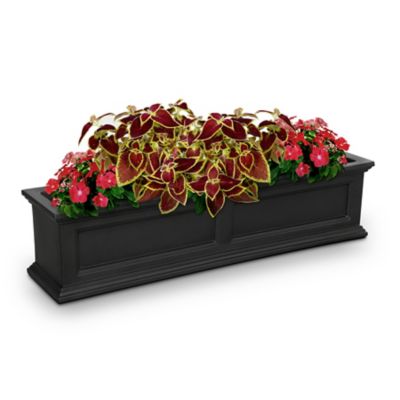
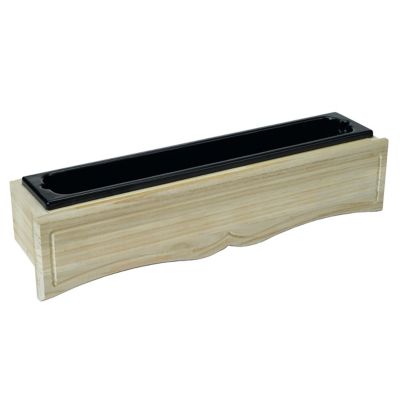
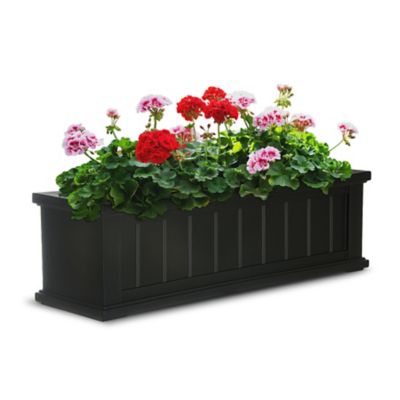
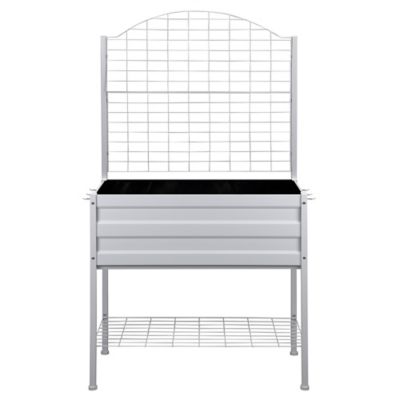
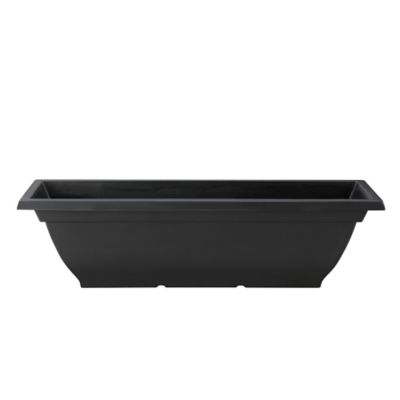
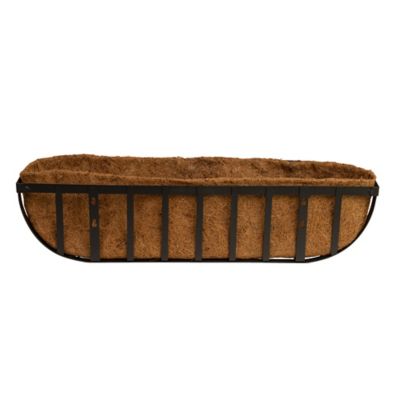
Indoor window box planters are rectangular containers designed to hold herbs, succulents, or small houseplants along a windowsill or on suitable supports just inside a window. Their long, narrow shape brings several plants together without taking up the floor space of a large pot, making them a good fit for kitchens, breakfast nooks, apartments, and homes with limited growing space. A line of green leaves above the kitchen sink can put fresh herbs within reach, while a planter beside a reading chair gives trailing stems room to spill over the edge. The right fit comes down to more than the length of the window. Outside dimensions determine whether a box sits fully on the sill, while inside dimensions tell more about how much room the roots will have. A wide rim or thick walls can leave less planting space than the overall measurements suggest. Depth matters, too: a shallow box may suit compact plants, but plants with larger root systems need more room beneath the soil. For a box holding separate nursery pots, the interior needs enough width and depth to accommodate those pots without wedging them in place. Clearance for window locks, blinds, screens, and handles helps keep the setup practical for everyday life. A box should not interfere with opening the window or sit where it can be knocked off while reaching for a latch. On a narrow sill, a properly supported shelf or compatible mounting system may make more sense than a container hanging over the edge. Mounting hardware and the surface beneath it need to support the full planted weight, including damp potting mix and any water in a reservoir. A long box that feels light when empty can become surprisingly heavy after watering. Stable placement is especially important around children, curious cats, and busy kitchen counters, where a trailing stem or an overhanging corner can invite a tug or bump.
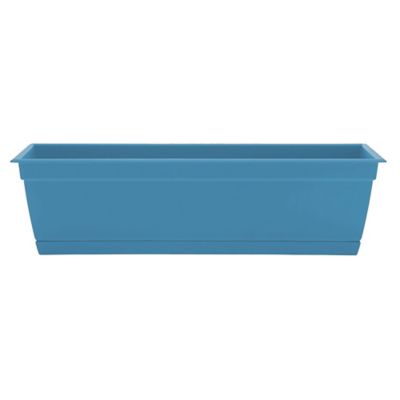
Materials affect how an indoor window planter looks, how easy it is to move, and how much attention it needs over time. Plastic and resin containers generally keep the weight down, which can help when a box needs to come off the sill for watering or cleaning. Their wall thickness, base construction, and resistance to cracking are worth considering, especially for longer boxes that must hold their shape when filled. Ceramic offers a substantial feel and a range of smooth finishes, though its weight and potential for chips make secure placement important. Unglazed terracotta allows moisture to move through its walls, so the potting mix may dry sooner than it would in a less porous container. Metal brings a simple, tidy look, with intact coatings and well-finished seams helping protect against corrosion. Wood adds visible grain and a natural feel, but repeated contact with damp soil can take a toll unless the box has a suitable liner or another barrier. For any material, the bottom of the container deserves as much attention as the finish. Drainage holes let excess water escape, while a fitted tray or watertight outer box helps protect painted sills, flooring, and furniture. A tray still needs enough capacity for runoff and a way to be emptied without spilling. Some indoor window boxes work as outer holders for individual pots, allowing each plant to come out for watering and making it easier to replace one plant without disturbing the rest. Other designs hold potting mix directly and need drainage suited to that arrangement. Reservoir-style planters can reduce watering frequency for compatible plants, but they still require checks on moisture and water levels. Standing water around roots can cause trouble, even when the leaves look fine at first. Removable liners, accessible corners, and smooth interior surfaces make cleanup easier when roots outgrow the space or mineral deposits collect. A container that can be emptied, washed, and thoroughly dried between plantings is easier to keep in good shape.
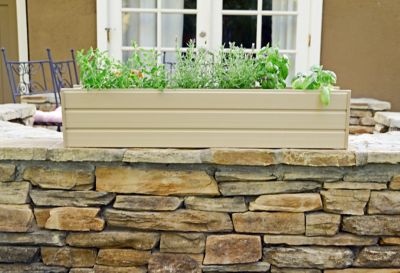
Plant choice gives an indoor window box its purpose, whether that means snipping herbs for supper or enjoying a little greenery beside the sink. Basil, parsley, and chives can suit a kitchen planting when the window provides enough light for their needs, while compact houseplants can bring leafy growth to other rooms. Succulents generally need strong light and a planting arrangement that drains freely, so they do not necessarily belong in the same box as plants that prefer consistently moist soil. Plants sharing one root space do best with similar light, moisture, and soil requirements. Separate pots inside a single outer box offer more flexibility, particularly when one herb needs a drink before its neighbors do. The amount and direction of window light matter more than how bright a room looks from across the floor; a plant several feet from the glass may receive much less useful light than one on the sill. Mature size also deserves a look. Compact growth keeps a window planting manageable, while taller plants can block the view or make a shallow box feel top-heavy. Trailing foliage needs room clear of walkways, cords, and anything a pet might reach. In homes with animals, checking each plant’s suitability around pets is part of finding the right combination. For herbs headed to the cutting board, containers, growing media, and plant-care products should be appropriate for edible plants. Appearance can stay simple: wood grain pairs easily with a farmhouse kitchen, and a smooth painted finish can blend with cabinets or window trim. For a light, clean look,
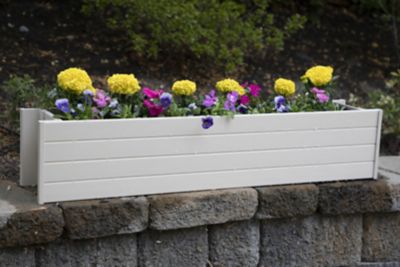
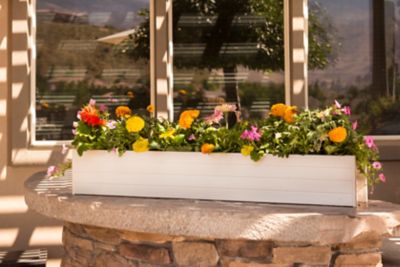
White Window Box Planters offer a neutral backdrop that lets leaf shapes and colors stand out. An indoor window box also makes a thoughtful housewarming or birthday gift for someone who enjoys cooking or tending plants, especially when its size suits the recipient’s space. With enough root room, sensible drainage, and a secure spot by the glass, these planters make indoor growing part of everyday home life without demanding a whole room.