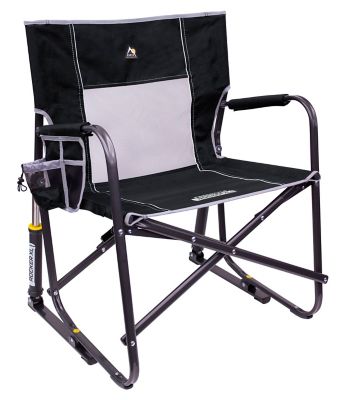
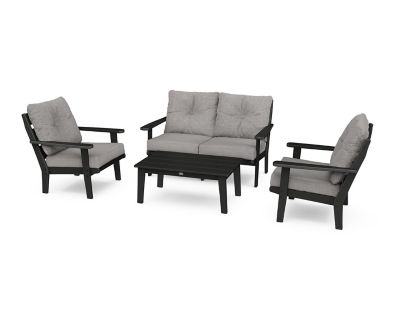
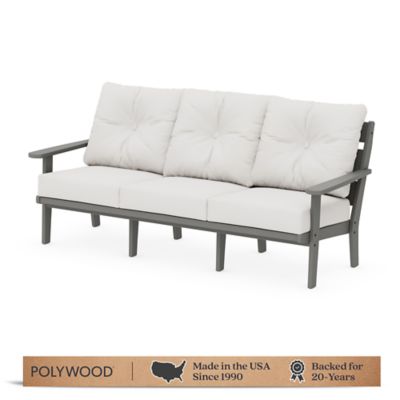
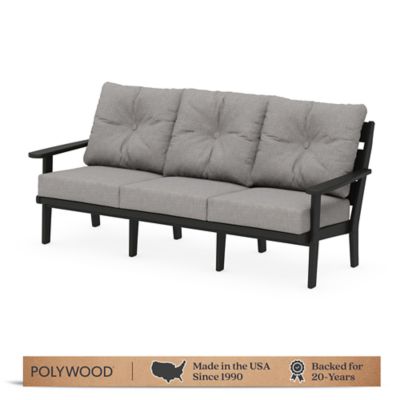
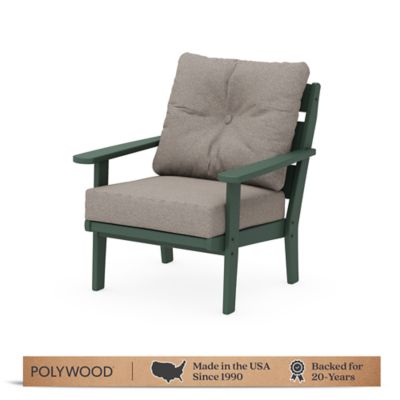
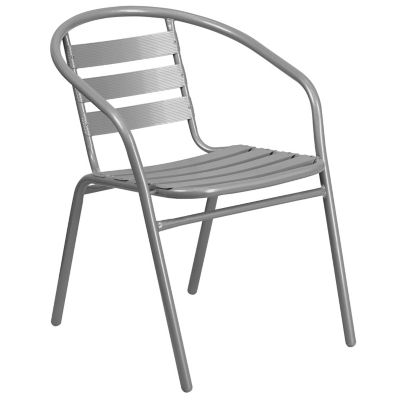
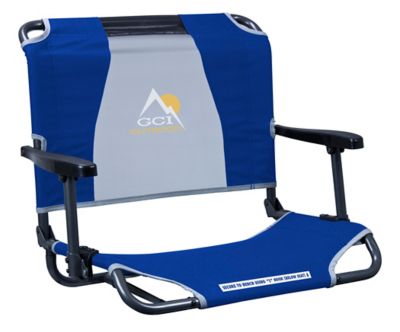
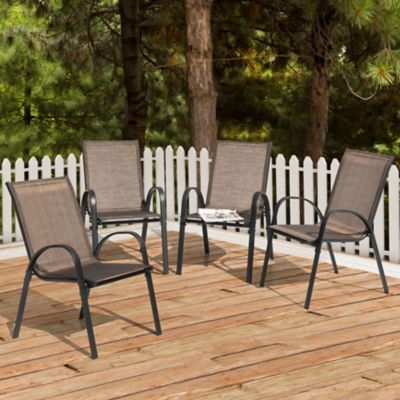
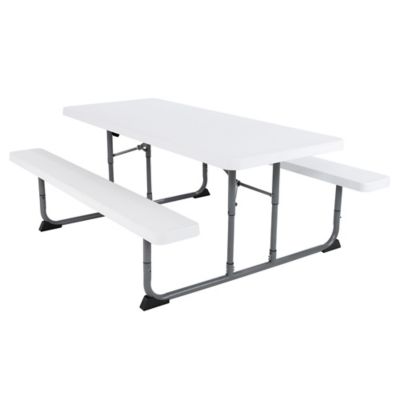
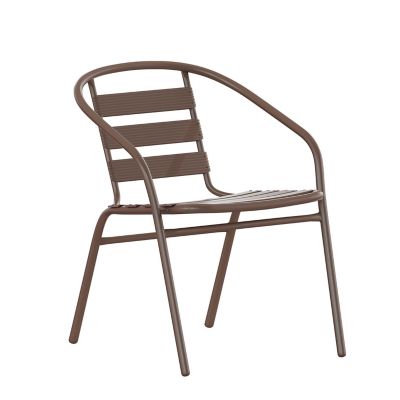
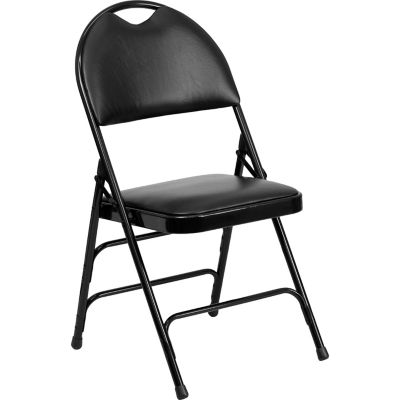
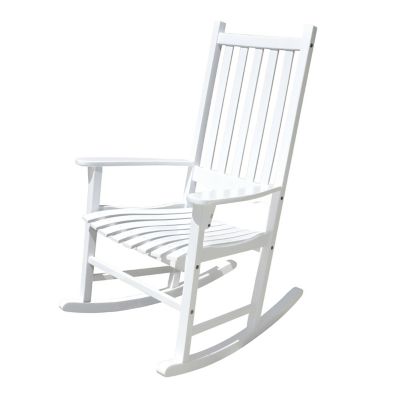
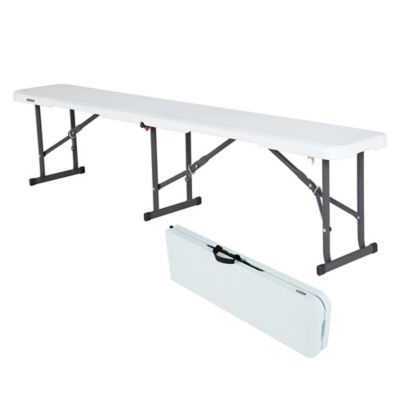
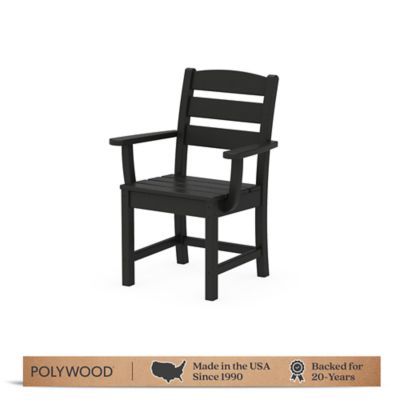
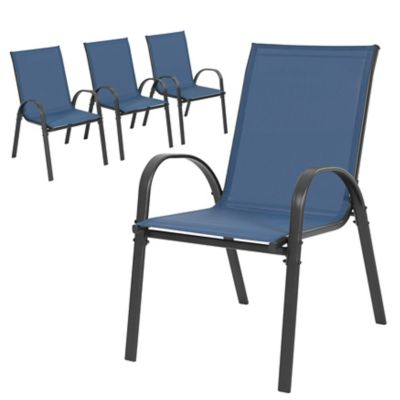
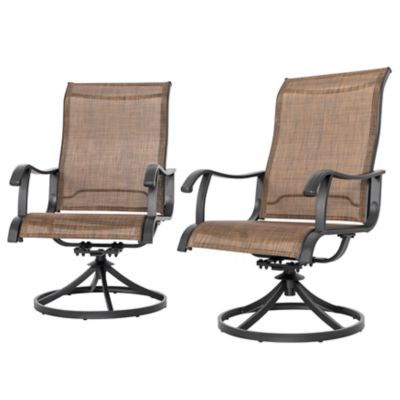
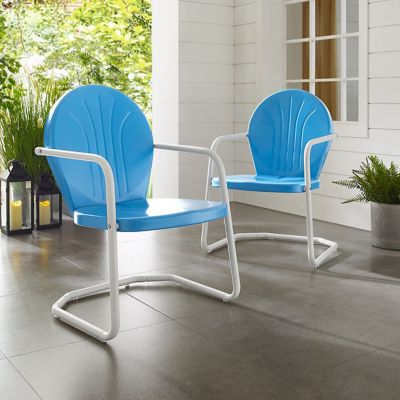
Outdoor seating makes room for the parts of country life that happen between chores: a cup of coffee on the porch, a visit with a neighbor, or a chance to sit down after tending the garden. A comfortable place to land can turn a stretch of patio, a backyard corner, or the space beside a farmhouse door into somewhere folks naturally gather. Different seating styles suit different ways of spending that time. Upright chairs work well for conversation and meals, while deeper lounge seating leaves more room to stretch out with a book. A bench can bring several people together without a row of separate chairs, and a rocking chair adds gentle movement to a familiar porch spot. Fit matters just as much as appearance. Seat height, depth, back angle, and arm placement all affect how easy it feels to settle in and stand back up. A low, deep seat may suit someone who likes to lean back, while a taller seat with supportive arms may feel better for someone who prefers a little help getting to their feet. Wide seats offer breathing room, but their overall footprint also needs to suit the space. On a narrow porch, a chair should leave room for the front door to swing and for someone carrying groceries to pass without turning sideways. Rocking and reclining seating need extra clearance behind and beneath them so their moving parts stay clear of walls, railings, feet, and paws. Weight capacity is another practical detail, especially with shared benches and seating meant for everyday family gatherings. For households with children, smooth edges, stable footing, and a size that lets little feet reach a comfortable resting point deserve attention. The best fit is seating that feels natural for the people who will spend time there, whether that means a quiet pair of chairs by the back steps or enough places for the whole crew to pull up and stay awhile.
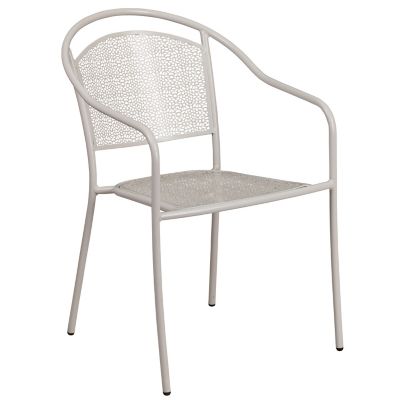
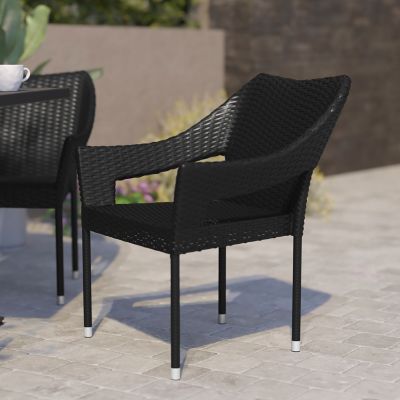
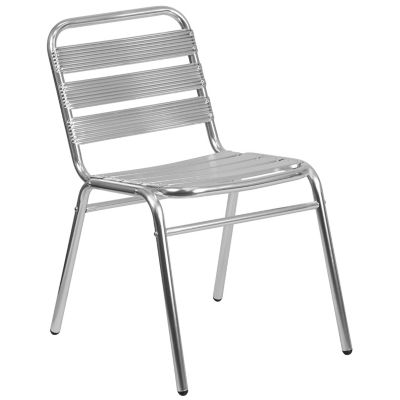
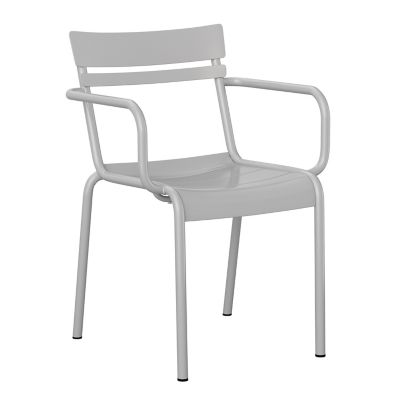
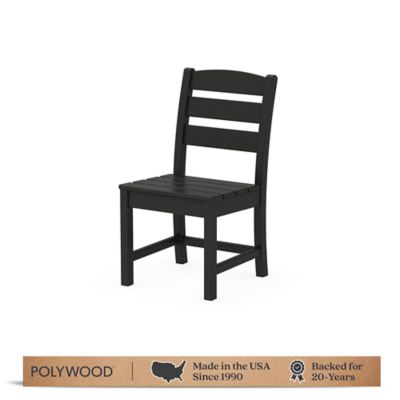
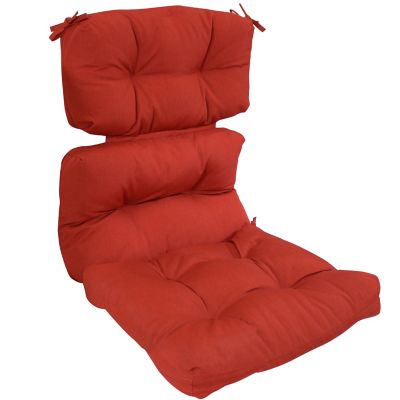
Materials shape the feel, upkeep, and everyday handling of outdoor seating. Wood brings visible grain and a solid feel that sits comfortably alongside porch boards, gravel paths, and garden beds. Its care needs depend on the wood species and finish, with some surfaces calling for periodic sealing or refinishing according to the maker’s directions. Aluminum frames are generally lighter to move, which can help when chairs need to shift for sweeping or a bigger gathering. Steel often has a heavier feel, though its finish needs attention wherever chips or scratches expose the metal beneath. Molded resin and recycled-plastic seating can offer straightforward surface cleaning, while woven seating adds texture and may have small spaces where dust and leaf litter collect. Frame construction matters, too: secure joints, firm connections, and well-supported seats help furniture handle repeated sitting, standing, and moving. Seating that stays in one spot may benefit from a substantial frame, while chairs carried between a porch and a backyard table are easier to manage when their weight and handholds suit the person moving them. Cushions add another layer of comfort, but thickness alone does not tell the whole story. Firmness, shape, attachment points, and the way a cushion fits its seat all influence whether it stays comfortable and in place. Removable covers can simplify cleanup when their care instructions allow washing, and ties or fasteners help limit sliding. An outdoor-rated fabric still needs the care listed on its label; a quick wipe for one material may not be right for another. Crumbs, soil, and pet hair are easier to manage before they settle into seams and woven surfaces. Covers and cushions need to dry completely after cleaning before being put away. Occasional checks of bolts, joints, fabric seams, and foot caps can catch small maintenance needs early. Lifting furniture rather than dragging it also helps protect both the frame and the surface underneath, especially across porch boards or textured concrete.
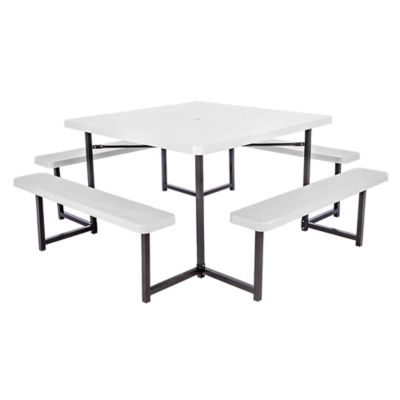
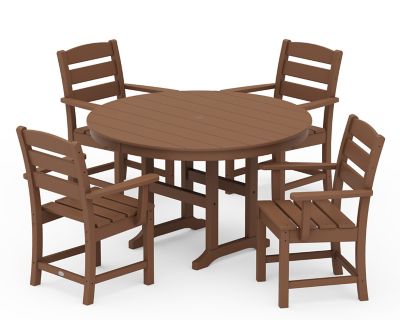
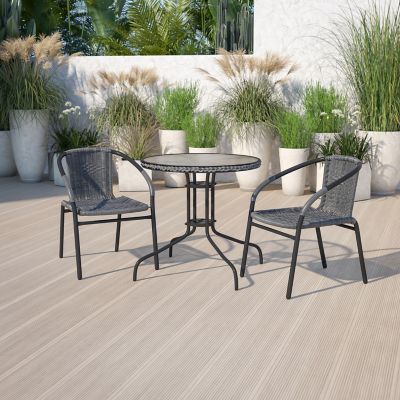
A useful outdoor seating arrangement starts with how the space fits into everyday life. Near a grill or cooking area, upright seating gives guests a place to visit without crowding the person handling food. Beside a garden, a bench offers a spot to set down a basket and take a breather, provided the seat stays clear of the working path. On a porch where neighbors stop by, chairs turned slightly toward each other make conversation easier than a straight row facing away from the group. A small table within reach gives a drink, phone, or pair of reading glasses a proper landing place instead of balancing them on an armrest. For spaces where meals are a regular part of gathering,
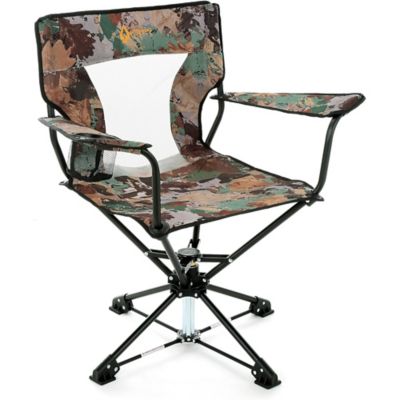
Outdoor Dining Sets bring the table and seating into the same plan, with seat height and arm clearance worth considering together. There should be room to pull a chair back, stand up, and walk behind someone without squeezing between furniture and a railing. A broad, level surface helps seats rest evenly, while narrow legs may settle into loose ground or catch between widely spaced boards. Foldable and stackable seating can make shared spaces more flexible, especially when a patio also serves as a route to the yard or a place for family projects. Folded size, carrying weight, and a practical storage spot matter as much as the space a chair takes up when open. In a busy household, keeping walkways clear gives children, guests, and pets room to move without weaving through chair legs. Seating can also make a thoughtful housewarming or retirement gift when the recipient’s space and preferences are known. Someone who enjoys a slow porch visit may appreciate a different seat than a person who hosts family suppers. Matching the seating to those habits helps create an outdoor gathering place that feels welcoming without getting in the way of the work and routines around it.