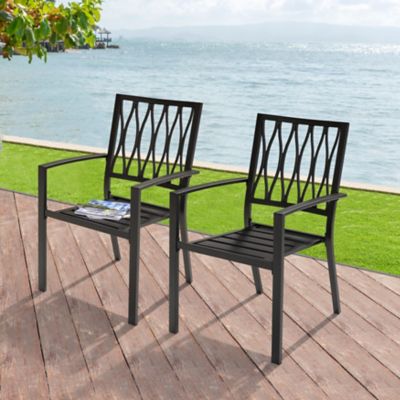
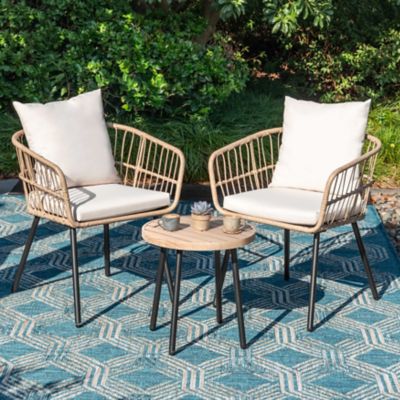
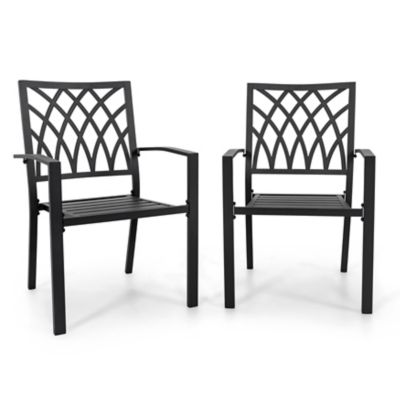
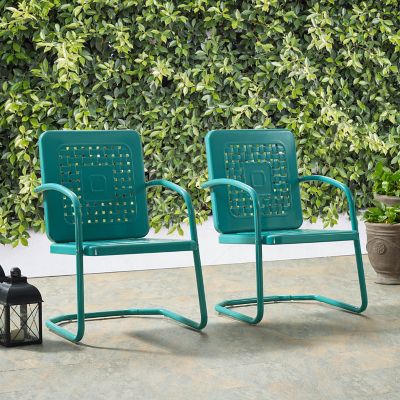
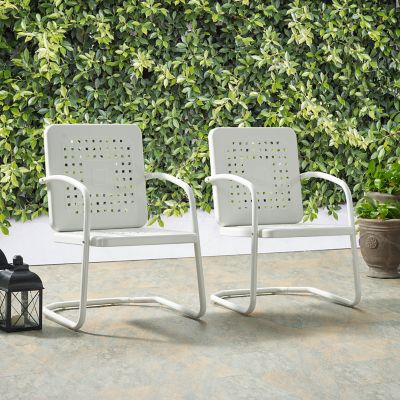
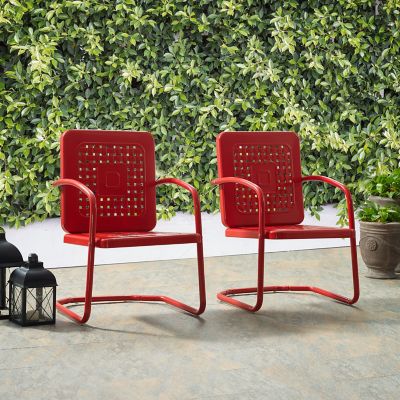
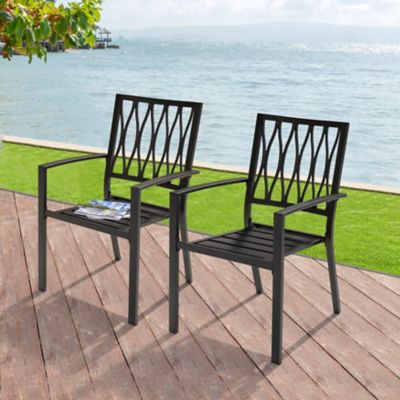
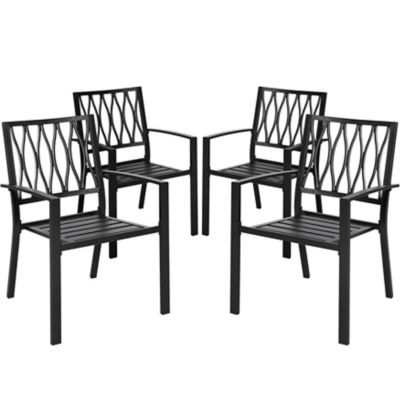
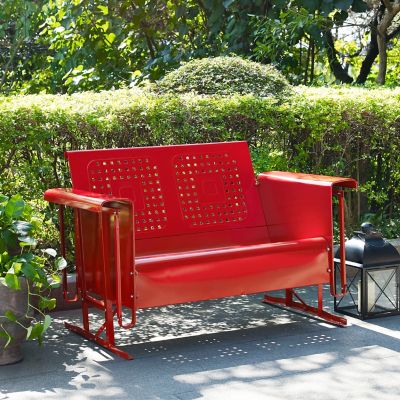
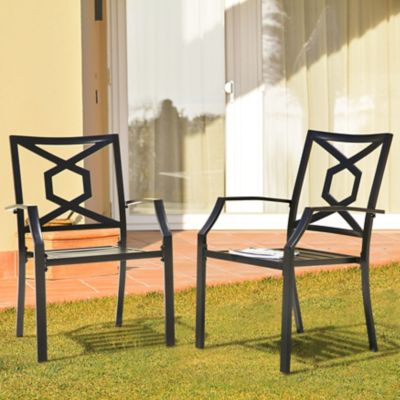
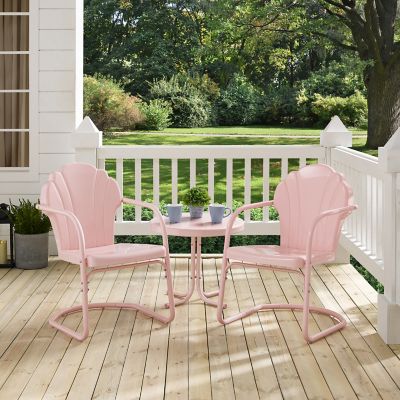
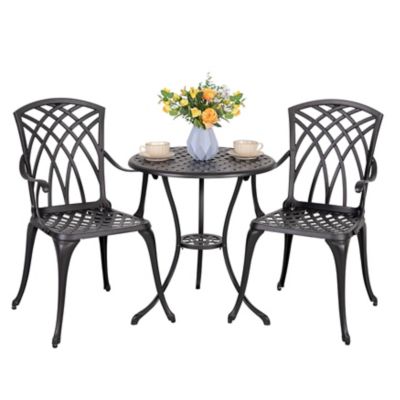
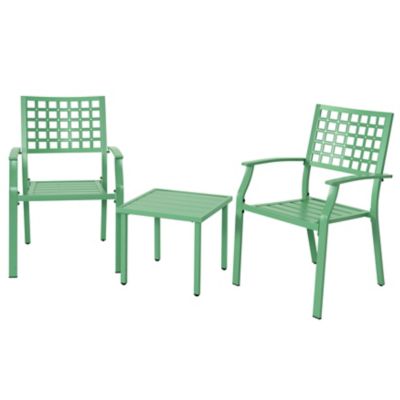
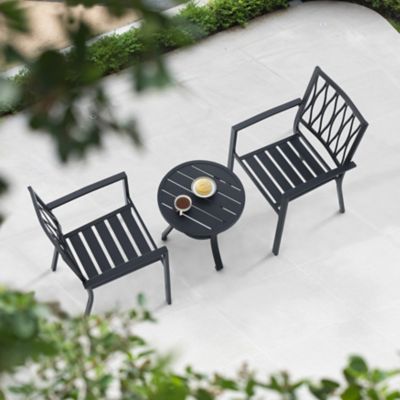
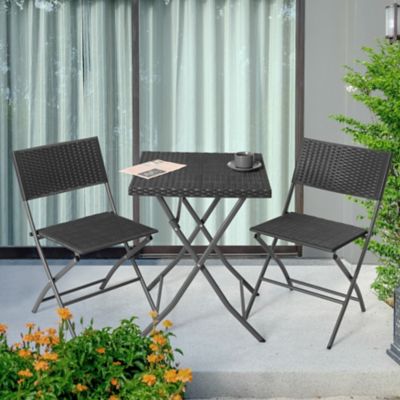
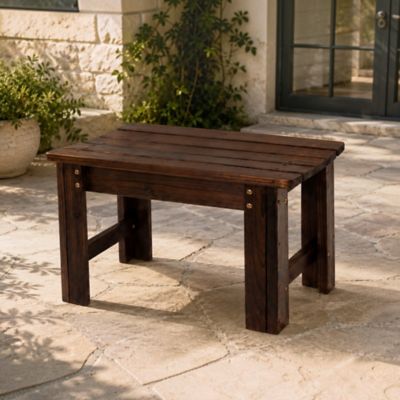
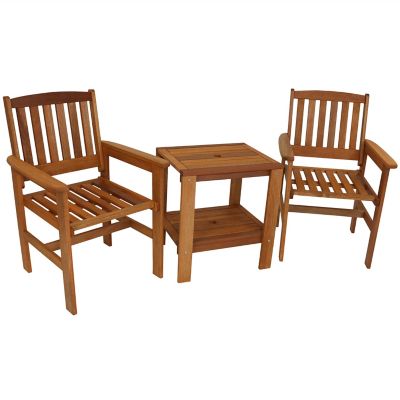
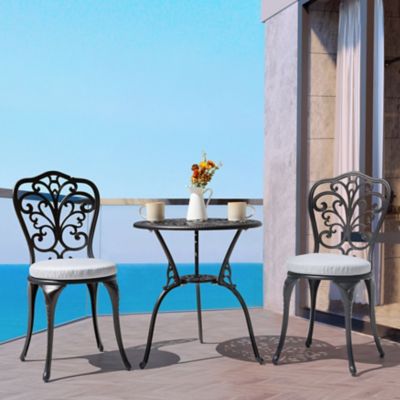
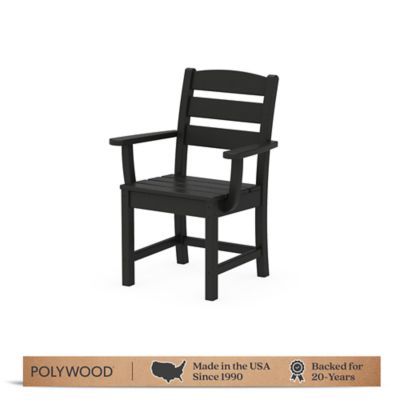
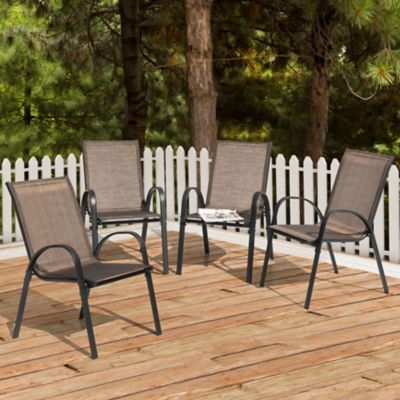
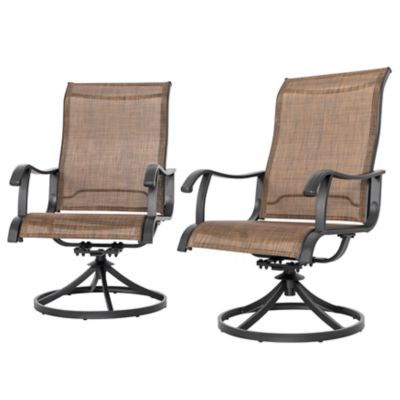
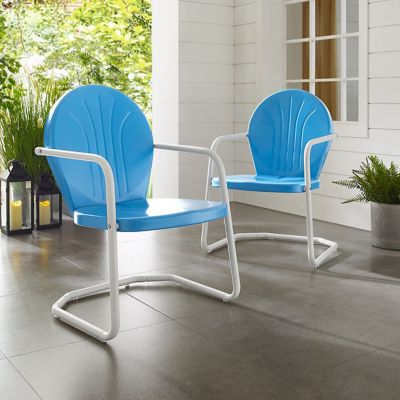
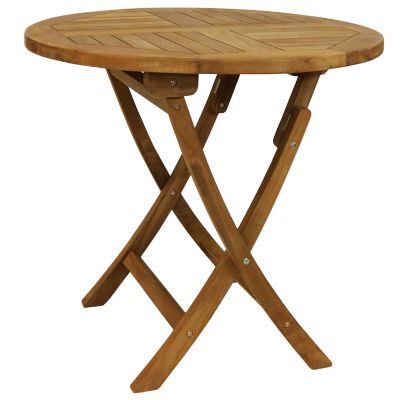
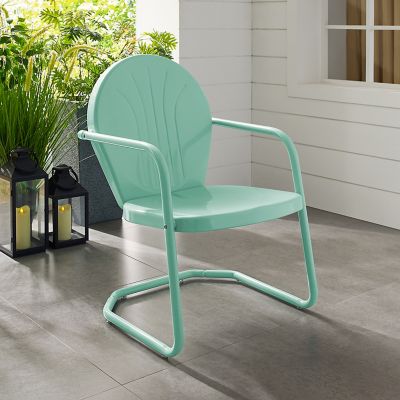
Outdoor seating for small spaces brings a comfortable place to sit to a narrow porch, compact patio, balcony, or little landing beside the back door. Folding bistro sets, slim-profile chairs, stackable seating, and compact benches can make room for a morning cup of coffee or a visit with a neighbor without taking over the whole area. The best fit depends on more than the width of a seat. A chair needs room to pull away from a table, a folding frame needs clearance to open, and a rocking chair needs space behind and beneath it throughout its motion. On a small porch, keeping the path from the steps to the door clear matters just as much as fitting in another seat. Door swing, railings, support posts, and nearby planters all affect how much space is actually available. Straight-backed chairs tend to sit neatly around a little table, while deep lounge seating takes up more room even when its overall width looks modest. Armless chairs can slide closer together, although armrests may be worth the extra inches for someone who likes support when standing up. A narrow bench along a wall can leave the middle of a patio open, provided its placement does not interfere with doors or create a climbing spot beside a railing. For a shared place to eat or play cards,
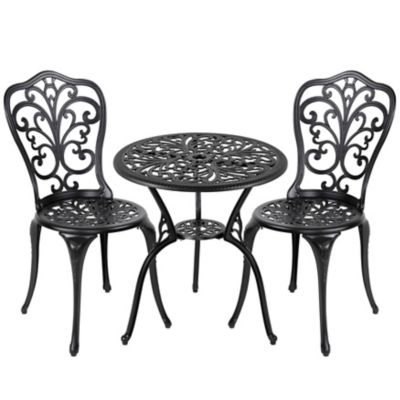
Patio Sets for Small Spaces offer another way to think about seating and table space together. Seat height, tabletop height, and knee clearance determine whether that arrangement feels comfortable beyond a quick sit. A compact footprint works hardest when there is still room to carry a supper plate, set down a feed-store bag, or walk past without turning sideways. That balance gives a small outdoor area a real purpose instead of leaving it crowded with furniture that rarely gets enjoyed.
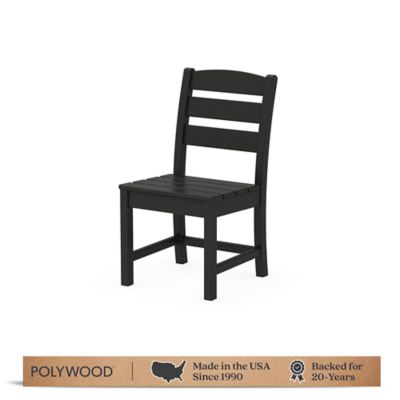
Materials shape how outdoor seating looks, feels, and holds up to everyday handling. Aluminum frames are generally lighter to move, which can help when chairs need to come inside a storage area or shift aside for sweeping. Steel frames tend to feel more substantial, though the weight varies with the design, and protective finishes need attention if they become scratched or chipped. Wood brings grain and a familiar, easygoing look that suits a simple porch just as well as a paved courtyard. Its care needs depend on the wood species and finish, with some surfaces calling for periodic treatment according to the manufacturer's directions. Molded resin seating can be straightforward to wipe down, while woven seating adds texture and may need a soft brush around the weave and frame connections. Material alone does not tell the whole story: secure joints, stable legs, smooth edges, and a frame that sits squarely on the intended surface all contribute to a seat that feels steady. Weight limits apply to the complete chair or bench, not just the apparent strength of its frame, so the stated capacity matters for every seating arrangement. On a narrow deck or porch with gaps between boards, the shape and spacing of the feet also deserve attention. Broad contact points can help distribute weight, while floor protectors intended for the surface can limit scuffing where furniture moves. Comfort comes down to the details that meet the body: a seat edge that does not press behind the knees, a backrest with a comfortable angle, and enough depth to sit without perching. Cushions add softness but also increase the space a chair occupies and bring their own care needs. Removable covers can make routine cleaning simpler when the care label allows it. A supportive upright seat may suit meals and conversation, while a more relaxed back angle fits a quiet break after chores. Neither style needs a large footprint to feel inviting.
Small-space seating often earns its keep by serving more than one everyday routine. A pair of compact chairs can make a spot for two people to catch up after work, then separate to leave room for a basket beside the door. A short bench gives someone a place to sit while changing boots and can also provide a perch for company. Folding chairs make sense where the same patch of floor serves as both a sitting area and a route to storage, while stackable designs can reduce the space needed when several seats are put away. Folded dimensions and stack height matter here; a chair that closes neatly still needs somewhere practical to go. Moving parts should lock or settle into their intended position before anyone sits, and fingers need to stay clear of hinges. Furniture belongs on a firm, level surface rather than balanced across a step or propped against an uneven edge. These details are especially important in gathering spots shared by children, older relatives, and anyone who needs a clear walking route. Keeping seating ready for the next visit usually starts with simple habits: removing loose dirt, wiping up spills, and cleaning each material with products the manufacturer recommends. Letting cushions dry fully before putting them away helps keep storage from becoming another chore, and checking fasteners from time to time can catch looseness before it becomes noticeable during a sit. Covers and storage spaces need to match the furniture's dimensions rather than squeeze frames or leave fabric bunched against the ground. For a housewarming gift, small outdoor seating can be a thoughtful choice for someone settling into a first apartment, a smaller home, or a place with a modest front porch. Knowing the recipient's available space, preferred sitting height, and ability to lift or fold the furniture makes that gift more useful. The goal is a comfortable spot that fits daily life: enough room to rest a spell, share a conversation, and get back up without rearranging the whole porch.