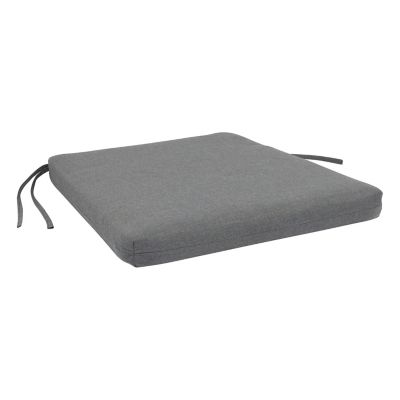
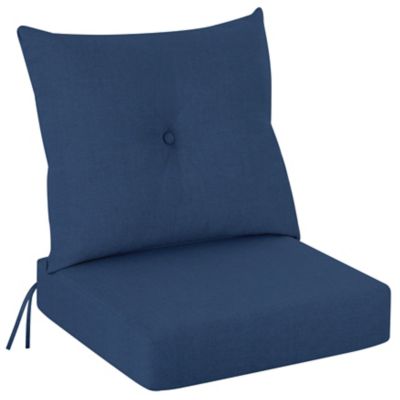
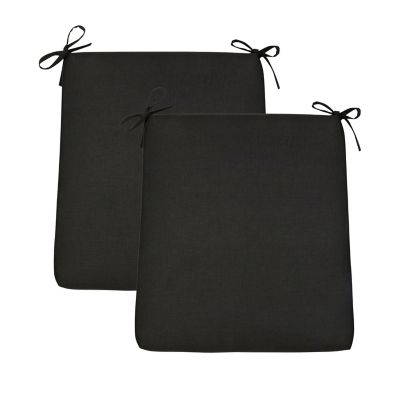
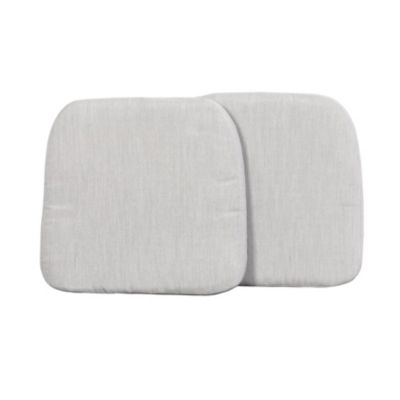
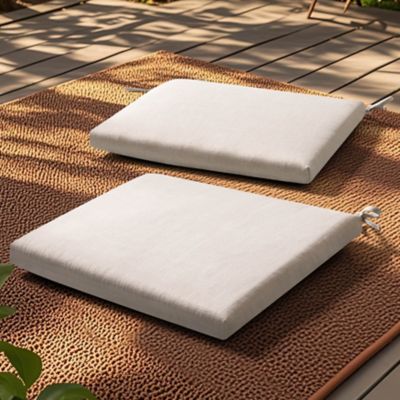
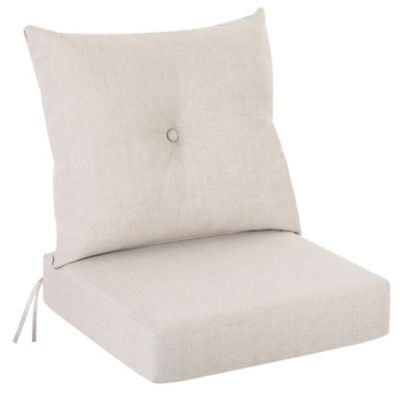
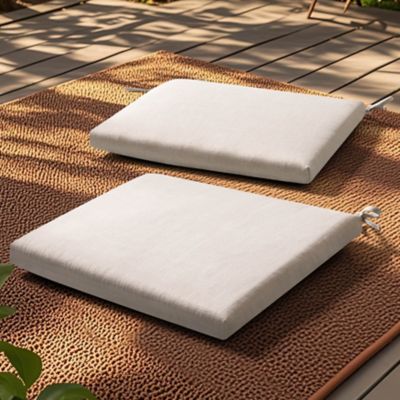
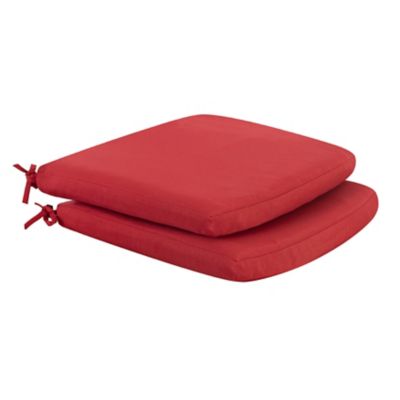
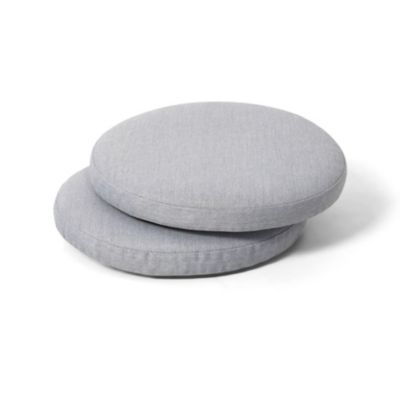
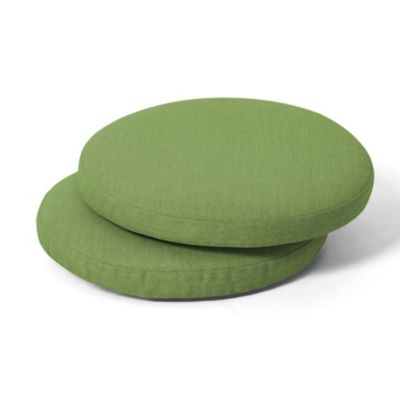
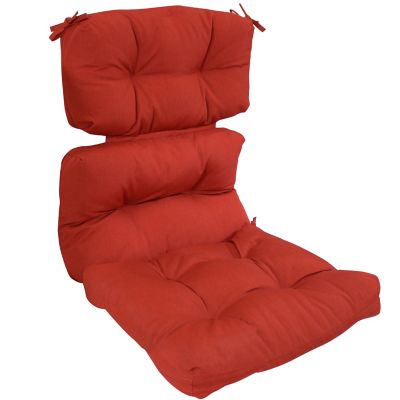
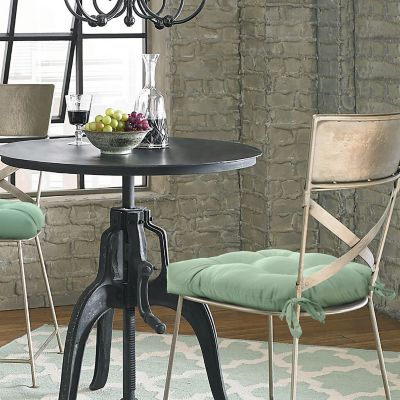
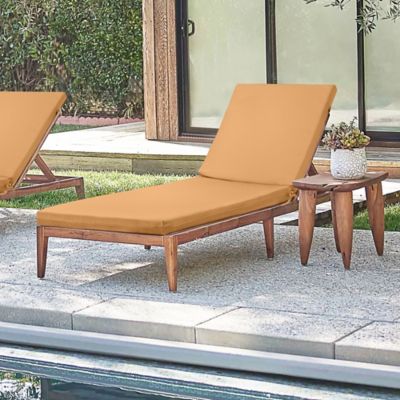
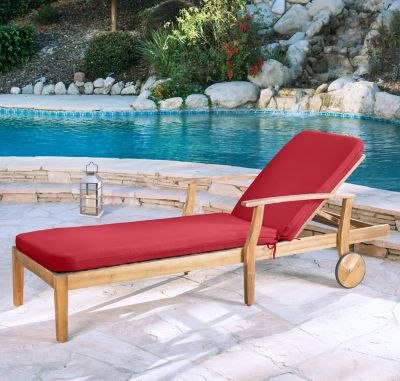
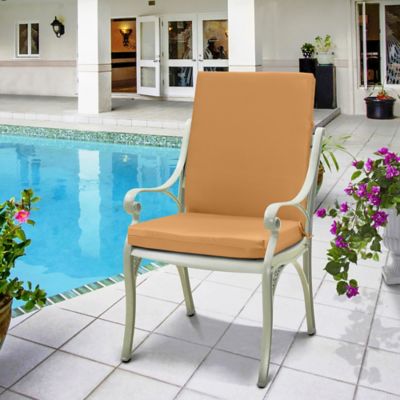
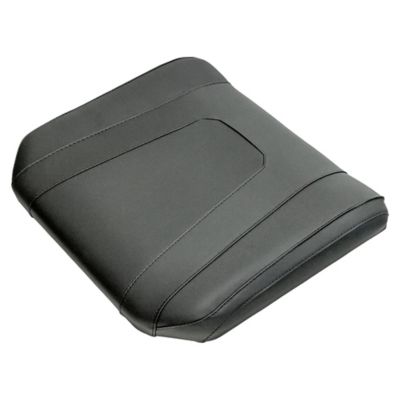
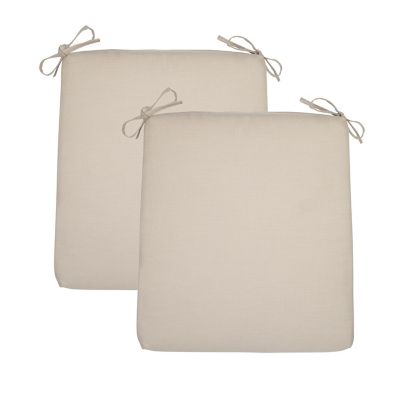
Outdoor seat cushions add a softer place to sit on patio chairs, porch benches, dining seats, and lounge furniture. Their comfort comes from the combination of an outdoor fabric cover and an inner fill that provides padding over a firm frame. A slim chair pad can take the edge off a hard dining seat without adding much height, while a thicker cushion brings more support to a deep chair made for settling in. Seat-and-back combinations cushion both surfaces, and longer bench cushions create a continuous sitting area instead of several separate pads. The right shape depends on the furniture, whether that means a square seat, a rounded front, or a rectangular bench. Fit matters just as much as softness: a cushion that hangs beyond the frame can shift under a person’s legs, while one that is too narrow leaves hard edges exposed. Seat width between the arms and depth from front to back are the most helpful starting measurements. For a cushion set, back height matters too, along with whether the back cushion rests on top of the seat cushion or behind it. Thickness affects the sitting position, especially at an outdoor dining table where extra height can reduce space beneath the tabletop. A cushion also compresses under body weight, so its listed thickness does not tell the whole story about how it will feel. On a porch where folks gather after chores or linger over coffee, that balance of fit and support can make a familiar chair more inviting. For hard, slatted, or open-frame seating,
Outdoor Cushions For Metal Chairs can help narrow the search toward padding suited to that furniture style. Rounded corners, tapered backs, and the spacing of chair arms all deserve attention, since two seats with similar overall measurements may have different sitting surfaces. Replacement cushions work best when their dimensions match the frame itself rather than simply copying the measurements of an old cushion that has flattened or stretched.
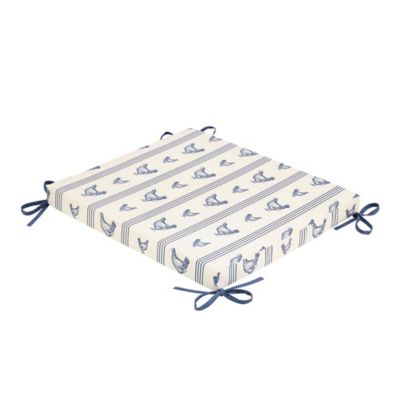
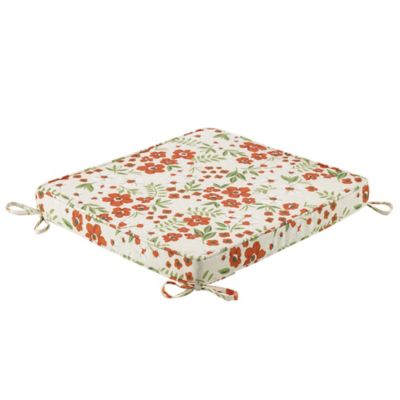
Fabric and fill determine much of how outdoor seat cushions feel and how they handle time outside. Polyester, acrylic, and olefin are common cover materials, with performance depending on the fabric’s construction and any treatments listed by the maker. Solution-dyed fabrics carry color through the fiber rather than only on its surface, which can help resist fading from sunlight. Fade resistance does not mean a cushion will keep the same color indefinitely, particularly on an uncovered patio with long hours of exposure. Water-resistant fabric helps shed light moisture, but it does not necessarily keep the filling dry through a soaking rain. Seams, tufting, and zipper openings can let moisture reach the inside even when water beads on the outer surface. Cushions described as quick-drying may combine less absorbent materials with construction that lets water drain and air move through; the cover alone cannot determine drying time. Inside, foam generally provides a more structured sitting surface, while polyester fiber fill tends to feel softer and more pillowy. Some designs combine foam with a fiber wrap for a supported center and a softer outer feel. Firmness is worth considering alongside thickness, because a tall, soft cushion may compress more than a thinner, firmer one. For dining chairs, a relatively steady sitting surface makes it easier to sit upright at the table. Deep seating often calls for a thicker seat cushion paired with a softer back cushion. Ties, straps, and nonslip backing can help limit sliding, though their usefulness depends on the frame and where the attachment points fall. Details such as reinforced seams, well-finished edges, and secure closures also deserve a look. Color and pattern have a practical side as well: a mixed pattern may make small marks less noticeable, while a solid shade creates a simpler look across several chairs. Coordinating cushions can bring together a porch with a mix of wood, wicker, and metal furniture without requiring every seat to match.
Everyday care helps outdoor chair cushions stay pleasant to sit on, particularly around dusty yards, pets, and outdoor meals. Loose dirt is easier to remove before it works into the weave, so a light brushing or vacuuming with a suitable attachment can be part of regular upkeep. Spills generally need prompt attention, using the cleaning method on the care label rather than a strong cleaner chosen on the fly. Many cushions allow spot cleaning with mild soap and water, but removable covers are not automatically machine washable. Some need hand washing, and some cushion assemblies are meant to stay intact. Care instructions also matter for bleach, stain treatments, and drying methods, since an approach that suits one fabric may harm another fabric or its finish. After cleaning or a thorough soaking, both the cover and filling need time to dry completely. A dry outer surface can hide damp padding inside, especially in a thick seat cushion. Standing a cushion on edge where the care instructions allow can help expose more surface area to airflow. Keeping cushions beneath a suitable furniture cover or in a sheltered storage space between gatherings can reduce exposure to dirt, sunlight, and rain. They should be clean and fully dry before storage, with enough ventilation to avoid trapping moisture. A storage bench or cushion bag also needs enough room that the padding is not squeezed flat for long stretches. For a busy household, easy-to-handle cushions can make the difference between putting them away and leaving them out. Pet hair, muddy paws, and the occasional tipped drink make straightforward care especially useful on a family porch. Outdoor seat cushions can also make a thoughtful housewarming gift when the furniture measurements and the recipient’s color preferences are known. Whether the setting is a small back step, a farmhouse porch, or a table beside the yard, well-fitting cushions add comfort without getting in the way of how the space works.