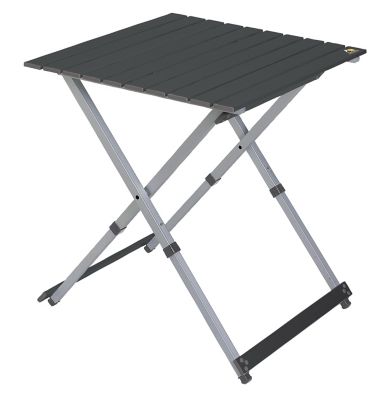
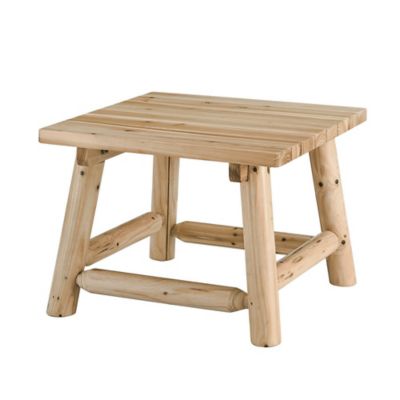
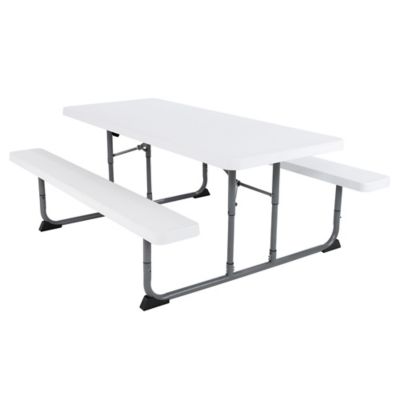
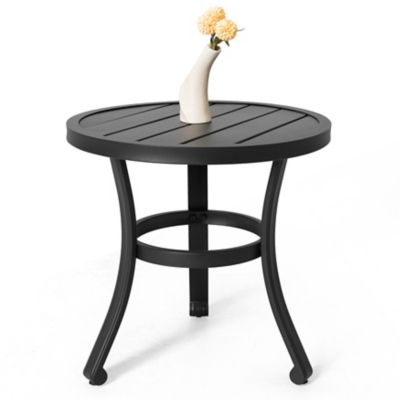
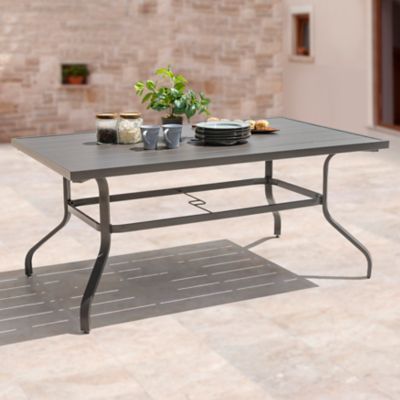
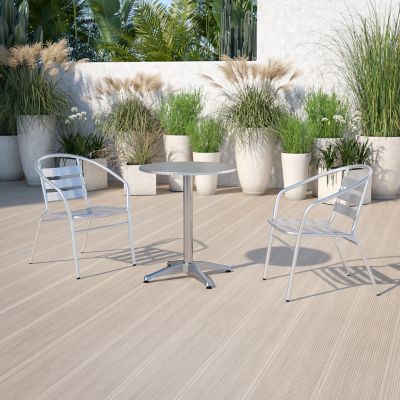
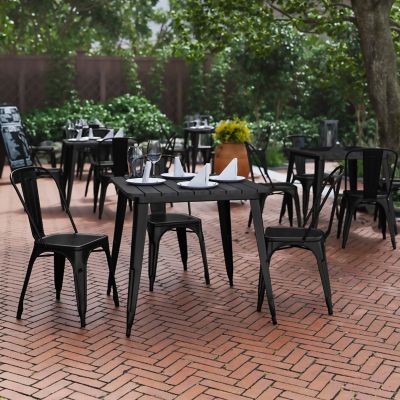
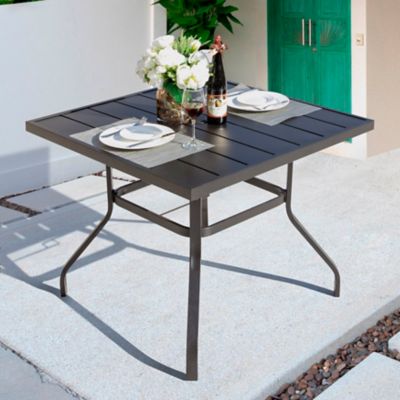
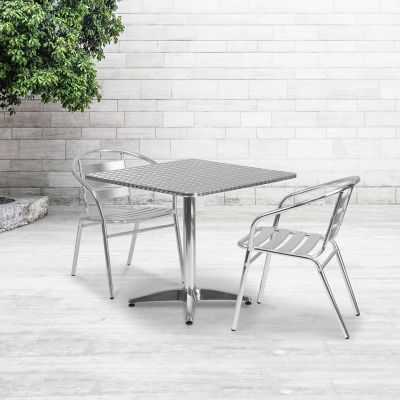
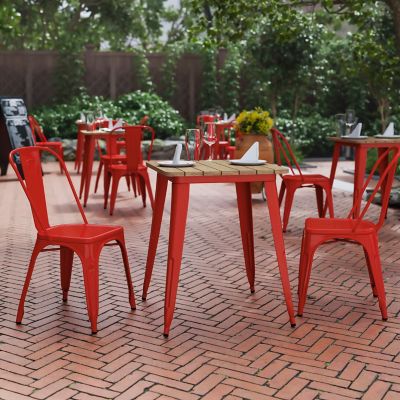
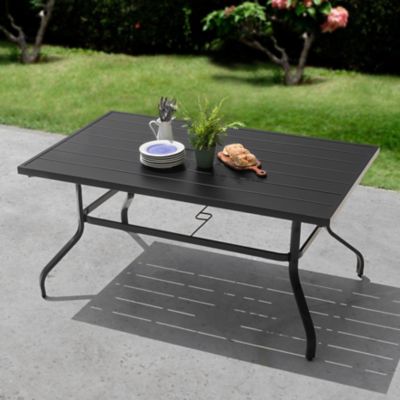
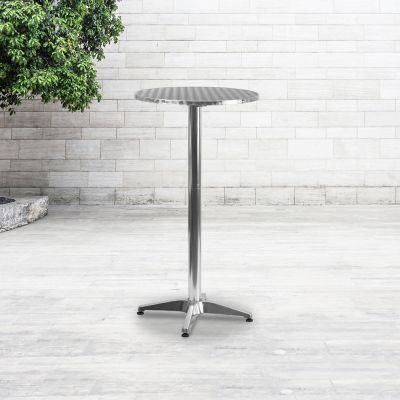
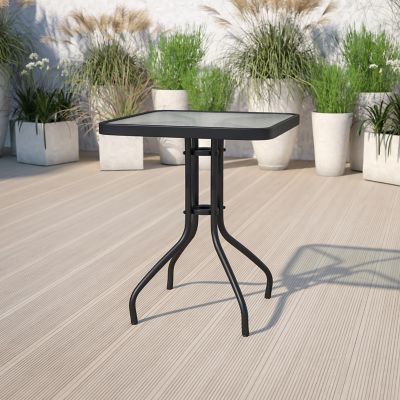
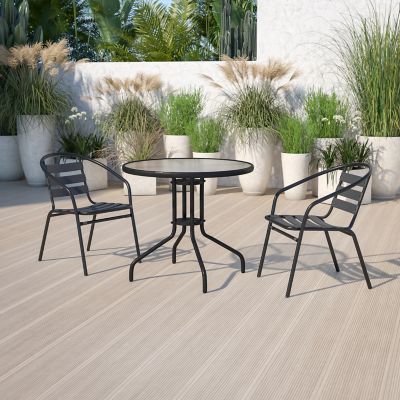
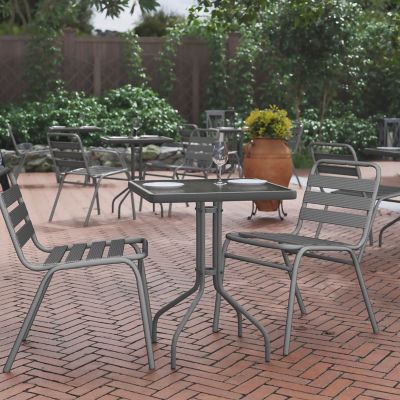
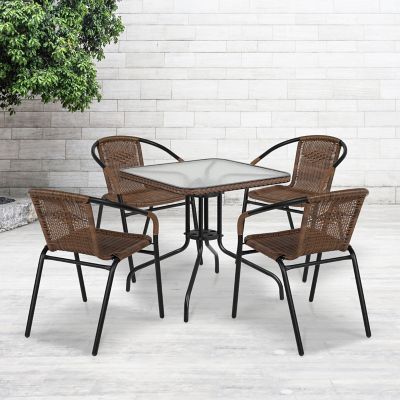
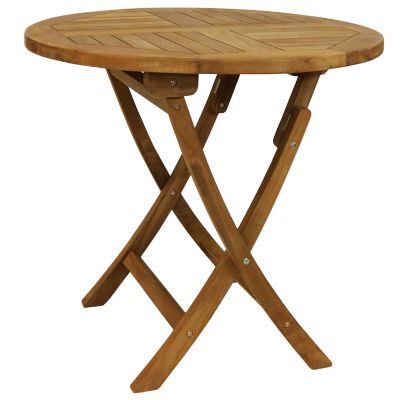
Outdoor tables make room for the everyday things that bring folks outside: a cup of coffee on the porch, supper with the family, a board game that stretches past dessert or a quiet spot to look through seed catalogs. The right shape and size depend as much on those routines as on the space itself. A small side table keeps a drink within reach beside a porch chair without taking over the walkway, while a dining table gives everyone a place to settle in for a full meal. Low tables work well between lounge chairs, where snacks and conversation can stay close at hand. On a broad patio, a larger tabletop can anchor a gathering area; on a narrow porch, a slimmer footprint leaves room to pass without turning sideways. Round tops make it easy to talk across the table and avoid projecting corners, while rectangular tops often fit neatly along the lines of a deck or covered porch. Square tables can suit a smaller seating area, though the base and chair placement matter just as much as the tabletop dimensions. Pairing a table with
Outdoor Seating means looking beyond whether the finishes match. Seat height, arm height and the space beneath the tabletop all affect how comfortably someone can sit and pull in close. A thick apron or broad support frame may reduce knee room, and a pedestal base can offer a different arrangement of leg space than four corner legs. There should also be enough room behind occupied chairs for someone to walk through without interrupting dinner. For families who gather with serving bowls, pitchers and extra place settings, usable surface area matters more than the outer measurements alone. A table that looks roomy when empty can feel quite different once supper is on it.
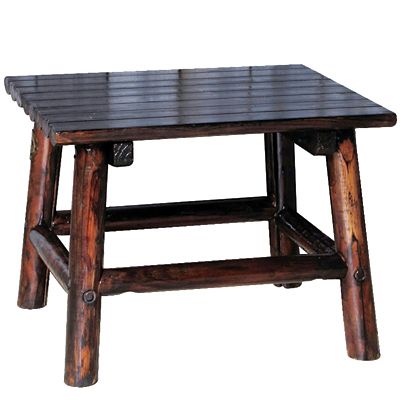
Materials give outdoor tables their character, but they also shape how the furniture feels in daily life and how much attention it needs. Wood brings visible grain and a familiar look that fits comfortably beside porch rails, garden beds and gravel paths. Its appearance can change with exposure, and the care routine depends on the wood species, construction and finish. Some surfaces call for periodic oiling or sealing, while others have different maintenance requirements, so the maker’s directions matter. Metal frames can offer a slender profile without making a table look heavy, although the metal type makes a difference when moving it. Aluminum is generally easier to lift than steel or cast iron, a useful distinction when the setup changes for company or the porch needs a thorough sweep. Protective finishes help limit corrosion on susceptible metals, but scratches and chips still deserve attention before moisture reaches the surface underneath. Resin and plastic tables can simplify wiping up everyday spills, and their weight, stiffness and resistance to sunlight vary by construction. Glass tops offer a smooth surface that is easy to wipe, though fingerprints, water spots and the edges may need regular attention. Outdoor-rated tempered glass and the condition of its supports are important considerations wherever a glass surface is part of the design. The tabletop’s texture also affects the little things: slats allow water to pass through but may call for broader-bottomed cups, while a solid top gives small game pieces and pencils fewer places to slip. Umbrella openings, when present, need to match the intended setup, including a suitable base rather than relying on the tabletop alone for support. Across materials, sound joints, secure hardware and a frame that sits without rocking help a table stand up to repeated meals, chair movements and everyday handling.
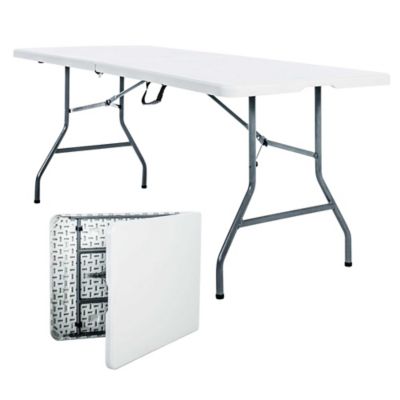
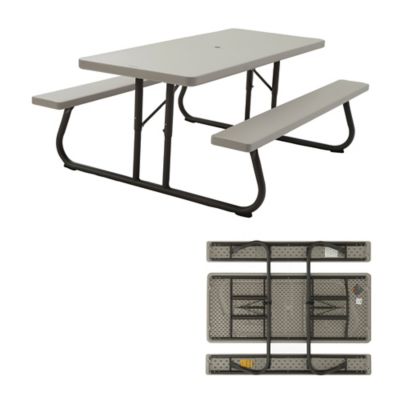
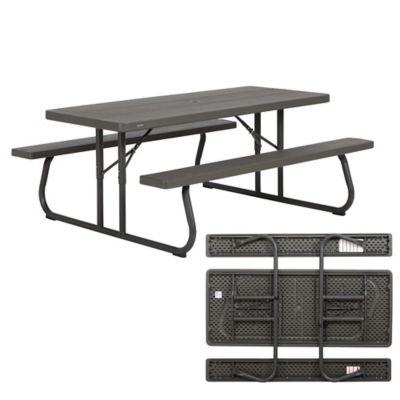
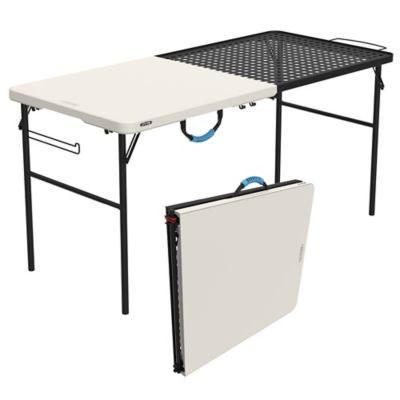
Outdoor tables also need to fit the way a household looks after its gathering spaces. A table that stays in one place can be heavier, while one that moves between the porch and patio benefits from a manageable size and a frame that is easy to grip. Folding designs can free up floor space between get-togethers, provided their locks engage fully and fingers stay clear of moving joints. Adjustable feet can help compensate for minor variations in a firm surface, but they are not a substitute for stable ground. Setting a table directly on soft soil or uneven gravel can leave legs at different heights and make glasses wobble. For homes with children, smooth edges, steady footing and a layout away from busy door swings can make the space easier to share. Cleanup is another part of the fit. Crumbs collect around seams, spilled drinks can settle near hardware, and grit beneath a flowerpot can scuff a finish when the pot slides. A soft brush or cloth and a cleaner approved for the material are often a better starting point than harsh scrubbing. Felt, rubber or other surface-safe pads beneath tabletop accessories can help limit marks, while trivets protect finishes from hot serving dishes. Covers should fit the table and follow the maker’s ventilation recommendations so trapped moisture does not create another problem. Before moving or putting furniture away, letting surfaces dry and checking fasteners can help prevent small maintenance needs from becoming bigger ones. For a housewarming or a gift to someone who spends plenty of time on the porch, an outdoor table is most thoughtful when its dimensions and care needs suit the recipient’s space. Whether the job is holding a single coffee mug or making room for a family meal, a well-matched table earns its place through ordinary, repeated moments: somewhere to set down a plate, deal another hand or pull up a chair and stay awhile.