Patio Sun Shade Fourth Of July Sale
Get your backyard ready for summer fun with our Patio Sun Shade Fourth Of July Sale. Whether you’re hosting a big family barbecue or just kicking back in the shade, we’ve got what you need to keep cool and comfortable outdoors. Stock up on great deals and enjoy more time relaxing outside all season long.
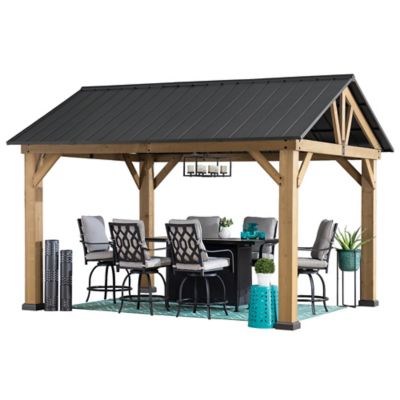
$1,329
.99
Sale Was $2,399.99 Save $1070.00 (45%)
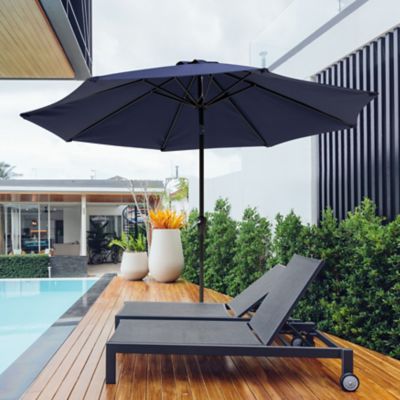
$43
.99
Sale Was $59.99 Save $16.00 (27%)
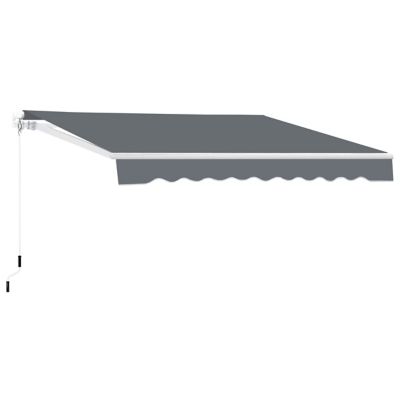
$189
.99
Sale Was $240.99 Save $51.00 (21%)
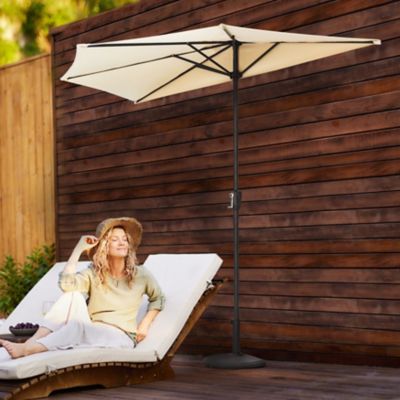
$40
.99
Sale Was $59.99 Save $19.00 (32%)
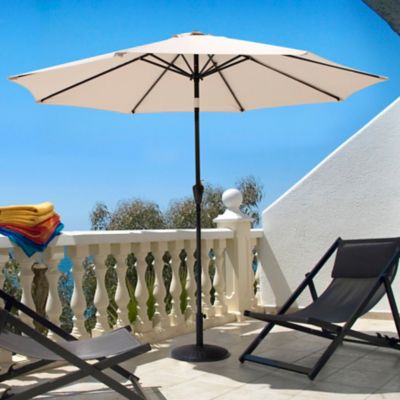
$51
.99
Sale Was $75.99 Save $24.00 (32%)
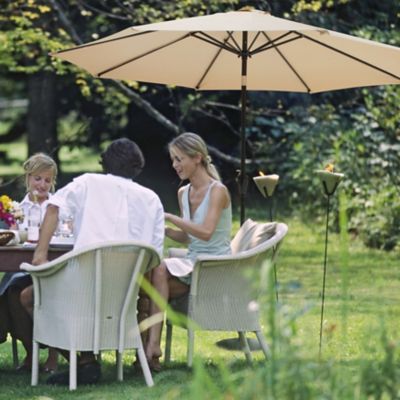
$36
.99
Sale Was $59.99 Save $23.00 (38%)
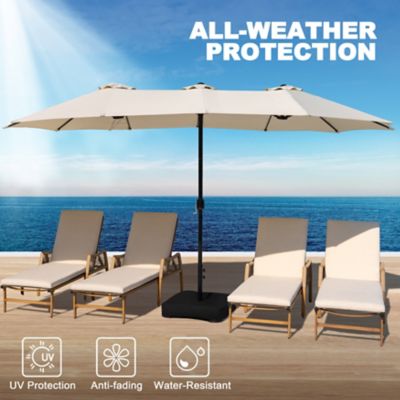
$108
.99
Sale Was $132.99 Save $24.00 (18%)
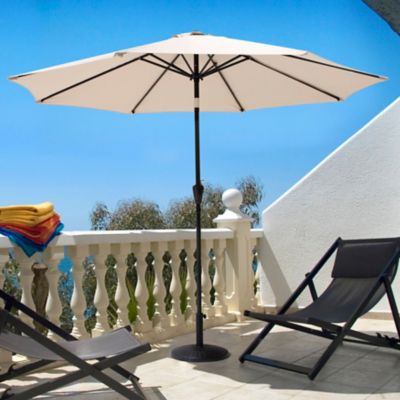
$63
.99
Sale Was $89.99 Save $26.00 (29%)
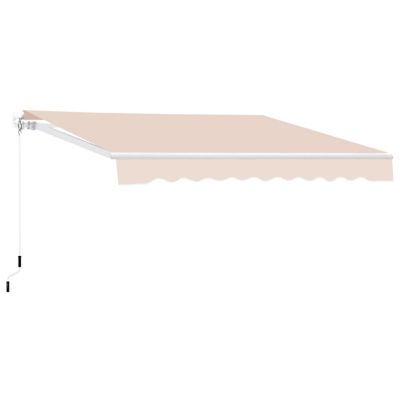
$189
.99
Sale Was $240.99 Save $51.00 (21%)
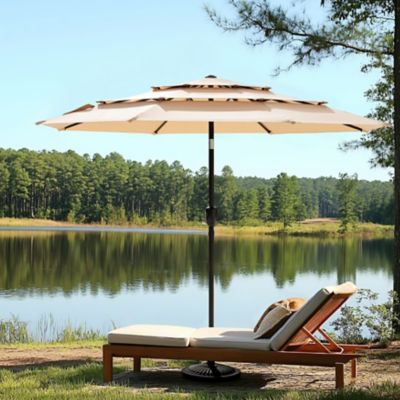
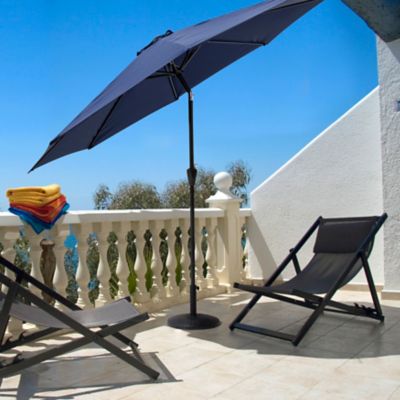
$70
.99
Sale Was $89.99 Save $19.00 (21%)
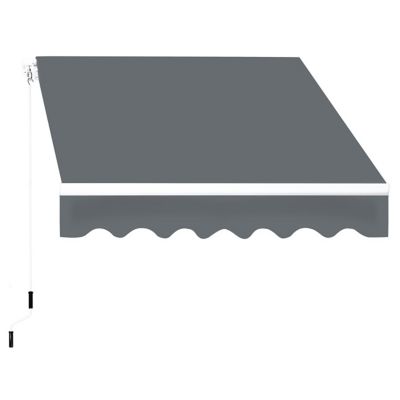
$129
.99
Sale Was $157.99 Save $28.00 (18%)
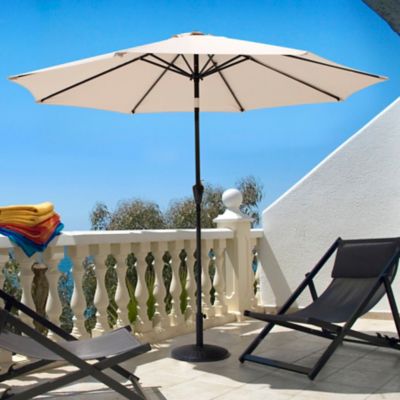
$59
.99
Sale Was $69.99 Save $10.00 (14%)
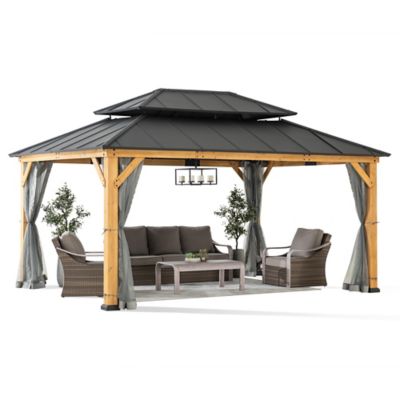
$1,199
.99
Sale Was $1,999.99 Save $800.00 (40%)
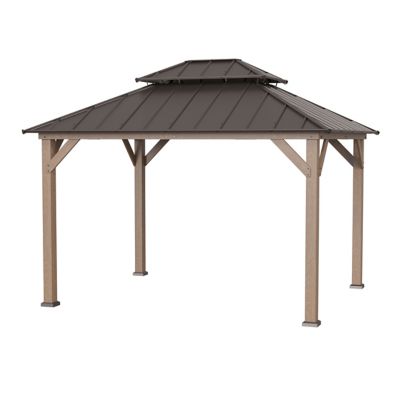
$1,615
.99
Sale Was $1,899.99 Save $284.00 (15%)

$1,524
.99
Sale Was $2,179.99 Save $655.00 (30%)
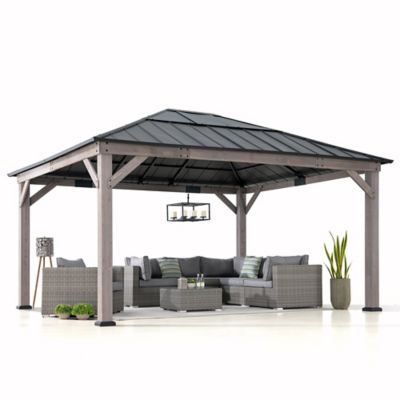
$899
.99
Sale Was $1,499.99 Save $600.00 (40%)
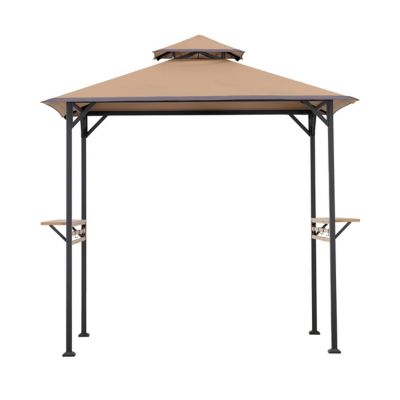
$163
.99
Sale Was $217.99 Save $54.00 (25%)
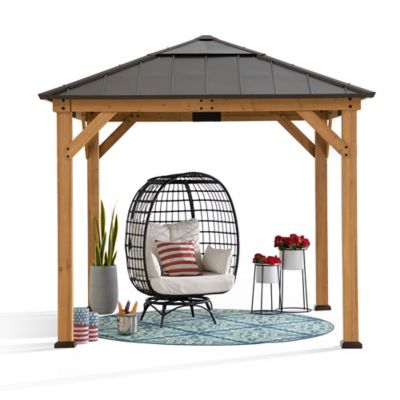
$874
.99
Sale Was $1,158.99 Save $284.00 (25%)
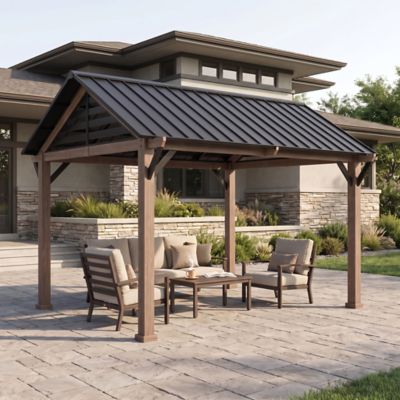
$1,199
.99
Sale Was $2,999.99 Save $1800.00 (60%)
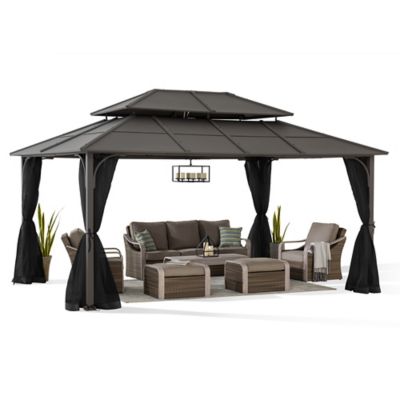
$1,099
.99
Sale Was $1,799.99 Save $700.00 (39%)
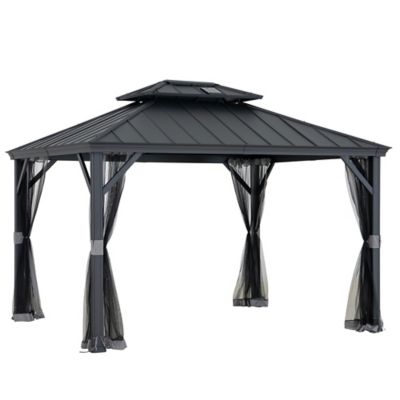
$1,199
.99
Sale Was $1,499.99 Save $300.00 (20%)
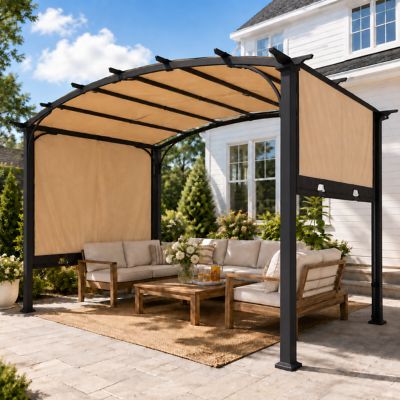
$233
.99
Sale Was $389.99 Save $156.00 (40%)
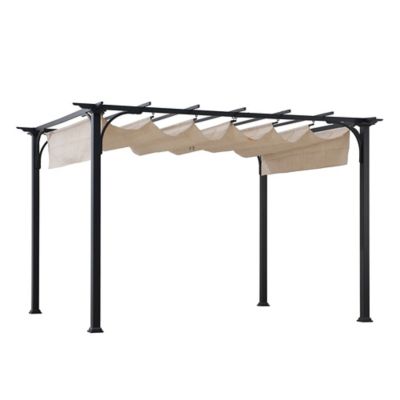
$389
.99
Sale Was $649.99 Save $260.00 (40%)
Best Of FAQ
What are the benefits of having a patio sun shade during summer gatherings?
Patio sun shades provide relief from direct sunlight, helping to keep outdoor spaces cooler and more comfortable for guests. They also protect furniture from UV damage and can enhance the overall ambiance of your Fourth of July celebration.
How do I choose the right style of patio sun shade for my outdoor space?
Consider the layout and design of your patio, as well as your preferred level of coverage. Options include sail shades, umbrellas, and retractable awnings, each offering different aesthetics and functional benefits.
Are patio sun shades easy to install for holiday events like the Fourth of July?
Many patio sun shades are designed for simple installation, with user-friendly instructions and minimal tools required. Temporary options like sail shades or pop-up canopies are especially convenient for quick setup before holiday gatherings.
Can patio sun shades work in different outdoor settings beyond patios?
Yes, patio sun shades are versatile and can create shaded areas over decks, gardens, poolsides, or even at campsites during summer festivities.
What materials are common in patio sun shades for durability during summer use?
Patio sun shades typically feature weather-resistant materials such as polyester fabric, high-density polyethylene (HDPE), or canvas. These materials are chosen for their ability to withstand sun exposure and occasional rain during outdoor celebrations.
Best Sellers
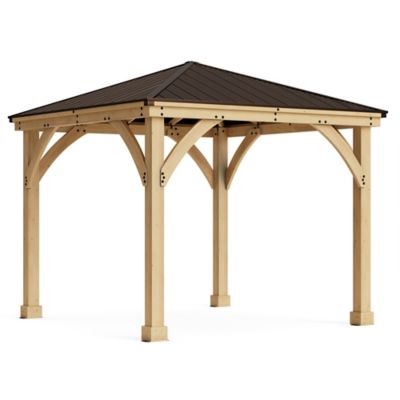
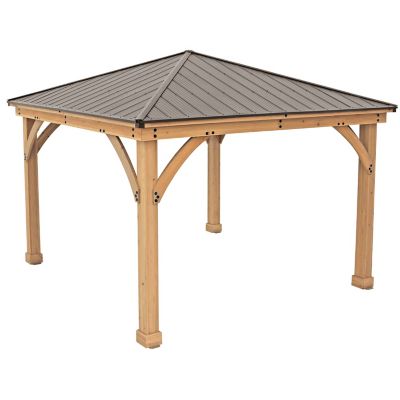
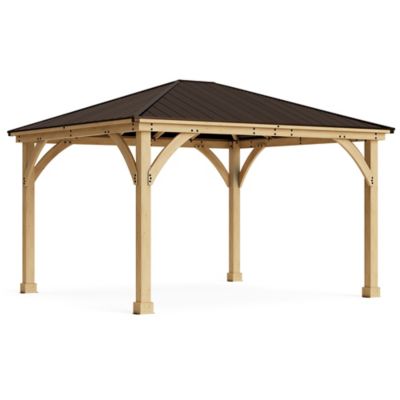
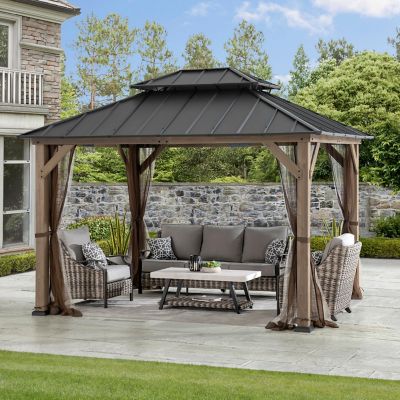
-
"Love the Gazebo. Only complaint is with the packaging, most of the roof pieces were bent"
-
"It looks great and easy to turn from swing to bed. We love it"
-
"Looks great on our patio table and gives off plenty of warm light. _x000D_ Highly recommend"