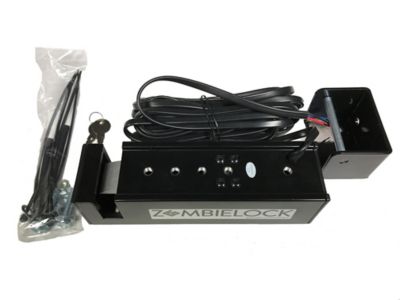
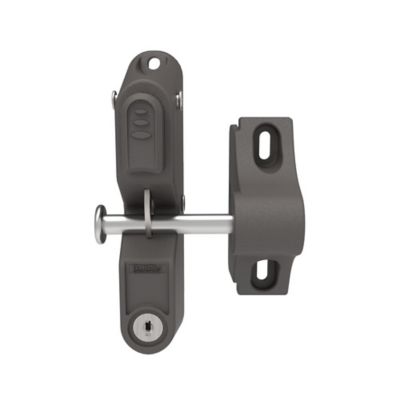
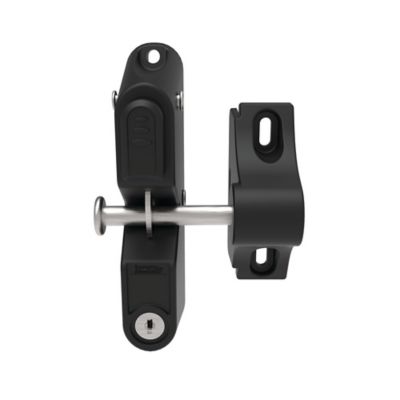
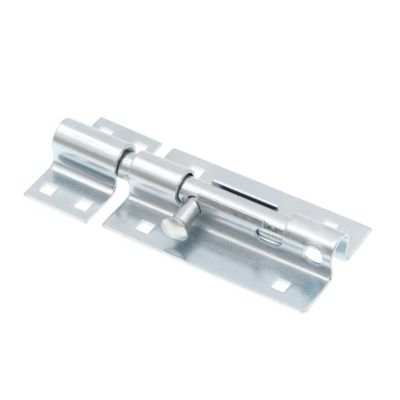
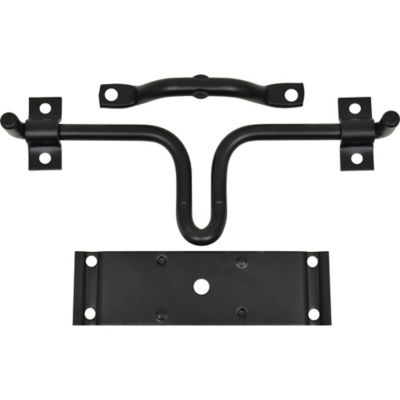
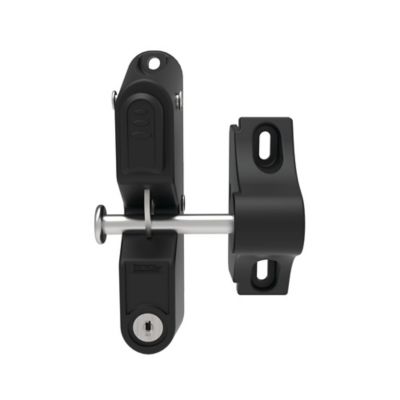
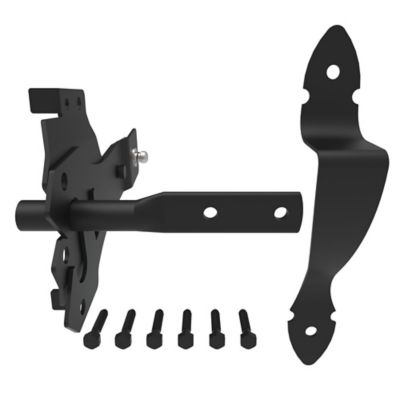
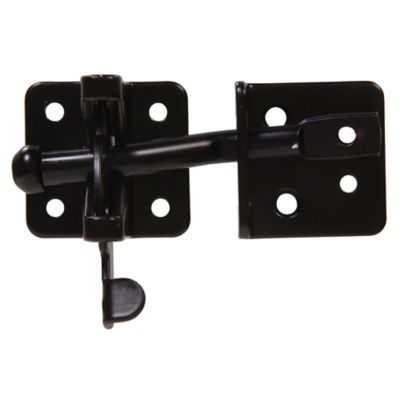
An outdoor lock for a gate helps control access to a yard, driveway, pasture entrance or side passage. Common choices include padlocks paired with lockable latches, keyed gate locks and combination locks, with the right match depending on the gate’s construction, hardware and purpose. Around a home or acreage, a locked gate can mark the difference between an open path and an entrance that requires permission. That matters at a side yard leading to a tool shed, a driveway beside equipment storage or a fence line where access needs to stay limited. The lock, latch, hinges and mounting points all work together, so a stout lock on a loose hasp does not create a strong closure. Materials also shape how a lock holds up outside. Brass bodies, stainless steel components and coated steel parts offer different combinations of corrosion resistance and strength. Hardened steel shackles can provide resistance to cutting, while protective coatings help shield the metal underneath. No material or finish makes a gate lock impossible to defeat, and resistance to corrosion is not the same as resistance to forced entry. Construction details, published security ratings and the strength of the surrounding hardware matter more than appearance alone. A compact lock may suit a narrow latch opening, while a larger body needs enough clearance to hang without striking the gate frame. The shackle—the curved piece that passes through a latch, hasp or chain—must be thin enough to enter the opening and long enough to close around the hardware. Extra shackle length can solve a reach problem, but it can also leave more exposed metal and room for tools. A close fit can help limit that exposure, provided the lock still opens freely. For a gate near a barn, workshop or garden, the right match balances access control with a setup that makes sense for the way the entrance gets opened and shut every day.
Wood, vinyl, chain-link and tubular metal gates each call for compatible mounting hardware and a latch position that lets the locking parts meet without strain. On a wood gate, the fasteners need sound material behind them rather than a split board or loose trim. Vinyl and hollow metal gates may need reinforcement or mounting hardware intended for that construction; a large lock cannot make up for a weak attachment point. Gate thickness, post shape, hinge placement and the gap between the gate and post all affect fit. A gate that has started to sag may pull its latch out of line, leaving a lock difficult to close even when its dimensions look right on paper. For gates with an existing closure,
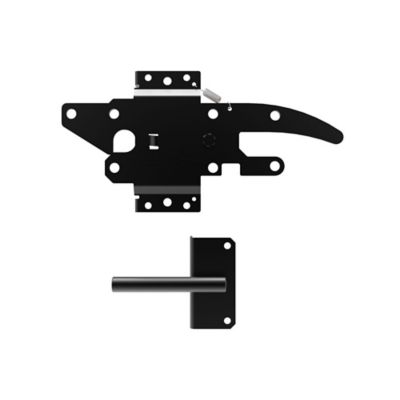
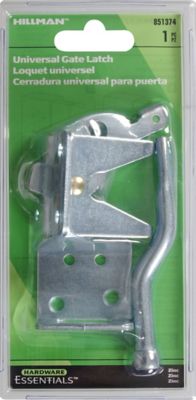
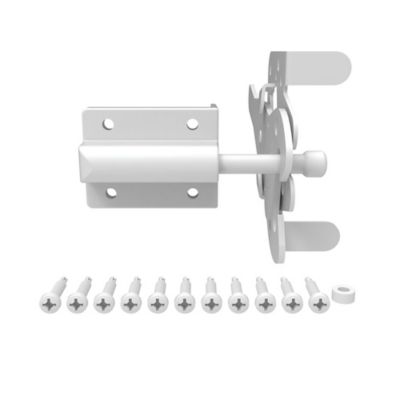
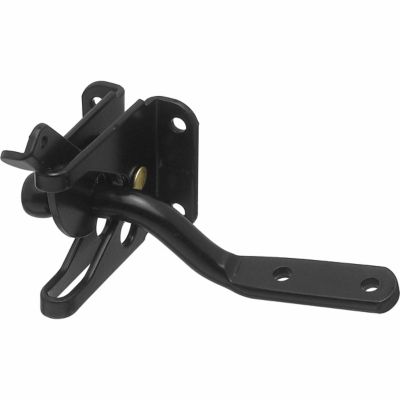
Gate Latch Locks are worth a closer look when matching the lock to the latch and its release mechanism. A padlock arrangement depends on compatible holes or loops, while an integrated locking latch combines the closing and locking functions in one assembly. Keyed entry keeps access tied to a physical key, which can be helpful when only a few people need entry. Combination entry removes the need to carry a key, though the code still needs to stay limited to the people allowed through. Keyed-alike arrangements can simplify several entrances on the same property, with the trade-off that one key grants access to each matching lock. For shared driveways or work areas, access from the inside deserves just as much attention as entry from the outside. A lock that fits neatly but cannot be reached or released as intended can create trouble when someone needs to leave. Single gates and double gates also have different layouts: a double gate needs a secure meeting point, and its stationary half may need separate anchoring hardware. Nearby fence wire and the swing path influence whether the lock hangs clear or catches against another part.
Everyday handling matters just as much as dimensions. A lock at a back pasture entrance may see less traffic than one beside a house, but both need a mechanism that turns without forcing and hardware that stays firmly attached. Dirt, grit and contact with soil can interfere with moving parts, especially when a loose chain lets the lock drag along the ground. Keeping the lock clear of that contact helps protect its operation and finish. Care should follow the lock manufacturer’s directions, including the recommended lubricant; a product intended for a lock cylinder may differ from a general-purpose oil. A covered keyway can help limit debris entry, but it does not replace occasional checks for binding, damaged coatings or loose fasteners. Changes in operation deserve attention rather than a harder pull on the key or a shove against the gate. Sometimes the trouble is in the lock, and sometimes it is a shifting post, worn hinge or latch that no longer lines up. Intended use also sets the requirements. At a livestock entrance, the gate and latch must suit the animals being contained; adding a lock does not correct a gap, weak hinge or closure an animal can lift. At a pool enclosure, a lock is not a substitute for required self-closing and self-latching features, and local rules govern the enclosure and release arrangement. A side-yard entrance shared with a lawn crew needs a different access plan than a storage yard opened only by the property owner. Spare-key storage, code sharing and access for emergency responders all belong in that plan. The practical choice is a lock that fits the gate, supports the property’s access needs and remains manageable when carrying feed buckets, moving equipment or finishing the last round of chores.