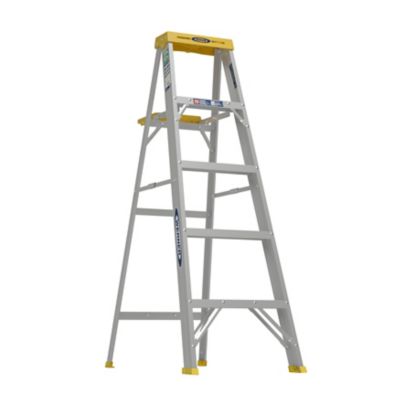
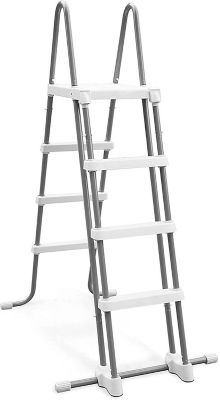
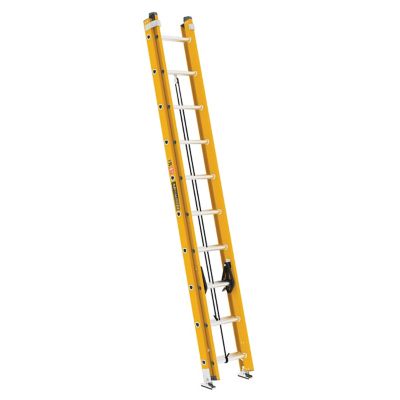
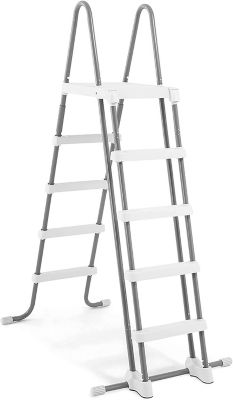
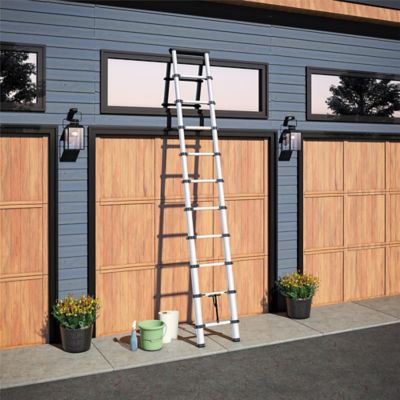
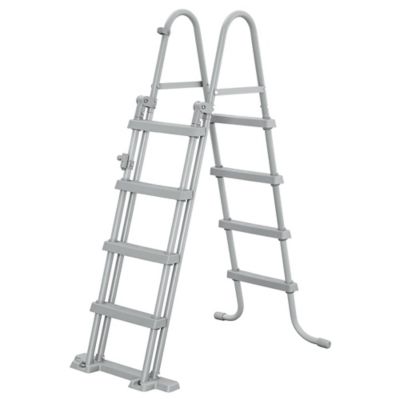
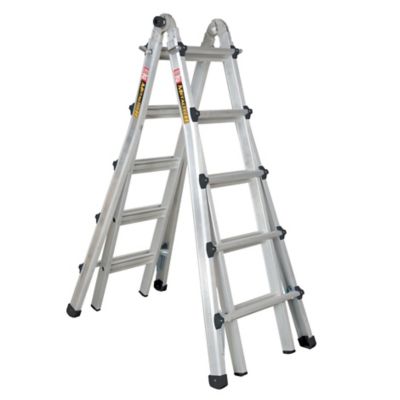
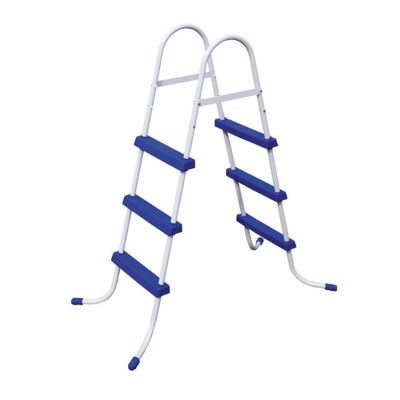
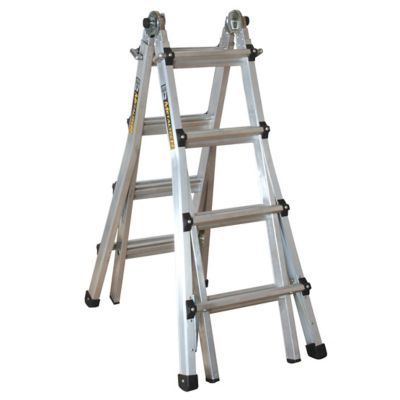
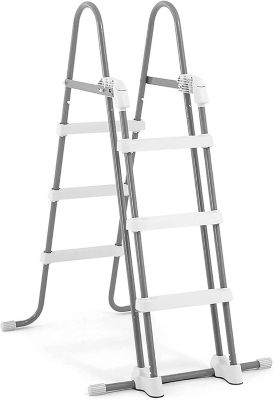
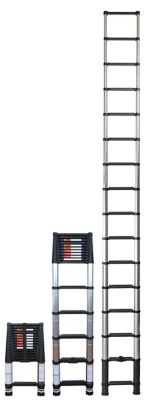
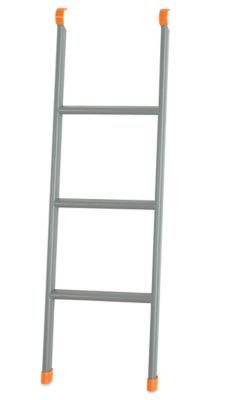
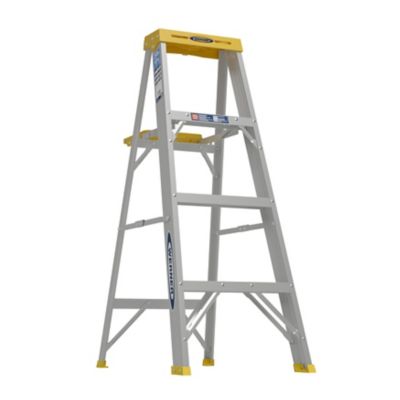
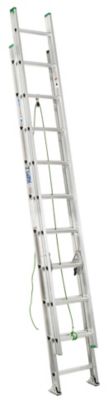
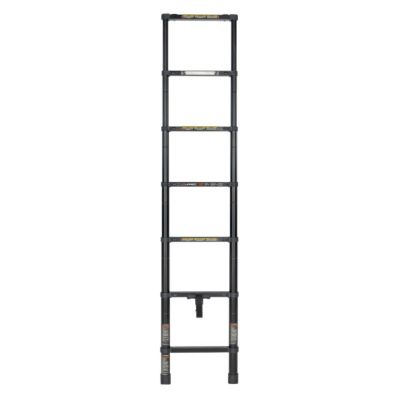
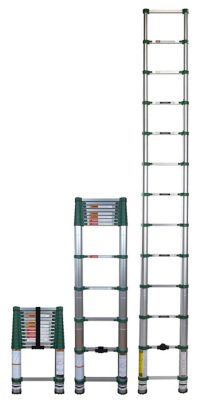
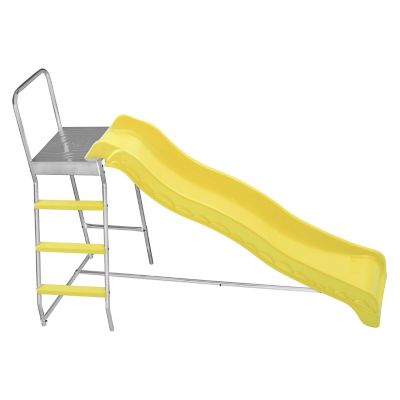
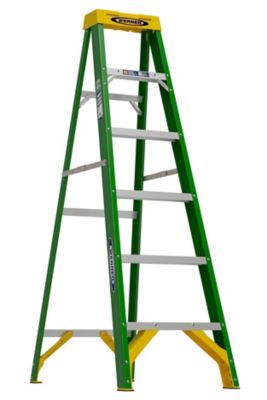
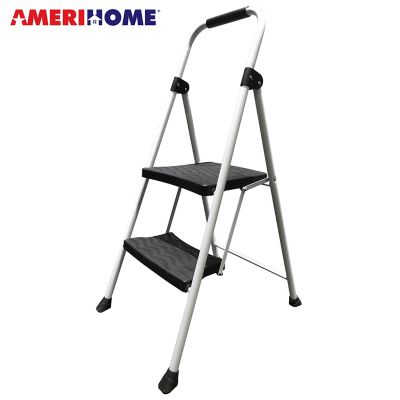
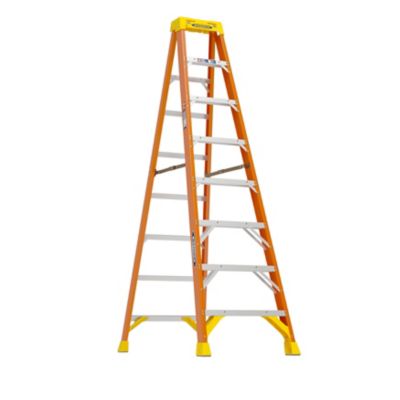
Outdoor ladders give homeowners, farm crews, maintenance workers, and contractors the reach they need for jobs beyond ground level, from painting porch trim to checking a barn gutter. The right match depends on the working height, the space around the job, the supporting surface, and what needs to go up the ladder with the person climbing. A stepladder stands on its own when fully opened and locked, making it a practical choice for tasks where there is no suitable wall to lean against. Platform ladders provide a designated standing surface, which can be helpful for longer tasks such as painting exterior trim or fastening hardware above a doorway. Extension ladders offer greater reach along a building, but they need firm footing and a suitable upper support. Their listed length is not the same as their usable reach: overlapping sections, setup angle, and permitted standing level all affect working height. Multiposition ladders bring several configurations into one frame, with locking hinges that allow only the arrangements approved by the manufacturer. That flexibility can suit a property with several kinds of upkeep, though the folded size and carrying weight still matter when moving between the house, shop, and outbuildings. Telescoping ladders shorten for storage and transport, with section locks and retraction mechanisms that deserve close attention before each climb. Orchard ladders serve another purpose, giving growers access within fruit trees through a shape and support system intended for orchard work. A tripod design does not make every slope or patch of loose soil suitable; the ladder still needs the ground conditions and setup its manufacturer specifies. Across these styles, useful features include clearly marked standing limits, secure spreaders or hinges, and steps or rungs that provide sound footing. For a quick task beside the porch or a longer stretch of work along a shed wall, matching the ladder’s design to the job matters more than simply choosing the tallest frame. A ladder that fits the work area is easier to position properly without reaching around corners or leaning too far to one side.
Material makes a noticeable difference when carrying outdoor ladders across a property, lifting them onto a rack, or placing them beside a building. Aluminum generally weighs less than a comparable fiberglass design, which can make frequent moves less tiring. It resists rust, but it can still suffer corrosion, bent rails, damaged joints, and other wear that calls for inspection. Fiberglass rails are electrically nonconductive when clean, dry, and intact, but that does not make a fiberglass ladder safe around power lines. Every ladder needs to stay well clear of overhead electrical hazards, and electrical work calls for the proper equipment and precautions. Fiberglass can also develop cracks, surface deterioration, or exposed fibers, so its condition matters as much as its material. Duty rating is another essential consideration: it covers the combined weight of the climber, clothing, tools, and materials carried onto the ladder. A tool belt and a container of supplies count toward that limit just as surely as the person climbing. Step width, rung shape, rail spacing, and access to handholds affect how a ladder feels underfoot, especially with work boots on. Slip-resistant surfaces can help with footing, but mud or oil on a boot sole can undermine that benefit. At ground level, ladder feet need a firm, stable surface; rubber pads do not turn loose gravel, soft soil, or a sloping yard into a sound base. Compatible leveling equipment may suit certain situations when the manufacturer permits it, while loose boards, blocks, and other makeshift supports do not belong under ladder feet. Height should leave room to work from an approved standing level without stretching sideways or standing on a top cap. For extension ladders, adequate section overlap, the specified setup angle, and secure contact at the upper support are all part of the fit. These details help separate a ladder that merely reaches the spot from one suited to the task.
Everyday handling matters, too, especially when a ladder travels from a garage wall to a pickup and then across a field gate. Folded length determines whether it fits the storage space, while carrying weight and balance affect how manageable it is along narrow paths or around parked equipment. Hinges, spreaders, extension locks, ropes, and pulleys should move as intended and hold securely before the ladder goes into service. On telescoping designs, clearly visible lock indicators and a controlled closing mechanism can make checking and packing away the ladder more straightforward, though fingers still need to stay clear of moving sections. Accessories such as stabilizers, leveling systems, and tool trays should match the ladder and carry the manufacturer’s approval; an attachment that happens to fit is not necessarily suitable. Stabilizers also need to bear against an appropriate surface rather than fragile trim or an unsupported gutter. For travel between properties,
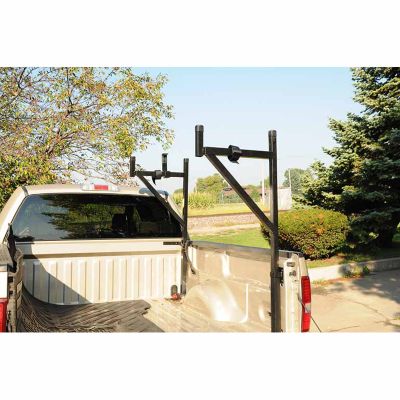
Black Ladder Racks are worth considering alongside vehicle fit, ladder dimensions, and the rack’s load limit. Proper restraints help keep a ladder from shifting, and support along its length helps limit bouncing and frame stress on the road. Back at the shop, storage should keep the ladder protected from damage, away from vehicle traffic, and supported according to the manufacturer’s directions. Removing dirt and residue from steps, checking feet for wear, and looking over rails and fasteners make it easier to spot trouble before the next job. Bent rails, cracked fiberglass, missing hardware, or locks that fail to engage are reasons to take a ladder out of service rather than attempt an improvised repair. Keeping labels readable matters as well, since they carry the standing limits, load information, and setup requirements for that ladder. Whether the work involves an outbuilding, a porch, or an orchard, an outdoor ladder earns its place through a sensible match of reach, footing, carrying weight, and care.