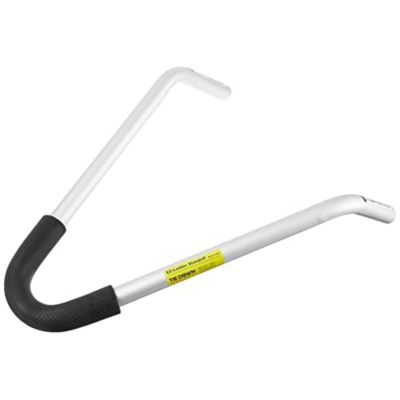
Ladder grips are practical safety accessories made to help keep a ladder steady while you work, whether you are cleaning gutters, trimming branches, painting siding, repairing a barn, or handling routine maintenance around the house. A ladder can shift for several reasons: the feet may sit on smooth concrete, a damp deck, packed dirt, or uneven flooring; the top may rest against a gutter, pole, pipe, wall edge, or another narrow surface; or the ladder may move from side to side as you climb and reach. The right ladder grip helps reduce that movement by adding traction at the base, securing the upper rails, or wrapping around a round support. Some styles are designed to hold the bottom of a ladder in place on slick ground, while others clamp or fasten the top to help prevent sliding outward, twisting, or shifting sideways. These accessories can be especially useful for homeowners, farmers, ranchers, painters, maintenance crews, roofers, tree trimmers, and anyone who regularly works from a ladder without a second person available to steady it. They can also make a thoughtful gift for a handy neighbor, new homeowner, property manager, or do-it-yourselfer who spends weekends fixing up an older house, shop, garage, or outbuilding. A ladder grip is not a substitute for a sound ladder, proper setup, or safe climbing habits, but it can add an extra layer of stability when the work area presents challenges. Before shopping, take a close look at the ladder you use and the surfaces where you normally set it. Consider whether you need a grip for the feet, a device for securing the top, or a style made for poles, rounded posts, gutters, corners, or other unusual contact points. Compatibility matters, so check the ladder’s rail size, rung design, weight rating, and the grip’s attachment method before making a purchase.
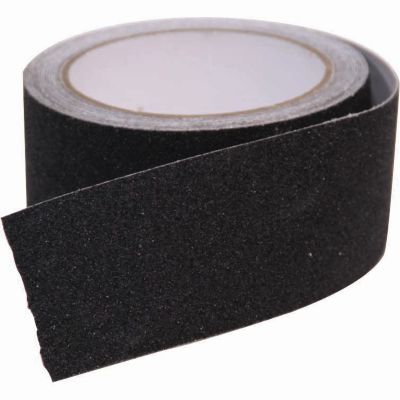
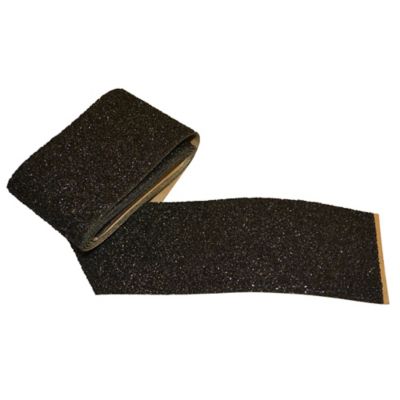
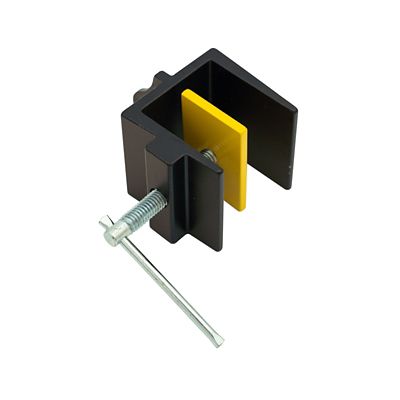
When comparing ladder grips, start with the job you need to complete and the kind of movement you want to control. Base grips and anti-slip pads are suited to ladders set on smooth, hard, or damp surfaces such as finished concrete, sealed wood, tile, metal flooring, and composite decking. Look for durable rubber or textured materials that can maintain contact without damaging the surface, along with a secure way to attach the grip to the ladder feet or lower rungs. For work near gutters and rooflines, upper ladder clamps or gutter-support grips can help keep the ladder from pulling away or sliding from side to side. These designs should fit firmly against the ladder and provide a dependable connection without placing unnecessary pressure on fragile guttering. Pole and corner grips are useful for utility work, fence posts, round columns, pipes, silos, and other places where a standard ladder rail may not sit flat. Wide webbing, strong fasteners, and rubberized contact surfaces can help the grip conform to the support and hold its position. A quick setup is convenient when you are moving between several work areas, but convenience should never outweigh a secure fit. A grip that attaches in seconds still needs to be installed correctly, tightened as directed, and checked before climbing. Pay attention to construction, too. Heavy-duty webbing, reinforced stitching, corrosion-resistant hardware, tough molded components, and slip-resistant surfaces can make a difference when equipment is used outdoors through changing conditions. Compact ladder grips are easy to keep in a truck box, tool chest, or barn cabinet, while lighter options may be more convenient for homeowners who only bring out a ladder a few times each season. If you carry equipment to multiple properties, look for a design that is easy to handle with work gloves and simple to inspect in low light. Keeping a small flashlight and basic hand tools nearby is also helpful when securing a ladder during the cooler months, when early darkness, damp surfaces, and wind can make ordinary maintenance jobs less forgiving.
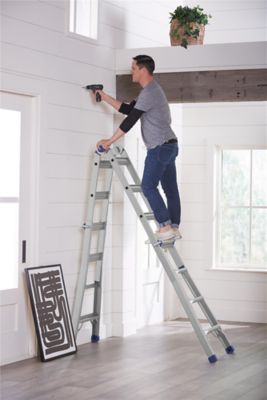
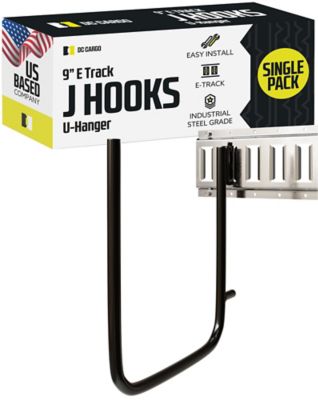
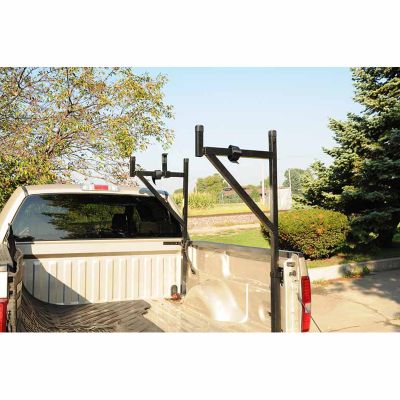
Safe use begins before the grip ever touches the ladder. Inspect the ladder for bent rails, cracked steps, loose hardware, worn feet, and damaged labels, then confirm that it is tall enough for the work without requiring you to stand on the top step or overreach. Set it on firm, level ground and clear away gravel, mud, leaves, cords, and other trip hazards. Even with a ladder grip in place, keep both feet on the ladder and your body centered between the rails. Move the ladder instead of leaning far to one side, and avoid using it during strong wind, lightning, or conditions that make the surface unusually slick. Follow the grip manufacturer’s instructions for attachment, weight limits, compatible ladder types, and approved surfaces, and make sure the device does not block a rung or interfere with the ladder’s locking mechanism. Before climbing, give the ladder a careful push from the ground to check for obvious movement, then recheck the setup if you reposition the ladder or change the work area. Store grips out of direct weather when possible, and brush away dirt, paint, mud, and grit so the contact surfaces remain effective. If you use a ladder for farm repairs, check the accessory after exposure to fertilizer, livestock areas, moisture, or dusty shop conditions, since buildup can affect fit and traction. For people who transport ladders to job sites, secure the ladder during travel with proper tie-downs and consider storage options such as
Black Ladder Racks to help keep equipment organized and ready to use. The best ladder grip is the one that matches your ladder, your working surface, and the kind of task you handle most often. With the right fit and a careful setup, ladder grips can help make everyday chores feel more controlled, from reaching a high porch light to repairing a roof edge, tending a barn, or preparing a property for the changing weather.