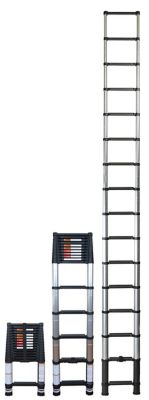
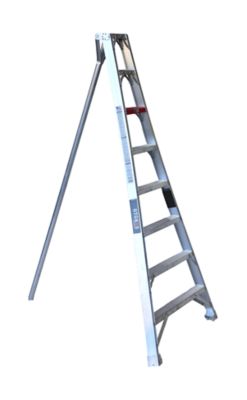
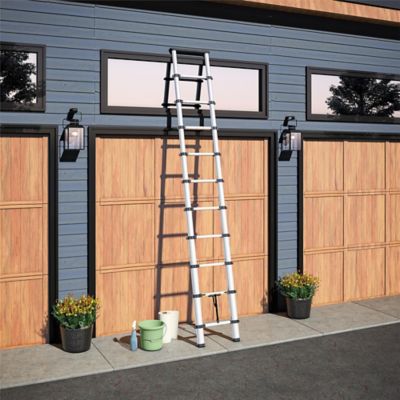
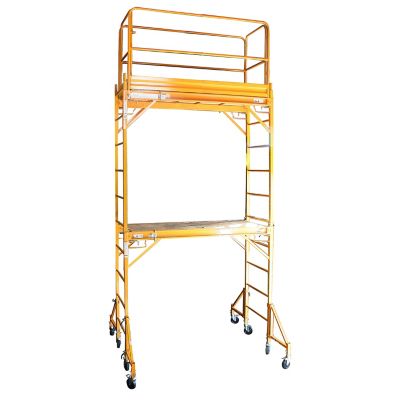
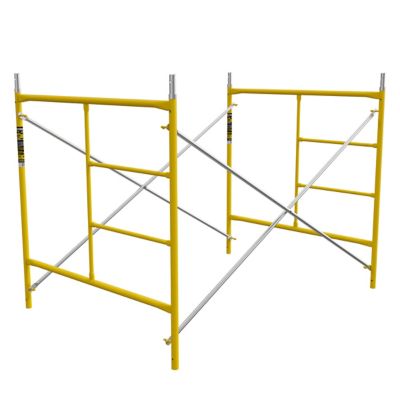
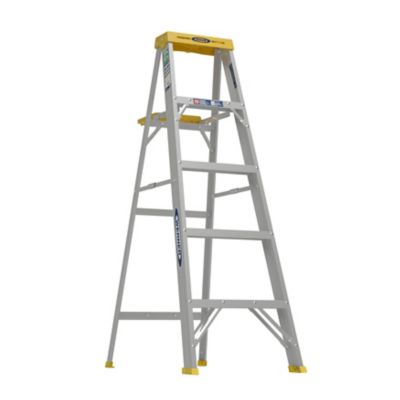
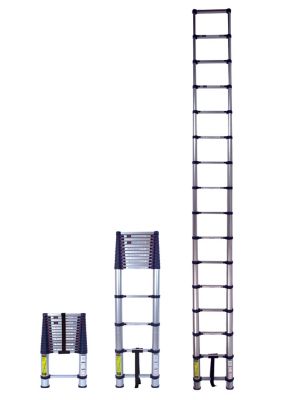
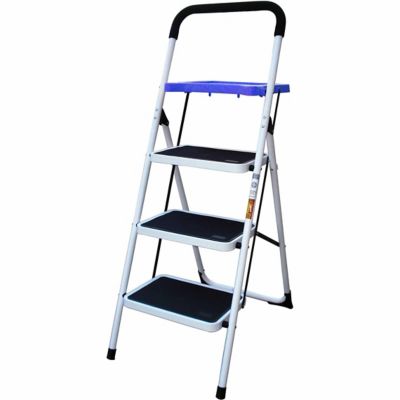
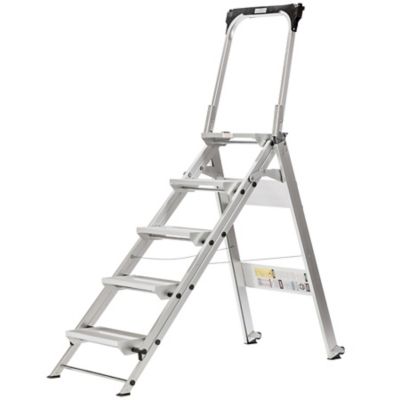
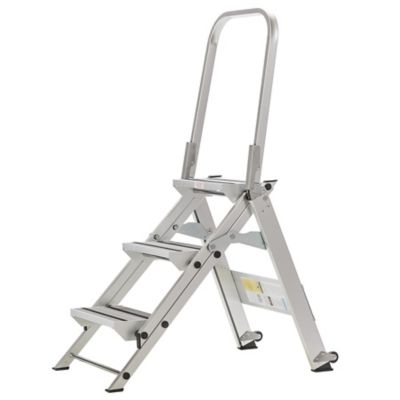
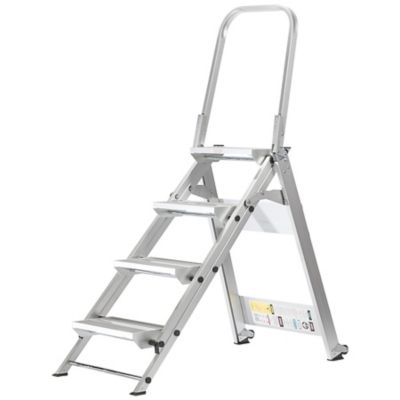
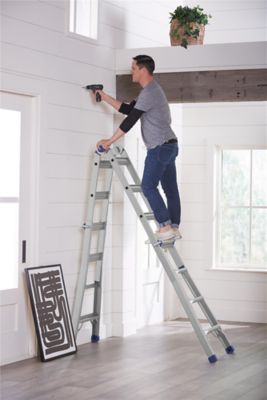
Construction ladders give builders, contractors, maintenance crews, and property owners access to overhead work that calls for steady footing and the right working height. From hanging a barn light to setting trim along a workshop ceiling, the job helps determine which ladder style makes sense. Stepladders provide a self-supporting A-frame for tasks away from a wall, while extension ladders reach taller work areas when they rest against a suitable support. Multi-position ladders have locking hinges or adjustable sections that allow several manufacturer-approved configurations, making them practical for crews moving between different kinds of work. Platform ladders offer a broader standing surface than a standard step, which can be helpful for tasks that keep someone in one place, such as fastening overhead hardware. Each style has its own footprint, carrying weight, setup requirements, and limits on where a person can stand. A ladder that fits comfortably in an open equipment shed might be awkward in a narrow hallway or between fixed workbenches. Likewise, a compact stepladder suited to painting door trim will not provide the access needed for work along a tall exterior wall. Ladder length and working reach are related, but they are not interchangeable measurements. Extension ladder sections must overlap, and the highest permitted standing level sits below the top of the ladder. Published reach estimates may also assume a particular user height, so the manufacturer's dimensions and standing-level markings matter more than a quick glance at the overall length. For access to an upper landing, the side rails generally need to extend at least 3 feet above that landing, with proper securing and a clear transfer point. Thinking about the actual work area, rather than height alone, helps narrow construction ladders to the styles that fit the task. That includes room for the base, a sound support surface, and space to work without leaning sideways to reach the next fastener.
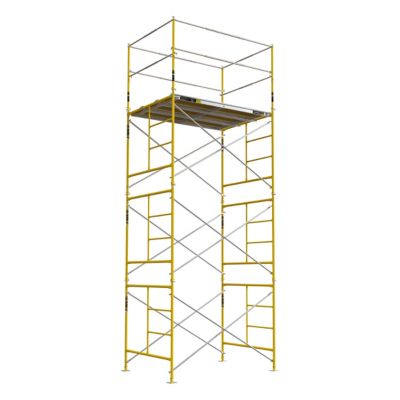
Material and duty rating tell another important part of the story. Aluminum construction ladders are generally lighter than comparable fiberglass models, which can make carrying, loading, and repositioning easier across a busy jobsite. Aluminum conducts electricity, however, so it is not suitable where the ladder or worker could contact an electrical source. Fiberglass side rails are nonconductive when clean and dry, making fiberglass ladders a common choice for electrical work when the model meets the task's requirements. That does not make a fiberglass ladder protection against every electrical hazard: metal components still conduct, surface contamination can create a conductive path, and safe clearance from energized equipment and overhead lines remains essential. Fiberglass also tends to weigh more than aluminum in comparable sizes, something worth considering when a ladder needs to travel through several doorways or move from the truck to the far end of a building. Duty ratings describe the maximum total load a ladder can support, including the person, clothing, tools, and materials carried onto it. Type I ladders have a 250-pound rating, Type IA ladders have a 300-pound rating, and Type IAA ladders have a 375-pound rating. Those figures are load limits, not estimates of the worker's body weight alone. A tool belt, work boots, drill, and box of hardware all count toward the total. Duty rating also does not change the ladder's approved setup or highest standing level. For construction work, the ladder's labeling, condition, and intended application belong alongside applicable OSHA requirements and employer safety rules in the selection process; a heavy-duty description alone does not establish compliance. Details such as step width, rung shape, foot design, and locking mechanisms affect how a ladder fits everyday work. Broad steps can feel different underfoot than narrow rungs, while securely engaged spreaders and section locks help maintain the intended configuration. Built-in tool trays or approved holders can keep small supplies close at hand, but their load limits and placement still matter. Larger materials and tasks involving substantial sideways force may call for scaffolding or a lift rather than a ladder.
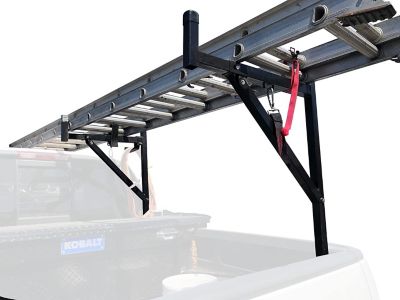
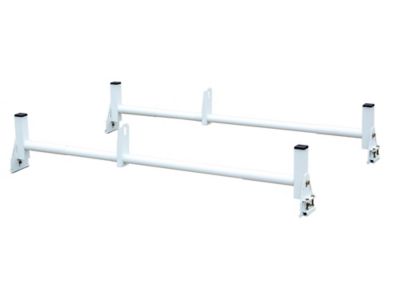
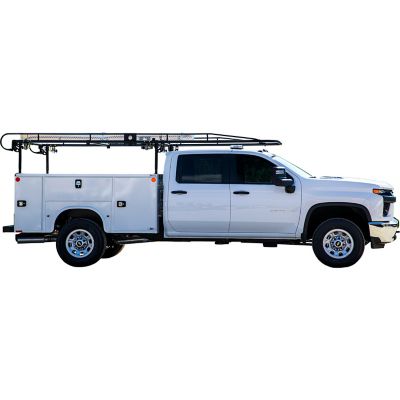
A construction ladder earns its place through repeated trips between storage, the truck, and the work area, so upkeep and transport deserve as much attention as height and capacity. Replaceable feet, accessible hardware, and clearly marked locking points can make routine checks more straightforward, though replacement parts must match the manufacturer's specifications. Before climbing, look for cracked rails, bent rungs, loose connections, missing feet, damaged ropes, and locks that do not engage fully. A damaged ladder belongs out of service, not back against the shop wall for the next person to grab. Keeping steps and rungs free of oil, mud, and loose buildup helps preserve footing, while cleaning according to the manufacturer's directions protects the ladder's materials and labels. Fiberglass rails need attention for cracks, exposed fibers, and surface wear; aluminum rails need checks for bends, splits, and damaged joints. Storage on suitable supports helps prevent sagging and keeps ladders out of traffic where vehicles or equipment could strike them. For transportation,
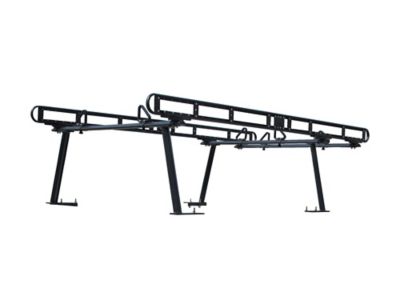
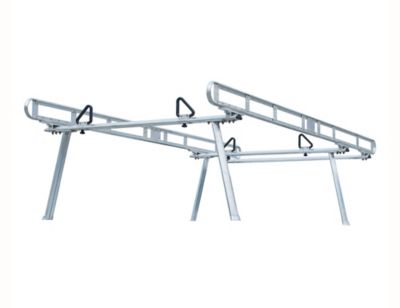
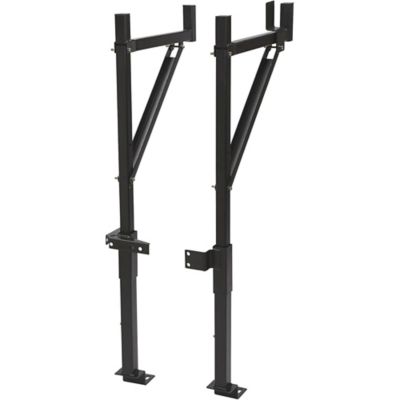
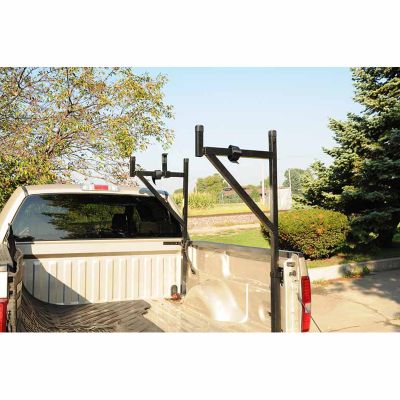
Black Ladder Racks are worth considering alongside vehicle fit, rack capacity, ladder dimensions, and proper tie-down points. Securement should prevent sliding, bouncing, and shifting without damaging the rails. Once at the work area, even a well-kept ladder needs firm, level support and a clear base. Stepladders belong fully open with their spreaders locked, rather than folded and leaned against a wall unless expressly designed for that configuration. Straight and extension ladders generally require a setup angle of about 4 feet of working length for every 1 foot of distance between the base and support. Blocks, buckets, and loose scraps are no substitute for suitable footing or approved leveling equipment. Keeping the body between the rails and maintaining three points of contact while climbing helps reduce unnecessary movement. Whether the work involves a home repair, a farm building, or a construction site, the best fit brings together suitable reach, enough rated capacity, manageable weight, and a configuration made for the task.