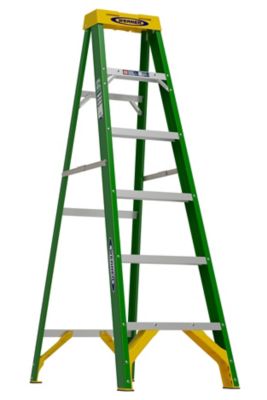
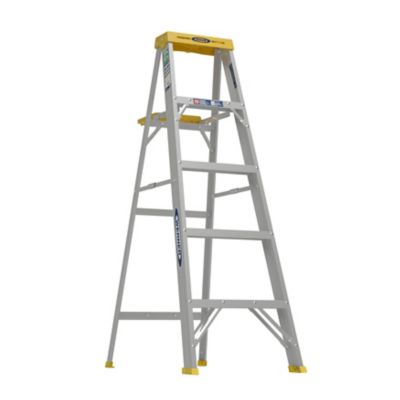
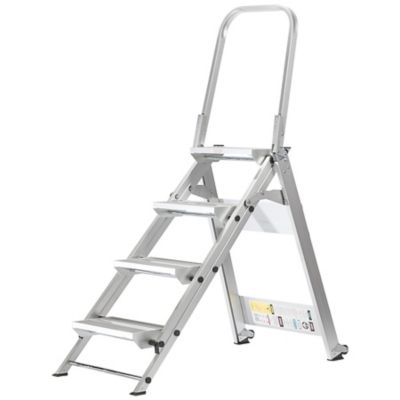
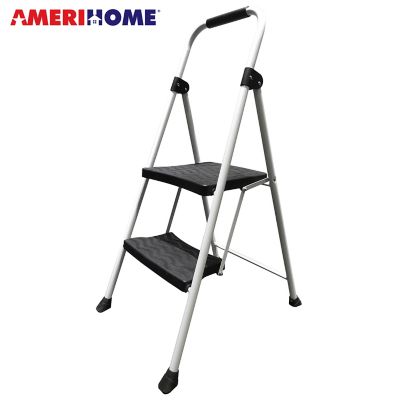
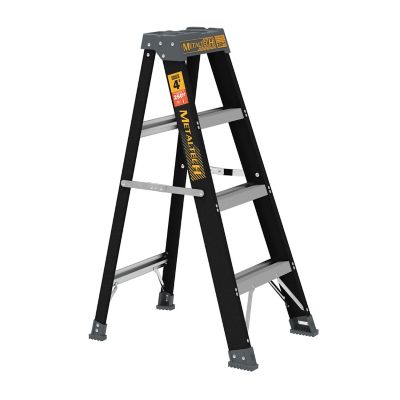
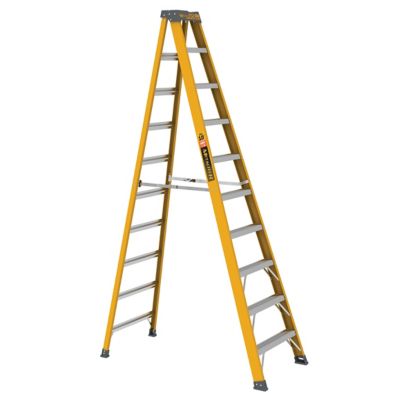
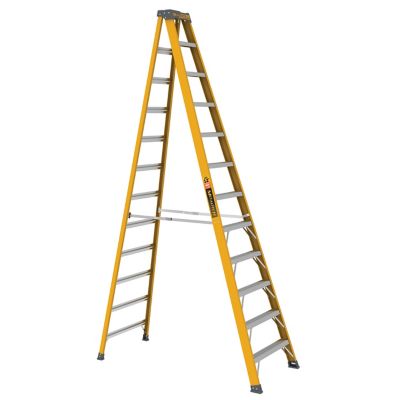
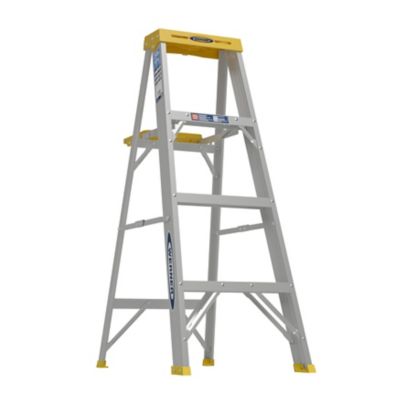
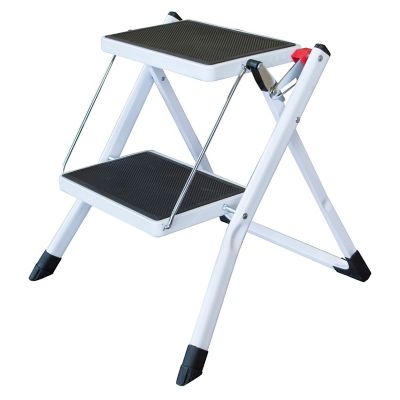
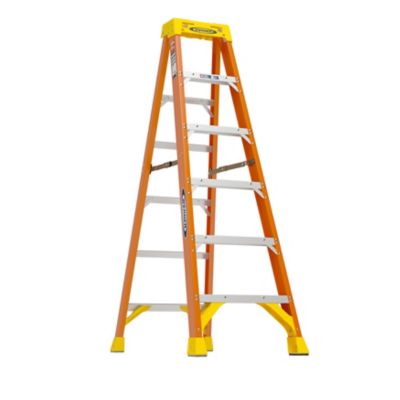
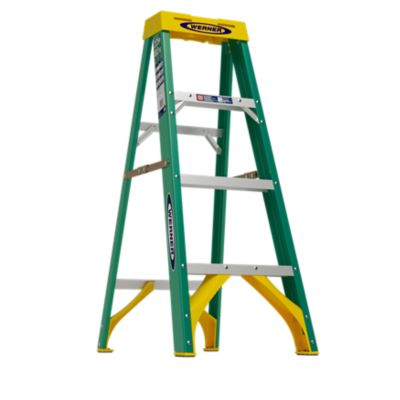
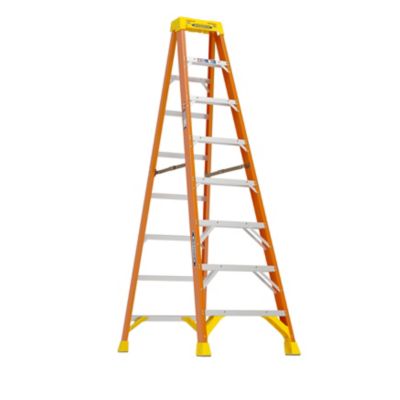
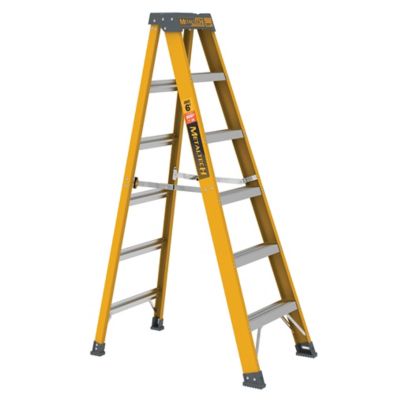
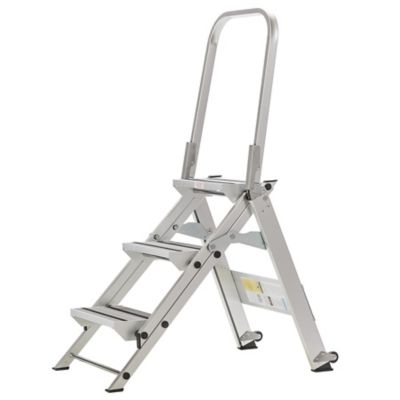
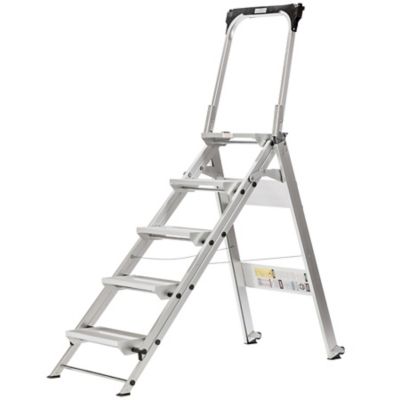
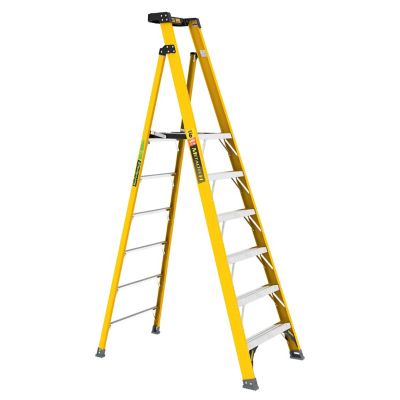
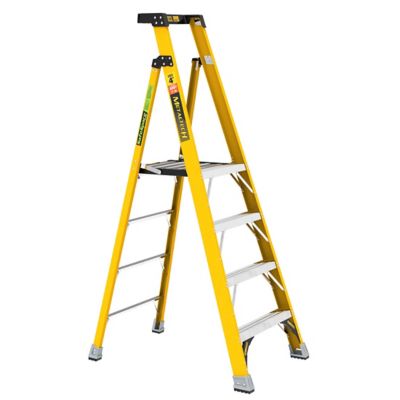
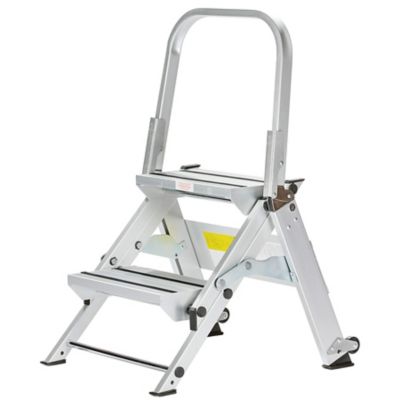
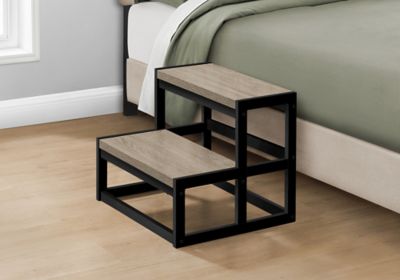
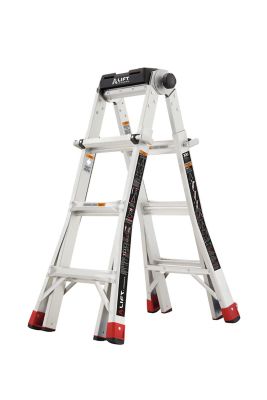
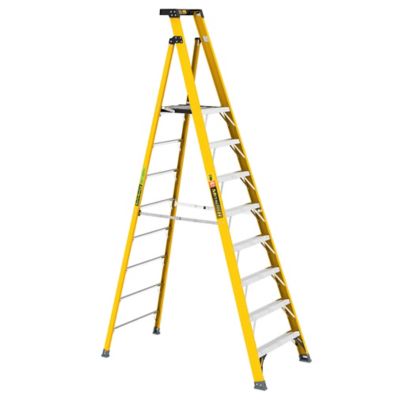
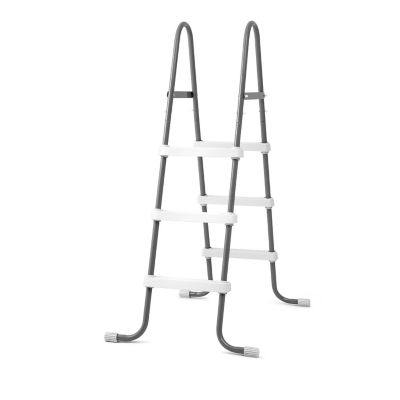
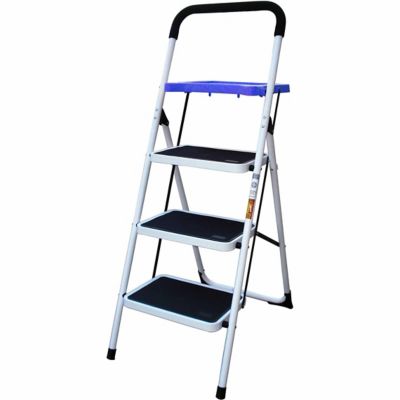
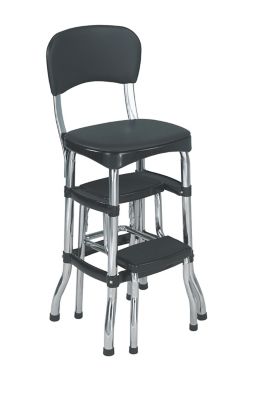
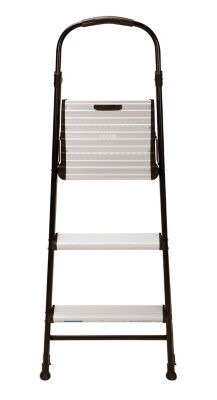
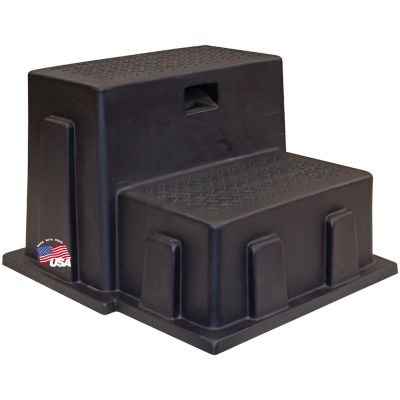
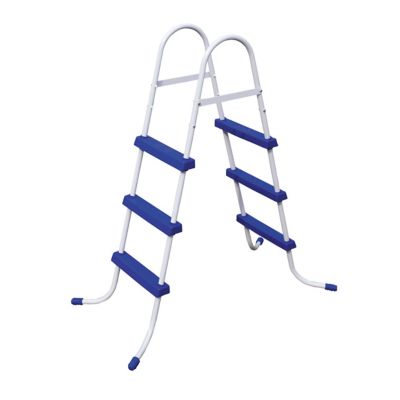
Ladder steps make it easier to handle the everyday jobs that are just out of reach, from changing a light bulb in a tall entryway to brushing cobwebs from a porch ceiling or reaching the upper shelves in a feed room. A step ladder is self-supporting, with flat, horizontal steps and a spread-out A-frame that does not lean against a wall. Short folding step stools usually have fewer than three steps and work well for low indoor tasks, such as reaching a cabinet, getting into a high pantry, or helping children and shorter adults safely reach a sink when the stool is designed for that use. Standard step ladders come in a range of heights for household chores, shop work, farm maintenance, and light construction tasks, while platform ladders offer a larger standing area that can feel more comfortable when a job takes extra time. When choosing ladder steps, start with the height you need to reach rather than simply choosing the tallest option available. Consider where your feet will stand, how far your hands must reach, and whether the work can be completed without stretching or leaning to either side. The ladder’s duty rating matters, too. It should support your body weight along with clothing, tools, supplies, and anything else you carry up. A ladder rated for a greater load can be a practical choice for work clothes, winter layers, or a small tool pouch. Look for sturdy construction, slip-resistant steps, a stable base, and hinges or spreaders that open smoothly and lock securely. A wider top platform may be useful for painting, organizing storage, or trimming back light growth, while a compact folding design can tuck neatly beside a washer, in a mudroom, or along the wall of a garden shed. For jobs around barns, garages, sheds, and other open-air spaces, browse
Outdoor Ladders to find options suited to the work area and reach you have in mind.
Before each use, give ladder steps a quick inspection. Check that the steps are clean and dry, the feet or shoes are intact, the rails are straight, and there are no loose fasteners, cracks, bent parts, or damaged hinges. Set the ladder on a firm, flat, level surface where all four feet sit solidly on the ground. Gravel, soft soil, wet grass, uneven boards, and stacked boxes can shift under weight, so move the ladder or prepare a proper work surface instead of trying to level it with scrap wood or other makeshift supports. Fully open the ladder and make sure the spreaders, hinges, or locking braces are engaged before climbing. Keep the area below and around the ladder clear of pets, children, tools, cords, and passing equipment. On a busy farm or in a crowded workshop, a second person can help keep an eye on the area, but that does not replace proper setup or turn a single-person ladder into a two-person ladder. Climb facing the steps, keep three points of contact whenever possible—two feet and one hand, or two hands and one foot—and keep your belt buckle between the side rails. Carry small items in a tool belt or raise them after you are safely positioned rather than climbing with both hands full. Avoid reaching, twisting, bouncing, or stepping from a ladder onto another surface. Climb down and reposition the ladder when the work moves beyond a comfortable reach. Never stand on the top cap, and do not stand on the top step unless the manufacturer specifically identifies it as a safe standing surface; for many step ladders, the highest safe standing level is the second step from the top. Follow the warning labels and instructions that come with the ladder, since safe standing levels and use requirements can vary by design. Keep metal ladder steps away from electrical lines and equipment, and use extra care during the cooler months when muddy boots, damp surfaces, or bulky clothing can affect footing and balance.
Ladder steps can be a thoughtful, practical gift for someone settling into a new home, stocking a workshop, tending a garden, or keeping up with an older farmhouse. A compact step stool can help a grandparent reach a high shelf without climbing on a chair, while a sturdy step ladder can give a new homeowner a safer way to handle curtains, smoke alarms, storage bins, and routine maintenance. They are handy for gardeners who need to reach hanging baskets or prune low branches, for hobbyists working at a bench, and for caretakers organizing feed, bedding, or seasonal supplies. During the cooler months, a dependable set of ladder steps can help with indoor projects such as putting away summer gear, checking attic storage, replacing filters, or bringing down decorations from a high closet. As the weather warms, the same ladder may move to the porch, garage, greenhouse, or shed for cleaning and repairs. Choose a size that fits the user’s strength, storage space, and typical tasks, and think about the ground where it will be used most often. A lightweight option is easier to carry from room to room, while a heavier, wider design may feel more planted for shop or outdoor work. Even a gift as practical as ladder steps shows good sense when it supports safer access to the places people use every day. Store the ladder closed and upright or secured where it cannot fall, and keep it protected from unnecessary moisture, extreme heat, and damage from vehicles or equipment. With the right height, weight capacity, footing, and safety features, ladder steps can become one of those dependable tools that earns its place in the house, barn, garage, and garden year after year.