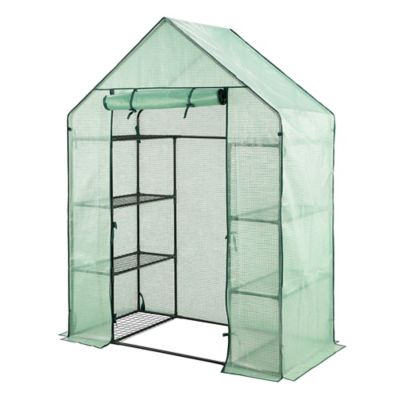
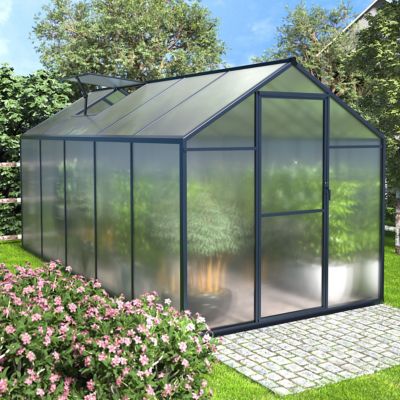
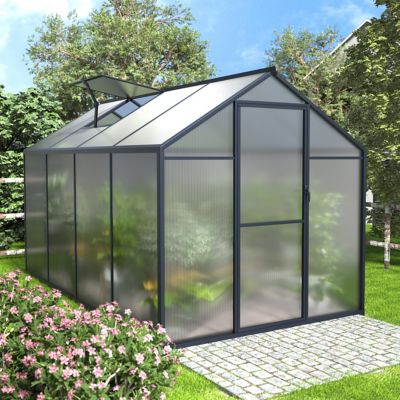
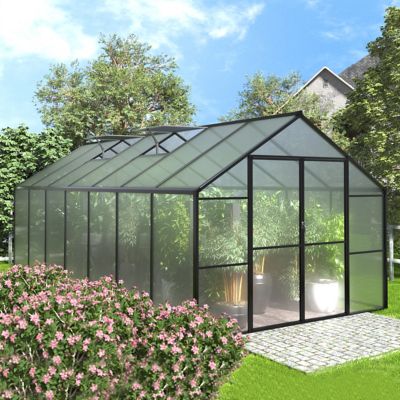
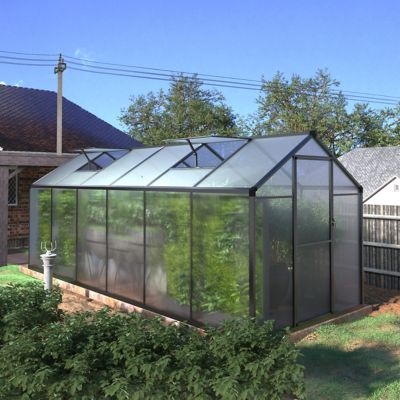
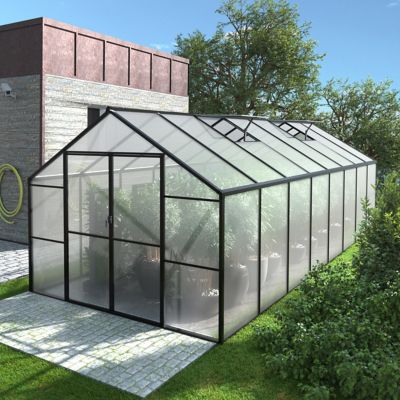
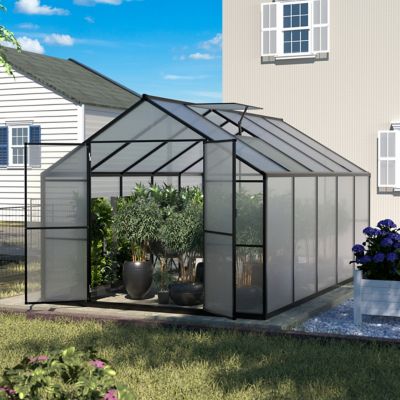
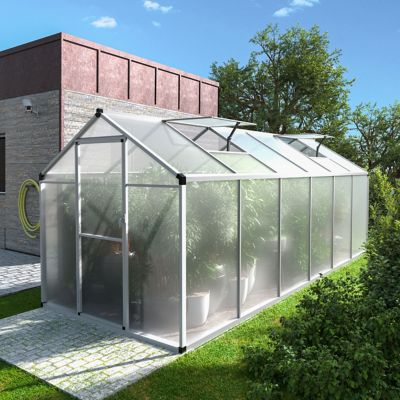
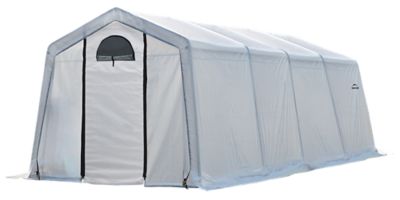
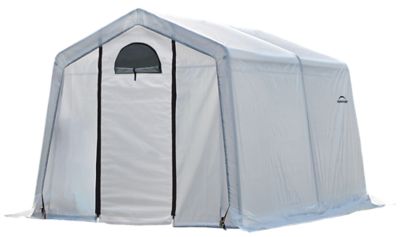
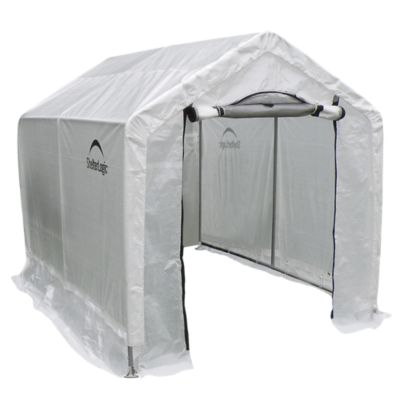
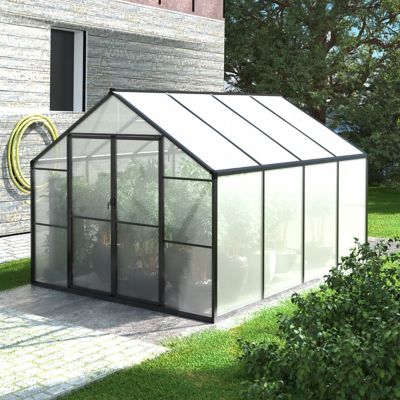
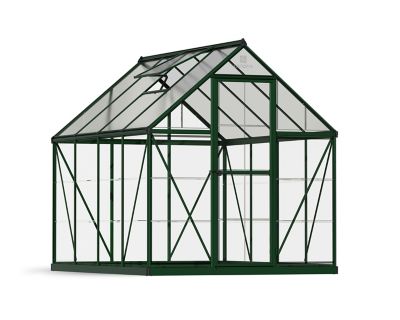
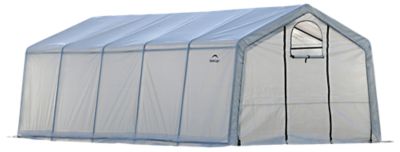
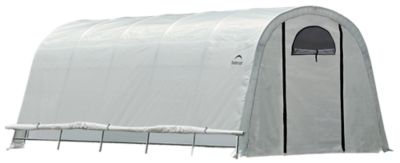
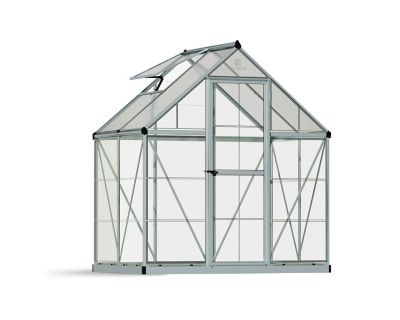
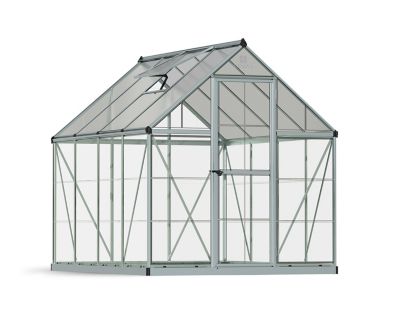
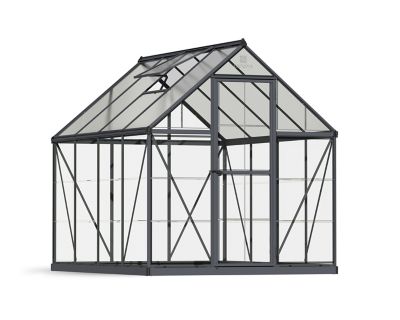
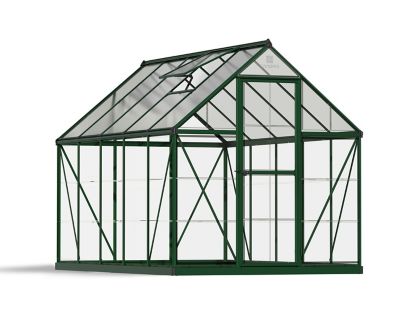
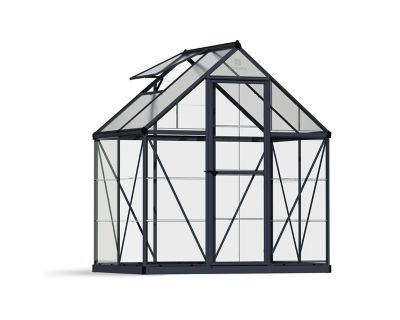
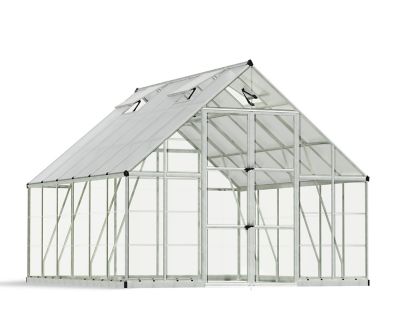
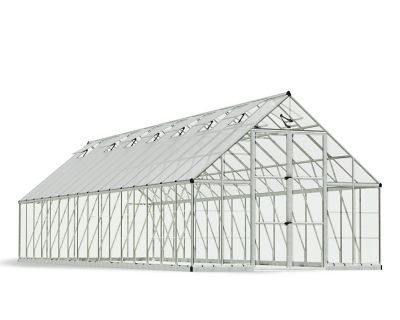
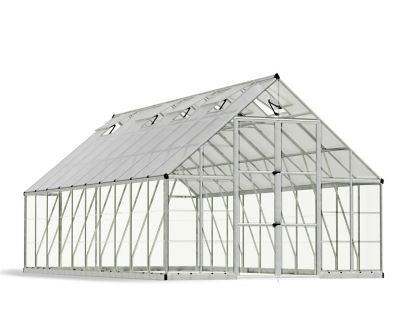
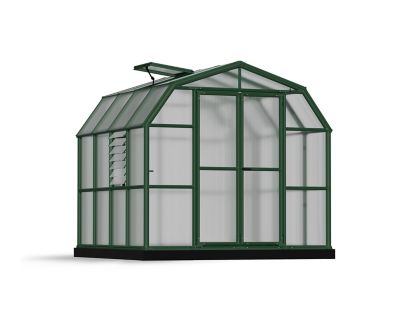
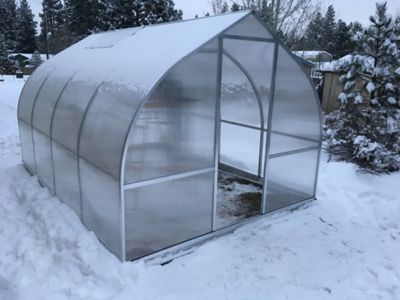
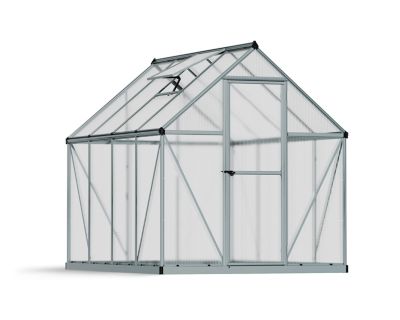
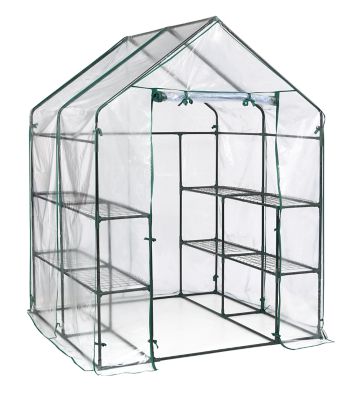
Outdoor greenhouses provide a sheltered growing space for seedlings, vegetables, herbs and flowers, helping extend the growing season and protect tender plants from wind, heavy rain and some cold exposure. They range from compact shelf-style enclosures that fit beside a garden shed to walk-in structures with room for benches, containers and a clear center aisle. The right fit depends on what needs growing space, how much room the yard allows and how permanent the setup needs to be. A small enclosure can hold trays of starts before they head to the vegetable patch, while a larger greenhouse gives sprawling plants and regular potting chores more elbow room. Footprint tells only part of the story: roof height, door width and interior clearance matter when carrying a watering can, moving a full tray or tending plants along the back wall. Tall crops need headroom above their containers, and shelving should leave enough space for leaves to grow without pressing against the cover. A level site with good drainage helps keep the structure stable and the floor from turning muddy after watering. Access to water and a convenient path from the house or garden make everyday care less of a chore, especially with a tray in each hand. Sun exposure matters, too, but the brightest spot is not automatically the best fit for every crop; nearby trees, buildings and plant needs all influence placement. Leave room around the outside for assembly, cleaning and routine checks, rather than squeezing the frame tight against a fence. For a greenhouse meant to stay in place, local building requirements, setbacks and any foundation needs belong in the planning. Comparing exterior measurements with actual growing space helps keep expectations grounded, since a generous footprint can fill quickly once benches, pots and walking room come into play. A greenhouse should suit the way the garden works, whether that means a few kitchen herbs or enough seedlings to fill several long rows.
Frame materials and coverings affect weight, light transmission, heat retention and ongoing upkeep. Aluminum greenhouse frames are relatively light and resist rust, making them a practical choice where easy handling matters. Galvanized steel frames offer strength, though scratches, exposed fasteners and damaged coatings deserve attention because corrosion can begin where protection wears away. Wood frames bring a natural look to the garden and can support a substantial structure when properly designed. Cedar has natural resistance to decay, but wood still needs suitable drainage, sound connections and care that follows the manufacturer’s directions. The covering, often called glazing, plays a different role from the frame. Multiwall polycarbonate panels have air spaces that slow heat loss compared with a single layer of the same material, and some panel designs scatter sunlight for more even light across plants. Glass offers clear views and substantial weight, but it can break and calls for a frame and foundation designed to support it. Flexible polyethylene covers keep the enclosure lighter and may suit a temporary setup, although sunlight, rubbing and repeated handling can shorten their service life. UV protection, panel thickness, attachment methods and replacement-cover compatibility are worth comparing alongside overall size. No material alone determines how well a greenhouse handles rough conditions; the frame design, connections, base and anchoring all work together. Wind and snow ratings should match the installation site, and a sheltered corner does not take the place of proper anchors. Stakes, ground anchors and foundation fasteners serve different purposes, so the attachment method needs to match both the structure and the ground beneath it. Routine care generally includes gentle cleaning with compatible products, keeping tracks and vents clear, and checking loose hardware or worn cover attachments. Abrasive scrubbers and harsh cleaners can damage some surfaces, so material-specific care directions matter. A little attention to door operation, panel seals and drainage helps keep small problems from interfering with a full bench of plants.
Inside an outdoor greenhouse, ventilation and usable workspace matter just as much as the shell. Sunshine can raise the temperature quickly, even when the air outside feels chilly, so doors, roof vents and side openings help release trapped heat. Automatic vent openers can respond to temperature without electricity on some designs, while powered fans require a suitable electrical supply and equipment rated for the setting. Air circulation helps reduce stagnant, damp pockets around crowded foliage, but it does not replace fresh-air ventilation. Shade cloth can reduce intense sunlight for crops that need it; the right amount depends on the plants and local conditions. An unheated greenhouse is not frost-proof, and tender plants may need supplemental heat or another sheltered location when temperatures drop. Heating adds considerations such as energy demand, safe clearances and equipment suitable for damp spaces. Watering also changes under cover because rain cannot reach the containers, and smaller pots may dry faster than deep beds. Easy-to-reach benches, trays that manage runoff and a floor surface that drains well can make daily tending more comfortable. Gravel, pavers and other floor arrangements each have tradeoffs for footing, drainage and moving wheeled equipment. Keeping an open aisle helps when hauling soil or checking the far corner without brushing against leaves. Gardeners raising transplants may favor plenty of shelf space, while folks growing taller vegetables may need open floor space, overhead clearance and an appropriate support arrangement. A greenhouse can also make a thoughtful gift for a gardener with room for one, provided the size, assembly needs and site requirements are settled beforehand. For a closer look at ways to arrange growing space around everyday chores, explore
home greenhouse layouts. Matching the structure to the plants, the property and the amount of hands-on care it will receive makes the space more useful, whether the goal is sturdier garden starts, fresh herbs near the kitchen or a sheltered place to keep the potting bench busy.