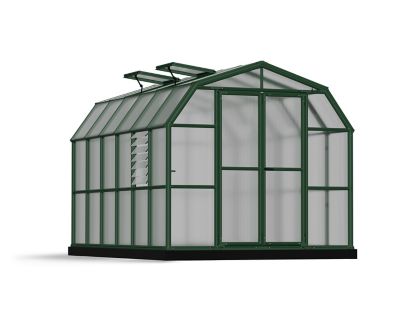
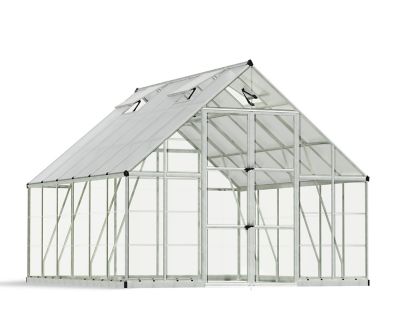
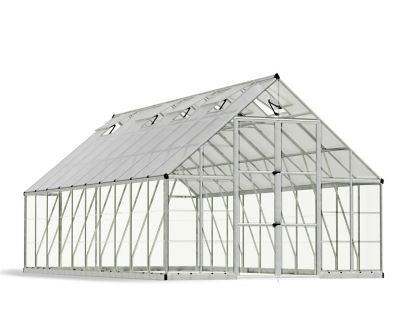
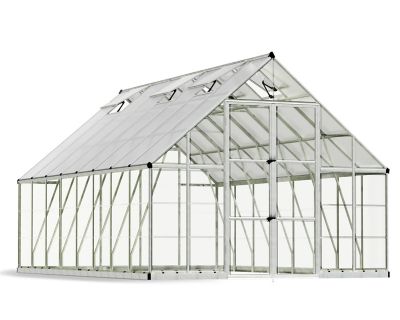
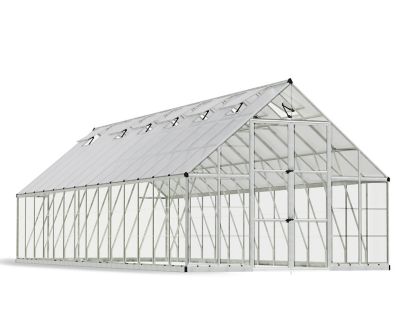
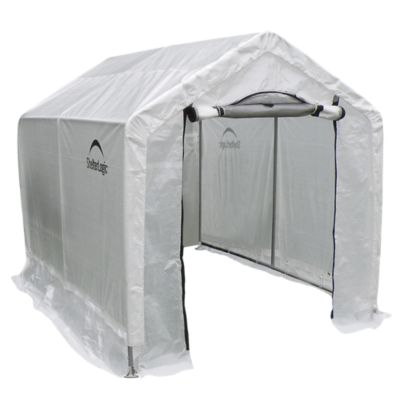
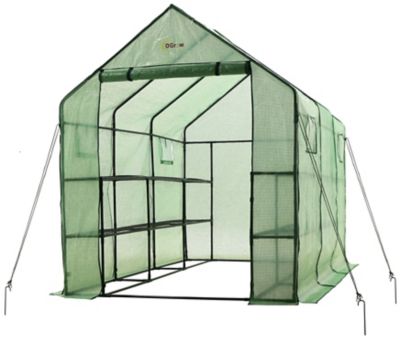
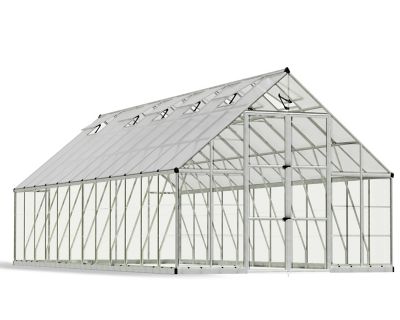
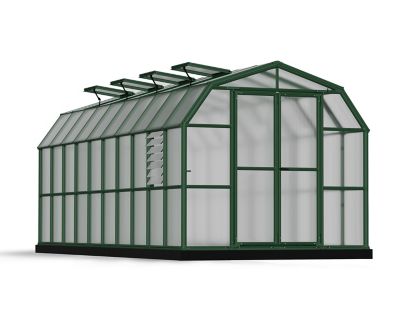
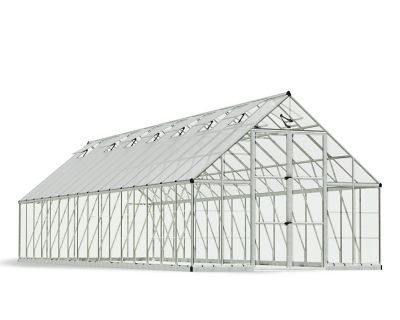
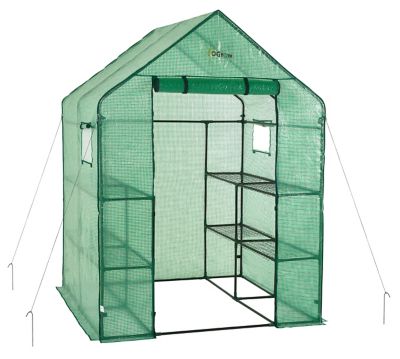
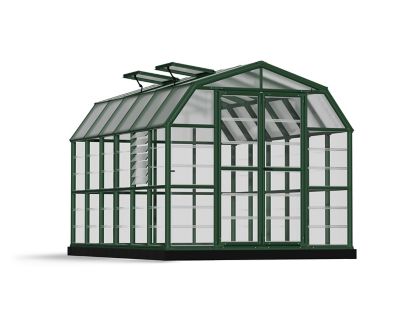
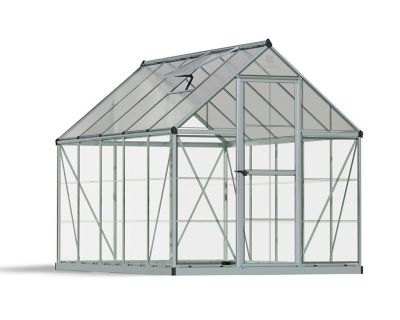
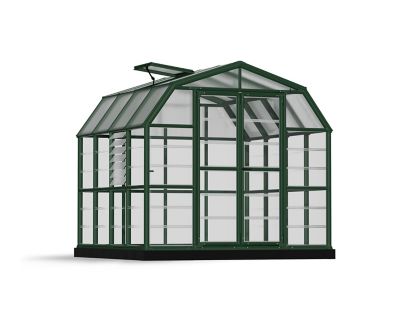
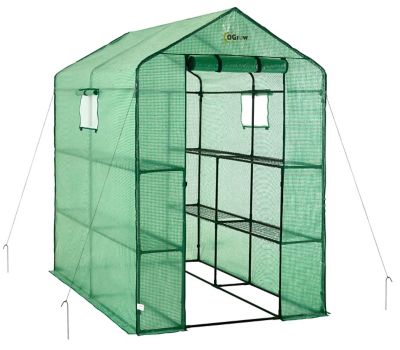
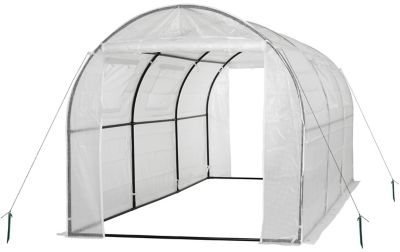
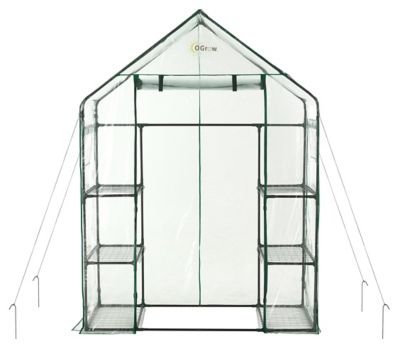
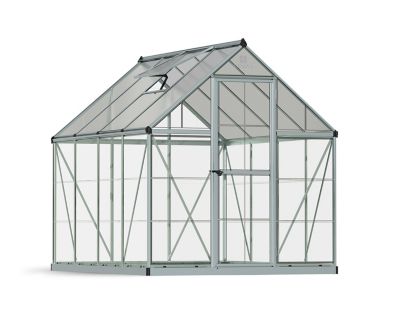
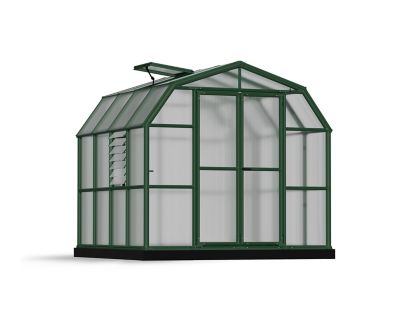
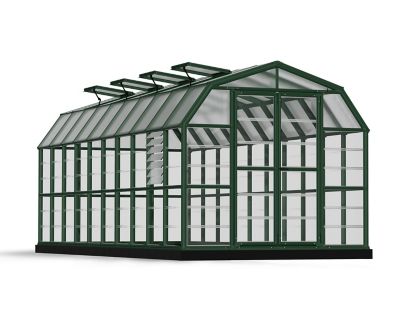
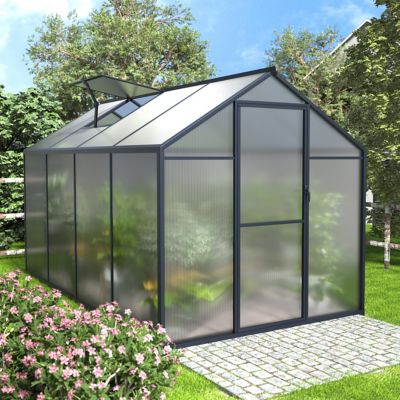
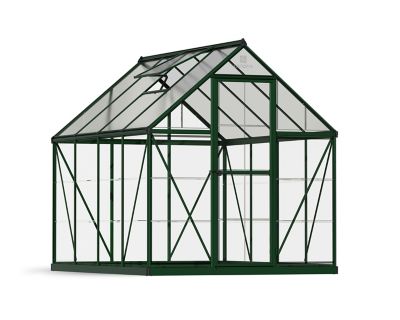
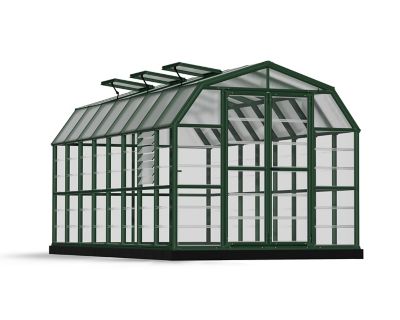
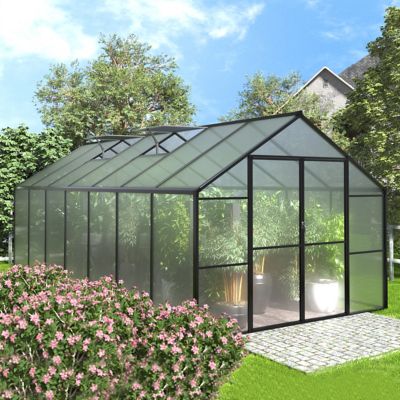
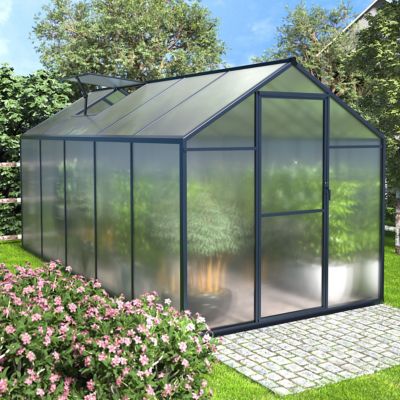
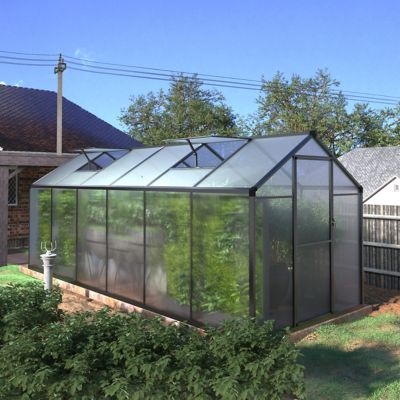
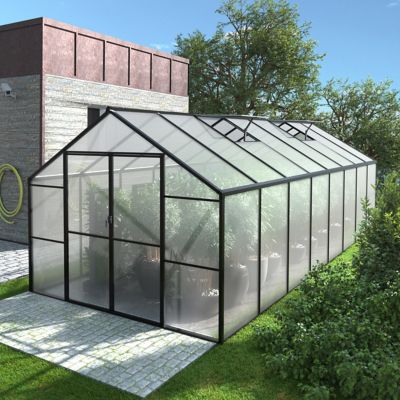
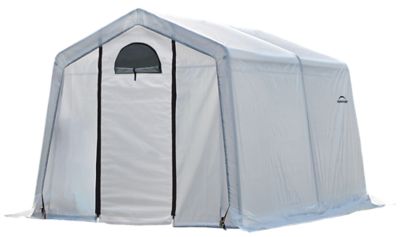
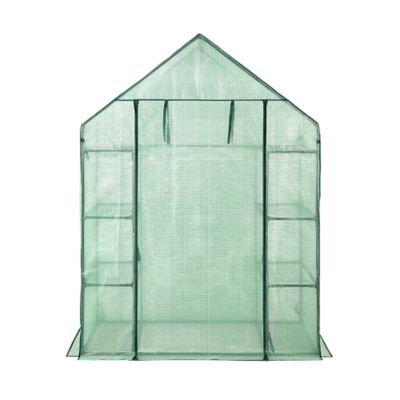
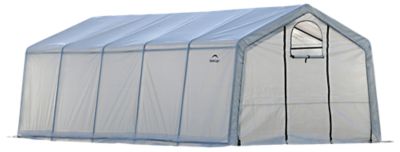
A home greenhouse can be as small as a tabletop cover for a few seed trays or as roomy as a walk-in structure with benches on both sides. Between those sizes are tall, narrow greenhouses that fit on a patio, low shelters that sit over a garden bed and lean-to layouts that make the most of a spot next to a shed or garage. What fits best comes down to what’s growing and how much room it’ll need before it goes out in the garden. A shallow cover may be plenty for getting lettuce and flower seeds going, while tomato starts can outgrow that same space long before they’re ready to transplant. An upright greenhouse gives plants more headroom without taking up much more floor space, though closely spaced shelves may shade the plants beneath them. A walk-in layout makes more sense for gardeners raising several flats at a time or keeping tall plants under cover. It leaves space to set down a tray, turn with a watering can or tend plants at bench height instead of reaching in from outside. For a porch, side yard or narrow strip beside an outbuilding,
Greenhouses for Small Spaces is a good place to look for smaller layouts. The listed footprint tells only part of the story: A hinged door needs room to swing, a low cover needs clearance to lift and a narrow aisle can feel even tighter once plants spread past the edge of a bench. It helps to picture the trip from the water source to the farthest plants, especially if that means carrying a full can through a gate or around the house. A spot that looks sunny from the kitchen window may also spend much of the day in the shadow of a fence or roof, so the light at plant height matters just as much as the space on the ground.
The covering and frame make a difference in how a home greenhouse handles everyday work. Clear glass lets in plenty of light and makes it easy to see what’s growing from outside, but it’s heavy and calls for a frame and base that can bear the load. Rigid polycarbonate panels are lighter, and twin-wall panels slow heat loss compared with a single thin layer. Some panels scatter incoming light, which can soften the bright patch that falls on the same bench each day. Flexible greenhouse film keeps the structure light, which is handy if a small setup needs to move, but it can wear where it rubs against the frame or become brittle after long exposure to sunlight. The frame has its own trade-offs. Aluminum resists rust and adds less weight, while a steel frame can give a larger structure more heft. On a wood frame, the spots where water collects or the wood meets damp ground deserve particular attention. For an exposed garden site, the way the frame fastens to its base and the way the panels are held in place matter more than how sturdy the greenhouse looks from the driveway. A covered structure catches wind even when it isn’t very tall, and a level base helps doors and vent openings line up the way they should. Ventilation matters at every size. A closed tabletop shelter can heat up quickly in direct sun, and a packed walk-in greenhouse can hold damp air around the leaves even if there’s plenty of room down the center. A vent that’s easy to reach or a cover that opens wide makes it simpler to let heat and moisture out without having to move a tray just to get to the latch. A greenhouse offers shelter from wind and can help stretch the growing season, but an unheated setup won’t necessarily stay above freezing through a hard frost.
The greenhouses that earn their spot in the yard tend to be the ones that fit the way someone already gardens. A gardener who starts a few herbs and flowers may get more from a small setup near the back door than from a big structure at the far end of the lot. Someone who plants a large vegetable patch or shares starts with neighbors may appreciate enough bench space to keep newly sown trays separate from seedlings ready for the garden. Room to spread out also makes it easier to check leaves, turn pots and water the back row without brushing against everything in front. For a gift, a compact greenhouse makes sense for someone who’s already running out of room for starts on a sunny windowsill and has a spot for a covered growing space. A larger greenhouse is usually worth picking out with the person who’ll be tending it, since the choice affects where it will sit, what fits inside and how much upkeep it’ll take. That upkeep is mostly ordinary garden work, but easy access makes a difference. Potting mix and dead leaves are simpler to clear away when there’s room to reach beneath a bench. Dirt on the covering cuts down on incoming light, and a soft cloth with a cleaner suited to the surface helps avoid scratching it. Clearing the gaps around doors and vents keeps them moving freely, and an occasional look at panel edges and fasteners can catch a loose spot before it becomes a bigger chore. Inside, puddles beneath trays and condensation that hangs around are clues that the space may need better drainage or more airflow. Whether the job is keeping a few starts off the porch floor or making room for rows of young plants, the best fit leaves enough space for the plants to grow and for the gardener to get in there and tend them.