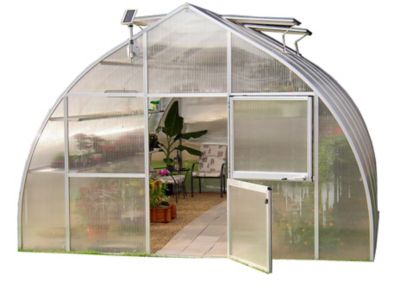
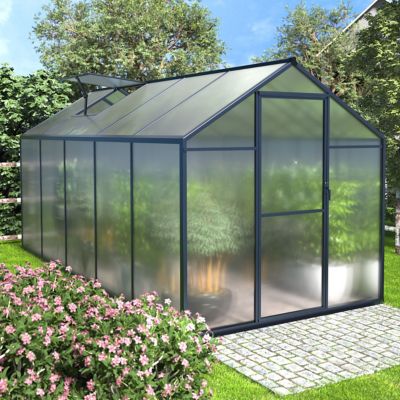
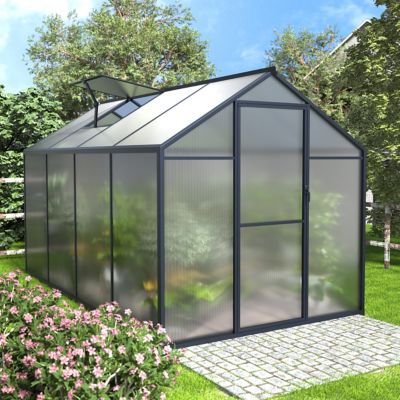
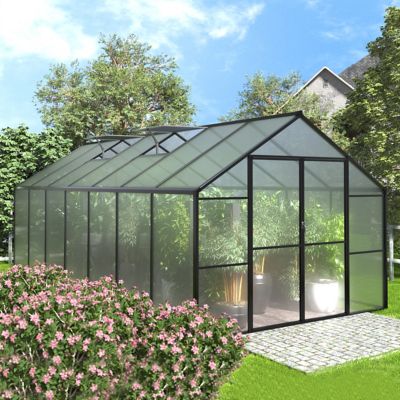
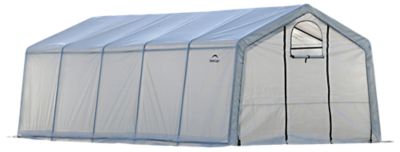
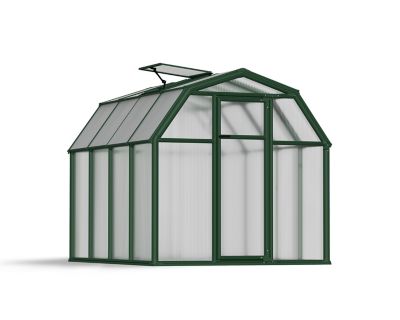
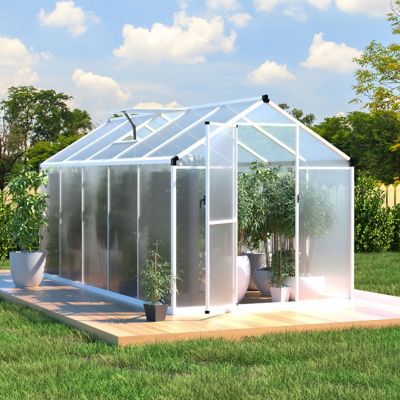
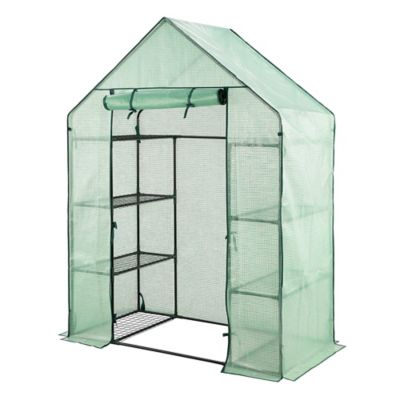
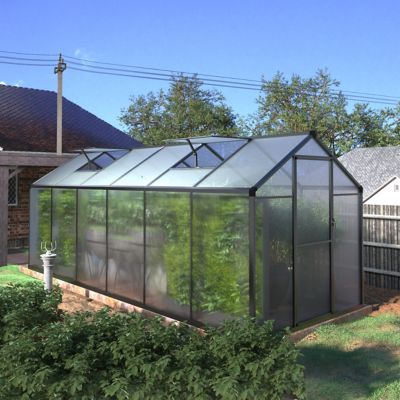
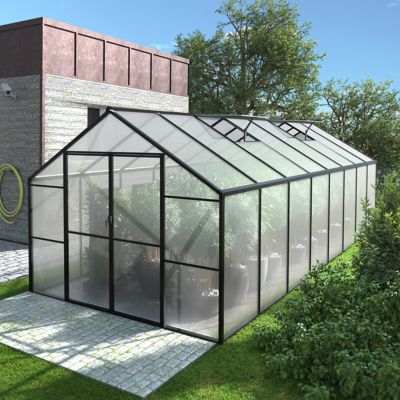
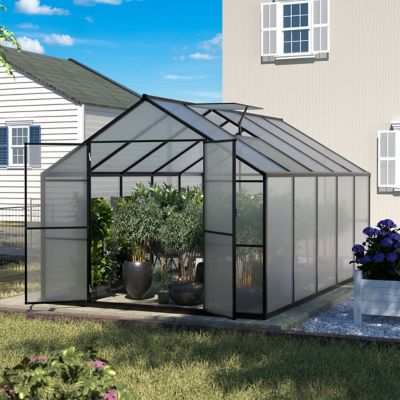
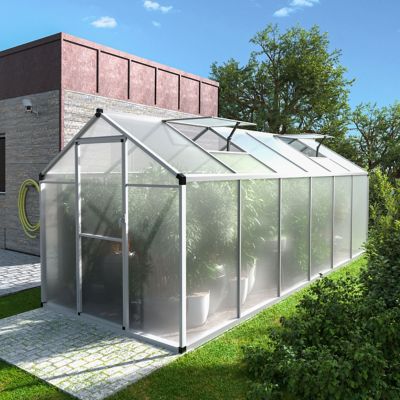
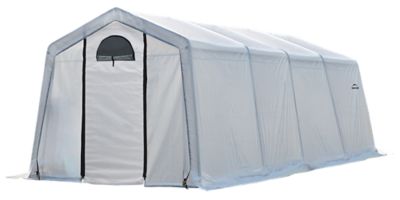
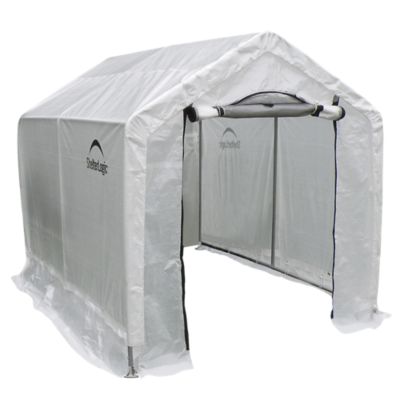
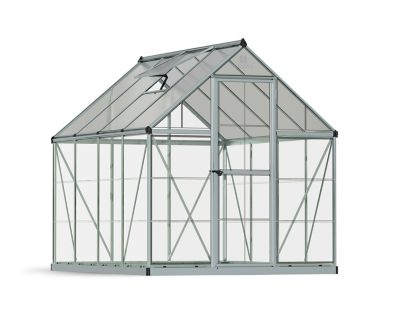
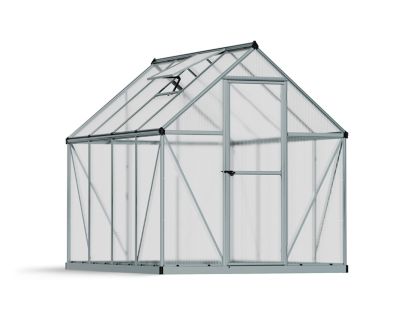
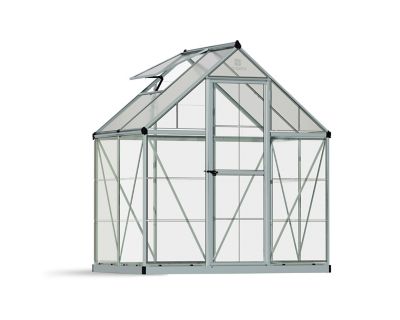
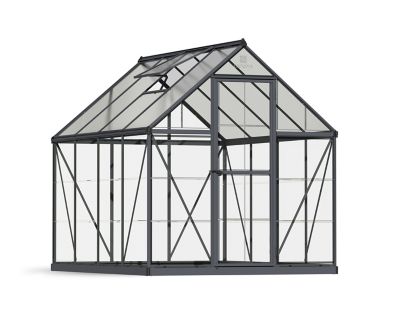
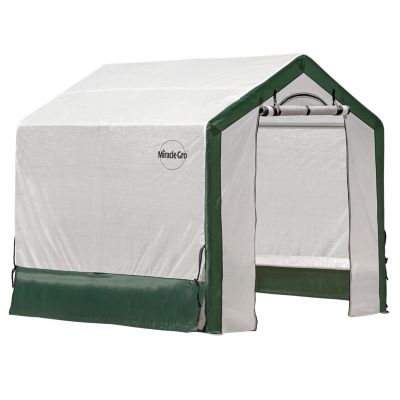
When it comes to getting a jump on the growing season or stretching your harvest well into the chilly days of fall, nothing beats the versatility and protection of a greenhouse for vegetable garden use. Folks all across the countryside know the value of being able to control the environment for their crops—especially when spring weather in March can swing from sun to frost overnight. Whether you’re a seasoned homesteader looking to boost your tomato yield or a backyard gardener eager to try your hand at peppers and cucumbers, a greenhouse lets you take charge of the temperature, humidity, and airflow, giving your plants the best possible start and keeping them safe from surprise cold snaps, heavy rains, or those persistent garden pests. Even if you’re working with a smaller patch of land, there’s a greenhouse size and style to fit just about any space, from compact walk-in models perfect for patios to sprawling structures that can handle row after row of veggies. Many folks use their greenhouse to start seeds early—getting a head start on the season by nurturing tender seedlings on benches or raised beds before the soil outside is ready. For others, it’s about extending the bounty, growing hardy greens and root crops all the way through the winter months when the rest of the garden is sleeping.
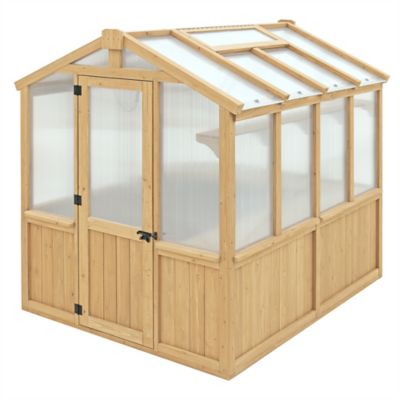
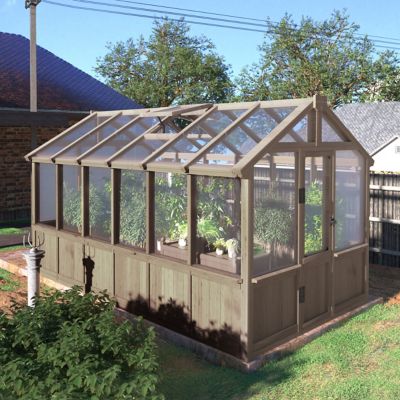
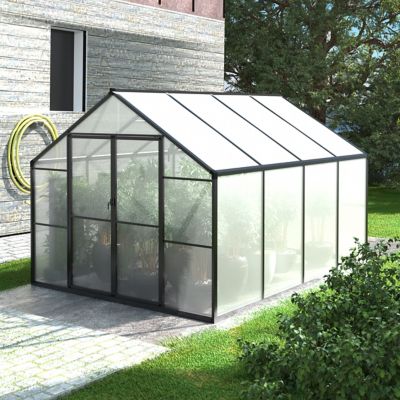
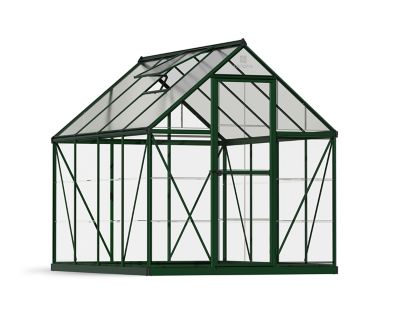
Choosing the right greenhouse for vegetable growing comes down to a few key considerations, and it’s worth taking the time to match your setup to your goals. Material matters—a greenhouse framed with sturdy aluminum or weather-resistant wood like cedar will stand up to years of wind and weather, while glazing options like polycarbonate panels offer excellent insulation and safety, and glass maximizes light for those sun-loving crops. Wherever you plan to set up, pick a level, well-drained spot with plenty of sunlight, ideally oriented east-to-west to soak up every bit of warmth those March days can offer. Don’t overlook the foundation: a solid base of gravel or even concrete will help with stability and heat retention when the nights get cool. Inside, raised beds make for easy soil management and less bending over, while vertical shelving and pots let you maximize every square foot. Spring and summer bring the challenge of ventilation—automatic roof vents or side windows are a lifesaver when the midday sun turns your greenhouse into a sauna. For winter growing, a bit of extra insulation or a few water barrels to store heat can make all the difference for cold-hardy crops like kale, spinach, and broccoli.
Greenhouses aren’t just practical—they make a thoughtful gift for anyone who loves getting their hands in the dirt, from retirees looking to keep busy to young families eager to grow their own food. They’re also a favorite among folks raising backyard chickens or rabbits, since a greenhouse can double as a spot to start fodder or shelter delicate animals during cold snaps. Remember, greenhouse gardening is a bit different from outdoor beds—soil gets worked harder, so regular feeding with organic fertilizer keeps plants healthy and productive. Keep an eye on humidity and airflow to stop disease in its tracks, and always check for hitchhiking pests when bringing in new plants. Watering needs shift with the seasons; what’s needed in the summer heat is a far cry from the occasional drink required during winter. With a little planning, a greenhouse for vegetable garden use can transform the way you grow, letting you experiment with new crops, start seeds earlier, and harvest fresh produce long after your neighbors have packed up their tools for the season. For more tips on picking the right setup for your space and needs, check out our guide to the
Best Greenhouse For Gardening.