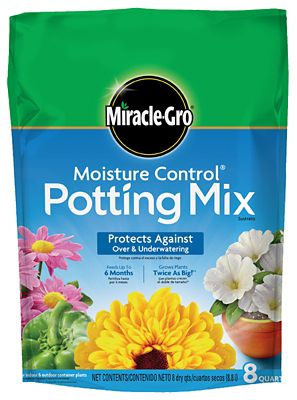
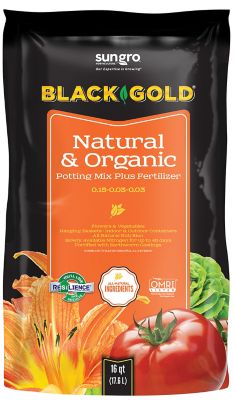
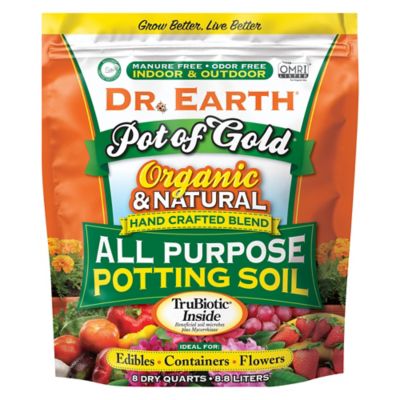
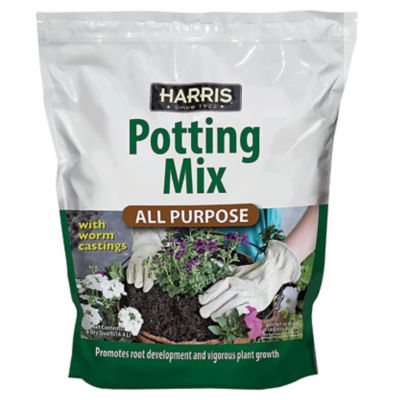
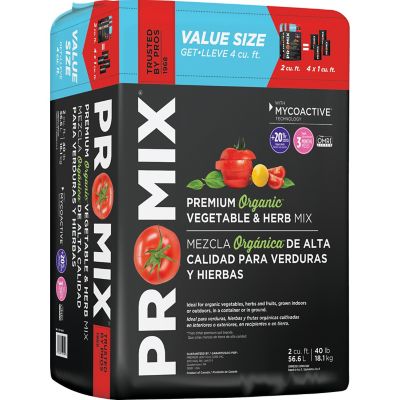
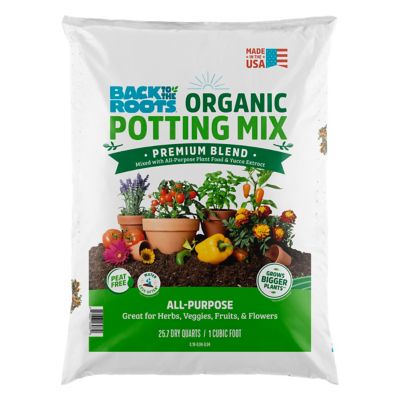
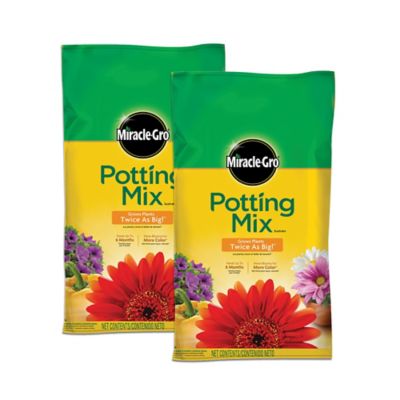
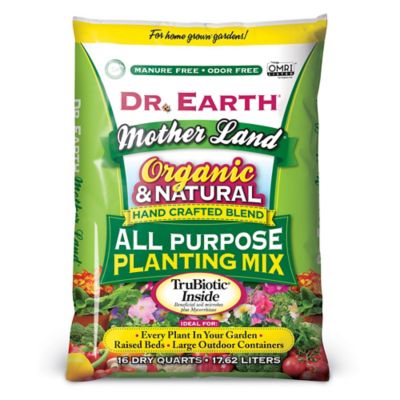
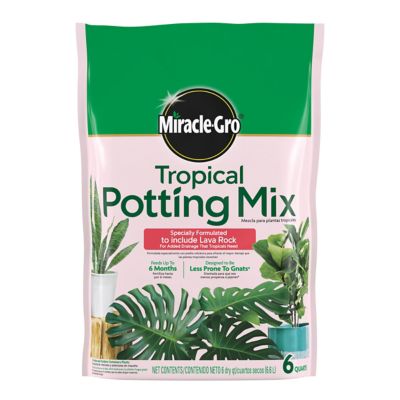
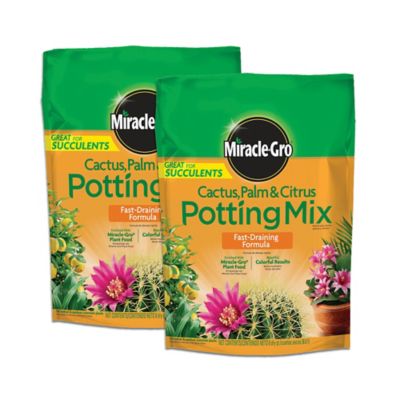
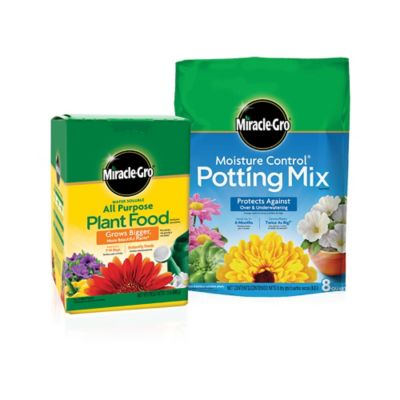
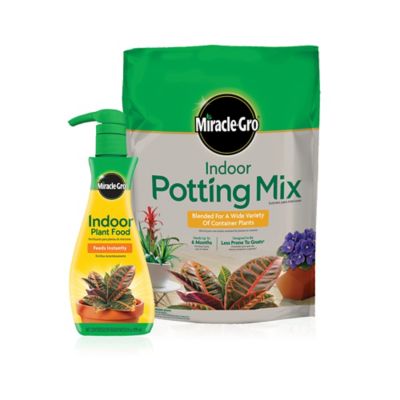
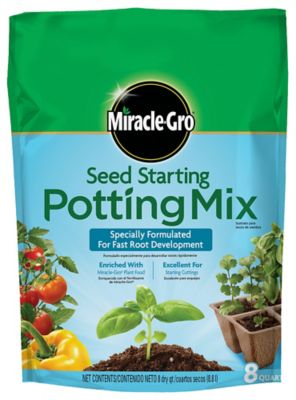
Outdoor container potting mix gives plants a growing space suited to life in a pot, where roots have a limited amount of room, water and nutrients. Whether the setup is a few herb pots beside the back steps, flowering baskets along a porch or a row of vegetables near the house, the mix does more than hold plants upright. It helps balance moisture retention with drainage while leaving small pockets of air around the roots. That balance matters because a container behaves differently from an open garden bed. Ordinary yard soil can pack tightly inside a pot, making it harder for water to move through and roots to spread. Potting mixes generally combine ingredients that keep the growing medium lighter and more open, though the exact blend varies. Sphagnum peat moss and coconut coir help hold moisture, while perlite contributes air space and supports drainage. Composted bark can add structure, and vermiculite helps retain moisture and nutrients. Some blends also contain compost, sand, limestone or fertilizer, each serving a different purpose. Ingredient names tell part of the story, but the intended application on the bag matters just as much. A blend labeled for outdoor containers is meant for a different setting than topsoil or a soil amendment intended for mixing into an existing bed. Texture also makes a difference: fine material holds water differently from a blend with larger bark particles and more open space. Neither appearance nor a dark color alone tells how a mix will perform. The right match depends on the plant, the container and the amount of attention the planting will receive. For anyone tending pots around a farmhouse, patio or small backyard, those details help narrow the choice beyond simply picking up a bag of soil. A well-matched growing medium supports both an attractive planting above the rim and the root growth happening out of sight below it.
Different container plantings call for different growing conditions, so outdoor container potting mix is worth considering alongside the plants it will support. Leafy herbs, fruiting vegetables, flowering annuals and long-term shrubs do not all have the same preferences for moisture, nutrients or acidity. A general-purpose blend may suit a wide range of common container plants, while plants with particular drainage or pH needs may call for a more specialized formulation. A succulent in a shallow bowl, for example, needs a different moisture balance than a leafy vegetable growing in a deep tub. Mixed plantings also work best when the plants sharing a pot have similar needs; even a carefully chosen mix cannot make one root zone both consistently moist and quick to dry. Fertilizer content is another useful point of comparison. Some potting mixes contain a starter charge, some include controlled-release nutrients and others leave feeding decisions to the gardener. An initial fertilizer charge does not mean a planting will have everything it needs indefinitely. The label explains what is included and how that fits with ongoing feeding, helping prevent overlapping applications. Compost can contribute nutrients and organic matter, but its presence alone does not establish a complete feeding program. For edible plantings, the stated applications and any fertilizer directions deserve a close look. Bag size is a separate, practical consideration, especially when several large pots need filling. Potting mix commonly comes measured by volume, such as dry quarts or cubic feet, rather than by the number of containers it will fill. A wide porch planter can take considerably more material than a narrow pot of the same height. Existing root balls take up space, too, while room beneath the rim allows for watering without sending mix over the edge. Comparing container capacity with bag volume makes the amount easier to judge, particularly for a whole row of matching pots.
The container itself is part of the match, which makes
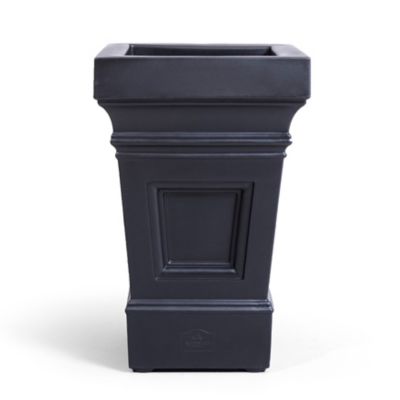
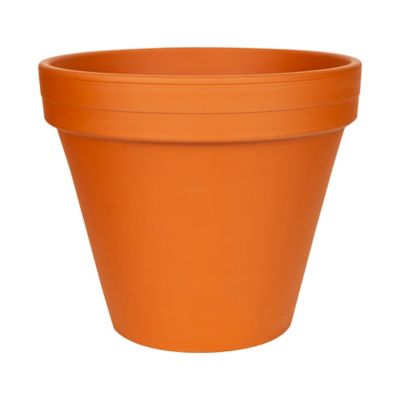
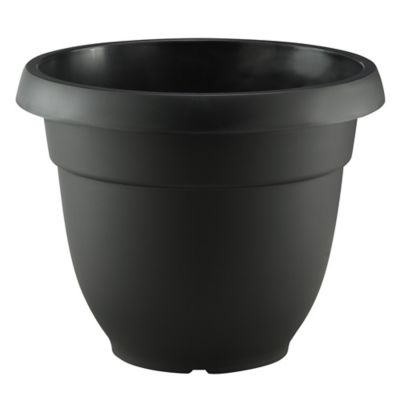
Planters for Container Gardening a useful companion to choosing a growing medium. Drainage openings give excess water somewhere to go; a layer of gravel at the bottom does not replace those openings and reduces the space available for roots and mix. Container material affects moisture loss and handling as well. Unglazed clay allows moisture to escape through its sides, while many plastic and glazed containers hold it longer. A lightweight blend can make a hanging basket or movable porch pot easier to handle, although the weight of the container, wet mix and mature plant still needs to suit its support. For a large planter that stays in one place, adequate root depth and access for watering may matter more than easy lifting. These everyday details influence how a mix performs after planting. Moisture-retaining ingredients can help buffer the time between waterings, but they do not eliminate the need to check below the surface. A dry-looking top layer can sit above a moist root zone, and a small pot can need attention sooner than a much larger one nearby. Water should be able to moisten the growing medium and drain away rather than collect around the roots. Over time, organic ingredients break down, the mix settles and expanding roots take up more of the container. A planting that once drained freely may eventually need fresh growing medium, a larger pot or both. Remaining mix also benefits from sensible storage: a closed bag in a sheltered spot helps keep out debris and limits unwanted moisture. Fertilizer-containing blends belong away from animal feed and out of reach of children and pets, following package directions. From a single kitchen herb pot to a busy porch full of flowers, choosing outdoor container potting mix comes down to giving roots room, moisture and air in a combination that fits the planting.