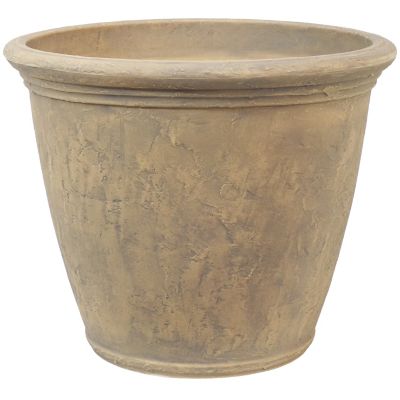
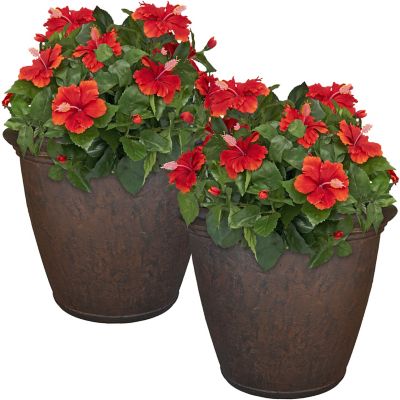
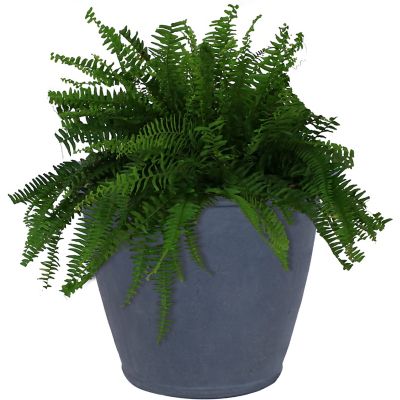
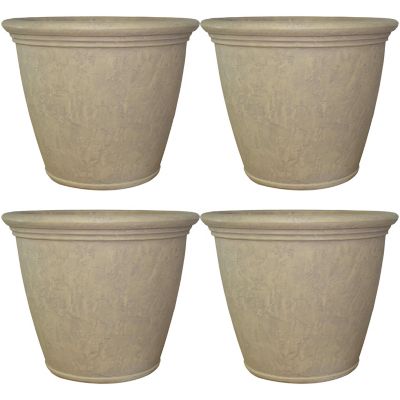
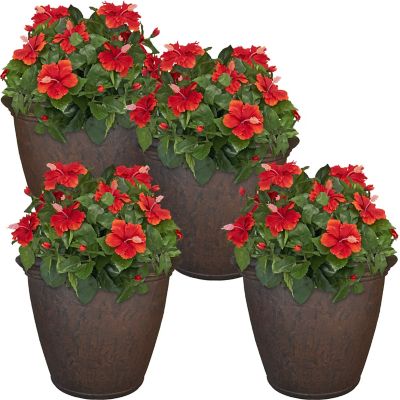
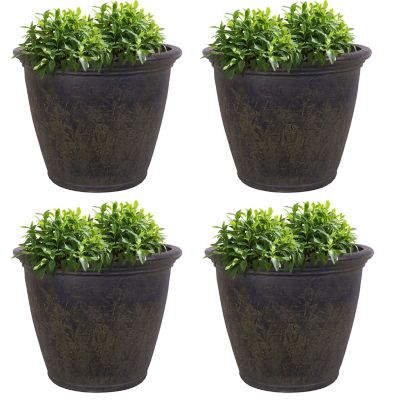
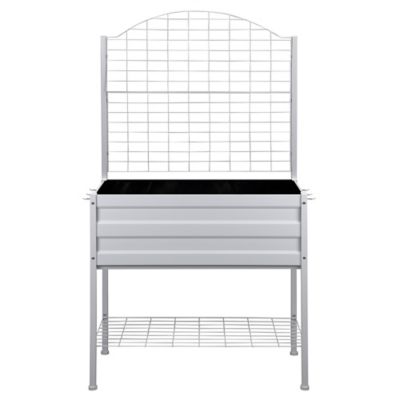
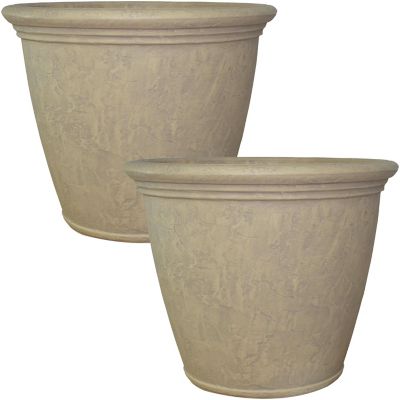
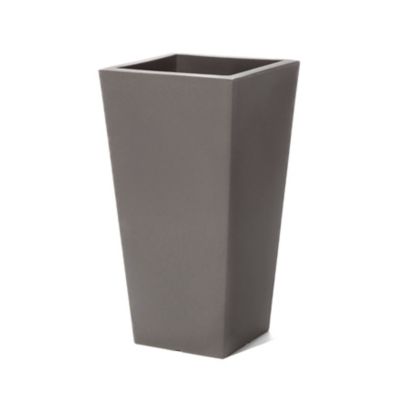
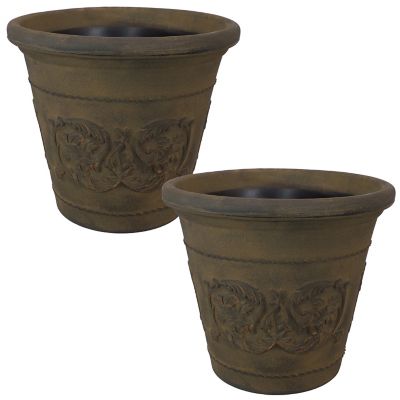
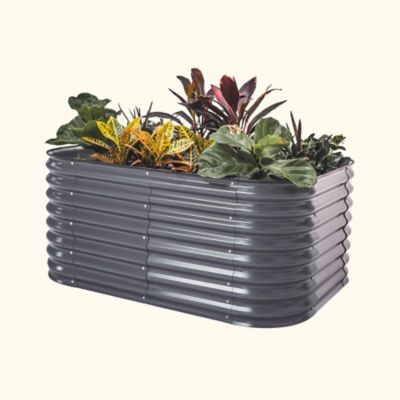
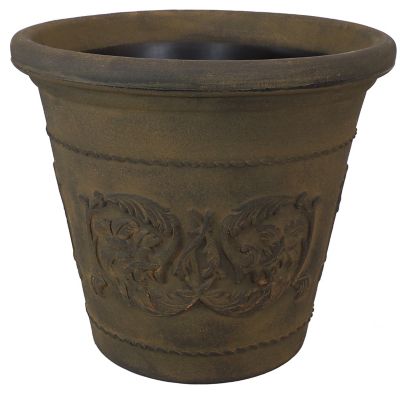
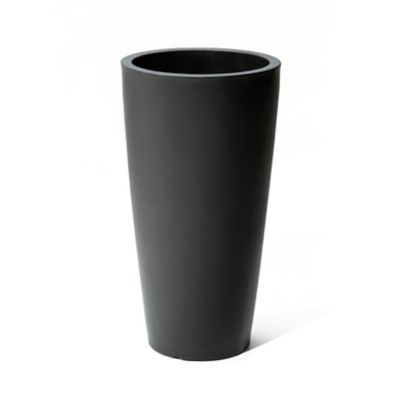
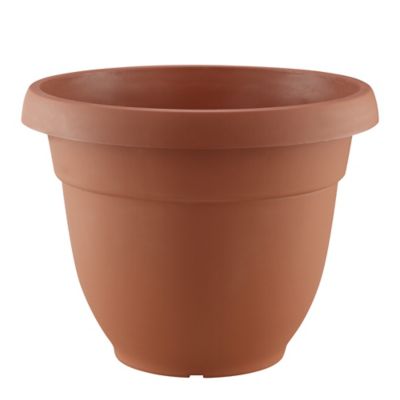
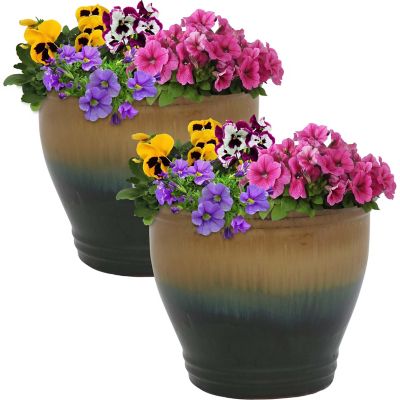
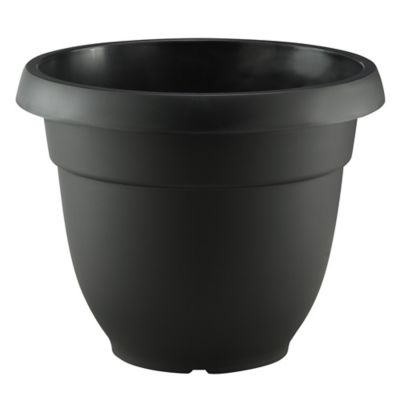
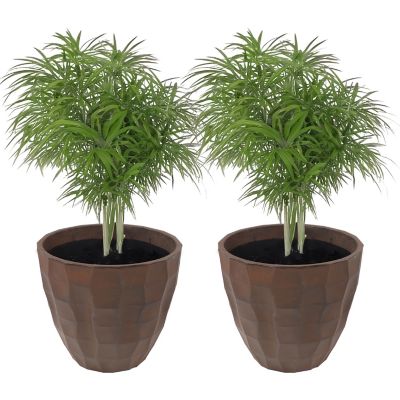
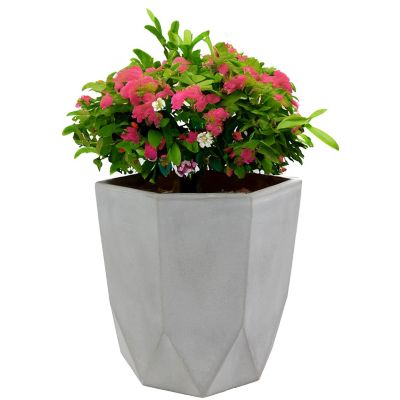
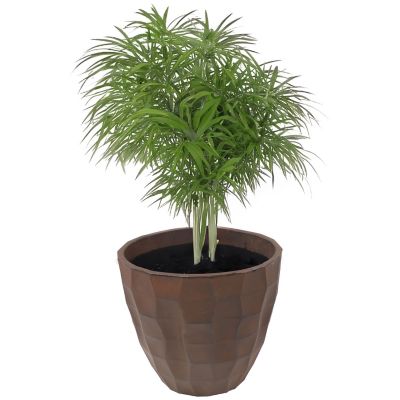
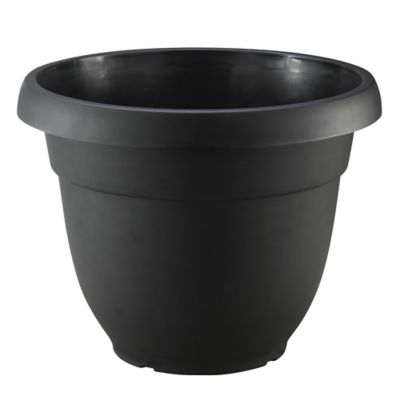
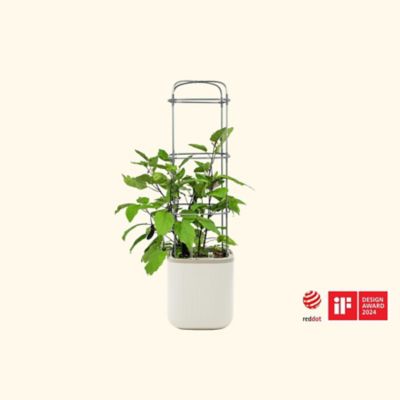
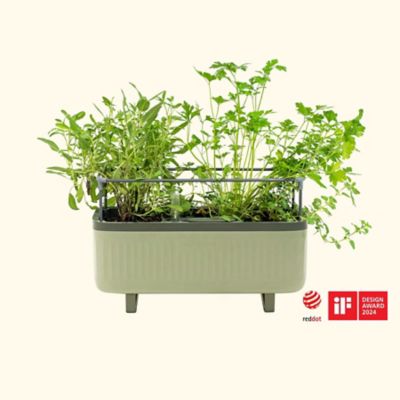
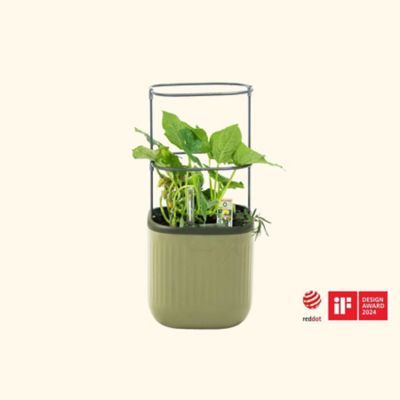
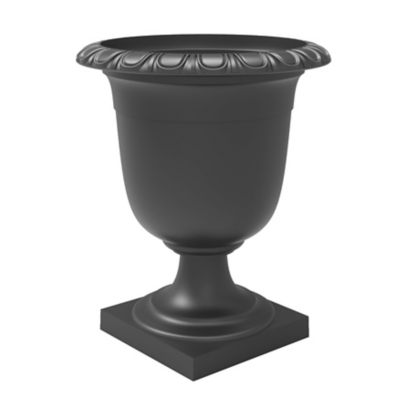
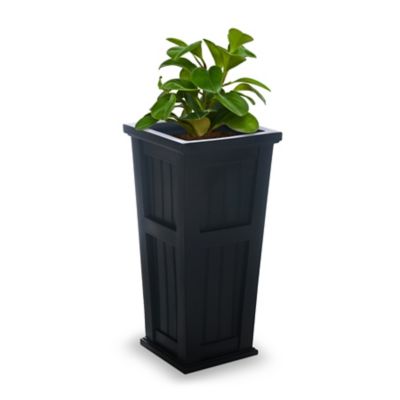
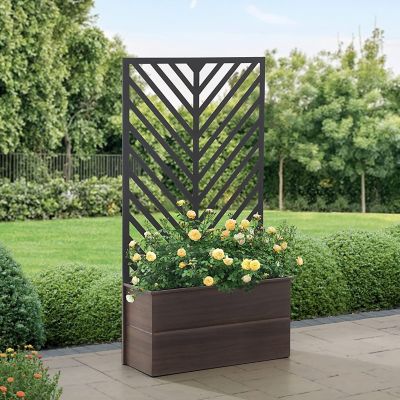
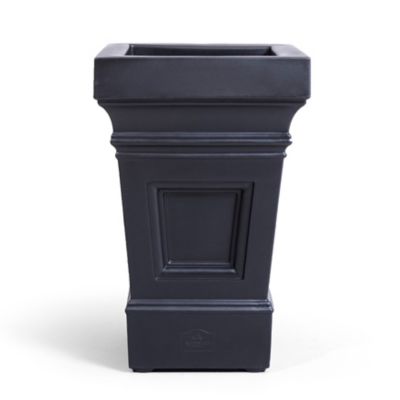
Modern outdoor plant containers pair clean, simple shapes with practical growing space for porches, patios, entryways, and yards. Straight-sided boxes, smooth round pots, and tall tapered forms give flowers, herbs, grasses, and small shrubs a clear place in the landscape without a lot of extra fuss. Their modern look comes from balanced proportions, uncluttered surfaces, and finishes that work alongside the house, fence, or outbuildings. Charcoal, cream, earthy brown, and natural stone tones can sit comfortably beside brick steps, wood siding, or a gravel path. A pair of taller containers can frame a front door, while a long rectangular planter can define the edge of a sitting area without closing it off. Around a farmhouse porch, a simple planter can bridge the gap between older building details and newer outdoor furniture. The best shape depends on both the planting and the space around it: upright grasses suit a tall silhouette, trailing plants soften a broad rim, and a row of herbs fits neatly into a lower trough near the kitchen door. Matching containers create a tidy rhythm along a walkway; different heights in a shared finish give a grouping more depth without making it feel crowded. Scale matters just as much as color. A small pot can disappear beside a wide set of steps, while an oversized container may leave too little room to carry groceries through the doorway. Allowing space for doors to swing and people to pass keeps the arrangement useful as well as good-looking. Where floor space is tight,
Modern Outdoor Wall Planters offer another way to carry that clean-lined look onto a suitable vertical surface, with attention to mounting strength, planted weight, and drainage.
Material makes a big difference in how an outdoor planter feels, where it fits, and how much tending it needs. Resin and fiberglass containers often offer a substantial-looking shape at a lower empty weight than similarly sized concrete containers, which can help when arranging a porch or moving pots for cleaning. Their thickness, construction, and finish still matter, so suitability for outdoor placement should come from the product specifications rather than appearance alone. Concrete and cast stone bring weight and a grounded look to open spaces, but that heft calls for a firm, level base and careful thought before placement. A raised deck or porch also needs enough load capacity for the container, damp potting mix, and mature planting together. Metal planters offer crisp edges and a spare, architectural feel; protective coatings, smooth seams, and resistance to corrosion are useful considerations wherever soil and moisture meet the surface. Wood containers bring a softer look alongside modern shapes, with attention to sound joints, suitable outdoor finishes, and drainage around any interior liner. Clay and ceramic pots add texture, though porous clay can let moisture leave the growing mix faster than less porous materials. Glazed surfaces may be easier to wipe clean, while heavier pottery takes more care when moving. Across all these materials, usable planting space matters more than the outside measurements alone. Thick walls, tapered bases, false bottoms, and built-in reservoirs can reduce the room available for roots. A tall container is not necessarily a deep growing bed. Herbs and compact flowers have different space needs from a shrub expected to stay in place for several years, so mature root growth should help determine width and depth. For edible plantings, the container, liner, and any surface treatments need to be suitable for that purpose. A good fit leaves room for roots and watering while keeping the overall planted weight manageable for its intended spot.
Drainage is one of the most important features in modern outdoor plant containers because roots need access to air as well as moisture. Drainage openings, removable plugs, and reservoir systems serve different purposes, and the right arrangement depends on the planting and placement. A reservoir can reduce the frequency of watering for suitable plants, but it does not remove the need to monitor moisture or follow the container’s care directions. A solid-bottom vessel may need a separate growing pot inside, with a way to empty collected water before it surrounds the roots. Adding a layer of stones at the bottom does not replace an open drainage path. Potting mix formulated for containers generally supports better root conditions than dense soil dug from the yard, which can settle heavily inside a pot. On a wood porch or paved patio, feet or a suitable stand can help keep drainage openings clear, while a correctly sized tray can help manage runoff where needed. Any tray still needs attention so water does not remain trapped beneath the planting. Everyday care also affects how a container holds up: accessible rims make watering easier, smooth interiors simplify clearing out roots, and a manageable shape helps with lifting and cleaning. Empty containers are usually easier to move safely than planted ones, especially when the growing mix is wet. Cleaning methods should suit the material and finish, with gentle washing often a better starting point than harsh scrubbing. These practical details matter whether the space belongs to an experienced gardener tending a courtyard or someone setting up a first porch planting. A straightforward container can also make a thoughtful housewarming gift for a gardener, particularly when its size suits the recipient’s space. With room for healthy roots, sensible drainage, and a shape that belongs in its setting, a modern planter gives an outdoor area a finished look while keeping the plants themselves at the center.