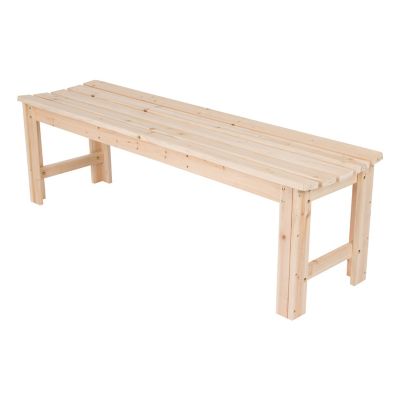
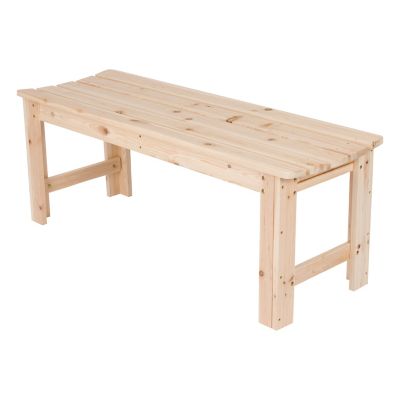
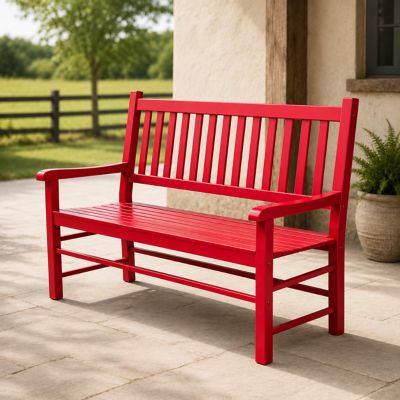
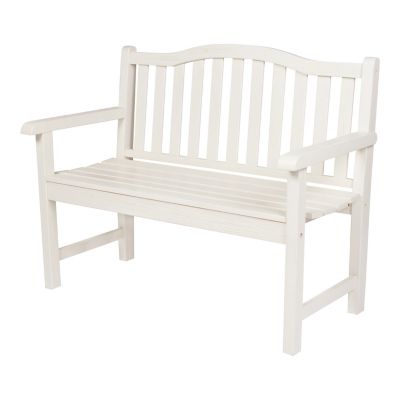
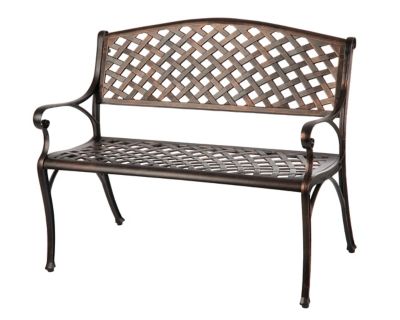
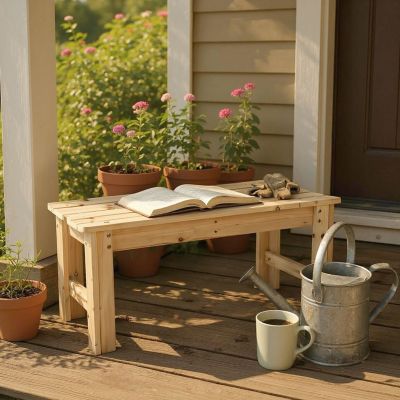
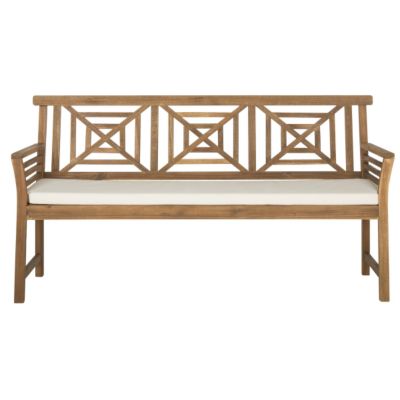
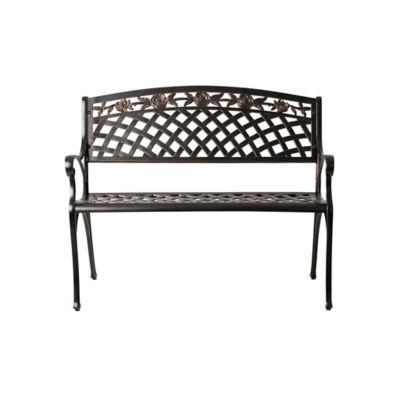
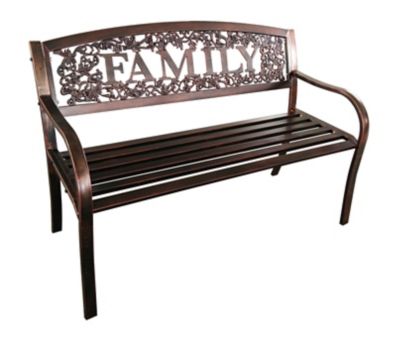
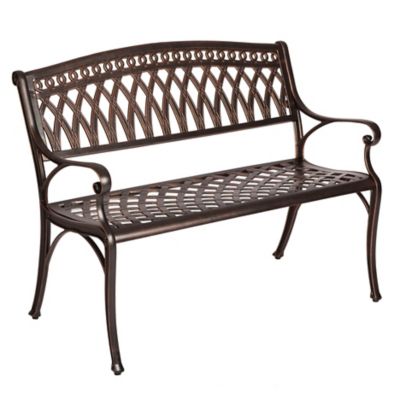
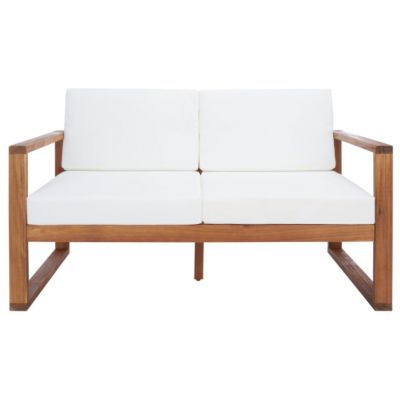
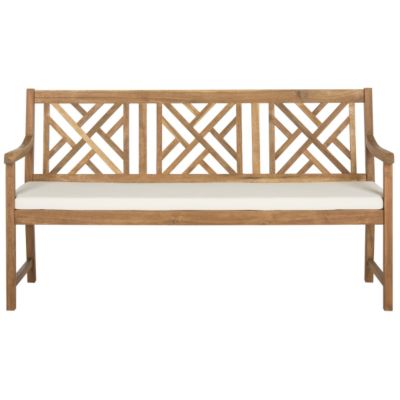
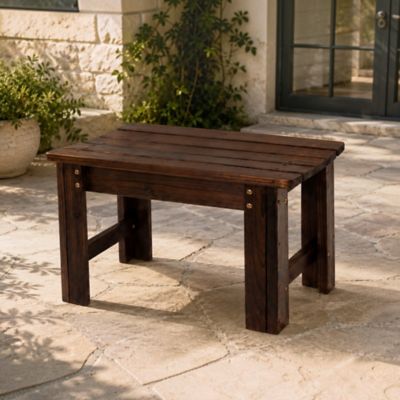
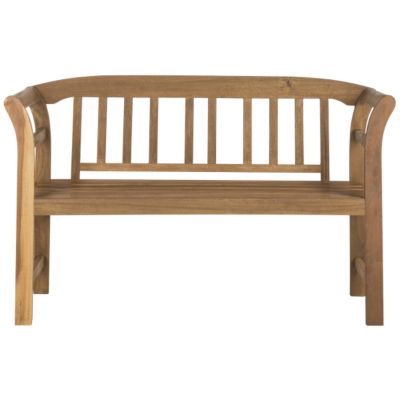
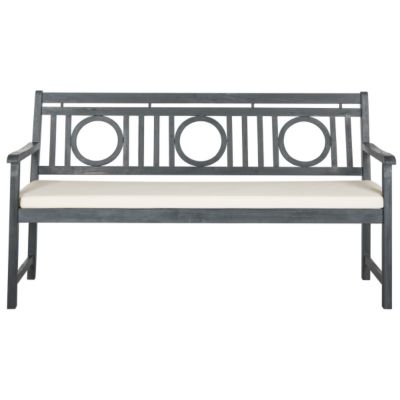
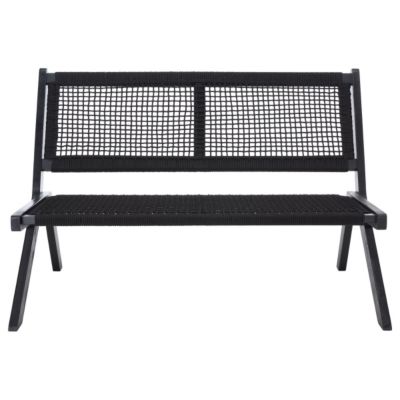
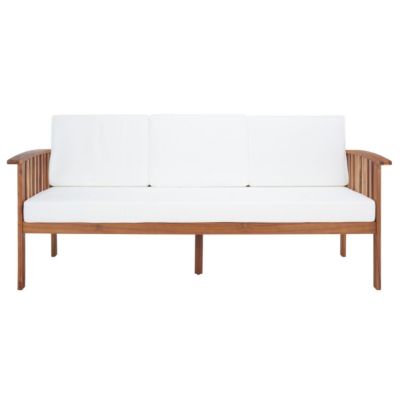
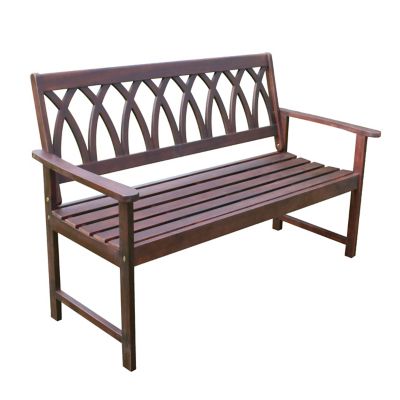
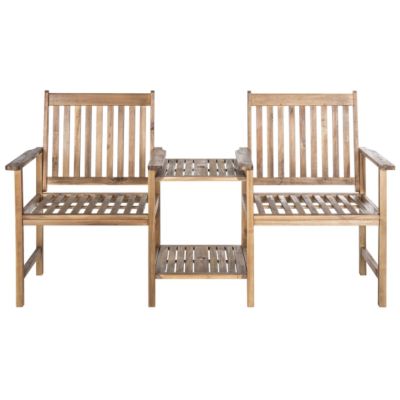
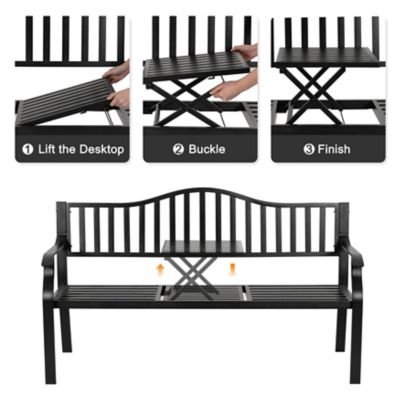
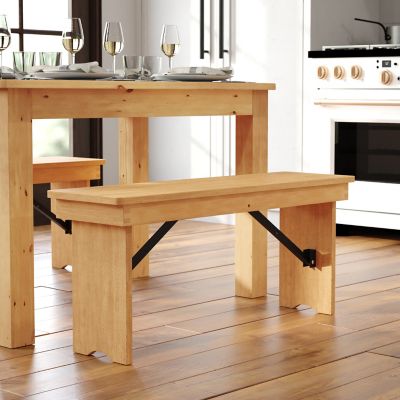
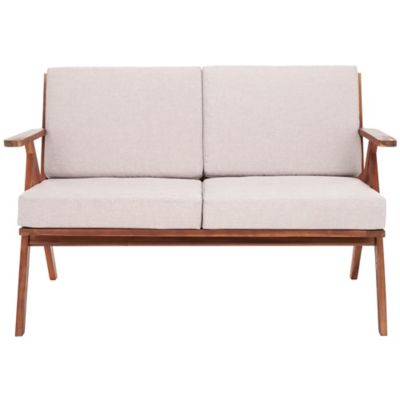
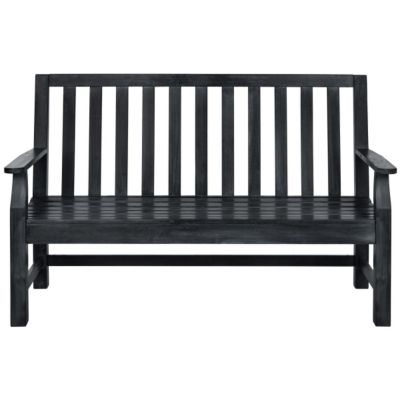
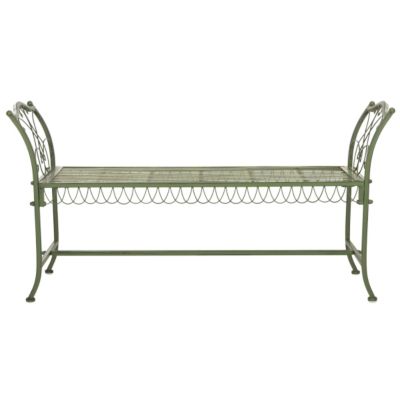
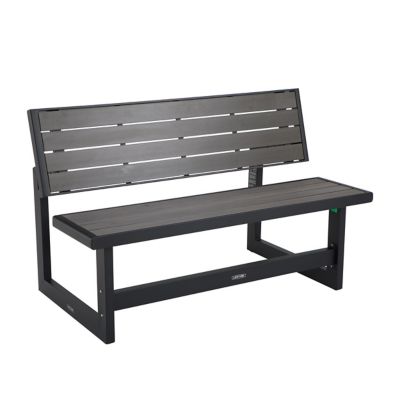
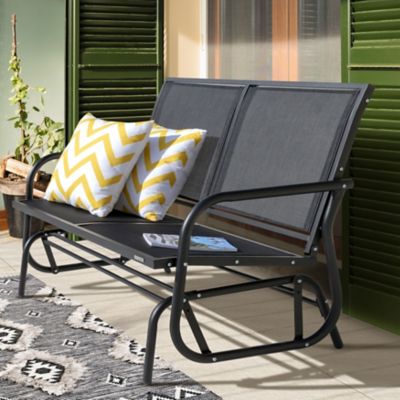
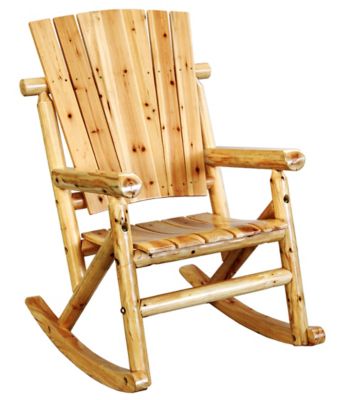
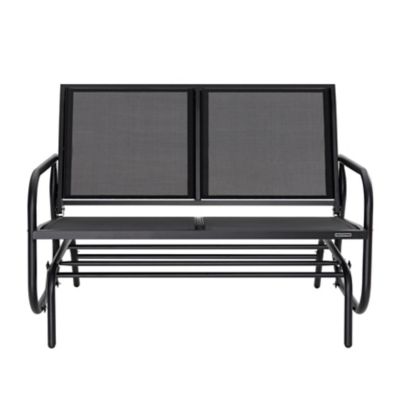
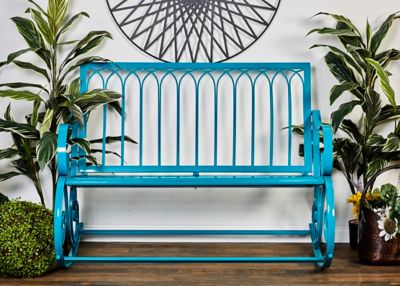
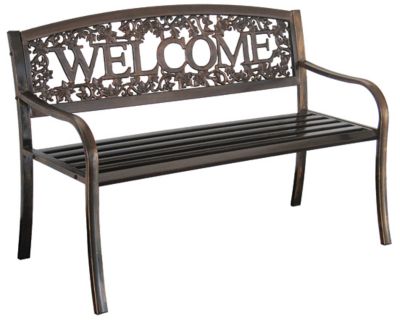
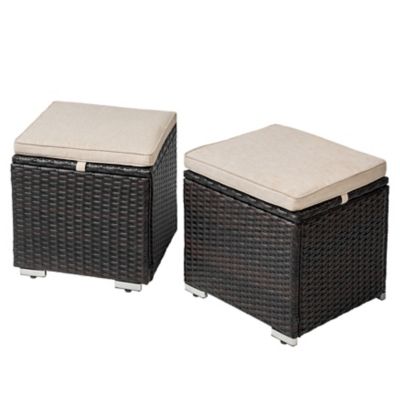
Outdoor benches for patios put a comfortable place to sit along the edge of a gathering area without filling it with separate chairs. They work beside a patio table, against a house wall, near an entry or along a path between the porch and garden. A bench can be a spot to pull off work boots, share a cup of coffee or settle in while supper finishes on the grill. Common material choices include wood, steel, cast iron, aluminum and high-density polyethylene, often called HDPE. Each brings a different look, weight and care routine, while the bench’s shape determines how it fits into everyday life. A backed bench suits relaxed conversation, and armrests give seated guests somewhere to rest their elbows. A backless bench keeps sightlines open and can tuck beneath a compatible table when the dimensions allow. Straight benches fit neatly along walls and patio edges; curved designs can follow a rounded seating area. Many patio benches fall in the 4- to 6-foot range, but overall length alone does not tell the whole seating story. The clear space between armrests, the seat depth and the listed weight capacity all matter when judging room for two or three people. Seat height matters, too, especially when a bench will sit at a dining table rather than stand on its own. The table apron needs to leave room for knees, and arms should not interfere with the tabletop. On a smaller patio, a slim profile can leave more walking room between the door and the yard. In a larger space, a substantial bench can anchor a conversation area opposite a pair of chairs. Enough clearance for doors, pulled-out seating and foot traffic keeps the arrangement comfortable when someone is carrying a serving tray or leading a pet outside. The best fit leaves the patio feeling open while giving everyone a place to land.
Materials shape both the appearance and the upkeep of outdoor patio benches. Wood brings visible grain and a natural look that sits comfortably beside brick, stone, siding or a gravel border. Teak, cedar and acacia are common outdoor furniture woods, though their weight, finish requirements and resistance to moisture differ. Some wood benches can develop a gray patina, while maintaining their original color may call for cleaning and an appropriate protective finish. The care directions for the particular wood and coating take priority over a one-size-fits-all treatment. Steel and cast iron give benches a substantial feel, with designs ranging from simple straight slats to patterned backs. Protective coatings help separate the metal from moisture, but scratches, chipped edges and exposed fasteners deserve attention because rust can start at those points. Cast iron is generally heavier than aluminum, which matters if a bench will stay in one place rather than move around for gatherings. Aluminum is often easier to reposition and does not rust like iron, although its finish and hardware still need routine care. HDPE and other outdoor-rated plastic benches offer another option, particularly for households that prefer a surface that does not need staining. HDPE resists rot and does not splinter like wood, but the frame design, fasteners and stated load limit still determine what a bench can support. Material names alone do not tell the full story. Sturdy joints, secure hardware, supported seat slats and a frame that sits evenly all contribute to steady seating over time. Powder coating, wood finishes and molded surfaces each call for suitable cleaning products; mild soap and water are often appropriate when the manufacturer permits them. Abrasive scrubbers and harsh cleaners can damage some surfaces. A bench placed near lawn sprinklers, damp soil or wet leaves may need more attention than one on a clean, covered patio. Keeping the feet on a firm, level surface and clearing debris from joints and gaps helps protect the parts that are easy to overlook.
Comfort comes down to details that are easy to appreciate after a full day of chores. A gently shaped seat, smooth edges and a back that supports a relaxed posture can make a bench more inviting than its dimensions alone suggest. Slat spacing affects how the seat feels, and a cushion changes both the softness and the sitting height. Outdoor-rated bench cushions should match the usable seat area without crowding the armrests or hanging over the front edge. Ties or other compatible attachments can help keep them in place, while removable covers simplify cleaning when the care label allows washing. Cushions and pillows need a place to dry completely before being put away, and a covered storage spot helps keep them ready for the next gathering. Storage benches combine seating with a compartment for small patio supplies, though the lid design, interior dimensions and stated protection against moisture deserve a close look. A storage compartment is not automatically watertight. Assembly requirements also vary: some benches need only a few connections, while others involve separate legs, arms, seat sections and back panels. Following the assembly directions and checking fasteners periodically helps keep the frame steady. For a patio that includes a raised counter,
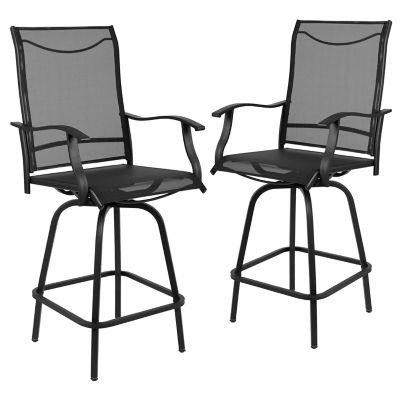
outdoor bar stools for patios can complement a bench in a separate seating area, with each seat matched to its table or counter height. A bench can also make a thoughtful housewarming gift for someone settling into a place with a porch or patio, especially when the space, preferred style and care expectations are already known. Whether it holds visiting family around the table or gives one person a quiet place beside the garden gate, a patio bench earns its place through a sensible fit, comfortable seating and care that suits the household.