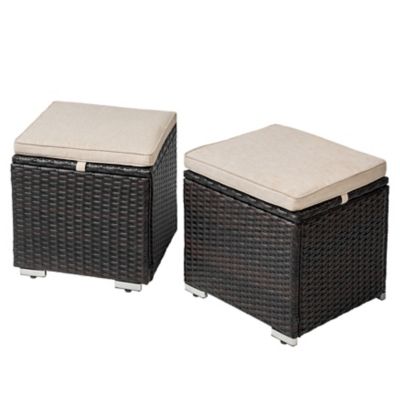
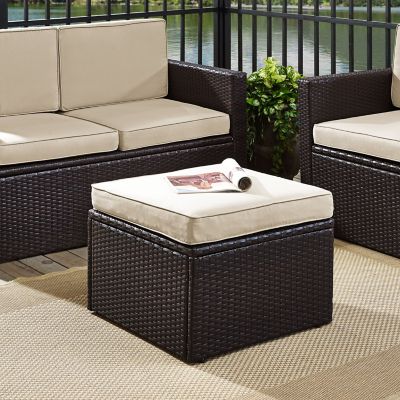
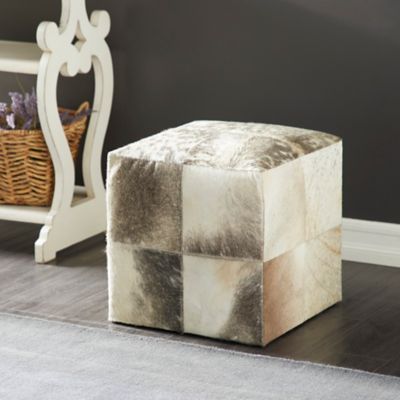
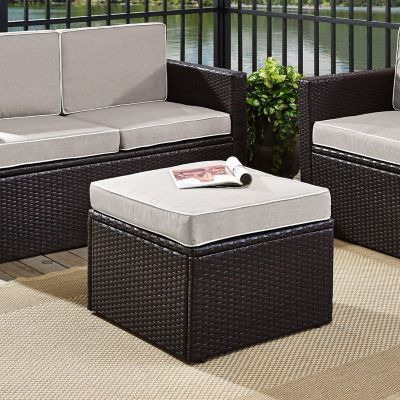
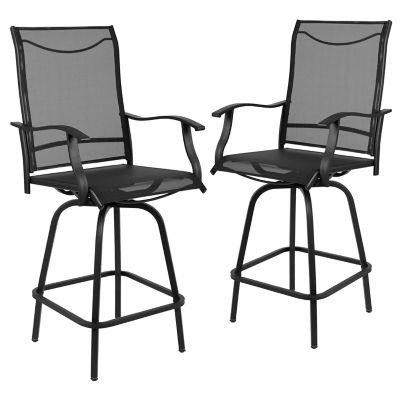
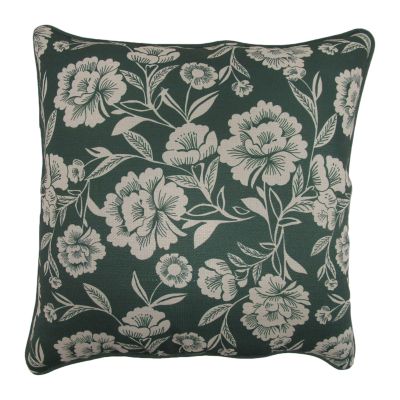
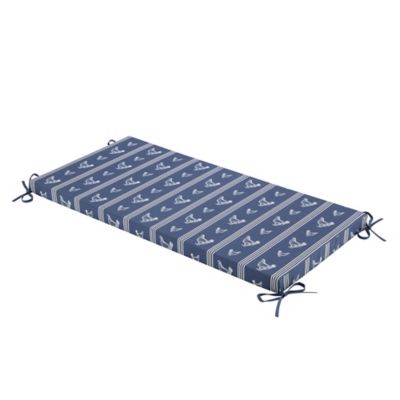
Outdoor patio ottomans bring a comfortable footrest to a porch, deck, or backyard sitting area, giving folks a place to stretch out after chores or settle in for a long visit. Depending on their construction, they can also provide extra seating, a spot for a serving tray, or storage for outdoor cushions and accessories. Those functions vary by design: a soft pouf may work well beneath tired feet, while an ottoman built and rated for seating can make room for another guest. A firm, level top may support a tray, but a deeply cushioned surface is better suited to relaxing than balancing a glass of sweet tea. Size and height make a big difference in how an ottoman feels beside existing furniture. A footrest generally pairs comfortably with a chair when its top sits about level with the seat cushion or slightly below it, though personal comfort and the chair’s shape matter, too. Measuring from the ground to the seated cushion surface gives a more useful comparison than looking at the chair’s overall height. The ottoman should also leave enough room for feet to rest naturally without crowding the chair or stretching legs farther than feels comfortable. Square and rectangular shapes fit neatly beside sectional seating and along straight furniture arrangements, while round shapes soften the look of a small conversation area. Compact ottomans can tuck near individual chairs; broader designs give a loveseat or sofa a shared footrest. Before settling on a size, account for porch posts, door swings, steps, and the path people take between the house and yard. A roomy place to put feet up should not turn the route to the back door into an obstacle course. Coordinated cushions can tie an ottoman to a seating group, while a contrasting color or woven texture adds interest without requiring every piece to match. For a housewarming gift, measurements and the recipient’s existing furniture are more helpful than guessing at a favorite style.
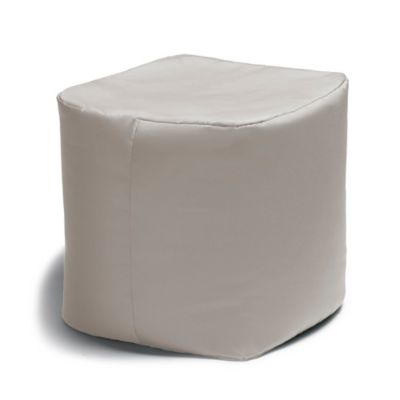
Materials influence an outdoor patio ottoman’s weight, feel, upkeep, and ability to handle exposure. Aluminum frames are generally lighter than comparable steel frames and resist rust, making them practical when furniture gets moved around for company or cleaning. Steel offers a substantial feel, but its protective finish needs attention if scratches expose the metal underneath. Powder coating adds a protective surface, though it does not make a frame immune to damage. Woven resin wicker creates the familiar texture of woven furniture over a supporting frame; the weave, frame material, and construction all matter. Wicker describes a weaving method rather than one particular material, so natural rattan and synthetic outdoor wicker should not be treated as interchangeable. HDPE lumber offers a different look, with solid profiles and no need for the same refinishing routine that some wood furniture requires. Wood ottomans bring visible grain and a warm, straightforward appearance to a porch setting, but care requirements depend on the wood species and finish. Some need periodic oiling or sealing according to the manufacturer’s directions. Cushions deserve just as much attention as frames. Olefin and polyester are common outdoor fabric choices, with resistance to fading and moisture depending on the fabric’s construction and treatment. Outdoor fabric is not automatically waterproof, and a water-resistant cover does not guarantee that the cushion beneath it will stay dry through prolonged exposure. Seams, zippers, cushion fill, and drainage all affect drying. A removable cushion cover can make cleaning easier, but removable does not necessarily mean machine washable. Soft outdoor poufs offer a relaxed alternative to framed ottomans, though their covers, fill, and recommended placement still need to suit the intended setting. On an uncovered patio, materials and drainage deserve particular attention. Beneath a covered porch, windblown moisture and direct sunlight can still reach furniture, so placement and care remain part of keeping everything ready for the next sit-down.
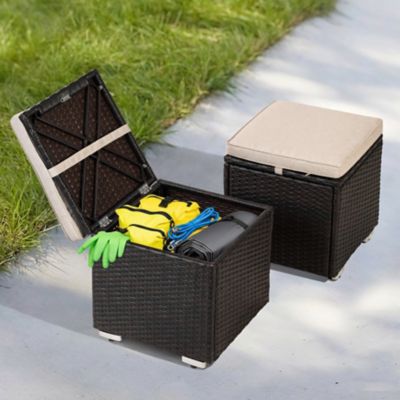
The most useful patio ottoman fits the way a household spends time outside. For a quiet reading spot, a single cushioned footrest beside a favorite chair may be plenty. For family visits, separate ottomans offer more flexibility than one large piece, since they can move between chairs or make space around a conversation area. Any design intended to serve as a seat should have a stated seating capacity that suits the person sitting on it; a footrest is not automatically a stool, and neither should serve as a step. Storage ottomans can keep small outdoor accessories together, but the compartment’s construction determines what belongs inside. Ventilation can help dampness escape, while a lid alone does not make a storage space watertight. Cushions and throws should be clean and completely dry before being put away. Hinges, lid supports, and handles also deserve a look, especially where children may reach into a storage compartment. Across the seating area,
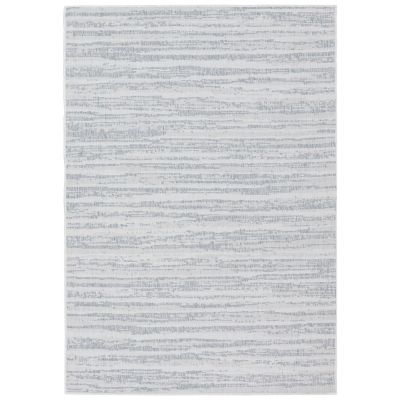
Large Outdoor Patio Rugs can help connect chairs, a sofa, and an ottoman into one comfortable gathering spot. Keep rug edges flat and make sure the ottoman rests steadily without rocking between surfaces. Everyday care is usually easier when it happens before dirt settles in: brush away loose debris, wipe the frame as directed, and treat spills promptly with a cleaner suited to the material. Harsh cleaners, stiff brushes, and pressure washing can harm some finishes and fabrics, so the care label should take priority over a one-method-fits-all approach. After cleaning, allow cushions, seams, and storage compartments to dry thoroughly before replacing covers or closing lids. A properly fitted furniture cover can limit exposure between gatherings, provided it allows the ventilation the manufacturer recommends. Checking fasteners, feet, and frame connections now and then helps keep the setup steady. With the right proportions and a manageable care routine, an outdoor ottoman becomes an easygoing part of everyday porch life rather than another piece of furniture to work around.