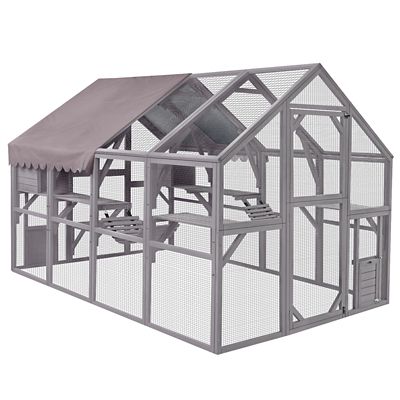
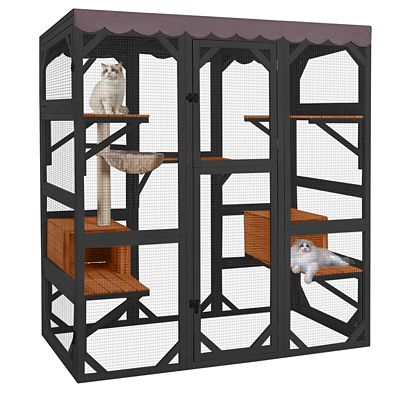
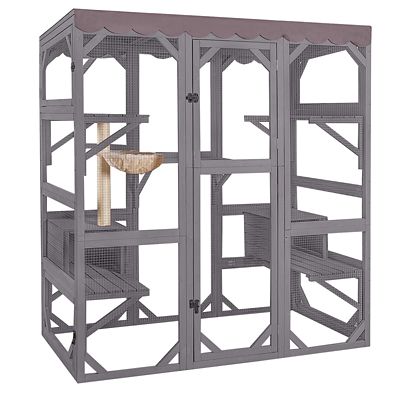
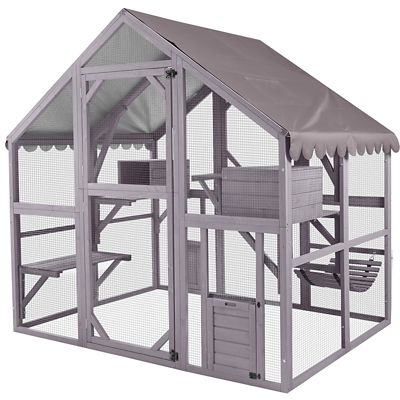
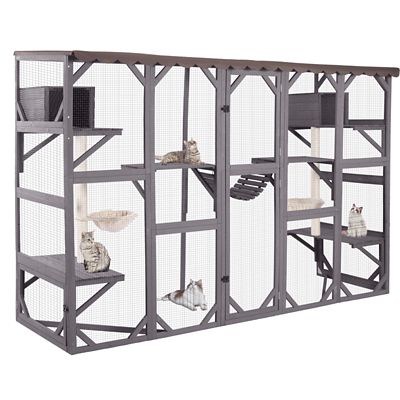
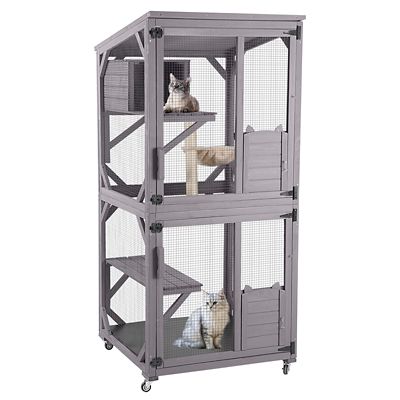
Walk-in outdoor cat enclosures give cats room to stretch, climb, sniff and keep tabs on the yard while staying inside a defined space. For a cat that spends plenty of time watching through the back door, an enclosed outdoor area adds another place to explore without free roaming. The walk-in design makes a difference for people, too: there’s room to step inside, refresh a water bowl, wipe down a shelf or sit with a cat for a spell. These enclosures can suit homes with one curious companion or several cats, provided the layout gives each animal enough space and a way to move away from the others. Floor area matters, but so does the arrangement above it. A tall enclosure with well-spaced resting spots offers a different experience than a low, open run, and neither shape suits every cat or every yard. Young climbers may enjoy several levels, while older cats may do better with broad platforms and gentle routes between them. For households with more than one cat, separate resting spots and clear paths help keep a favorite perch from becoming a bottleneck. Footprint, door swing and overall height all affect how an enclosure fits beside a porch, along a house or in a fenced backyard. Measurements need to account for the space people need around the structure, not just the frame itself. A gate that opens comfortably, a path wide enough to carry cleaning supplies and clearance from nearby obstacles all make everyday access easier. The ground beneath the enclosure matters as well: a level, appropriate base supports the structure and helps limit gaps around the perimeter. For cat owners who want a shared place to spend time outside with their pets, the best fit balances room for feline activity with practical access for the person handling daily care.
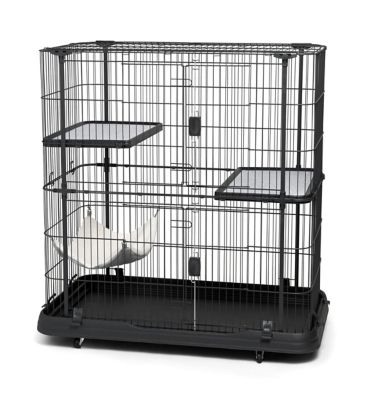
Construction shapes how a walk-in enclosure holds up and how much attention it needs along the way. Metal frames, coated wire panels and wood framing each bring different care requirements and a different look to the yard. Galvanized metal and protective finishes help resist corrosion, though joints, fasteners and cut edges still deserve regular checks. Wood benefits from smooth surfaces, sound connections and finishes suitable for the intended animal enclosure. Wire spacing is especially important because a barrier that contains a full-grown cat may not be suitable for a small kitten. Openings around doors, roof panels and corners count just as much as the spacing across the main walls. A snug frame, firmly attached panels and hardware that stays seated help maintain a continuous boundary. Latches should be straightforward for an adult to operate but difficult for a paw to work loose, with their placement considered alongside nearby climbing surfaces. An enclosed top helps address a cat’s natural urge to climb, while the lower perimeter needs attention to both squeezing and digging. No enclosure replaces supervision or an assessment of the animals and activity around the property. Depending on the layout, a separate entry area can provide another boundary when someone steps through the outer door. Connections to the house introduce another set of fit considerations, including opening dimensions, secure attachment and a way to close access when needed.
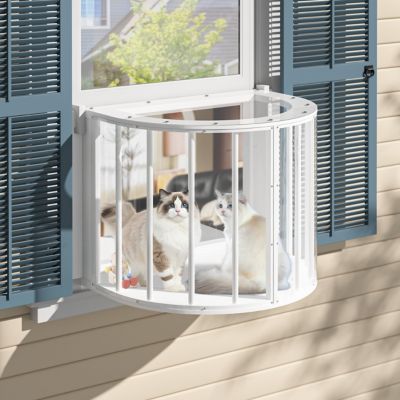
Window-Access Catios can suit arrangements centered on an existing window, with the connection planned around both the home and the cat. Whether an enclosure stands apart from the house or connects to it, clear assembly directions, appropriate anchoring and access to hardware for inspection make ongoing upkeep more manageable. Property rules, buried utilities and the requirements of the installation surface also matter before any ground attachment or building connection goes into place.
Inside a walk-in outdoor cat enclosure, a thoughtful layout can turn open square footage into space a cat actually enjoys. Broad shelves offer lookout spots, scratching surfaces give paws a place to work and a tucked-away resting area provides a break from activity. Paths between these features need enough room for turning, landing and passing, especially when several cats share the enclosure. A high perch loses some of its appeal if the only route down requires a long jump, and a narrow shelf may not give a larger cat much room to settle. Lower resting spots and gradual changes in height can make the space more comfortable for cats with limited mobility. Furnishings also need to stay steady when a cat launches, lands or leans into a scratch. Keeping the doorway clear makes carrying a cat in a carrier simpler and leaves less room for a cat to slip past someone’s legs. Cleanliness is another everyday consideration, particularly around feeding, drinking and litter areas. Surfaces that can be reached without awkward stretching make it easier to remove loose fur, wipe up spills and keep an eye on corners. Washable resting materials and removable furnishings can simplify that routine, provided everything goes back securely after cleaning. Cleaning methods should suit the frame, panels and flooring, with pet-safe directions followed and residues removed before cats return. Routine attention also helps catch a loose latch, an exposed wire end or a shifting platform before it becomes a bigger concern. Some cats settle into a new enclosure quickly; others prefer short, supervised visits with a familiar bed nearby and an easy return indoors. A quiet introduction gives them room to explore at their own pace. Fresh drinking water, regular human attention and access to their normal indoor living space remain part of daily care. With enough room to move and a setup that matches the household, a walk-in enclosure can become a favorite stop in a cat’s everyday routine.