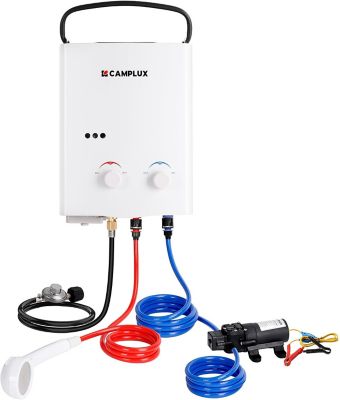
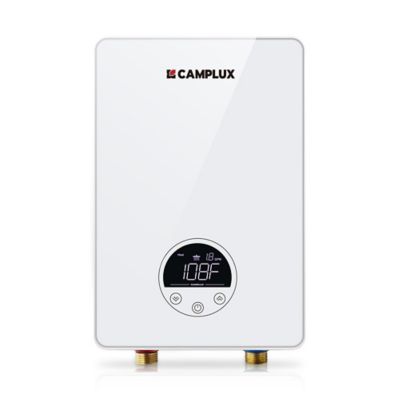
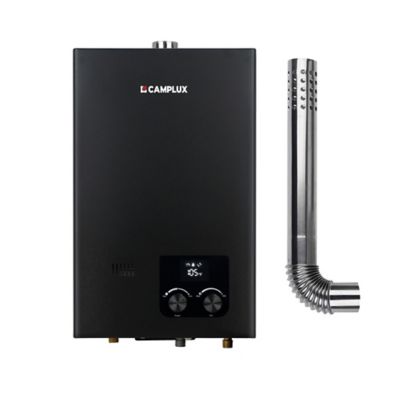
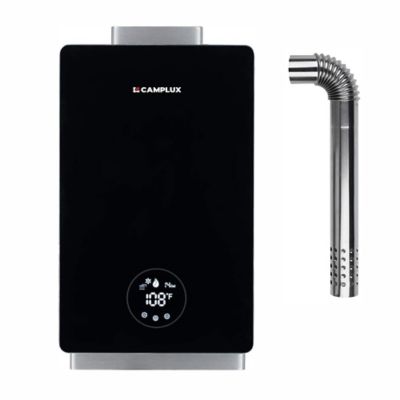
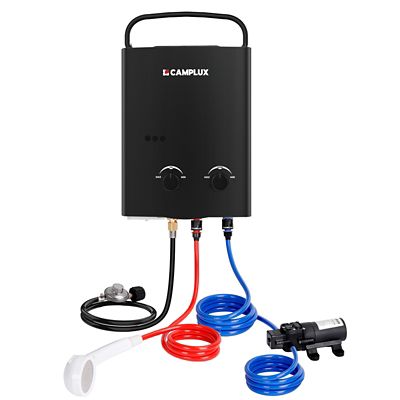
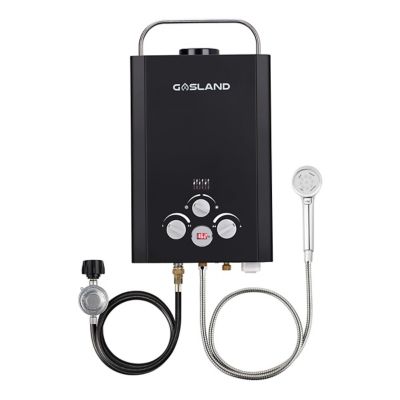
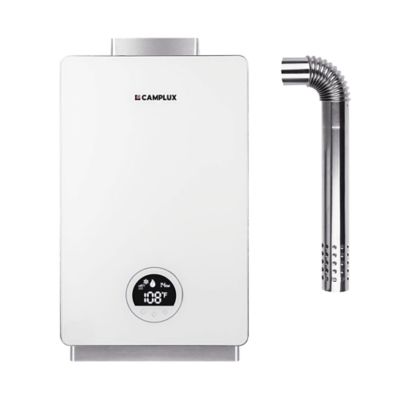
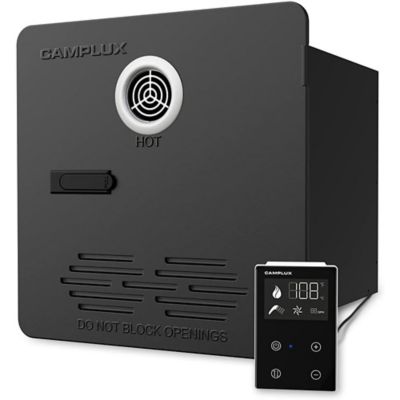
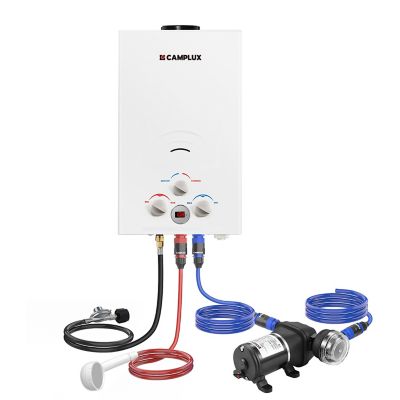
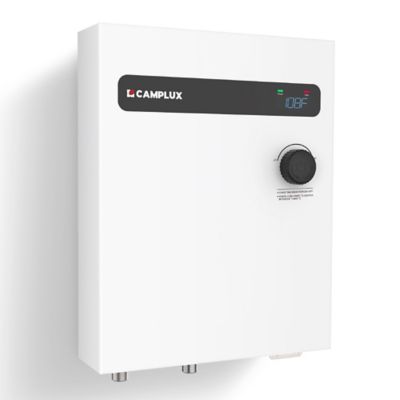
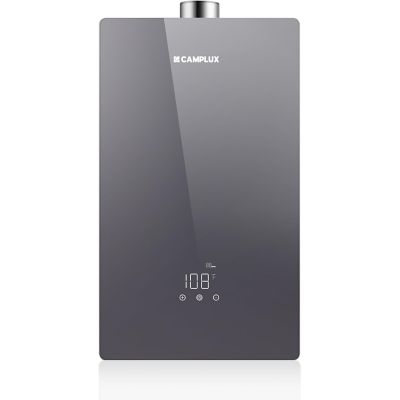
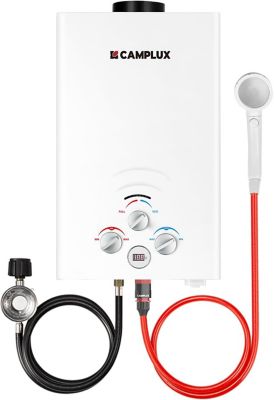
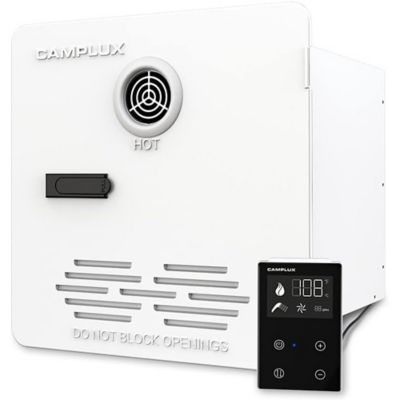
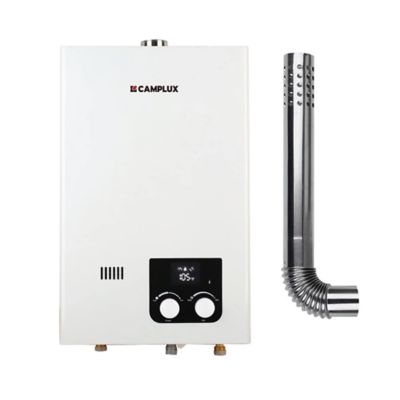
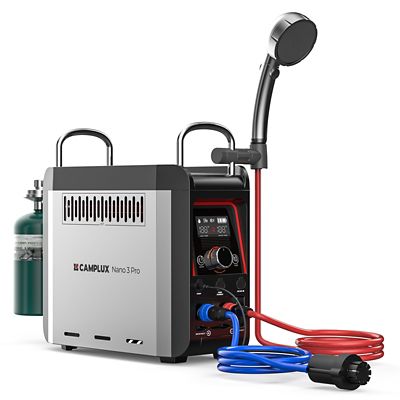
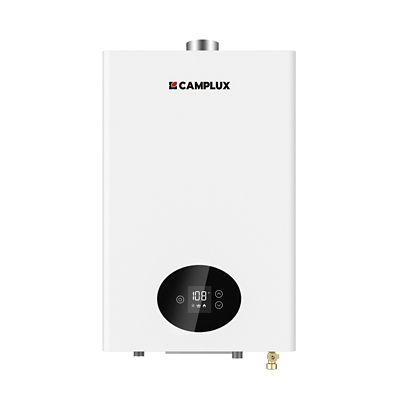
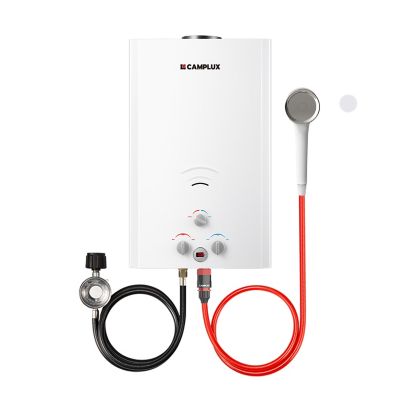
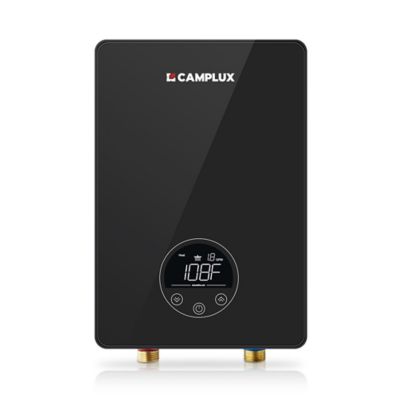
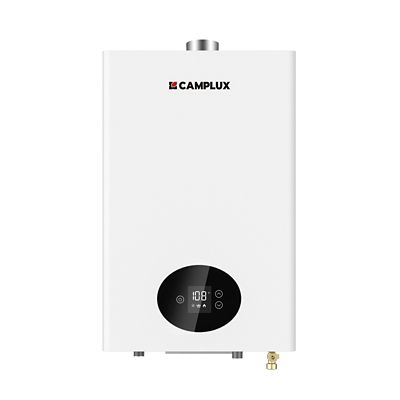
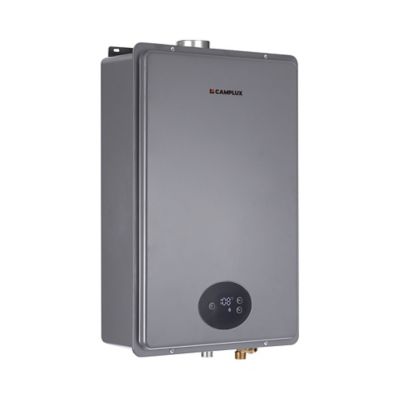
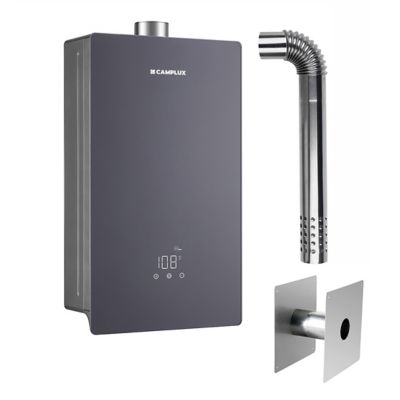
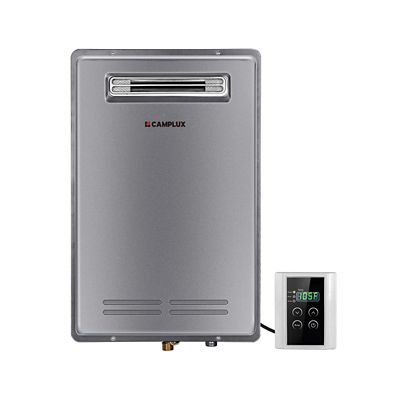
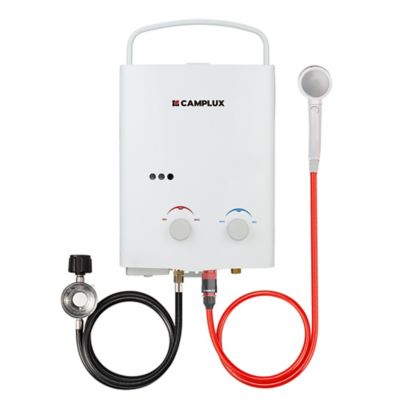
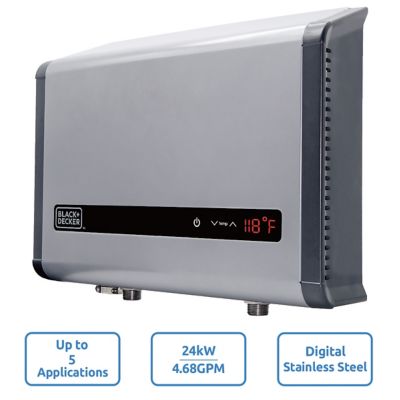
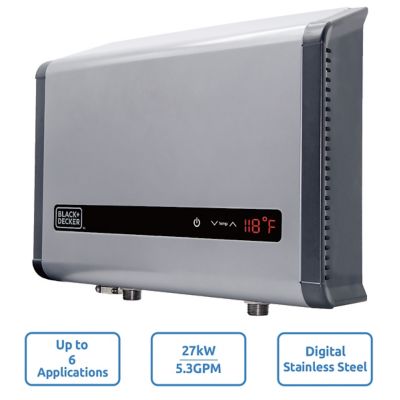
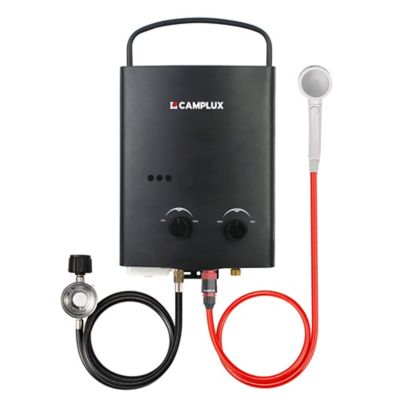
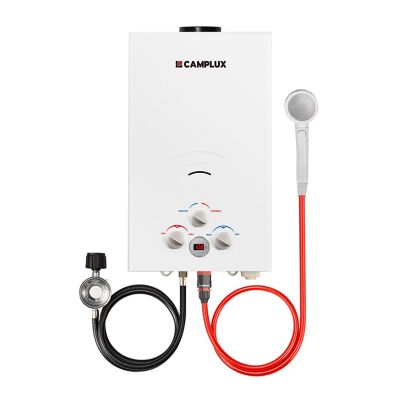
On-demand water heaters heat water as it flows through the unit instead of keeping a storage tank hot around the clock. When a hot-water tap opens and flow reaches the heater’s activation threshold, a gas burner or electric heating element warms the incoming water on its way to the fixture. Heating stops when the draw ends, though some systems still draw power for controls, freeze protection, or other functions. Also called tankless water heaters, these systems can serve anything from a single utility sink to several fixtures throughout a home, depending on their capacity and installation requirements. Their compact shape can free up room where a large tank would otherwise sit, leaving more floor space in a utility room, workshop, or cabin. Wall-mounted designs still need the clearances and service access listed by the manufacturer, so a small cabinet or tight corner is not automatically a suitable spot. For a household with muddy work clothes, dishes after supper, and back-to-back showers, the appeal is a steady supply of hot water without waiting for a storage tank to refill and reheat. That supply is not unlimited in every situation: the heater must be sized to handle the flow and temperature rise the job demands. A properly matched system can keep delivering hot water through a long draw, but opening several taps at once may exceed its capacity. Point-of-use models fit smaller jobs close to a fixture, while whole-house models are designed for broader household demand. Homeowners, folks fixing up a rural property, and people adding a wash sink to a work area may all have different reasons for choosing one. Tankless operation also avoids the standby heat loss associated with maintaining a tank of hot water, although actual energy consumption depends on the heater, water habits, incoming temperature, and any recirculation setup. That makes the best match less about the size of the housing and more about how, where, and when hot water is needed.
Capacity matters most when everyday jobs overlap. A shower running while someone washes dishes puts a different load on an on-demand water heater than a lone handwashing sink in a shop. Flow capacity is commonly shown in gallons per minute, or GPM, but that number needs to be read alongside the required temperature rise. Temperature rise is the difference between the incoming water temperature and the desired outlet temperature. Water entering at 45 degrees Fahrenheit and leaving at 120 degrees requires a 75-degree rise, which takes more heating capacity than starting with warmer inlet water. During the cooler months, colder supply water can reduce the flow a heater can deliver at the same outlet setting. Manufacturer performance charts help show that relationship more clearly than a maximum GPM rating alone. Minimum activation flow matters, too, especially at a low-flow faucet where a small trickle may not keep the heater operating. Fuel choice brings another set of practical differences. Electric tankless water heaters heat water with electrical elements and do not need combustion venting, but larger systems can require substantial electrical capacity, dedicated circuits, and professional assessment of the service panel. The broader selection of
electric water heaters provides another place to compare electrically powered water-heating options for a home or work space. Natural gas and propane tankless heaters rely on burners, properly sized fuel lines, and installation provisions suited to the model. Indoor gas models need approved venting and combustion-air arrangements; condensing systems also need a suitable condensate drain and may require condensate treatment. Outdoor models must be specifically rated for outdoor installation and matched to the local climate. A propane supply at a country home or cabin may make propane a practical consideration, but the existing piping and regulator still need to meet the heater’s requirements. Across fuel types, connection sizes, water pressure, mounting support, and local codes all affect fit. A licensed installer can confirm those details before a heater becomes part of the plumbing system.
Long service life depends on what is inside the heater and how well the installation suits its surroundings. Heat exchangers may contain copper or stainless steel, with material choice tied to the heater’s design and operating conditions. Neither material removes the need to account for mineral buildup, water chemistry, and regular service. On properties with hard well water, scale can collect along heated surfaces and restrict heat transfer or flow. Manufacturer-approved flushing, inlet-screen cleaning, and any recommended water treatment help keep the system working as intended. Service valves and room to reach the connections make that work easier, especially when the heater hangs beside a crowded workbench or behind other utility equipment. With suitable conditions and maintenance, some tankless systems can last 20 years or longer, but lifespan varies with water conditions, workload, installation, and care. Protection from freezing deserves particular attention in unheated outbuildings and cabins that sit empty between visits. Built-in freeze protection has limits, may depend on uninterrupted power, and generally does not protect all connected piping. Seasonal shutdown and draining need to follow the manufacturer’s directions rather than a one-size-fits-all routine. Portable outdoor water heaters serve a different purpose from permanently installed household systems, and fuel-burning outdoor-only equipment must never operate inside a home, garage, barn, tent, or other enclosed space. For permanent installations, distance from the heater to the faucet also affects the experience. Tankless does not mean hot water arrives at a faraway tap immediately; cooled water already in the pipe must move through first. A suitable point-of-use layout or compatible recirculation arrangement can address that wait, with its own installation and energy considerations. Temperature controls and appropriate mixing protection matter wherever children, guests, or anyone sensitive to hot water will wash up. Whether the setting is a busy farmhouse, a small cabin, or a properly equipped utility area, a well-matched on-demand water heater brings together enough heating capacity, a suitable power or fuel source, and access for ongoing care. Those practical details support comfortable showers, easier cleanup, and hot water that keeps pace with the day’s work.