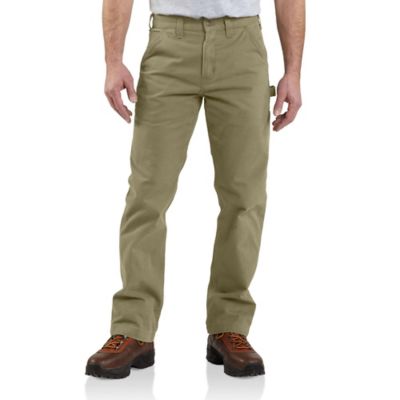
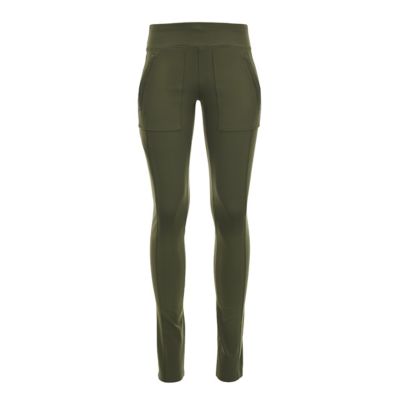
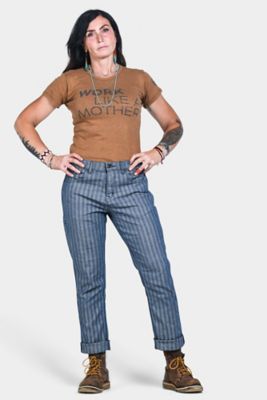
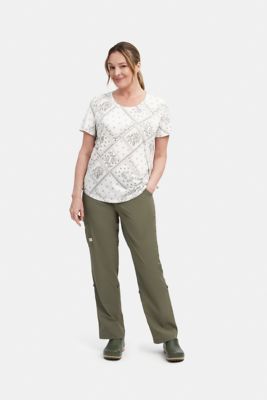
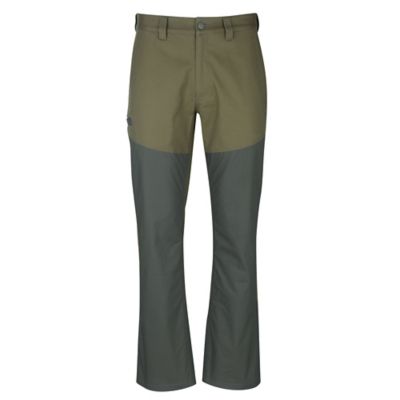
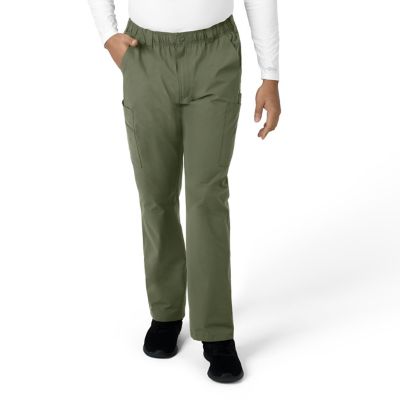
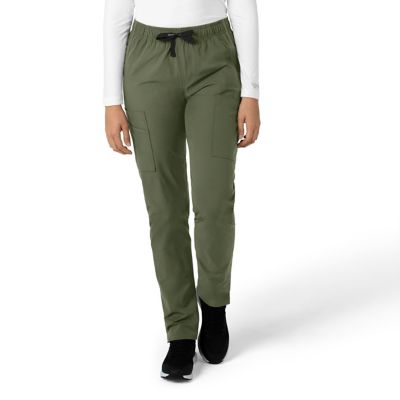
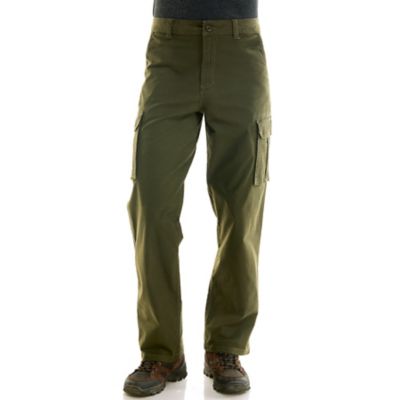
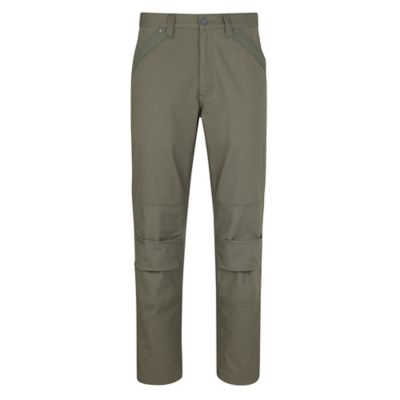
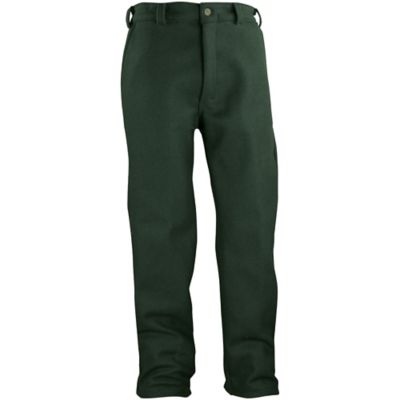
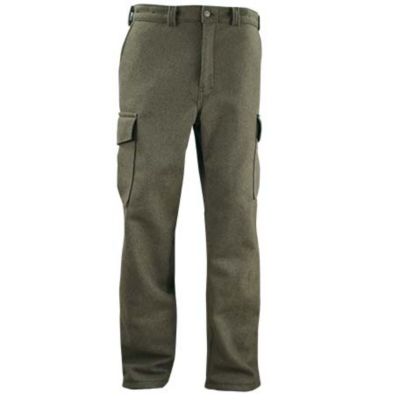
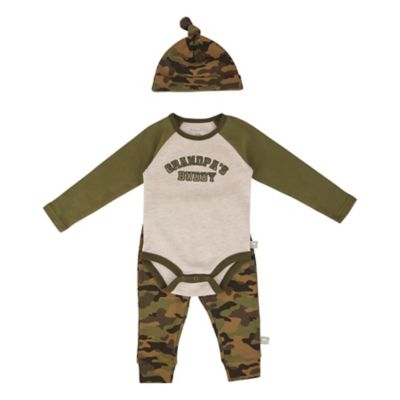
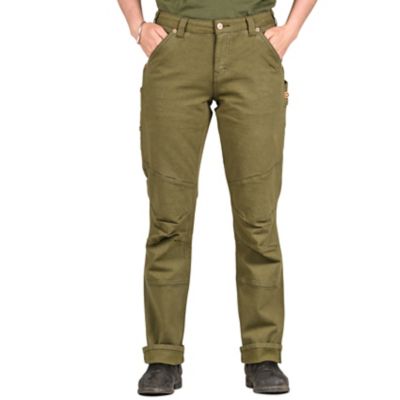
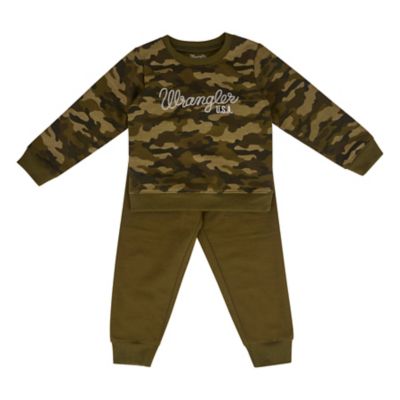
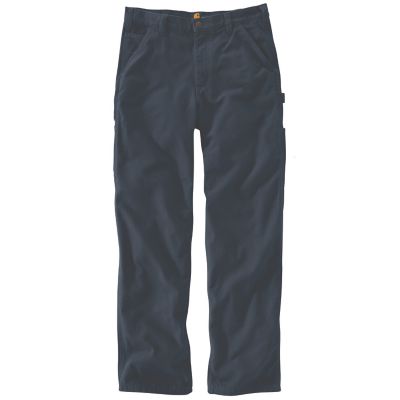
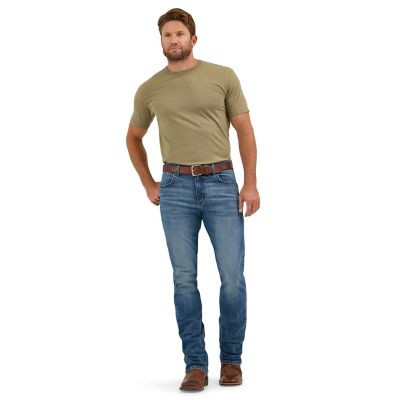
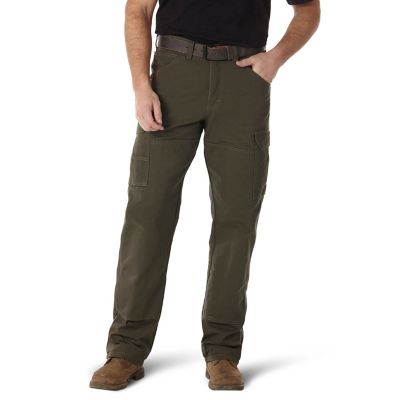
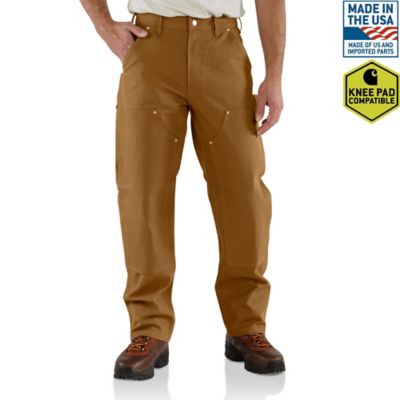
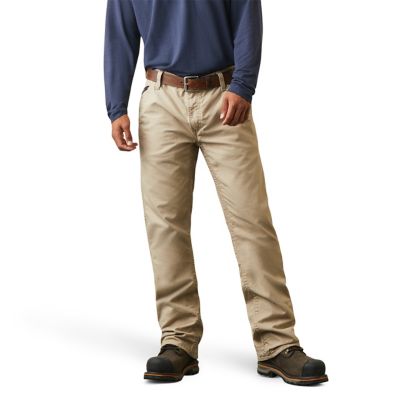
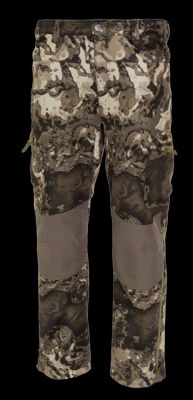
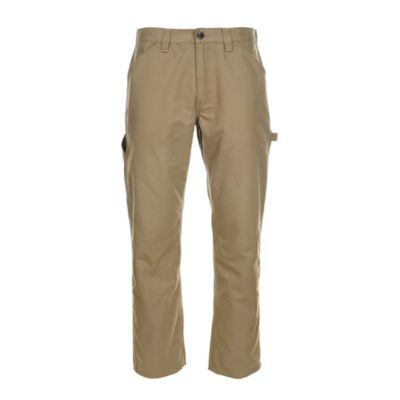
Olive green pants pair an earthy color with everyday function, making them a practical choice for chores, casual plans and plenty of workdays. The shade sits comfortably alongside brown leather, faded denim, gray knits and plain white shirts without drawing much attention to dirt from a gravel drive or a trip through the barn. Olive can range from a muted, brownish green to a deeper field green, so the overall look depends on both the shade and the fabric. Cotton chinos tend to have a smoother finish and a cleaner outline, while cargo pants lean toward utility with extra pockets and a roomier shape. Canvas work pants bring a more substantial feel, and pull-on styles offer a relaxed alternative for errands, travel or time around the house. Men’s and women’s olive green pants can share the same practical appeal while differing in rise, proportions and leg shape. Straight-leg cuts work well with a tucked-in shirt or an untucked flannel, while tapered legs keep excess fabric closer to the ankle. Wide-leg pants leave more room through the leg and pair naturally with a simple top and low-profile shoes. For anyone moving between the feed store, the workshop and a casual meal, olive offers a middle ground between traditional denim and dressier trousers. A plain pocket layout generally looks a little neater for an office setting, while cargo and utility details suit days when carrying small essentials matters more. Footwear changes the feel, too: lace-up work boots give the outfit a job-ready look, and sneakers keep it easygoing. A belt in brown or black works with most olive shades, so there’s little need to rearrange the rest of a wardrobe. For another earth-tone choice with a similar workwear feel,
Men's Khaki Work Pants provide a lighter-colored direction for everyday outfits. Both colors fit naturally with the shirts, jackets and boots already doing regular duty.
Fabric and construction make a real difference in how olive green pants feel after a full day of bending, walking and getting in and out of a truck. Cotton twill has a familiar feel, with a diagonal weave that suits both casual trousers and work-oriented styles. Canvas generally feels more substantial, making it worth considering for tasks that put knees, pockets and seat seams through repeated friction. Ripstop fabric has a gridlike reinforcement pattern designed to help limit the spread of small tears, though overall wear resistance still depends on fiber content, fabric weight and construction. Blends that include nylon or polyester can change how quickly fabric dries and how it handles repeated wear. A little elastane adds give, which can be helpful when crouching beside a fence post or stepping onto equipment. Stretch does not replace a good fit, though; pants still need enough room through the seat and thighs to move without pulling at the seams. Articulated knees and a gusseted crotch are other construction details that can support movement, depending on the design. Reinforcement at pocket corners, belt loops and other stress points matters when those areas take a steady tug throughout the day. Double-layer knees add fabric where kneeling creates friction, while lighter constructions may feel less restrictive for walking and driving. Pocket placement deserves just as much attention as pocket count. Deep front pockets can help contain everyday belongings, but a loaded thigh pocket may bump against the leg with every step. A phone pocket is most helpful when it holds the phone securely without getting trapped beneath a seat belt. Closures also affect convenience: buttons, snaps, zippers and hook-and-loop flaps each have a different feel when opening a pocket with gloves on. For work around moving machinery, loose fabric and hanging loops need special attention, and workplace clothing rules take priority over personal preference. The right details are the ones that suit the job without adding extra fuss.
Fit brings all those features together. Waist size, inseam, rise and leg opening give a better picture than a size label alone, especially when moving between different cuts. A waistband should stay in place when sitting or reaching without digging in, and the seat should have enough room for a full stride. High-rise pants sit farther up the torso, while mid-rise styles sit lower; comfort depends on body proportions and where a person likes the waistband to land. A relaxed fit leaves more space through the hips and thighs, whereas a slim cut follows the leg more closely. Neither needs to feel tight across the knees or pull at the front pockets. Length matters with work boots in particular. A hem that drags beneath the heel collects grit and wears down, while a narrow opening may catch on a boot shaft instead of falling over it. Trying pants with the footwear they will accompany gives a clearer sense of how the whole outfit sits. Care is another part of keeping olive green pants in regular rotation. The care label takes priority because cotton canvas, stretch blends and other fabrics can have different washing and drying requirements. Turning pants inside out and washing with similar colors can help reduce surface rubbing and color transfer. Empty pockets before washing, close fasteners where directed and treat spots with a method suited to the fabric. Too much dryer heat can shrink some cotton fabrics and affect stretch fibers, so the recommended setting is worth following. Dirt left packed into cuffs and seams can rub against the fibers, making routine cleaning part of looking after hard-working clothing. Olive green pants can also make a thoughtful gift for someone who spends time tending a property, working in a shop or taking the long way around a walking trail. Knowing the recipient’s measurements and favorite cut helps keep that gift practical. A familiar fit, sensible pockets and fabric suited to their routine will matter long after the wrapping comes off.