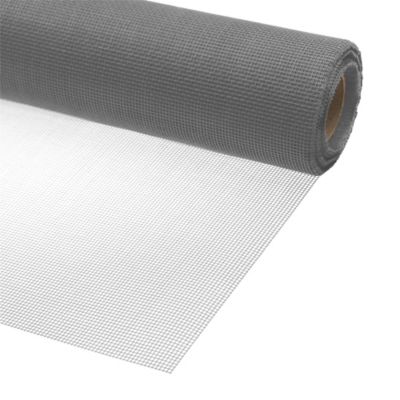
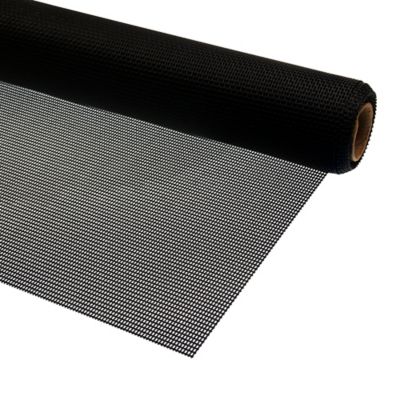
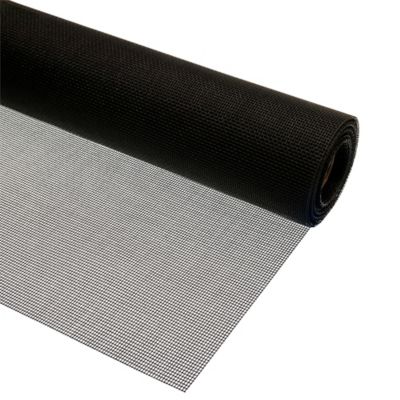
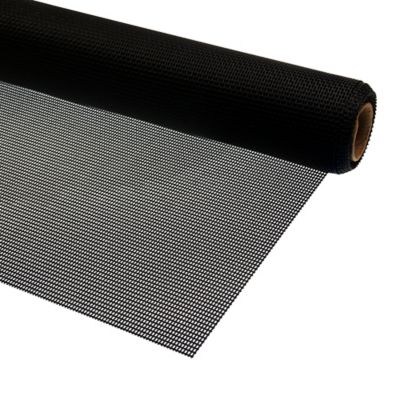
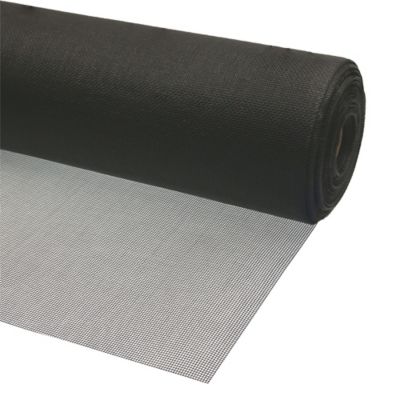
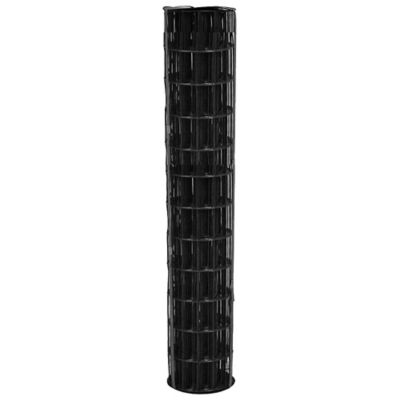
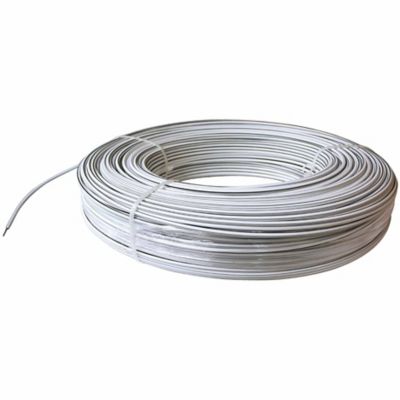
Fiberglass window screen rolls are flexible, woven mesh materials for repairing or replacing insect screens in windows, screen doors and compatible screened enclosures. The mesh lets air and light pass through while helping keep insects outside when it fits securely within a sound frame. Most fiberglass screening consists of fiberglass strands with a protective coating that helps hold the weave together. Unlike metal mesh, the fiberglass strands do not rust, and the material bends readily without taking on the sharp creases that can make some metal screening harder to handle. That flexibility makes it a practical choice for homeowners refreshing several window screens, property caretakers replacing torn mesh and folks keeping a farmhouse or workshop screened in. Roll screening provides material that can be trimmed to suit different frame sizes rather than limiting a project to a finished panel’s dimensions. It works especially well when the existing frames are still straight and solid but the mesh has holes, frayed edges or loose spots. There are differences within the category, though, so the weave, coating, dimensions and stated application all matter. A standard insect-screen weave offers a balance of visibility, ventilation and protection against many common flying insects. Finer mesh has smaller openings that can help block smaller pests, though it may also reduce airflow and slightly change the view through the screen. Dark mesh often blends into the view beyond the window, while lighter mesh can look more noticeable against the opening; the effect depends on lighting and the surroundings. For a kitchen window facing the yard or a row of windows along an enclosed porch, matching the mesh color and weave helps the finished screens look consistent. Fiberglass mesh is an insect barrier, not a solid covering, so it does not provide privacy or turn an open window into a sealed surface.
Fit starts with the frame and the amount of material needed to cover it. Fiberglass window screen rolls come in different widths and lengths, and both dimensions deserve attention when comparing options. The mesh needs to span the entire frame with enough extra material around the edges for fastening and trimming. A roll that looks long enough for several windows may still fall short if its width cannot cover the largest frame. For a house with several matching windows, working from the same roll can help keep the appearance consistent from room to room. Openings of different sizes call for a little more planning, especially when narrow offcuts will not cover another complete frame. Keeping track of each frame’s dimensions helps avoid unnecessary scraps and a seam where there should be one continuous piece of mesh. Frame style matters just as much as size. Many removable screen frames hold mesh in a channel with a flexible cord called spline, while some wood frames rely on another fastening method. The mesh and fastening system need to work together; thicker screening can affect how the material sits in a spline channel. Spline diameter should match the frame groove and screening rather than being chosen by appearance alone. Mesh also needs even tension across the opening. Too little tension leaves a loose, wavy surface, while too much can pull a lightweight frame out of square. A bent corner, cracked frame or damaged channel can keep fresh screening from fitting properly, even when the roll dimensions are right. For screen doors, lower porch sections or windows beside a favorite pet’s resting spot, the expected wear deserves extra thought. Standard fiberglass mesh can tear under claws, repeated pushing or contact with tools and furniture. Screening specifically rated for heavier contact may be a better match in those locations. The intended application in the product description is more useful than assuming every fiberglass roll will perform the same way.
Everyday care helps fiberglass screening stay neat and keeps the openings clear. Dust, pollen and cobwebs can collect in the weave, making the screen look dull and restricting airflow. A soft brush or gentle rinse can lift loose dirt, while mild soap can help with grime when the manufacturer’s care directions allow it. Strong cleaners, stiff scrubbing and concentrated water pressure can damage the coating or distort the mesh. Supporting a removable frame during cleaning also helps prevent twisting and keeps pressure off the corners. Around a busy home or work area, preventing snags is often just as important as cleaning. Ladder ends, stacked boards, garden tools and sharp hardware can catch the mesh, so a little clearance around screened openings goes a long way. An occasional look along the edges can reveal loose spline, pulling mesh or a small tear before a larger gap develops. A screen with intact mesh but an open edge still leaves a path for insects. Leftover roll material is worth keeping clean and protected from crushing or sharp objects, particularly when matching several screens matters. Storing it rolled rather than tightly folded helps avoid creases and makes the remaining material easier to handle for another repair. For projects that also involve panel-style materials,
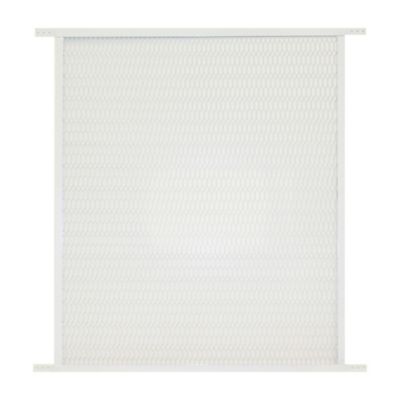
Vinyl Screen Panels are a related category to consider, with their own dimensions and mounting requirements to check. Mesh rolls, finished panels and frame components serve different roles, so the right choice depends on what part of the opening needs attention. Fiberglass screening is not a security barrier, a child fall guard or a way to contain pets, even when it appears firmly stretched. Its job is simpler: provide an insect-screen surface that fits the opening and suits the traffic around it. Choosing the right dimensions, weave and fastening arrangement helps keep that everyday job straightforward.