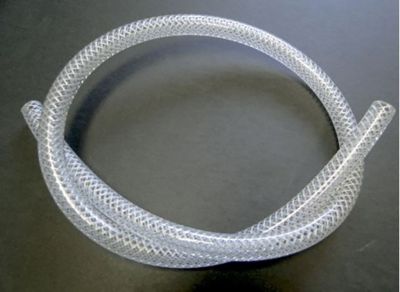
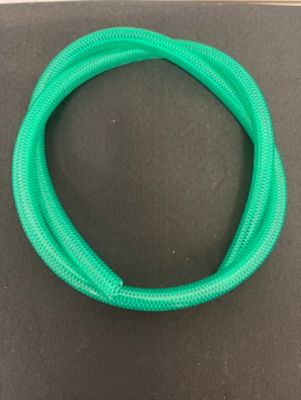
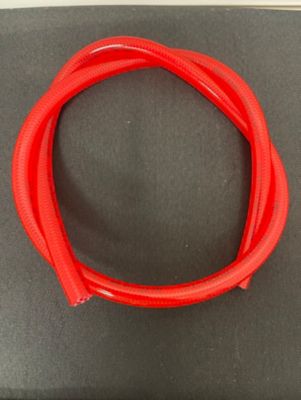
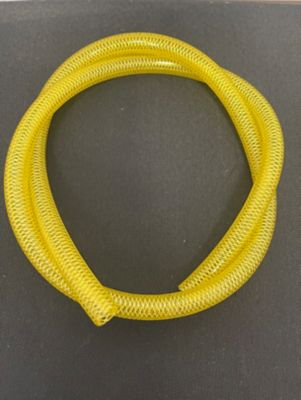
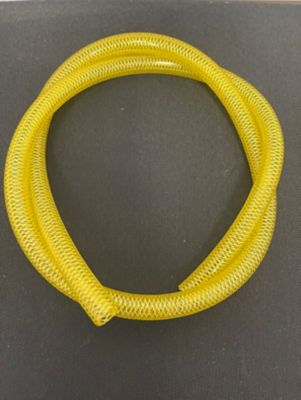
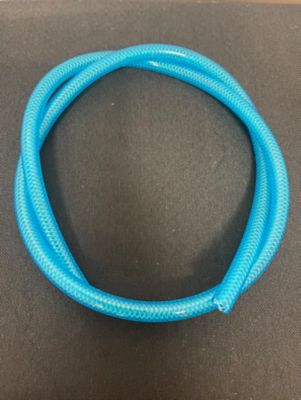
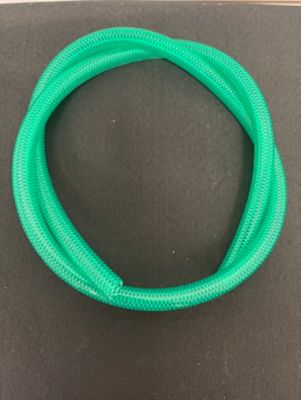
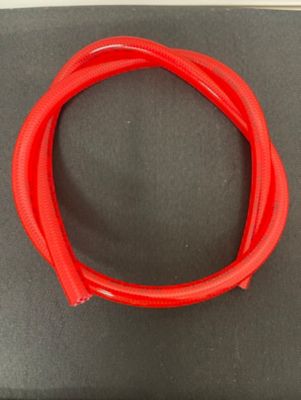
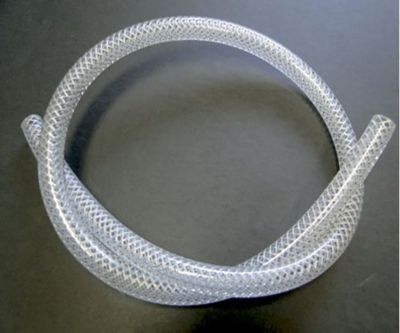
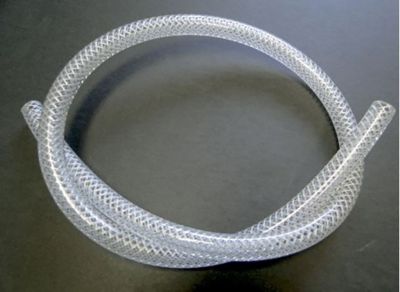
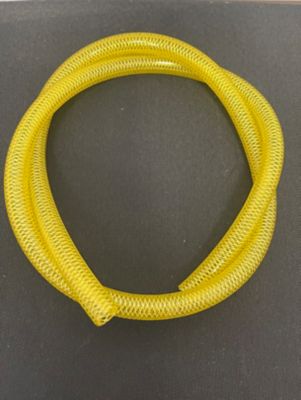
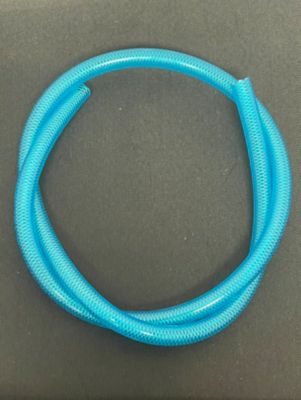
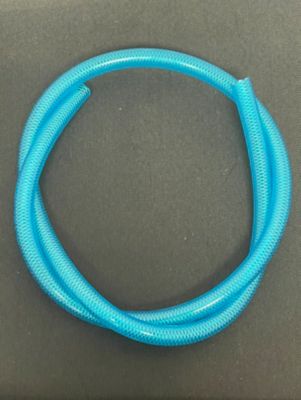
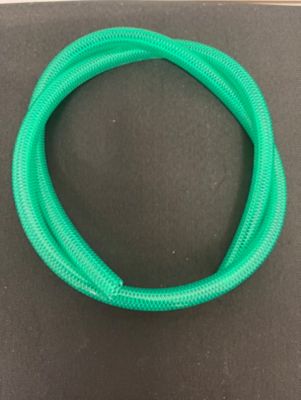
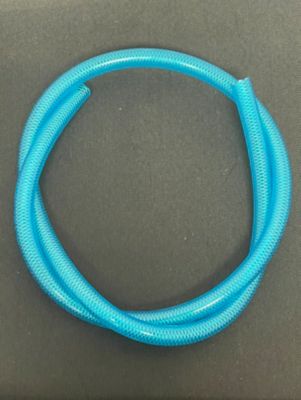
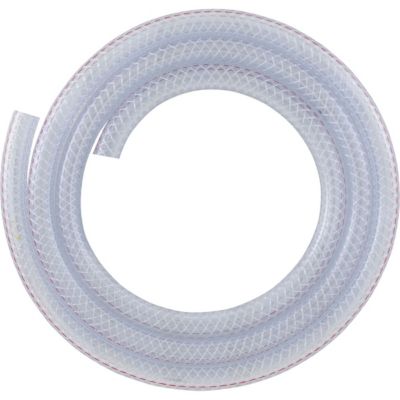
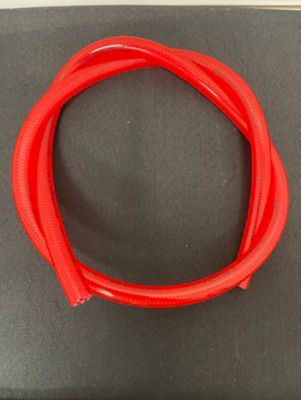
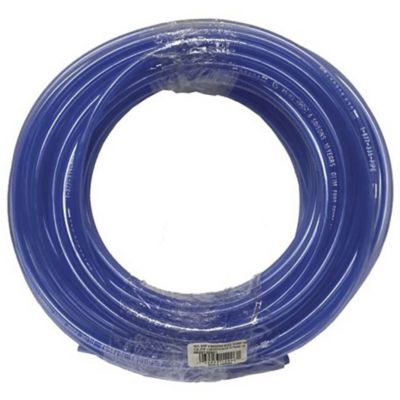
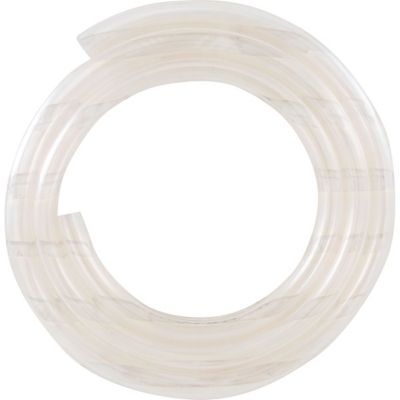
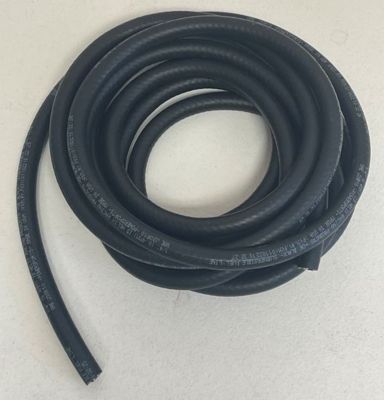
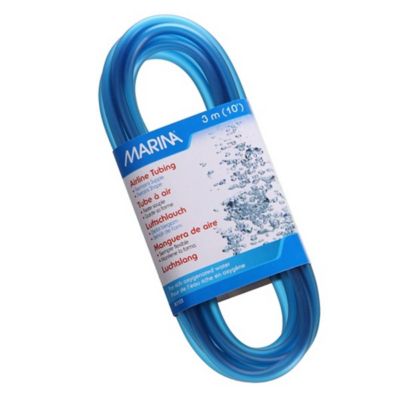
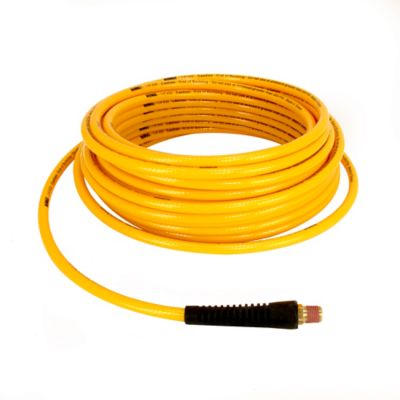
Nylon high pressure tubing is a handy choice when a project needs a tough, dependable line for moving air, fuel, oil, lubricant, water, or other compatible fluids. Unlike soft tubing that can sag or pinch easily, nylon tubing is semi-rigid and holds its shape through long runs, tight equipment layouts, and everyday vibration. Depending on the construction, size, and operating conditions, it may handle working pressures from about 200 PSI to 800 PSI, with some specialty tubing rated higher. Typical temperature performance ranges from roughly -60°F to 200°F, though pressure ratings can change as temperatures rise or fall. That broad range makes nylon tubing useful around farms, shops, garages, greenhouses, livestock facilities, and light industrial work areas where equipment has to keep moving through changing weather. It can support pneumatic automation, air tools, control lines, robotics, lubrication systems, fuel systems, grease feeds, and high-pressure misting setups. Its resistance to many oils, fuels, chemicals, and abrasion adds another layer of protection when tubing runs near machinery or through a busy workspace. Nylon also has enough rigidity to resist collapsing under vacuum in many applications, with some types supporting vacuum levels up to about 28 inches of mercury. For a hot, dusty equipment shed or a cooler outdoor run, the right tubing can make the finished setup look cleaner and help reduce the hassle of replacing lines that kink, rub, or soften before their time. It is also worth looking at
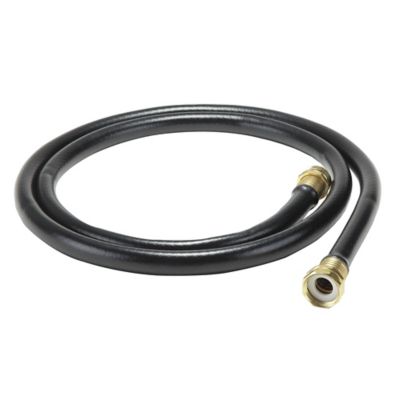
High Pressure Hoses when a project calls for a more flexible connection, longer whip, or hose-style assembly instead of semi-rigid tubing.
Choosing nylon high pressure tubing starts with the job itself. First, identify what will travel through the line and confirm that the tubing is rated for that fluid or gas. Air systems, fuel lines, oil feeds, grease lines, and misting networks can each have different requirements, and a material that works well for one may not be suitable for another. Next, check the target operating pressure, not just the maximum pressure listed in a product description. A line running near its limit has less room for pressure spikes, heat, wear, or an aging connection. Temperature matters just as much. Tubing routed near an engine, compressor, heater, or sun-warmed metal surface may see more heat than the surrounding air, while outdoor equipment can be exposed to freezing conditions during the cooler months. The outside diameter, inside diameter, wall thickness, and available length all affect how the tubing fits and performs. Outside diameter is especially important when matching push-to-connect or compression fittings, while inside diameter affects flow. A line that is too small can restrict air or fluid delivery, and one that is too large may not seat correctly in the fitting. Standard push-to-connect fittings can make clean, quick connections on compatible systems, while compression fittings may be a better match for certain permanent installations or equipment layouts. Always verify the fitting style, pressure rating, and material compatibility together rather than assuming parts will work simply because they share a size. Before cutting, lay out the run and allow enough length for gentle bends, service loops, and movement at hinged panels or vibrating equipment. Nylon tubing bends more easily with proper planning than with force; sharp kinks can restrict flow and create a weak spot that may not show itself until the system is under pressure.
These tubing lines are useful for people who maintain tractors, trucks, trailers, compressors, sprayers, shop equipment, automated systems, and outdoor cooling setups. A farmer may use a properly rated line for an air-control circuit or a lubrication run, while a mechanic may route tubing through a compact engine compartment where space is tight and abrasion is a concern. In a workshop, semi-rigid nylon can help keep air lines organized along a bench, between controls, or around a small automation project. For a misting installation, it can carry water through a network of fittings placed along a porch, greenhouse, kennel area, or work zone when the weather warms. In every case, secure the tubing away from sharp edges, exhaust heat, moving belts, tires, and points where it can be stepped on or crushed. Use suitable clamps or supports, leave room for normal movement, and avoid twisting the line while tightening fittings. After installation, pressurize the system gradually and check every connection for leaks, paying attention to places where the tubing enters a fitting. A light tug should not pull a properly seated connection loose, but never test a high-pressure line with your hands near a suspected leak. Inspect the tubing as part of regular equipment care, especially after a busy stretch of fieldwork or before machinery is stored for the cooler months. Look for cuts, flattening, cloudy areas, hardening, rubbing, chemical damage, and loose fittings, and replace any line that shows signs of failure. Nylon high pressure tubing is a practical addition to a repair shelf or maintenance kit because it can help solve a wide range of air, fluid, and control-line needs without taking up much room. Select the pressure rating, temperature range, size, length, and fitting style with the complete system in mind, and the finished setup will be better prepared for the rough handling, changing conditions, and steady chores that come with life on the farm, in the shop, and around the home.