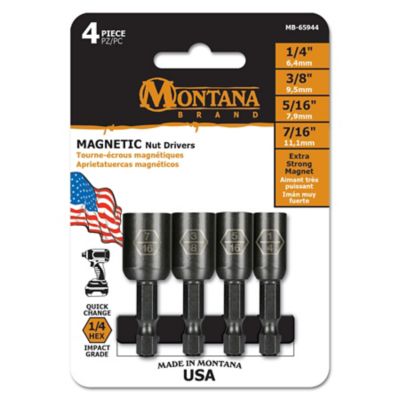
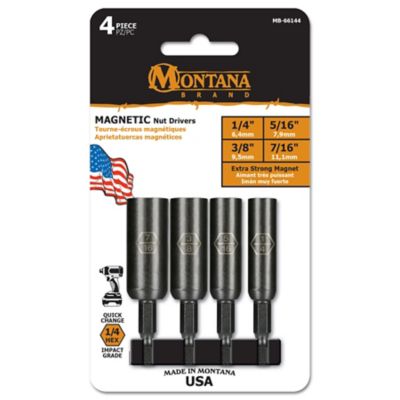
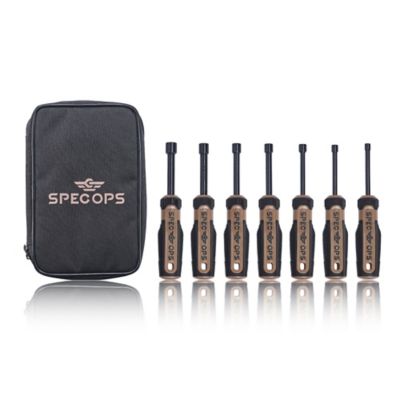
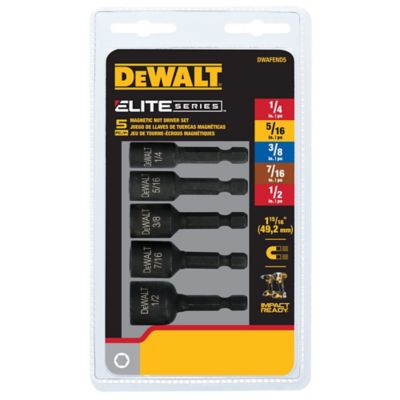
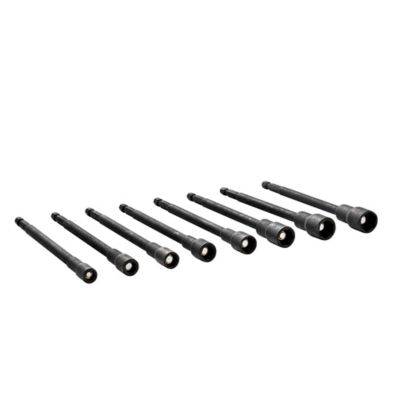
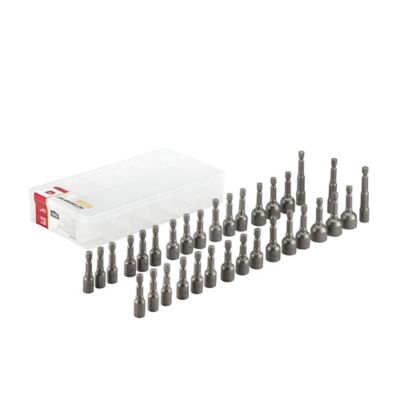
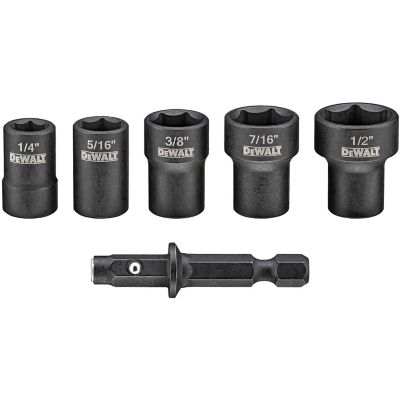
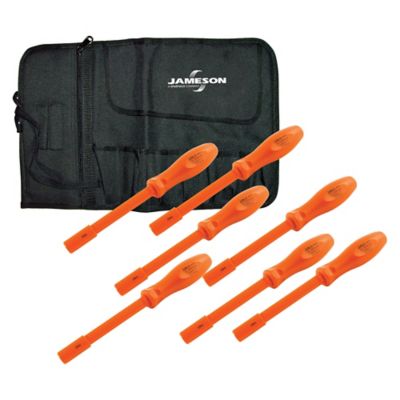
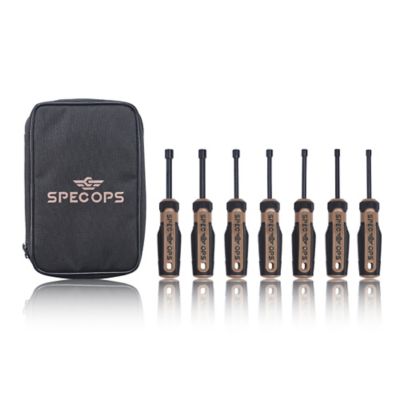
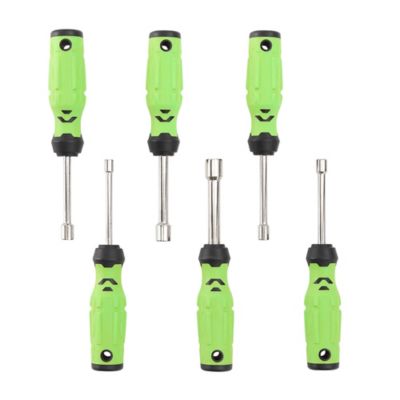
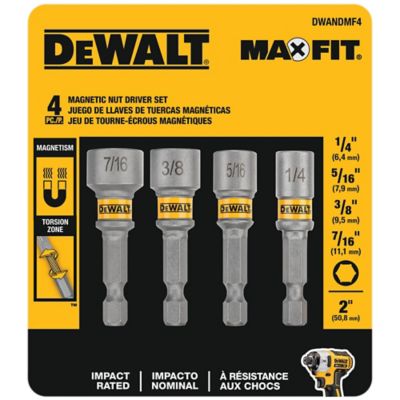
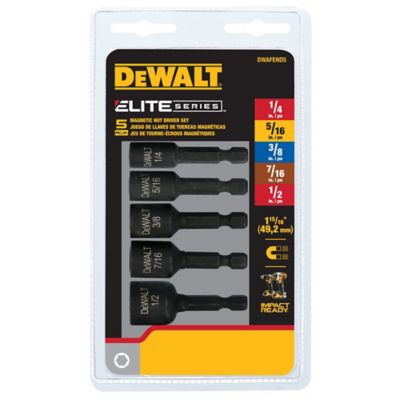
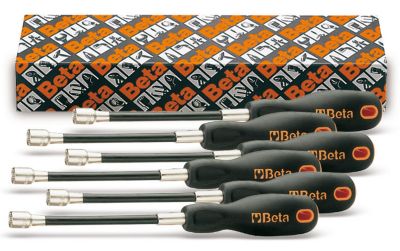
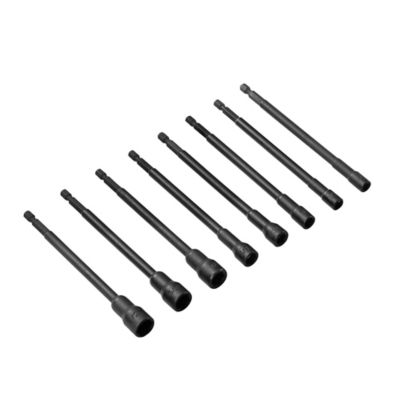
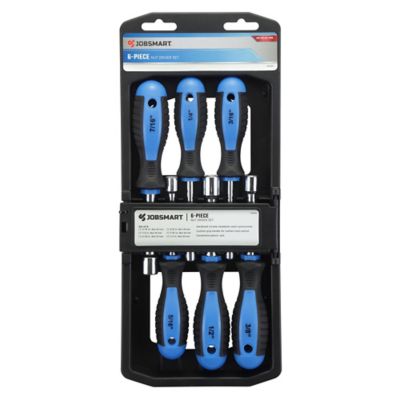
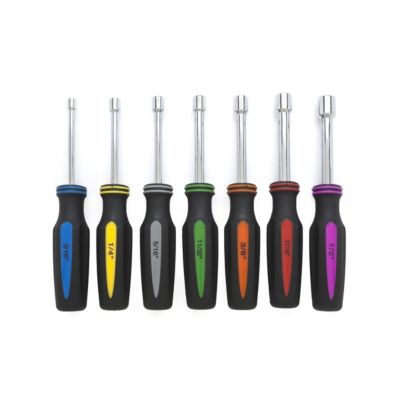
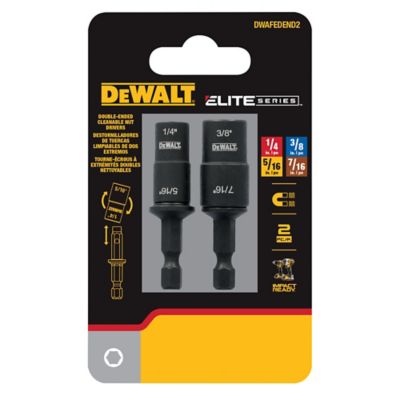
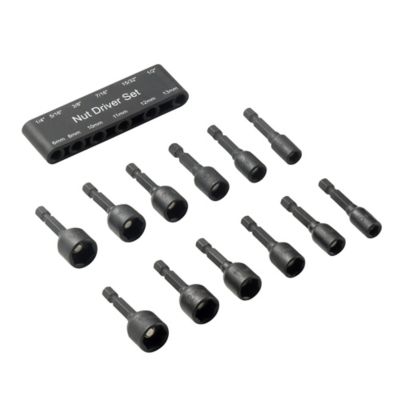
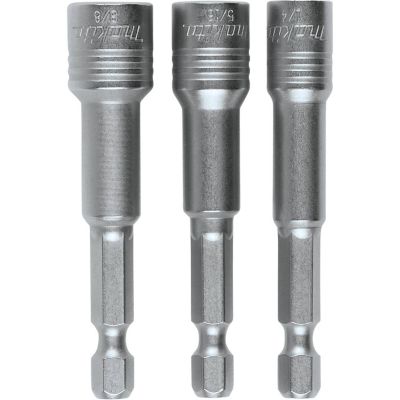
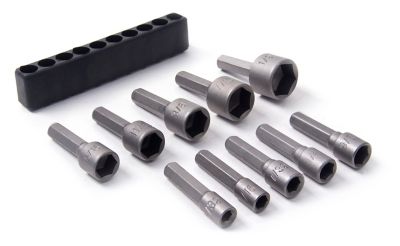
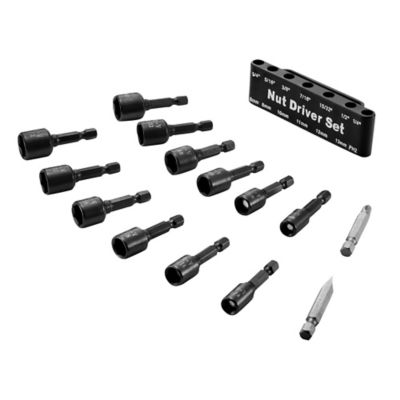
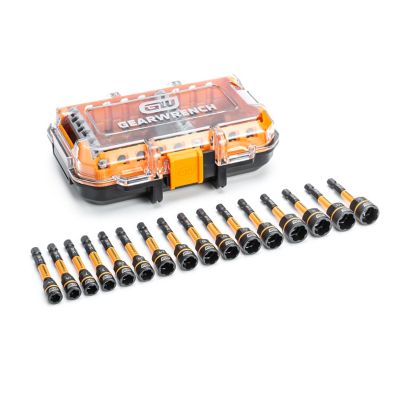
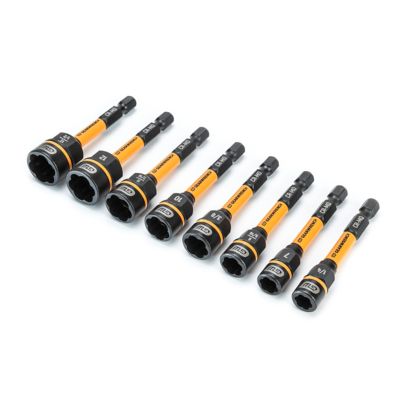
A nut driver bit set is a collection of socket-tipped bits that turn hex nuts, hex-head bolts, and hex-head screws with a compatible drill or driver. Most have a 1/4-inch hex shank, while the socket end comes in different sizes to match the fastener. That combination makes these sets handy for jobs around the shop, barn, garage, and equipment shed, from securing a metal panel to tightening hardware on a gate bracket. Unlike a screwdriving bit that fits into a recess in a screw head, a nut driver bit fits around the outside of the fastener head or nut. A snug fit helps keep the bit seated and reduces the chance of rounding off the corners. Common SAE sizes include 1/4 inch, 5/16 inch, and 3/8 inch, while metric sets may include sizes such as 8 mm and 10 mm. Those measurements refer to the socket opening, not the thread diameter of the bolt. Fractional-inch and metric sizes can look close, but they are not automatically interchangeable; hardware on a mower, utility trailer, or shop fixture may call for either system. A set with clearly marked sizes makes it easier to find the right fit without testing several bits against the same bolt. Magnetic nut driver bits add another useful feature: a magnet inside the socket helps hold compatible steel fasteners in place. That can make a difference when one hand is holding a bracket against a post and the other is handling the drill. Magnetic retention depends on the fastener material, though, and it will not hold nonmagnetic hardware the same way. For folks who regularly switch between equipment repairs and fastening jobs, the practical value of a set comes from having the necessary sizes together, with markings that remain easy to read and a holder that keeps the bits from disappearing into the bottom of a toolbox. The number of pieces matters less than whether the set covers the hardware that turns up in everyday work.
Materials, construction, and tool compatibility all affect how nut driver bits handle repeated fastening. Many are made from hardened steel, with alloy compositions and heat treatment intended to balance strength, wear resistance, and resistance to breakage. Chrome-vanadium and other alloy steels may appear in product descriptions, but the steel name alone does not establish whether a bit is suitable for an impact driver. Impact-rated nut driver bits are designed for the repeated rotational blows of that tool, so the stated impact rating matters more than an assumption based on appearance or material. A standard drill and an impact driver also behave differently at the fastener: a drill offers steady rotation, while an impact driver adds hammering action that can drive hardware quickly and apply substantial torque. Matching the bit to the tool and keeping within the manufacturer's limits helps prevent damage to the bit, fastener, or surrounding material. Length and socket depth deserve separate attention. A longer bit can reach past a bracket or into a recessed area, but extra length does not necessarily provide more room inside the socket for a protruding bolt or threaded stud. Standard nut driver bits often have a limited internal depth, and some fastening jobs call for a deeper socket or another tool altogether. Around a trailer fender, for example, clearance between the fastener and nearby metal may matter as much as the socket size. A shorter bit can be easier to control in an open area, while a longer shank may help keep the drill body clear of an obstruction. Coatings and finishes can help limit surface corrosion, though exposed steel still needs care after contact with moisture. Firm engagement, straight alignment, and sensible torque are especially important on thin sheet metal, painted panels, and smaller screws, where an overdriven fastener can strip its hole or crush the material beneath it. For hardware with a specified final torque, a nut driver bit does not replace the appropriate torque tool.
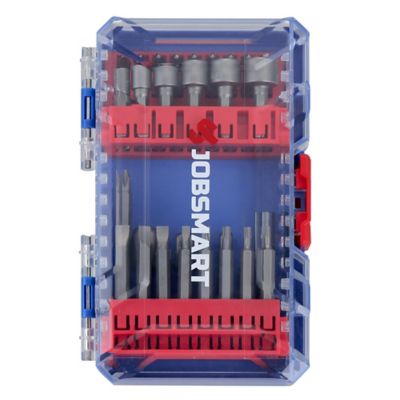
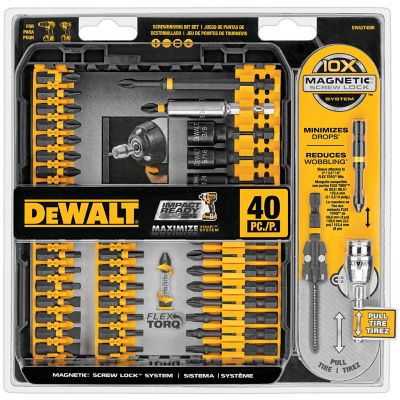
A well-organized nut driver bit set fits naturally into the tool collection of a farmer, rancher, mechanic, maintenance worker, or homeowner who tackles repairs around the property. It can also make a practical gift for someone setting up a workbench or putting together a tool bag for chores away from the shop. The most useful format depends on where the work happens. A compact holder can keep a few frequently needed sizes close at hand, while a case with separate spaces makes it easier to spot a missing bit before leaving a job. Clear markings are particularly helpful when bits pick up dust or grease and several sizes look nearly alike. After work, wiping away dirt and metal shavings helps keep the socket opening clear so the next fastener can seat fully. Magnetic tips tend to collect fine steel particles, which can interfere with fit if they build up inside the socket. Bits should be dry before they go back into a closed case, and any rust prevention treatment should follow the manufacturer's care directions. Periodic checks for cracked sockets, rounded internal corners, bent shanks, or a loose fit help catch wear before it damages hardware. A bit that slips on the correct size of fastener may need replacement rather than more pressure from the drill. For jobs that alternate between hex-head hardware and recessed screw heads,
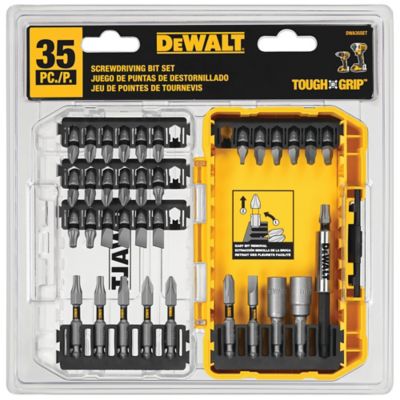
Screwdriving Bit Sets cover a different part of the fastening kit. Keeping both types organized makes it easier to move from attaching a bracket to securing a latch without hunting through loose accessories. Nut driver bit sets earn their place through that kind of everyday usefulness: the right socket size, a shank that fits the tool, enough reach for the work area, and construction suited to the driving force. Whether the task is a small repair at the workbench or a string of fasteners along a farm project, those details help keep the work moving without sacrificing fit or control.