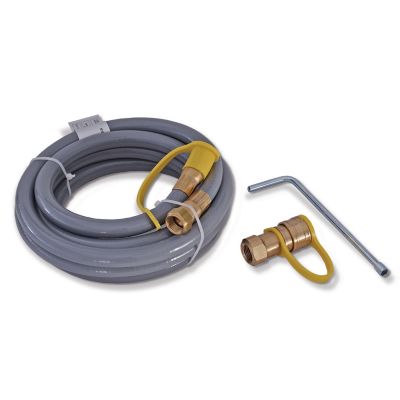
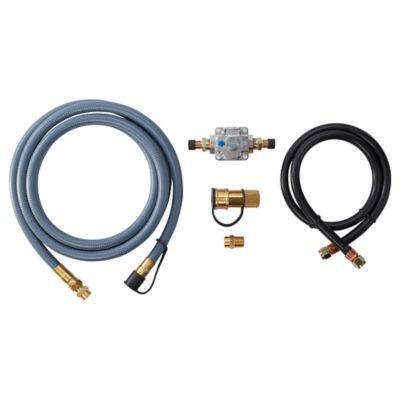
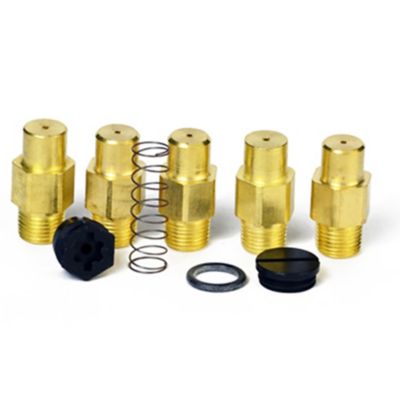
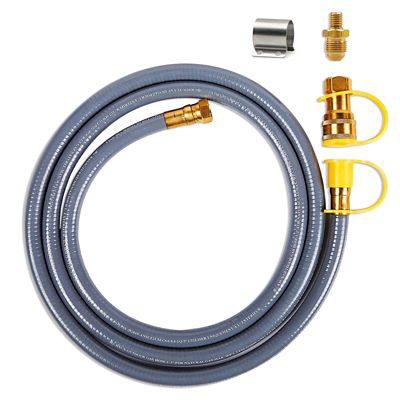
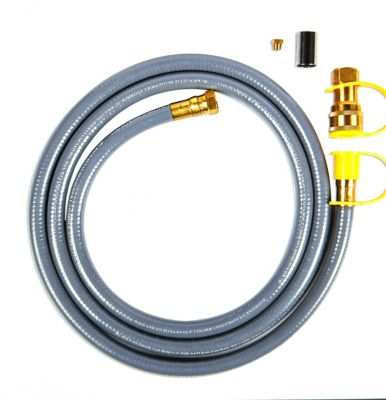
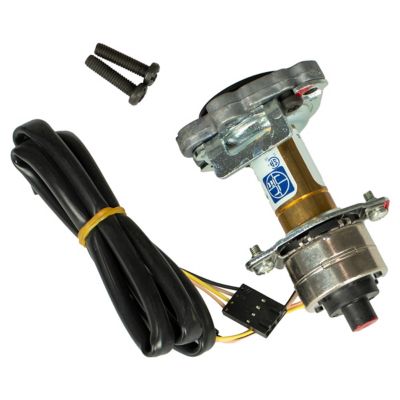
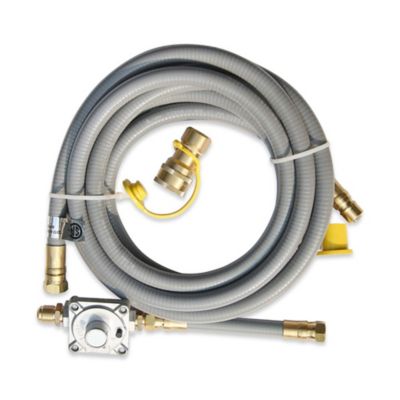
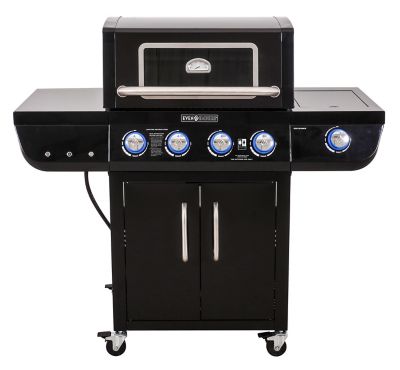
Natural gas conversion kits are designed to help change a compatible appliance from liquid propane (LP) to natural gas (NG), giving homeowners another way to fuel an outdoor cooking setup or other approved gas appliance. They are commonly considered by folks who already have a natural gas line near a patio, deck, outdoor kitchen or house and want to avoid keeping and refilling propane cylinders. Natural gas runs at a lower pressure than propane, so a proper conversion is more than swapping a hose or changing a tank connection. A complete kit may include correctly sized burner orifices, a low-pressure regulator, a flexible gas hose and a quick-connect fitting, though the contents vary by appliance and manufacturer. The orifices control how much gas reaches the burners, while the regulator helps bring household gas pressure down to the level the appliance is built to use. When the parts match correctly, the burners can produce a steady flame and the appliance can operate as intended. When they do not, the result may be weak heat, yellow flames, soot, an unwanted gas smell or a serious safety hazard. That is why the model number, fuel type and installation instructions matter so much when shopping. A kit that fits one appliance may not fit another, even when the appliances look nearly identical. Before adding a conversion kit to your cart, check the appliance manual, the rating plate and the kit specifications for compatibility. Pay attention to whether the kit is made for a particular appliance model or intended for a range of compatible outdoor gas appliances. Universal options can be useful in some situations, but they still require careful selection of the right orifice sizes, fittings and pressure rating.
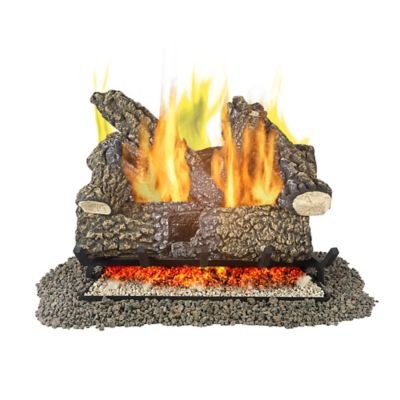
These kits can be a practical choice for homeowners who enjoy cooking outside through warm afternoons and into the cooler months, especially when a permanent natural gas connection makes it easier to fire up the grill without planning around a propane refill. A natural gas line may offer a convenient fuel source for regular family meals, weekend cookouts and larger gatherings where the burners stay in use for a while. It can also help keep an outdoor cooking area tidy by removing the need to store spare cylinders beside the shed or under the deck. Take a close look at the hose length and connection style, since the appliance needs to sit in a safe, well-ventilated location without stretching, pinching or sharply bending the hose. The gas stub-out should be placed where the connection remains protected from foot traffic, lawn equipment and standing water. Conversion kits are generally purchased for an appliance already on hand rather than given as a surprise gift, but they can make a thoughtful choice for a homeowner who is building an outdoor kitchen, adding a patio cooking station or moving into a property with a natural gas connection. They may also suit a handy family member who has been preparing to make the change from LP to NG, provided the exact appliance information is available before purchasing. The same basic care applies to other gas-fueled home projects. For example, anyone comparing outdoor heating options may also browse
Gas Log Sets, but fireplace and heating components have their own fuel, venting and installation requirements and should not be treated as interchangeable with outdoor cooking parts. Keep every conversion project tied to the appliance’s approved fuel type and instructions, and never assume that a fitting, regulator or burner component will work simply because the threads appear to match.
Natural gas and propane systems are not interchangeable, and connecting natural gas directly to a propane orifice or propane regulator can create an unsafe condition. Natural gas appliances require the proper orifices, regulator and connection arrangement for lower-pressure operation. Installation is best handled by a licensed gas technician or another qualified professional who understands local codes, appliance requirements and gas-line connections. A professional can confirm that the supply line is appropriate, install the parts in the correct order, inspect the fittings and check the appliance for proper burner performance. Local rules may require permits, shutoff valves, approved connectors or inspection before the appliance is used, so requirements can vary from one property to the next. After installation, all connections should be checked for leaks using an approved method, such as a soapy-water test performed according to the appliance instructions; an open flame should never be used to look for a leak. If bubbles appear, the gas supply should be shut off and the connection handled by a qualified professional. Before each use, look over the hose for cracking, wear, kinks or damage, and keep combustible items, children and pets away from the appliance while it is operating. During the cooler months, cover and protect outdoor equipment as recommended, but do not block required vents or leave a gas appliance connected in a way that traps moisture around the fittings. Store manuals, spare parts and model information together so future maintenance is simpler. With the right match, careful installation and routine checks, a natural gas conversion kit can make an existing LP appliance more convenient to use while helping support a dependable outdoor cooking setup.