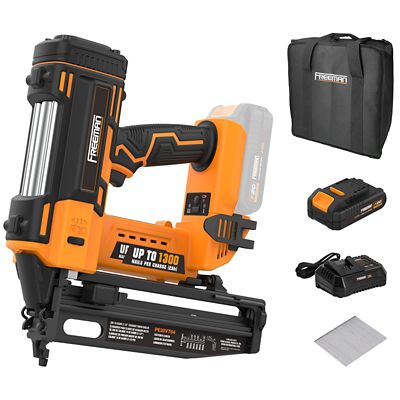
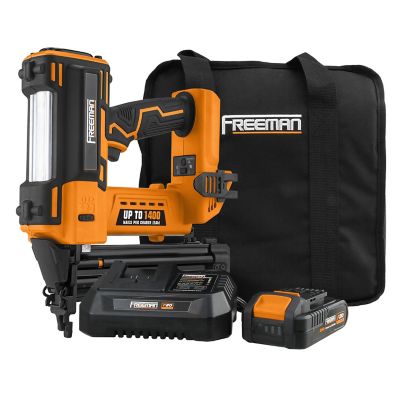
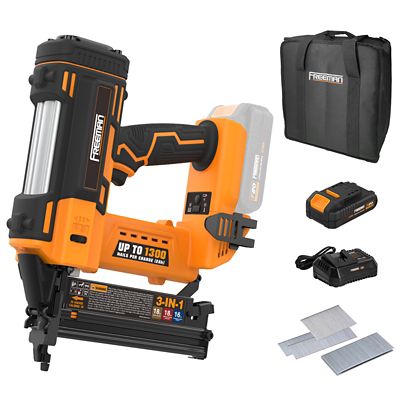
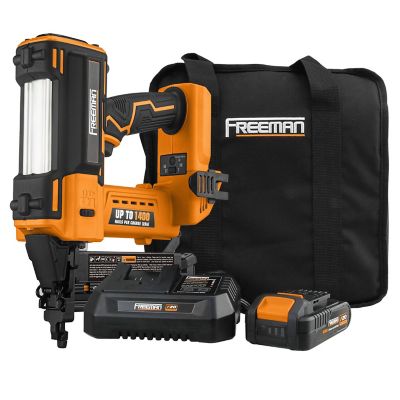
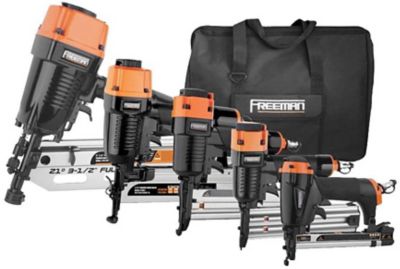
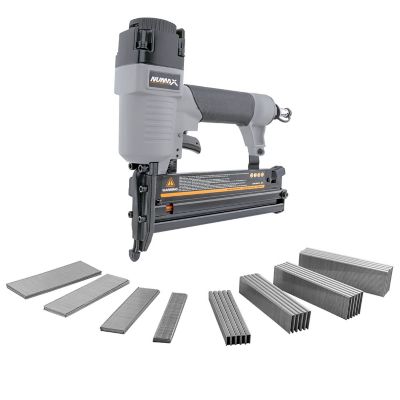
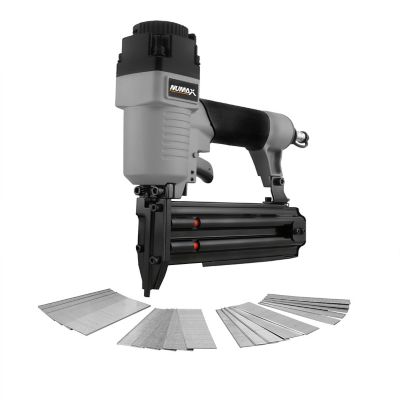
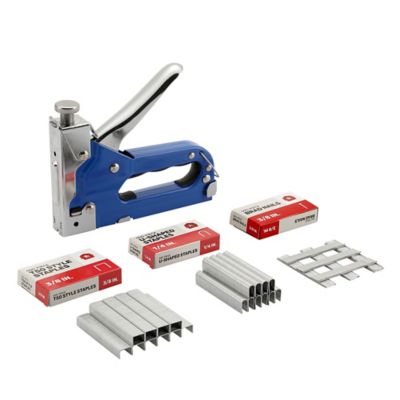
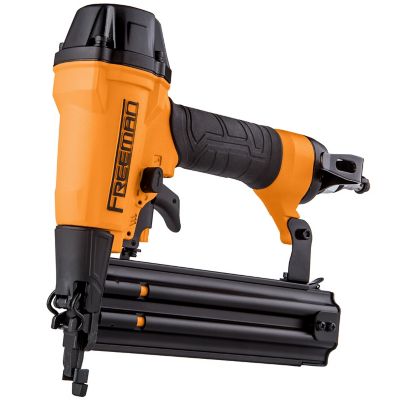
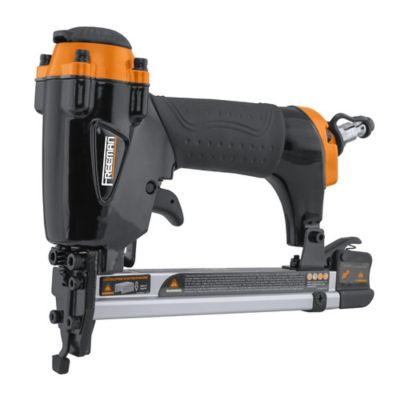
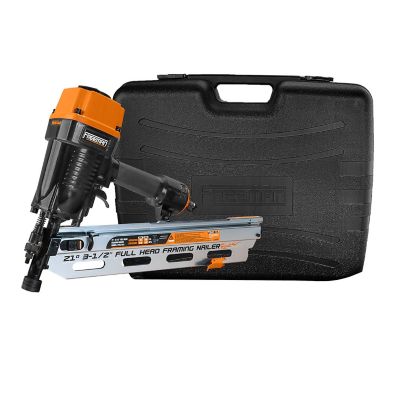
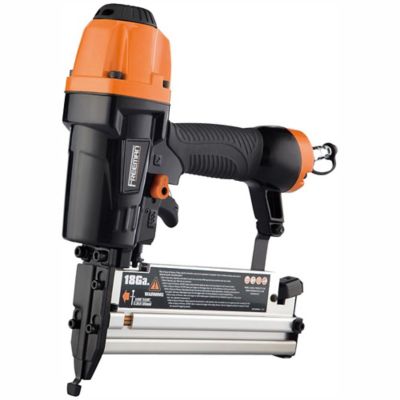
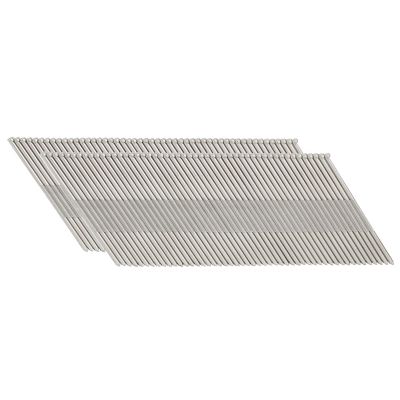
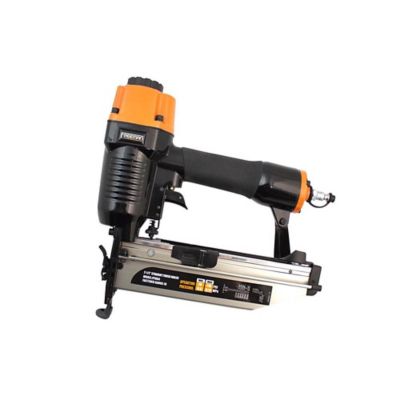
Nail gun kits bring the tool and its supporting gear together for jobs that call for steady fastening, from hanging door casing in the house to putting up a partition in the shop. The right setup depends on the work ahead, because a nailer made for slender trim nails handles a different job than one built to drive framing nails into lumber. Brad nailers commonly work with 18-gauge fasteners for light trim and small wood assemblies, while finish nailers typically accept heavier fasteners for baseboards, casing and similar finish work. Framing nailers belong with larger lumber connections, provided the tool and fasteners meet the requirements of the project. Pin nailers fill another role, helping hold delicate moldings or small pieces in place where a very small entry hole matters; those fine pins are not a substitute for the holding strength of larger nails. A kit with more than one nailer can suit a workshop that handles several kinds of projects, while a single-tool kit keeps the setup focused on a particular task. Fastener compatibility deserves a close look across all these categories. Gauge, length, head style, collation type and magazine angle need to match the nailer’s specifications, and similar-looking nails are not always interchangeable. Wood thickness and the material underneath also affect the choice. Thin trim needs enough hold without an oversized hole, while heavier assemblies need the specified penetration and connection strength. For pressure-treated lumber or exterior work, the fastener’s corrosion resistance must suit the lumber treatment and application. Galvanized and stainless steel fasteners have different applications, and the nailer must accept the fastener selected. Whether the job is finishing a mudroom bench or fitting out a tack room, matching the tool to the material helps keep split edges, proud nail heads and unnecessary patching from taking over the afternoon.
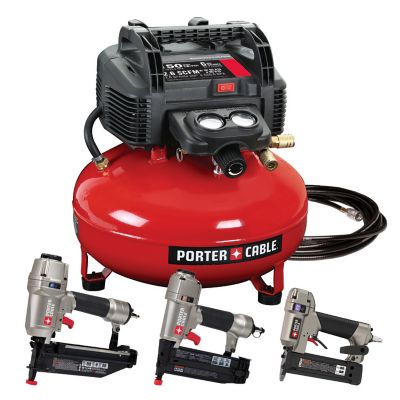
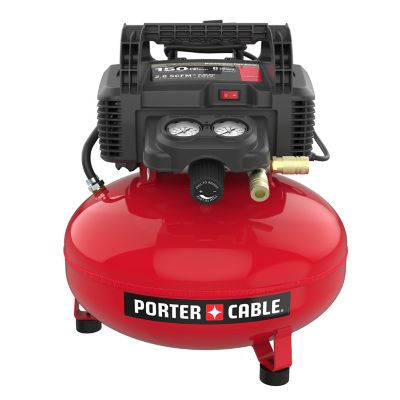
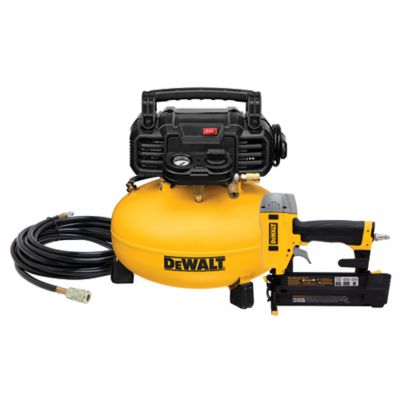
Power source makes a big difference in how a nail gun kit fits into the workday. Pneumatic kits run from compressed air, making compressor output, tank capacity, hose size and fitting compatibility part of the overall setup. A compact compressor may suit intermittent trim work, but a faster fastening pace can demand more air than a smaller unit can supply. The nailer’s stated operating pressure and air requirements are better reference points than tank size alone. Hose length also changes the feel of the job: enough reach helps around a workbench or across a room, but extra hose can catch on corners and add clutter underfoot. For work that takes you beyond an air line, a
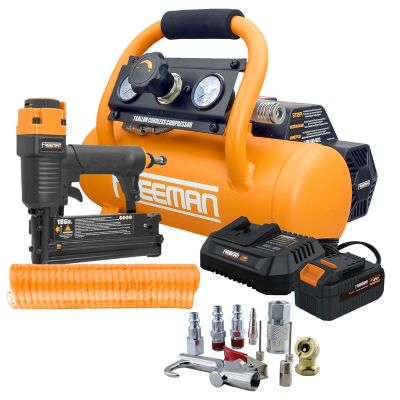
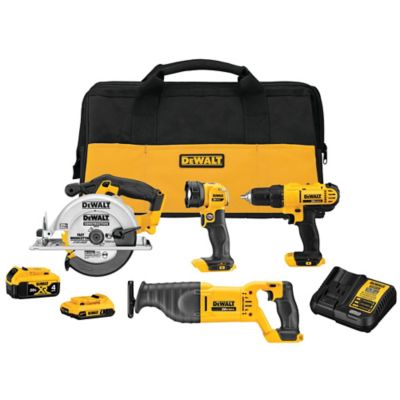
nail gun without compressor setup can cut down on the equipment moving between the shop, house and outbuildings. Battery-powered kits call for a look at the battery platform, charger and included battery capacity, along with whether batteries and charging equipment are part of the package. Some cordless nailers also require fuel cells, so cordless does not always mean battery power alone. Tool weight and balance matter just as much as the power source when the work stretches beyond a few fasteners. A comfortable grip, a clear view of the nose and a manageable magazine can make a difference when setting baseboard along a hallway or fastening trim above shoulder height. Depth adjustment helps suit the nail set to the wood, while a no-mar contact tip can help protect a finished surface. Jam-access features, belt hooks and carrying cases may add convenience, though kit contents and tool features vary. For someone already invested in a battery platform or an air system, compatibility with that equipment can be more useful than adding another charger, hose connection or storage routine.
A good fit for the job also includes the way a nailer handles everyday shop conditions and the attention it needs between projects. Housing materials, magazine construction and protection around the nose all affect how a tool stands up to regular handling, but even a stout tool needs care. Sawdust around the magazine, damaged fastener strips and worn contact parts can interfere with feeding or firing. Manufacturer directions should govern cleaning, inspection and lubrication; some pneumatic tools require air-tool oil, while others have different maintenance requirements. Compressed-air systems need attention of their own, including tank draining and hose checks according to the equipment instructions. A case or bag helps keep the nailer, charger, fittings and small accessories together instead of scattered across a truck seat or bench. Storage should keep the tool dry, protected from grit and out of children’s reach, with power disconnected and fasteners removed as directed by the manufacturer. Safety features deserve the same attention as nail size and driving power. Trigger modes differ, and sequential operation requires a specific contact-and-trigger sequence rather than permitting the firing pattern associated with contact actuation. Eye protection is essential, hearing protection may be necessary, and hands belong clear of both the tool’s nose and the path a nail could take through or out of the wood. Knots, narrow edges and hidden metal can deflect fasteners, which makes checking the workpiece important even on familiar jobs. Power should be disconnected before clearing a jam or performing maintenance. For carpenters, property owners and folks who spend spare hours building cabinets or improving a workshop, a well-matched kit can earn a regular place on the bench. As a gift, it makes the most sense when the recipient’s projects, preferred power system and fastener needs are already known. The useful kit is the one that fits the work, feels manageable in hand and includes the supporting pieces needed to get started safely.